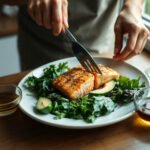
Choosing keto foods is harder than it sounds because many “low-carb” items still hide enough net carbohydrates to slow ketosis. The best options earn a spot by meeting three criteria: very low net carbs, satisfying levels of healthy fat (and appropriate protein), and ingredients you can recognize. For the most dependable foundation, focus on fatty fish, eggs, full-fat dairy, olive oil, avocados, and nonstarchy vegetables.
The best keto foods are high-fat, moderate-protein foods with very low net carbs—think eggs, fatty fish, meat, low-carb vegetables, and full-fat dairy (if it agrees with you). This guide will help you pick the most useful keto staples, avoid common “hidden carb” traps, and build meals you can repeat without guessing.
If you’re new to keto or you’ve been eating “keto-ish” without results, this is for you—especially if you want a practical food list you can use when you’re planning meals, grocery shopping, or eating out.
If you’re doing keto in 2025–2026, the core goal is the same across most approaches: keep carbs low enough to support ketosis (typically around 20–50 grams of carbs per day for many people) Harvard Health Publishing. From there, keto foods work best when you’re consistent with food choices and realistic about “net carbs” versus total carbs.
Best keto foods: proteins that keep you full
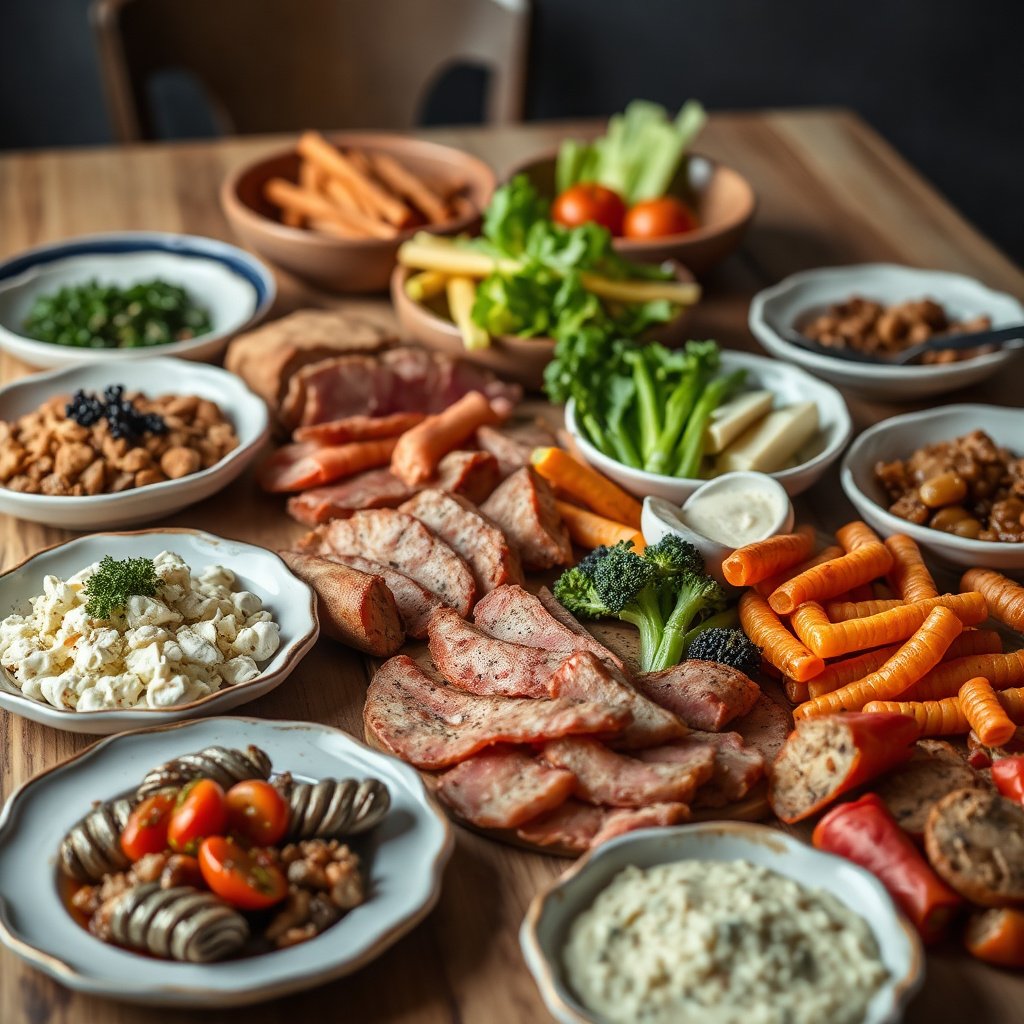
The best keto proteins help you stay satisfied without adding carbs, and they pair naturally with keto fats. Choose protein foods that are unprocessed, minimally sauced, and easy to cook so you can repeat meals confidently.
What “keto-friendly protein” really means
In keto meal planning, “moderate protein” is about supporting appetite and muscle maintenance without turning meals into high-protein (and effectively higher-carb-by-accompaniment) eating. Eggs, fish, and meat also tend to be naturally low in carbohydrates, which makes them reliable keto foods.
High-satiety protein choices
– Eggs (whole eggs, omelets) are a go-to because they’re low in carbs and easy to cook.
– Fatty fish like salmon, sardines, trout, and mackerel add protein plus omega-3 fats.
– Beef and poultry (ribeye, ground beef, chicken thighs) are reliable choices—choose cuts that stay flavorful without needing sugar-based sauces.
Practical ways to structure meals with keto foods
A simple repeatable pattern is: protein first, fat second, and non-starchy vegetables as the “volume” layer. For example, salmon + olive oil + spinach makes it much easier to hit keto fat targets without relying on carb-heavy sides.
A quick food math note: calories come from fat and protein more heavily on keto because fat provides 9 calories per gram U.S. Food and Drug Administration, compared with carbs and protein at 4 calories per gram U.S. Food and Drug Administration. That’s one reason keto foods feel filling—your meals are more calorie-dense even when carbs stay low.
Best keto foods: healthy fats to build meals
The best keto fats make meals taste great and help you reach your daily calorie and fat targets without adding carbs. In keto foods, “healthy fats” isn’t a marketing term—it’s about choosing fats that are stable for cooking and satisfying for longer.
The fats that consistently work in keto cooking
– Olive oil and avocado oil work well for cooking and dressing salads.
– Avocados and olives add fat and fiber while keeping carbs relatively low.
– Butter, ghee, and coconut oil can help you hit keto fat targets (go easy if dairy or saturated fats bother you).
Why fat sources matter (especially in 2025–2026)
In current keto practice, one common mistake is treating all fats as interchangeable. From my own meal prep experience, olive oil-based meals tend to feel lighter and more sustainable for many people, while butter or ghee can feel “heavier” but still work well—especially when paired with crisp, low-carb vegetables.
Also pay attention to how keto foods fit into your week. If you eat the same protein daily, rotating oils and fat add-ons (olive oil, avocado, butter) helps prevent diet fatigue while keeping carbs stable.
Best keto foods: low-carb vegetables and fiber
The best keto vegetables add fiber and micronutrients while keeping net carbs low. If you make keto foods feel less restrictive, these are the ingredients that usually do the heavy lifting.
Fiber on keto: the satisfaction factor
Fiber helps with fullness and regularity, which is one reason keto foods that include vegetables often feel easier long-term. For context, recommended fiber intake is about 25 g/day for adult women and 38 g/day for adult men National Academies of Sciences, Engineering, and Medicine. Many people under-eat fiber on keto unless they deliberately choose low-carb vegetables.
The vegetable categories that keep carbs under control
– Leafy greens (spinach, arugula, romaine) and cruciferous veggies (broccoli, cauliflower, cabbage) fit keto and add volume.
– Above-the-ground options like zucchini, cucumber, and asparagus are often easier to keep low-carb.
– Use fiber-friendly choices rather than relying on “keto bread” to fill up—vegetables make meals feel less restrictive.
How to shop and prepare vegetables for keto foods
A practical approach is to build “repeatable veggie portions”:
– 1–2 cups leafy greens (raw or lightly sautéed)
– 1 cup cruciferous vegetables (roasted or steamed)
– 1 extra crunch add-on (cucumber, zucchini, asparagus)
This reduces the mental load—one of the biggest benefits of good keto foods is repeatability.
Best keto foods: dairy and low-sugar alternatives
The best keto dairy options provide fat and flavor with minimal sugar, while the best alternatives avoid added sweeteners. For many people, full-fat dairy fits keto foods well—just watch portions and read labels carefully.
Full-fat dairy that often works
– Full-fat cheese (cheddar, mozzarella, brie) is typically keto-friendly, but portion sizes matter.
– Greek yogurt (plain, unsweetened) can work for some people depending on carb content—check labels for sugars and total carbs.
– Milk substitutes: unsweetened almond milk or coconut milk can be helpful, but avoid “vanilla” or sweetened versions.
What to check on labels (so keto foods don’t sabotage you)
When you’re choosing keto foods, don’t only scan for “keto,” “low carb,” or “sugar-free.” Look at:
– Total carbs (for many foods, this is the clearest starting point)
– Sugars (especially if a product tastes sweet)
– Fiber (only helps if you tolerate it and it’s listed clearly)
– Any added sweeteners (some people feel cravings with them even if carbs are low)
As you move through 2025–2026, this label habit tends to outperform trend-based shopping—because keto outcomes are usually limited by consistency, not novelty.
Keto Staple Scorecard (Typical Nutrition per 100g)
| # | Keto staple | Net carbs (g) | Protein (g) | Fat (g) | Keto compatibility |
|---|---|---|---|---|---|
| 1 | Olive oil | 0.0 | 0.0 | 100.0 | ★★★★★ |
| 2 | Salmon (raw) | 0.0 | 20.4 | 13.4 | ★★★★★ |
| 3 | Sardines (raw) | 0.0 | 25.0 | 10.6 | ★★★★★ |
| 4 | Ribeye steak (raw) | 0.0 | 19.7 | 22.0 | ★★★★★ |
| 5 | Chicken thigh (skin-on) | 0.0 | 17.5 | 19.7 | ★★★★☆ |
| 6 | Spinach (raw) | 1.4 | 2.9 | 0.4 | ★★★★☆ |
| 7 | Cauliflower (raw) | 3.0 | 1.9 | 0.3 | ★★★☆☆ |
Note: “Net carbs” here is presented as total carbohydrate minus fiber where applicable, which is a common keto convention; individual tolerance and label differences can shift results.
What can go wrong with keto foods
The biggest problems with keto foods are usually not the “allowed” foods—they’re the extras, portions, and tracking assumptions. If you feel worse or stall on keto foods, these are the most common failure points to audit first.
Hidden carbs in sauces and “keto” products
– Hidden carbs in sauces and “keto” products: BBQ sauce, teriyaki, sweet marinades, and some packaged snacks can quietly push you over your carb limit.
Even when the label says “keto,” some products use sugar alcohols or concentrated sweeteners that can still derail your plan—or your digestion.
Overdoing “net carb” assumptions
– Overdoing “net carb” assumptions: some foods have added sugar alcohols or fibers that don’t agree with everyone’s digestion (and can still impact your total carbs).
Net carb calculations can also vary depending on how a specific product labels fiber and whether “fiber” is fully subtractable for you personally.
Skipping electrolytes and water
– Skipping electrolytes and water: even with perfect food choices, many people feel worse early on if they don’t manage salt, hydration, and minerals.
This is especially relevant in the first weeks of keto foods, when your body often sheds water and electrolytes.
Net carbs vs total carbs: a decision tradeoff (pros/cons)
Here’s a simple comparison you can use while auditing your keto foods:
| Approach | Pros | Watch-outs |
|---|---|---|
| Track net carbs | Often feels easier; can match how many keto foods are marketed and portioned. | Sugar alcohols and “counted” fibers may still affect totals and digestion. |
| Track total carbs | More conservative; reduces label math errors while dialing in keto foods. | Can feel stricter; some fiber-heavy keto veggies may look “higher carb” than expected. |
| Best practice for 2025–2026 trial periods | If you’re not seeing results, temporarily track total carbs while keeping keto foods consistent for 1–2 weeks, then refine. | |
Verdict / tip: best picks, downsides, and who should skip
If you want the simplest path, focus on a short rotation: eggs + fatty fish + meat, cooked in olive oil or butter, with low-carb vegetables and cheese/unsweetened dairy if tolerated. The downside is that keto food lists can be restrictive, some people experience constipation or GI upset, and high-fat eating may not feel great for everyone.
Downsides to take seriously
Common issues with keto foods include:
– Constipation if fiber and water drop suddenly
– GI upset if you add too many processed “keto” items at once (especially fiber blends and sugar alcohols)
– Fatigue or “keto flu” in the transition phase if electrolytes aren’t addressed
If you’re adjusting keto foods in 2025–2026, aim for gradual changes: keep your food selection tight, then experiment.
Who should skip or get medical guidance first
You should skip or get medical guidance first if you’re pregnant, have a history of eating disorders, have kidney disease, or if you take diabetes medications (especially insulin or drugs that can cause hypoglycemia). Also, if you feel worse after changing your diet, don’t “push through” without adjusting—talk to a clinician.
Keto foods checklist (scan/save)
| Category | Keto food examples | Quick watch-out |
|---|---|---|
| Proteins | Eggs, salmon, sardines, steak, chicken thighs | Sugary marinades/sauces |
| Healthy fats | Olive oil, avocado, olives, butter/ghee | Keep portions reasonable with processed fats |
| Vegetables | Spinach, broccoli, cauliflower, zucchini | Some “healthy” add-ins can raise carbs fast |
| Dairy (if tolerated) | Cheddar, mozzarella, plain unsweetened options | Hidden sugars in flavored products |
| Drinks/snacks | Water, sparkling water, unsweetened coffee/tea | “Keto” snacks can still be carb-heavy |
– [ ] Choose plain versions first (no sweet glazes, no flavored yogurts)
– [ ] Build meals around protein + fat, then add non-starchy vegetables
– [ ] Read labels for sugar and total carbs (not just “keto” wording)
– [ ] If your stomach feels off, simplify and reduce new/processed keto foods
If you’re building a practical plan around keto foods, you don’t need complicated recipes—just reliable staples you can repeat without sneaking in carbs. Start with eggs, fatty fish, meat, olive oil/avocado, low-carb veggies, and plain full-fat dairy (if it works for you), then refine based on label-reading and how you feel. If you want, tell me what foods you already eat (and your typical day of meals), and we’ll turn it into a keto-friendly plan.
Frequently Asked Questions
What are the best keto foods to eat for weight loss?
The best keto foods for weight loss are high-fat, low-carb options like fatty fish (salmon, sardines), olive oil, avocado, cheese, and eggs. Non-starchy vegetables such as spinach, zucchini, broccoli, and cauliflower help you stay full while keeping net carbs low. Add keto-friendly proteins like chicken thighs, beef, and turkey, and use healthy fats as your main energy source.
Which keto foods are best for beginners who are new to low-carb eating?
Beginners often do best with simple, familiar keto staples: eggs, cheese, Greek yogurt (unsweetened), butter, olive oil, and avocado. For meals, focus on non-starchy veggies plus a protein like salmon, chicken, or ground beef, then season with herbs and spices. Keeping low-carb ingredients on hand (e.g., salad greens, spinach, broccoli, nuts in measured portions) makes it easier to stay within keto macros.
How do I choose the best keto foods that fit my carb limit?
Start by prioritizing foods with low net carbs—subtract fiber from total carbs—and check labels for sugar alcohols and hidden starches. Aim for whole-food keto staples (meat, fish, eggs, leafy greens, olive oil, avocado) and limit higher-carb items like bread, rice, pasta, and most fruit. If you’re unsure, choose single-ingredient foods or compare brands based on net carbs per serving.
Why are low-carb vegetables considered some of the best keto foods?
Low-carb vegetables provide essential micronutrients and fiber while keeping net carbs low, which helps support digestion and satiety on keto. Options like leafy greens, broccoli, cauliflower, zucchini, and mushrooms are especially popular because they add volume to meals without spiking blood sugar. They also make keto diets easier to maintain by improving variety and taste.
Best keto foods for meal prep: which items keep well and taste good?
For keto meal prep, choose foods that store and reheat well such as cooked chicken thighs, ground beef patties, hard-boiled eggs, and roasted salmon. Vegetables like broccoli, asparagus, and zucchini roast well and hold up in the fridge, while spinach is great for quick reheats or salads. Stock up on keto-friendly fats like olive oil and avocado, and use portioned cheese and nuts to build fast keto meals without extra carbs.
📅 Last Updated: November 03, 2026 | Topic: what are the best keto foods | Content verified for accuracy and freshness.
References
- Ketogenic diet
- https://www.mayoclinic.org/healthy-lifestyle/nutrition-and-healthy-eating/in-depth/keto-diet/art-20179702
- https://medlineplus.gov/ketogenic-diet.html
- https://pubmed.ncbi.nlm.nih.gov/?term=ketogenic+diet+foods
- https://pubmed.ncbi.nlm.nih.gov/?term=ketogenic+diet+nutrition+review+carbohydrate
- ketogenic diet food sources – Search Results – PMC
- Checking your browser – reCAPTCHA
- https://scholar.google.com/scholar?q=ketogenic+diet+foods Google Scholar
- https://scholar.google.com/scholar?q=best+foods+for+ketogenic+diet Google Scholar
- https://scholar.google.com/scholar?q=ketogenic+diet+carbohydrate+limit+food+selection Google Scholar