
Keta salmon has a unique flavor that balances mildness with a hint of richness. You’ll notice its firm yet tender texture and subtle sweetness, making it perfect for various dishes. Unlike stronger salmon varieties, Keta’s slightly sweet and buttery undertones allow it to complement a wide range of seasonings. Whether smoked, grilled, or baked, it enhances your culinary creations. Explore further and discover more about its nutritional benefits and cooking tips!
Understanding Keta Salmon’s Flavor Profile
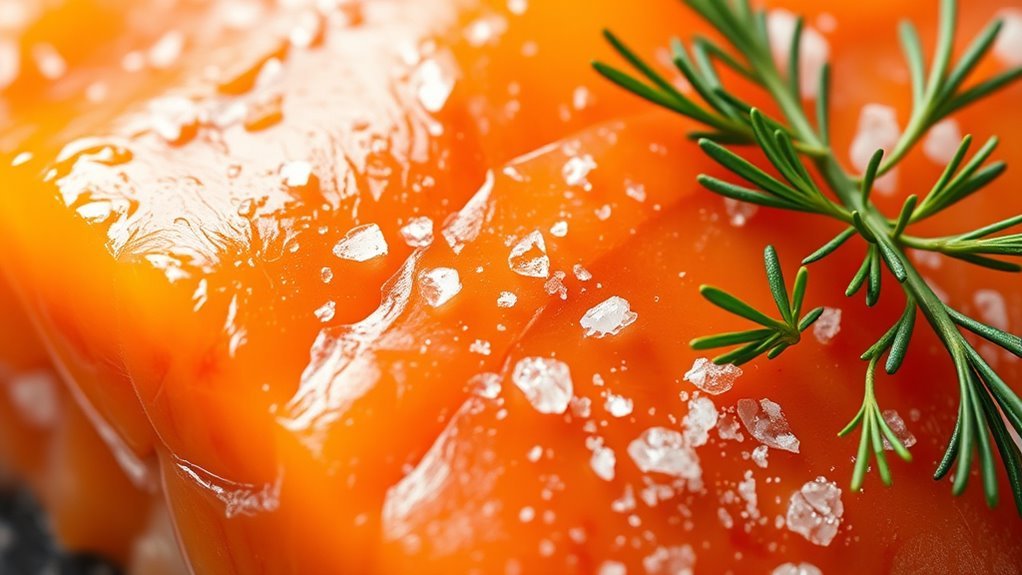
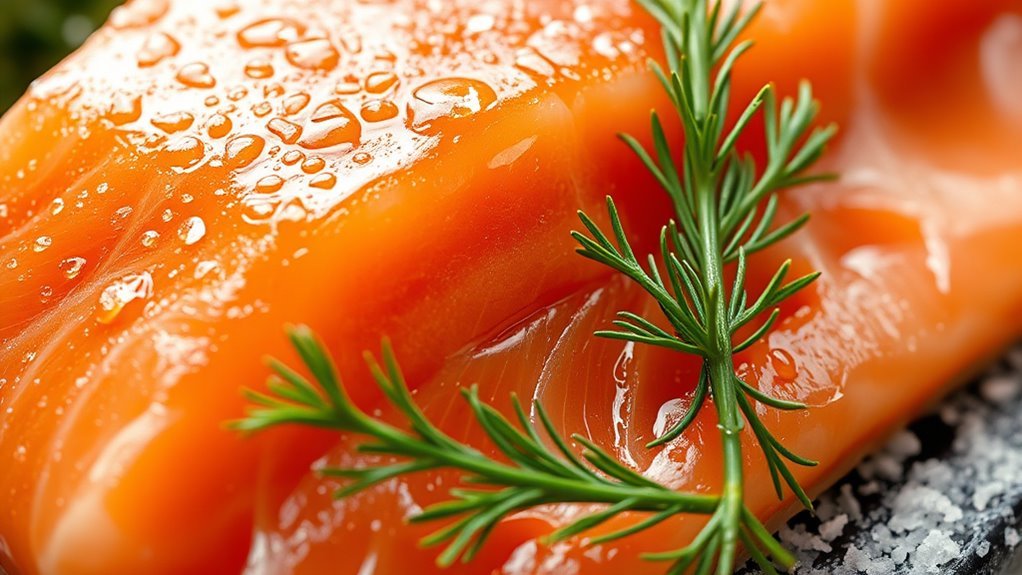
When you take a bite of Keta salmon, you’ll quickly notice its unique flavor that sets it apart from other salmon varieties. Its taste nuances, a delicate balance of richness and mildness, create a satisfying experience on your palate. The firm, yet tender texture complements its subtle sweetness, making it versatile for numerous dishes. You might find that seasonal variations influence its flavor; during spawning season, Keta salmon can exhibit a deeper, more pronounced taste due to its nutrient-rich diet. This adaptability not only highlights the salmon’s natural qualities but also invites you to explore culinary freedom. By savoring Keta salmon, you embrace a distinct flavor profile that celebrates the ocean’s bounty and the ever-changing seasons.
Comparison With Other Salmon Varieties
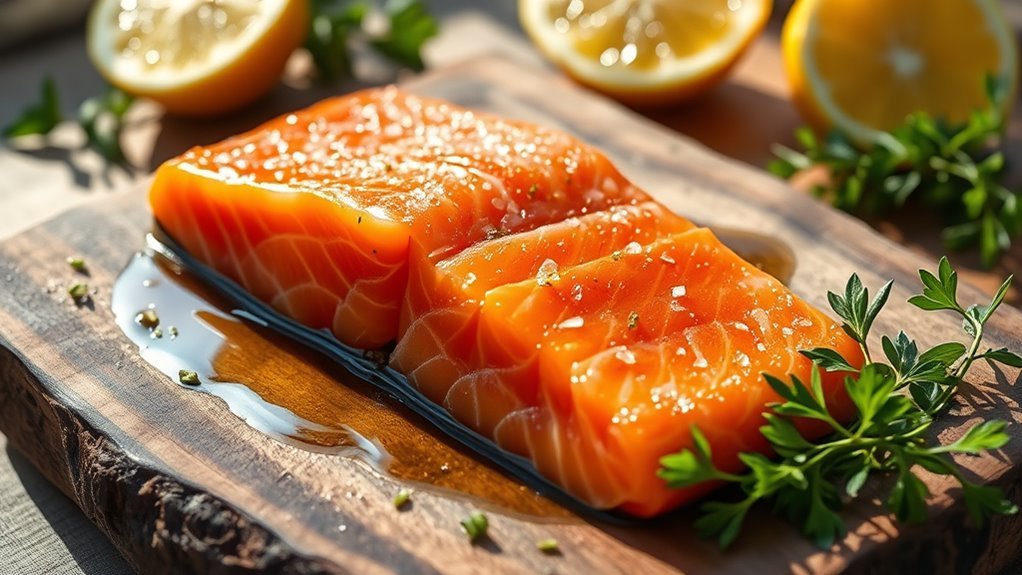
When you compare Keta salmon to other varieties, you’ll notice distinct differences in flavor and texture that can elevate your dishes. While Keta offers a milder taste and firmer texture, varieties like King salmon boast a rich, buttery flavor that’s hard to resist. Understanding these nuances can help you make more informed culinary choices that suit your palate and recipes.
Flavor Profile Differences
Although Keta salmon often gets overshadowed by its more popular relatives like King and Sockeye, its unique flavor profile sets it apart in the culinary world. You’ll find that Keta boasts a milder taste compared to its counterparts, making it versatile for various dishes. Its taste characteristics include a slightly sweet, buttery flavor, along with subtle aroma notes that hint at the ocean.
- Milder flavor than King and Sockeye
- Slightly sweet and buttery undertones
- Versatile for diverse cooking methods
- Complements a variety of seasonings and marinades
Embracing Keta salmon allows you to explore a different side of salmon, offering a delightful experience that celebrates its distinct qualities. Give it a try; you might just find your new favorite!
Texture Variations Explained
While many salmon enthusiasts focus on flavor, the texture of Keta salmon offers a unique aspect that deserves attention, especially when compared to other varieties. You’ll notice texture contrasts as Keta’s flesh is firmer yet flakier than the rich, buttery texture of King salmon. This firmness gives it a satisfying bite, creating mouthfeel variations that can be quite invigorating. Unlike the softer Sockeye, Keta’s texture holds up beautifully to grilling or smoking, making it versatile for various culinary adventures. As you explore Keta, you’ll appreciate how its texture can enhance your dining experience, adding an exciting dimension to the meal. Embrace the freedom to experiment with Keta salmon and discover its distinctive allure!
Culinary Uses Comparison
Since Keta salmon boasts a unique flavor profile and texture, it stands out in various culinary applications compared to other salmon varieties. If you’re looking to explore the versatility of Keta, you’ll find it particularly shines in:
- Smoked preparations: Its mild flavor pairs beautifully with various wood chips, enhancing the smokiness.
- Grilling techniques: The firm texture holds up well on the grill, allowing for perfect sear marks.
- Salads and bowls: Its subtle taste complements fresh ingredients without overpowering them.
- Casseroles: Keta’s rich, oily nature provides moisture and flavor to baked dishes.
Culinary Uses and Preparation Methods
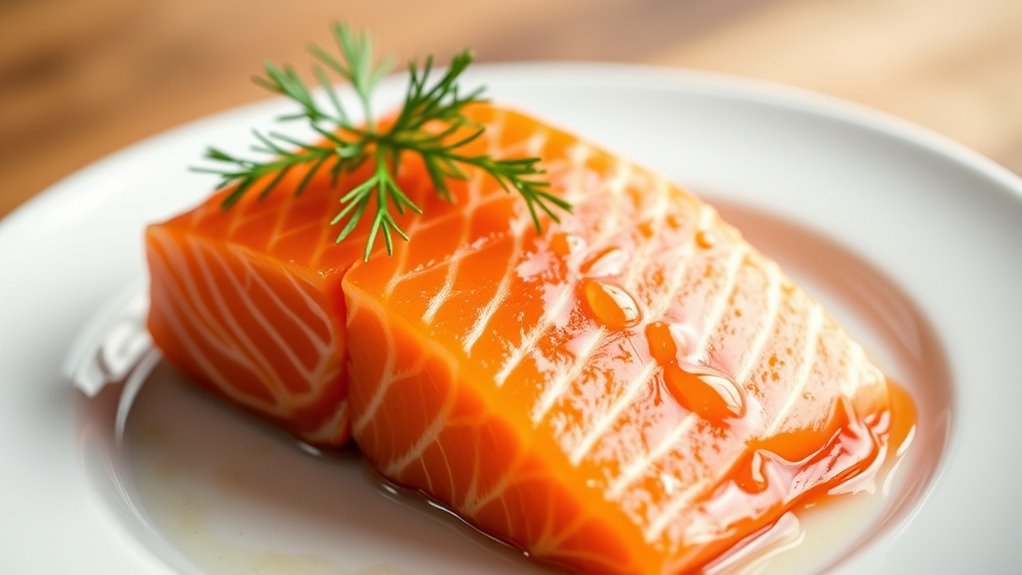
When you cook Keta salmon, you’ll find its mild flavor makes it incredibly versatile. Whether you grill, bake, or smoke it, each technique enhances its delicate taste while pairing beautifully with ingredients like citrus, herbs, or light sauces. Exploring these culinary methods can elevate your dining experience and showcase this unique fish to its fullest potential.
Cooking Techniques Overview
Keta salmon offers a versatile canvas for various cooking techniques, making it a favorite among culinary enthusiasts. You can truly elevate its natural flavor with the right methods. Here’s a quick overview of popular techniques:
- Sautéing techniques: Quick and efficient, sautéing allows you to achieve a delicious sear while preserving moisture.
- Grilling methods: The smoky char from the grill enhances the salmon’s rich taste, creating a mouthwatering experience.
- Baking: A gentle baking approach keeps the flesh tender and juicy, perfect for flavor infusions.
- Poaching: This method guarantees a delicate texture, allowing the fish to absorb subtle flavors from herbs or broth.
Explore these techniques, and let your creativity flow as you prepare your keta salmon dish. Enjoy the freedom of culinary expression!
Flavor Pairing Suggestions
Flavoring keta salmon can transform a simple meal into an extraordinary culinary experience. To elevate its rich, buttery taste, consider flavor combinations that harmonize beautifully. Lemon and dill are classic partners, brightening the fish while enhancing its natural flavors. If you’re feeling adventurous, try ingredient pairings like miso and ginger for a savory twist, or a spicy mango salsa to add a burst of sweetness. For a more earthy touch, roasted garlic and herbs de Provence work wonders. Remember, the key is balance; you want to complement, not overpower, keta salmon’s delicate profile. Embrace these pairings, and you’ll discover a world of flavors that celebrate your freedom to create delicious, memorable meals.
Nutritional Benefits of Keta Salmon
While you might be drawn to Keta salmon for its mild taste and versatility in dishes, the nutritional benefits it offers are equally compelling. This fish boasts a remarkable nutrient profile that supports a healthy lifestyle and enhances your meals. You’ll find that Keta salmon is not just delicious but also packed with health benefits.
- Rich in omega-3 fatty acids, promoting heart health
- High in protein, aiding muscle growth and repair
- Contains essential vitamins and minerals, like B12 and selenium
- Low in calories, making it a great option for weight management
Incorporating Keta salmon into your diet can elevate your meals while nourishing your body, giving you the freedom to enjoy delicious, wholesome food.
Popular Recipes Featuring Keta Salmon
If you’re looking to elevate your meals, Keta salmon offers a canvas for a variety of delicious recipes that showcase its mild flavor and flaky texture. You can explore different keta recipes, from grilled fillets drizzled with lemon butter to savory keta dishes like salmon poke bowls. Each recipe enhances Keta salmon’s natural taste while allowing your creativity to shine.
| Recipe Name | Key Ingredients | Cooking Method |
|---|---|---|
| Lemon Butter Keta | Keta salmon, lemon, butter | Grilled |
| Keta Poke Bowl | Keta salmon, avocado, rice | Raw/assembled |
| Keta Teriyaki | Keta salmon, soy sauce, ginger | Baked or grilled |
Try these keta dishes and savor the freedom of flavors!
Tips for Selecting and Storing Keta Salmon
When it comes to enjoying Keta salmon, selecting and storing it properly can make all the difference in your culinary experience. To guarantee you’re savoring the best, keep these freshness indicators and storage tips in mind:
- Look for vibrant, moist flesh with a bright color.
- Avoid fish with a strong, fishy odor; fresh Keta should have a mild scent.
- Store Keta salmon in the coldest part of your refrigerator and consume it within 1-2 days for peak flavor.
- For longer storage, freeze it in an airtight container, ideally vacuum-sealed.
Frequently Asked Questions
Is Keta Salmon Wild-Caught or Farmed?
Keta salmon can be both wild-caught and farmed. While wild-caught options offer a taste of nature’s bounty, sustainability concerns often arise with fishing methods used. When you choose wild-caught keta, you’re supporting healthier ecosystems. However, farmed keta salmon can provide a more consistent supply. It’s essential to reflect on the impact of your choices on the environment, as responsible sourcing can lead to a more sustainable future for both you and our oceans.
How Does Keta Salmon Compare in Price to Other Salmon?
Keta salmon pricing typically sits slightly lower than its more coveted cousins like King or Sockeye. If you’re seeking sustainable seafood options, Keta salmon availability makes it a smart, budget-friendly choice. While it may lack the rich richness of others, its milder flavor allows for versatile culinary creations. So, if you’re looking for delicious yet accessible seafood, Keta salmon offers a fantastic freedom of flavors without breaking the bank.
What Are Common Pairings for Keta Salmon?
Keta salmon pairs beautifully with a variety of ingredients. Think citrus, like lemon or orange, which brightens its milder flavor profile. You can also try it with herbs like dill or parsley, enhancing its natural essence. For cooking methods, grilling or baking works wonders, and don’t forget a splash of soy sauce or a hint of garlic to elevate the dish. These combinations allow you to explore freedom in your culinary creations.
Can Keta Salmon Be Eaten Raw?
Yes, you can eat Keta salmon raw if it’s sushi grade. When opting for raw preparation, make certain it’s sourced from a reputable supplier who guarantees its freshness and quality. The rich, buttery texture of Keta salmon enhances its appeal in sushi or sashimi dishes, offering a delicious experience. Just remember, enjoying it raw means prioritizing food safety, so always check for proper handling and storage practices to savor this delightful fish worry-free.
How Long Does Keta Salmon Last in the Freezer?
Keta salmon can last in the freezer for about six months when stored properly. For ideal salmon preservation, wrap it tightly in plastic wrap or aluminum foil, then place it in an airtight container or freezer bag. This prevents freezer burn, ensuring you enjoy its flavor later. If you’re seeking freedom from waste, remember to label and date your packages, making it easy to keep track of what you’ve got stashed away.
Frequently Asked Questions about Keta Salmon Taste
1. How would you describe the taste of Keta salmon?
Keta salmon, also known as chum salmon, has a milder flavor compared to other types of salmon like King or Sockeye. Its taste is often described as slightly sweet and less oily, making it a versatile option for various culinary applications. The texture is firm and somewhat flaky, which adds to its appeal in dishes such as salads and fish tacos.
2. How does the taste of Keta salmon compare to other types of salmon?
Compared to other salmon varieties, Keta salmon has a more delicate flavor profile. For instance, King salmon is richer and has a buttery texture, while Sockeye salmon is known for its robust, deep flavor. Keta’s milder taste makes it a great option for those who prefer a less intense seafood experience, or for recipes that require a more subtle fish flavor.
3. What is the texture of Keta salmon like?
Keta salmon has a firm and flaky texture. When cooked, it holds its shape well, making it suitable for grilling, baking, or broiling. The flesh is lighter in color compared to other salmon types, and its firmness allows it to be easily sliced into steaks or fillets without falling apart. This texture is particularly appealing in dishes where presentation is important.
4. Is Keta salmon a good choice for grilling?
Yes, Keta salmon is an excellent choice for grilling. Its firm texture allows it to withstand high heat without falling apart, and its mild flavor can be enhanced with marinades or seasonings. Grilling brings out the natural sweetness of the fish and creates a wonderful smoky flavor, making it a popular choice for summer barbecues and outdoor cooking.
5. How can I prepare Keta salmon to highlight its taste?
To best highlight the taste of Keta salmon, consider simple cooking methods that allow the fish’s natural flavor to shine through. Baking or grilling it with a drizzle of olive oil, a sprinkle of salt, and a squeeze of lemon can enhance its mild sweetness. Additionally, incorporating fresh herbs or aromatic spices can complement its flavor without overpowering it. Avoid heavy sauces that might mask the fish’s delicate taste.
References
- https://www.wildalaskancompany.com/blogs/recipes/what-does-keta-salmon-taste-like
- https://www.fs.fed.us/wildflowers/ethics/seafood/keta_salmon.shtml
- https://www.seafoodwatch.org/ocean-issues/fisheries/keta-salmon
- https://www.sustainablefishery.com/keta-salmon-taste-and-cooking-guide
- https://www.ncbi.nlm.nih.gov/pmc/articles/PMC6760662/
- https://www.wildlife.ca.gov/Conservation/Marine/Keta-Salmon
- https://www.google.com/search?q=what+does+keta+salmon+taste+like&source=lnms&tbm=nws