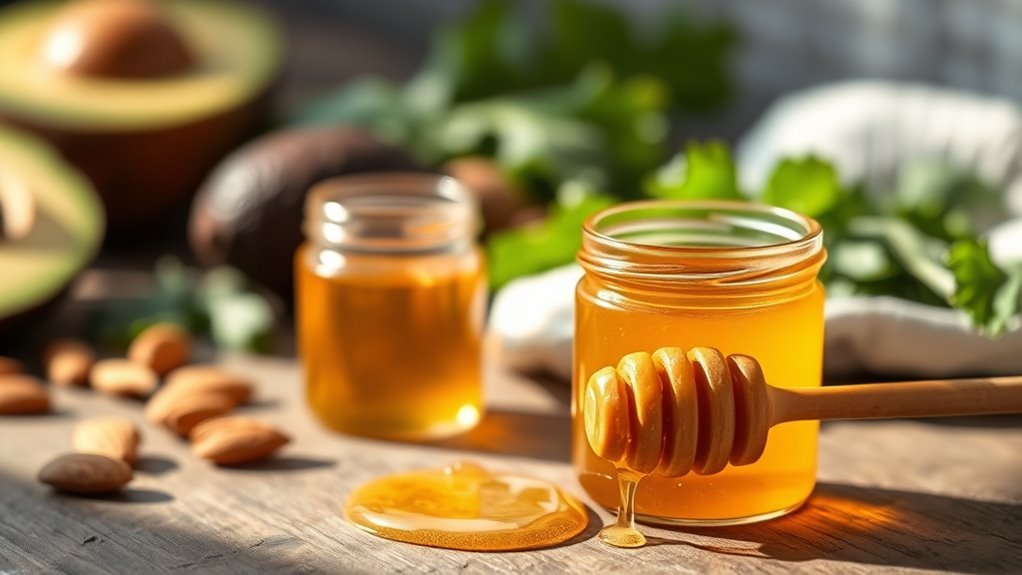

Honey isn’t typically considered keto-approved due to its high carbohydrate content, which can disrupt ketosis if consumed in excess. A small amount may provide quick energy, but even small servings can impact your carb count considerably. If you’re following a strict low-carb lifestyle, it’s essential to be mindful of its intake and explore alternatives like stevia or erythritol. Understanding how to effectively incorporate sweeteners can help you maintain your keto goals while enjoying a bit of sweetness.
Nutritional Profile of Honey
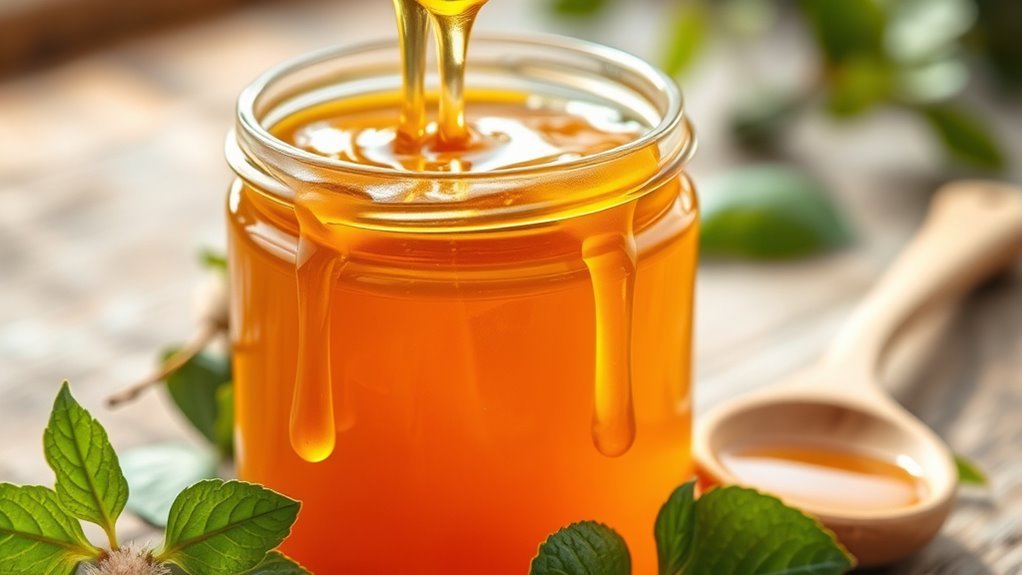
When you look at the nutritional profile of honey, it’s clear that this sweet substance packs a punch regarding energy. Honey’s composition primarily consists of simple sugars, mainly fructose and glucose, making it a quick energy source. These sugar types are easily absorbed by your body, providing an instant boost. Additionally, honey contains small amounts of vitamins, minerals, and antioxidants, which contribute to its overall health benefits. While it may be tempting to add honey to your diet for its natural sweetness, it’s important to evaluate its carbohydrate content. Balancing your intake is vital if you’re aiming for a low-carb lifestyle. Ultimately, understanding honey’s nutritional profile helps you make informed choices aligned with your dietary freedom.
The Impact of Carbohydrates on Ketosis
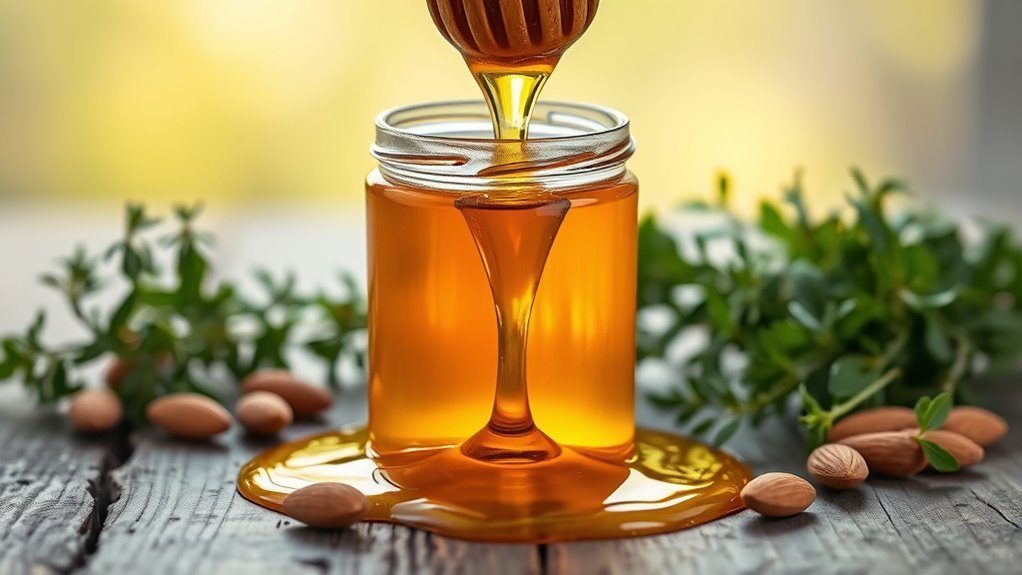
Although carbohydrates are a primary source of energy for the body, their impact on ketosis can be significant, especially for those following a ketogenic diet. The ketosis process relies on reducing carbohydrate intake to shift your body into fat-burning mode. To achieve this, you’ll need to adhere to strict carbohydrate limits, typically around 20 to 50 grams per day. Exceeding these limits can kick you out of ketosis, making it harder to reap the benefits of fat adaptation. It’s essential to choose your carbs wisely, focusing on low-carb vegetables and avoiding sugars, including honey, if you’re serious about maintaining ketosis. Understanding how carbs affect your body empowers you to make informed choices and stay committed to your keto journey.
Health Benefits of Honey

Honey, often regarded as a natural sweetener, boasts several health benefits that can complement a balanced diet. It’s rich in antioxidants, which can help reduce inflammation and protect your body from oxidative stress. Additionally, honey has antibacterial properties, making it effective in wound healing and aiding digestive health. Its soothing effects on sore throats are well-known, providing relief and promoting healing. Moreover, honey can serve as a quick energy boost, thanks to its natural sugars. While it’s important to consume it in moderation, incorporating honey into your diet in place of refined sugars can enhance your overall health. Just remember, the key is balance, so enjoy the health benefits without overindulging.
Alternatives to Honey in a Keto Diet
If you’re following a keto diet, you might be looking for sweet alternatives to honey that won’t disrupt your low-carb lifestyle. Fortunately, there are several sugar substitutes and low carb sweeteners you can enjoy without guilt. Here are some popular options:
| Sweetener | Carbs per Serving |
|---|---|
| Stevia | 0 |
| Erythritol | 0 |
| Monk Fruit | 0 |
| Allulose | 0.4 |
These alternatives provide sweetness without the high sugar content, making them perfect for your keto journey. They’re versatile and can be used in baking or beverages, allowing you to maintain your sweet tooth while staying in ketosis. Enjoy experimenting with these options!
How to Incorporate Honey Mindfully on Keto
While many keto followers turn to sugar substitutes for sweetness, incorporating honey into your diet can be done mindfully with some careful planning. To do this, start by measuring your honey usage, keeping portions small—think about a teaspoon or two. This way, you can enjoy the rich flavor without overwhelming your daily carb limit. Pair honey with high-fat foods like Greek yogurt or cheese to enhance satisfaction and slow sugar absorption. Always be aware of how your body responds, adjusting as necessary. Mindful consumption is key; consider the context of your meals and your overall dietary goals. Remember, integrating honey isn’t about deprivation but about balance, allowing you to savor sweetness while staying true to your keto lifestyle.
Frequently Asked Questions
Can I Use Honey in My Coffee on a Keto Diet?
You can’t really use honey in your coffee if you’re sticking to a strict keto diet, as it’s high in carbs. While it adds a pleasant sweetness, consider honey alternatives like stevia or erythritol, which won’t disrupt your ketosis. These options can still give your coffee that sweet touch without the carbs. Remember, enjoying your coffee shouldn’t mean sacrificing your goals; finding the right balance is key to your freedom on keto.
How Does Honey Affect Blood Sugar Levels?
Honey can raise your blood sugar levels due to its glycemic index, which typically ranges from 45 to 64, depending on the type. When you consume honey, it can lead to a spike in blood glucose, albeit less dramatic than table sugar. If you’re monitoring blood sugar for health reasons, it’s essential to reflect on this impact. Moderation is key, as you want to enjoy freedom in your diet while being mindful of your body’s responses.
Is Raw Honey Better Than Processed Honey for Keto?
You might think raw honey’s the clear winner over processed honey, but it’s not that simple. While raw honey’s benefits include higher antioxidant levels and natural enzymes, processed honey often has added sugars and fewer nutrients. In a keto context, both can spike blood sugar, so moderation’s key. If you’re considering sweeteners, balance your choices by looking at their glycemic impact and staying mindful of your overall carb intake.
Are There Any Keto-Friendly Recipes That Use Honey?
You’ll find that traditional recipes don’t often include honey, but you can explore keto-friendly alternatives! Try using sugar-free syrups or erythritol-based sweeteners in your desserts. For a sweet treat, whip up keto cheesecake using those alternatives—it’s delicious and satisfying. Experimenting with these honey alternatives allows you to enjoy sweet flavors without compromising your keto goals. So, get creative and indulge in tasty keto desserts without the guilt!
How Much Honey Can I Consume on a Keto Diet?
On a keto diet, it’s best to limit honey due to its high sugar content. If you’re craving sweetness, consider honey alternatives like erythritol or stevia. You can enjoy keto snacks that use these substitutes, keeping your carb intake low. Generally, aiming for less than 20 grams of net carbs daily helps maintain ketosis. So, while a tiny amount of honey might fit occasionally, it’s wise to choose alternatives for more flexibility.
Frequently Asked Questions about Honey and the Keto Diet
1. Is honey considered keto-friendly?
Honey is not generally considered keto-friendly due to its high carbohydrate content. While it is a natural sweetener, one tablespoon of honey contains approximately 17 grams of carbohydrates, which can quickly exceed the daily carb limit for individuals on a ketogenic diet. Therefore, it’s best to limit or avoid honey if you are strictly following a keto regimen.
2. Are there any benefits to using honey on a keto diet?
While honey is not keto-approved, it does offer some health benefits. It contains antioxidants and has antimicrobial properties. Some individuals on a more flexible ketogenic diet may incorporate small amounts of honey for flavor and potential health benefits, but it’s essential to monitor your carbohydrate intake to stay within keto guidelines.
3. What are some keto-friendly alternatives to honey?
There are several keto-friendly alternatives to honey, including erythritol, stevia, monk fruit sweetener, and allulose. These sweeteners provide sweetness without significantly impacting your carbohydrate intake, making them suitable for a ketogenic diet. Always check the nutritional labels to ensure they fit within your dietary needs.
4. Can I use honey in moderation on a keto diet?
Some individuals choose to use honey in moderation, particularly if they are not strictly adhering to a ketogenic diet. If you decide to include honey, it’s crucial to measure your portions carefully and account for the carbohydrates in your daily intake. This approach may work for some, but it is advisable to prioritize low-carb sweeteners to stay in ketosis.
5. How does honey affect ketosis?
Honey can disrupt ketosis due to its high sugar content, leading to an increase in blood glucose levels. This spike can signal your body to switch from fat-burning (ketosis) back to glucose utilization. If maintaining ketosis is your goal, it’s best to avoid honey and choose low-carb alternatives instead.
References
- https://www.healthline.com/nutrition/honey-and-keto
- https://www.ncbi.nlm.nih.gov/pmc/articles/PMC3611628/
- https://www.medicalnewstoday.com/articles/323067
- https://www.webmd.com/diet/obesity/honey-keto-friendly
- https://www.verywellfit.com/honey-keto-diet-5190577
- https://www.dietdoctor.com/low-carb/honey