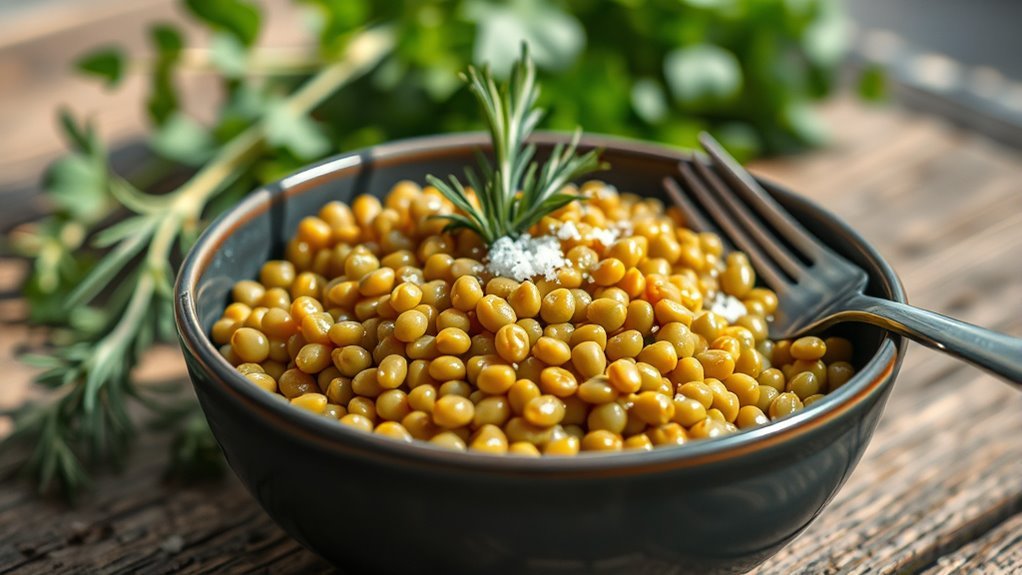

Lentils aren’t typically considered keto-friendly due to their higher carbohydrate content, with about 20 grams per serving. This can exceed the daily carb limits of a strict ketogenic diet, which recommends staying below 20-50 grams. However, lentils offer beneficial protein and fiber, enhancing digestion and satiety. If you’re looking for alternatives to maintain a low-carb lifestyle, there are other options like black soybeans or edamame that might better align with your goals. There’s more to explore on this topic.
Nutritional Profile of Lentils
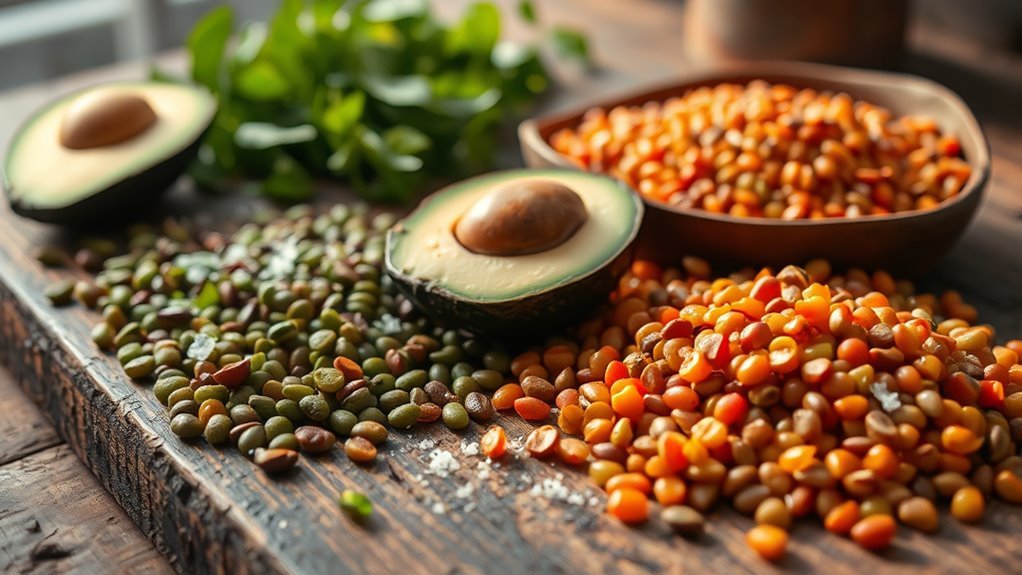
When it comes to understanding the nutritional profile of lentils, it’s essential to recognize their impressive balance of macronutrients and micronutrients. Lentils, available in various lentil varieties like green, red, and black, are rich in protein and fiber, making them a fantastic choice for plant-based diets. Each serving is packed with vitamins and minerals, including iron, folate, and magnesium, which can support your overall well-being. You can easily incorporate lentils into your meals through diverse lentil recipes, from hearty soups to invigorating salads. Their versatility allows you to enjoy them in creative ways while maintaining a balanced diet. Embracing lentils not only nourishes your body but also offers freedom in meal preparation.
Carbohydrate Content and Keto Guidelines
While lentils are a nutritious food choice, their carbohydrate content poses challenges for those following a ketogenic diet. Typically, a serving of lentils contains about 20 grams of carbs, which can quickly add up and exceed your daily limit if you’re strict about carbohydrate counting. Keto guidelines recommend staying under 20-50 grams of carbs daily, making it tricky to fit lentils into your meal plan without sacrificing other foods. If you’re committed to a low-carb lifestyle, you’ll need to carefully consider portion sizes and perhaps prioritize lower-carb vegetables instead. Ultimately, it’s all about finding a balance that suits your dietary goals while allowing you the freedom to enjoy your meals.
Protein and Fiber Benefits of Lentils
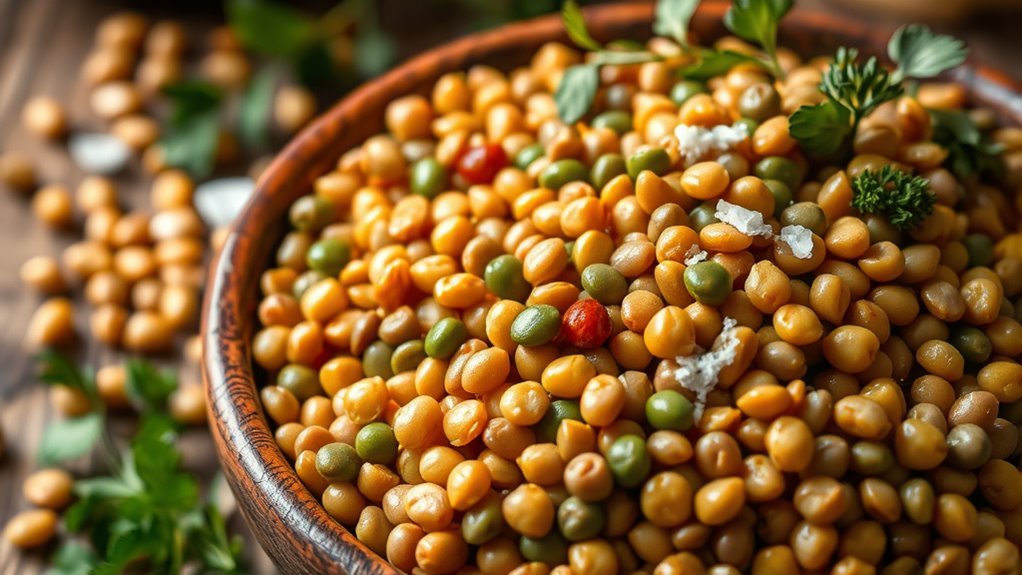
Despite their higher carbohydrate content, lentils offer significant protein and fiber benefits that can be advantageous for many diets. They’re an excellent source of plant-based protein, making them a valuable addition for those looking to diversify their protein sources. Plus, their high fiber content can enhance your fiber intake, promoting digestive health and keeping you feeling full longer.
| Nutrient | Amount per 100g |
|---|---|
| Protein | 9g |
| Dietary Fiber | 8g |
| Carbohydrates | 20g |
Including lentils in your meals can help balance your macronutrient profile while providing essential vitamins and minerals. So, if you’re seeking nutritious options, lentils may fit perfectly into your dietary goals.
How Lentils Affect Ketosis
Although lentils are packed with nutrients, their carbohydrate content can pose challenges for those aiming to maintain a state of ketosis. If you’re following a ketogenic diet, it’s essential to be mindful of how lentils can impact your ability to stay in ketosis. Here are some key points to reflect on:
- Lentils contain about 20 grams of carbs per cup, which can hinder ketosis.
- They offer plant-based protein but may not align with strict keto macros.
- Fiber content can aid digestion but doesn’t offset carb intake.
- Portion control is vital if you decide to include lentils in your meals.
Ultimately, understanding how lentils affect ketosis can help you make informed choices that align with your health goals while enjoying the benefits of a varied diet.
Alternatives to Lentils on a Keto Diet
If you’re looking for lentil alternatives on a keto diet, there are several low-carb legume substitutes worth considering. Options like black soybeans and edamame can provide similar textures and protein without the excess carbs. Additionally, incorporating high-fiber vegetables such as spinach or cauliflower can help you maintain your fiber intake while staying within your carb limits.
Low-Carb Legume Substitutes
When you’re following a keto diet, finding suitable substitutes for higher-carb foods like lentils can be essential for maintaining your macronutrient goals. While lentils boast nutritional benefits, there are low-carb legume varieties you can incorporate into your keto recipes. Here are some great alternatives:
- Black soybeans: Extremely low in carbs and high in fiber.
- Edamame: Young soybeans that are rich in protein and low in carbs.
- Green peas: While slightly higher in carbs, they can fit into your diet in moderation.
- Chickpeas (in small portions): They offer some protein but should be consumed sparingly.
These options can help you enjoy the texture and taste of legumes without derailing your keto journey.
High-Fiber Vegetable Options
While legumes like lentils can be nutritious, they don’t always fit into a keto lifestyle due to their higher carbohydrate content. Fortunately, there are plenty of high-fiber vegetable options that can keep your meals satisfying while aligning with your keto goals. Consider incorporating spinach, kale, and broccoli into your diet; these vegetable sources are not only low in carbs but also pack a punch of essential nutrients. The high fiber benefits of these veggies can promote digestive health and keep you feeling full longer. Other options like cauliflower and zucchini can also serve as great substitutes in recipes. Embracing these alternatives gives you the freedom to enjoy a diverse range of flavors while staying true to your keto commitment.
Incorporating Lentils Into a Low-Carb Lifestyle
Although lentils are often celebrated for their nutritional benefits, incorporating them into a low-carb lifestyle can be challenging due to their higher carbohydrate content. However, you can still enjoy lentils while maintaining your keto meal plan by focusing on moderation and creativity. Here are some tips to help you include lentils in your diet:
- Use lentils as a base for salads, combining them with low-carb vegetables.
- Pair lentils with high-protein foods, like grilled chicken or fish, to balance your meal.
- Opt for smaller portions of lentils in your recipes to control carb intake.
- Explore lentil recipes that incorporate spices and herbs, enhancing flavor without adding carbs.
With these strategies, you can enjoy the benefits of lentils without straying from your low-carb goals.
Frequently Asked Questions
Can Lentils Be Eaten During Intermittent Fasting?
Yes, you can eat lentils during intermittent fasting if you choose to break your fast with them. Lentils offer numerous benefits, like being rich in protein and fiber, which can help keep you full longer. Just remember that consuming them during your eating window is key. Balance is important, so enjoy lentils in moderation alongside other nutrient-dense foods to make the most of your intermittent fasting experience while still feeling free.
Are Lentils Gluten-Free?
Yes, lentils are gluten-free! If you’re looking to incorporate them into your diet, you’ll find that lentil nutrition offers a great source of protein, fiber, and essential nutrients. You can enjoy a variety of lentil recipes, like soups or salads, without worrying about gluten. This makes lentils an excellent choice for those with gluten sensitivities or celiac disease, allowing you to explore delicious, nutritious meals without restrictions. Enjoy experimenting in the kitchen!
How Should Lentils Be Stored?
To store lentils properly, you should keep them in an airtight container, like a glass jar or a resealable plastic bag. Make sure they’re in a cool, dark place, away from moisture and heat. This helps maintain their freshness and prevents spoilage. If you’ve cooked lentils, refrigerate them in a proper container and consume them within a week. For longer storage, consider freezing them in portioned containers for easy access later.
Can Lentils Cause Digestive Issues?
Lentils can be a double-edged sword for your digestive system. With their high fiber content, they’re like a friendly wave, promoting gut health, yet they can also stir up some trouble. If you’re not used to a fiber-rich diet, lentil digestion might cause bloating or gas. To enjoy their benefits without the discomfort, start slow and gradually increase your intake. Your gut will thank you for the journey!
What Are Lentil Cooking Methods?
You can cook lentils using various methods, with boiling and sautéing being popular choices. To boil lentils, simply add them to water and cook until tender, usually around 15-20 minutes. For sautéing, heat some oil in a pan, add cooked or soaked lentils, and stir-fry them with spices or vegetables for added flavor. Both methods are quick and retain lentils’ nutritional benefits, allowing you to enjoy a versatile ingredient in your meals.
1. Are lentils considered keto-friendly?
Lentils are generally not considered keto-friendly due to their relatively high carbohydrate content. A typical serving of cooked lentils contains around 20 grams of carbohydrates per cup, which can take up a significant portion of the daily carb allowance on a ketogenic diet, typically limited to 20-50 grams of carbs per day. Therefore, while lentils are a nutritious food, they may not fit well into a strict keto diet.
2. What are the nutritional benefits of lentils?
Lentils are a great source of protein, fiber, vitamins, and minerals. They are high in iron, folate, and magnesium, making them beneficial for overall health. The high fiber content can aid digestion and help maintain stable blood sugar levels. While they are not suitable for a strict keto diet, they can be a healthy addition to a balanced diet for those looking for plant-based protein sources.
3. Can I include lentils in a modified keto diet?
If you are following a modified keto diet that allows for a higher carbohydrate intake, you might be able to include small amounts of lentils. Some people may follow a more liberal low-carb diet rather than a strict keto diet, which can allow for moderate servings of lentils. It’s important to track your carbohydrate intake and see how your body responds if you choose to include them.
4. What are some keto-friendly alternatives to lentils?
For those on a keto diet looking for alternatives to lentils, consider options such as cauliflower, zucchini, or mushrooms. These vegetables can be used to create similar textures in dishes like soups or stews without the high carb count associated with lentils. Additionally, nuts and seeds can provide protein and fiber without exceeding your carb limits.
5. How can I incorporate lentils into a low-carb diet?
If you are on a low-carb diet rather than a strict keto diet, you can incorporate lentils by using them in moderation. Consider adding a small serving of lentils to salads, soups, or as a side dish, while balancing your overall carbohydrate intake throughout the day. Pairing lentils with low-carb vegetables and high-fat ingredients can help maintain a lower carbohydrate profile for your meals.
References
- https://www.healthline.com/nutrition/keto-diet-foods#keto-foods
- https://www.webmd.com/diet/obesity/lentils-nutrition-facts
- https://www.ncbi.nlm.nih.gov/pmc/articles/PMC4737492/
- https://www.lifesum.com/food/lentils
- https://www.bbcgoodfood.com/howto/guide/what-are-lentils
- https://www.eatright.org/health/wellness/healthy-aging/lentils-nutrition-benefits-and-uses
- https://www.cdc.gov/nutrition/foodbasics/vegetables.html
- https://www.hsph.harvard.edu/nutritionsource/what-should-you-eat/vegetables/