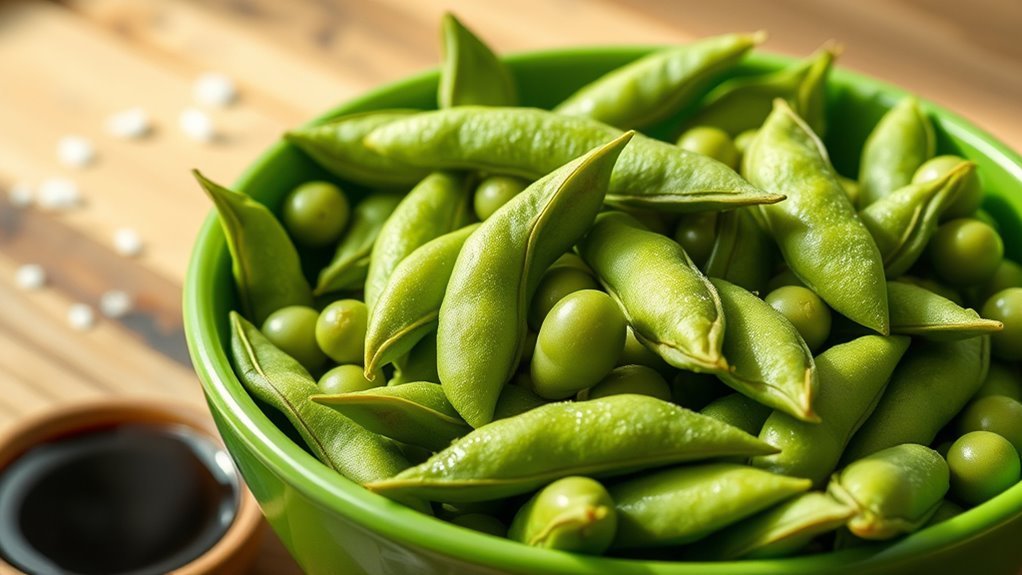

Yes, edamame is keto-safe when consumed in moderation. It’s low in net carbs, offering about 4 grams per serving after fiber is accounted for. Plus, it’s high in protein and contains essential vitamins and minerals. Just be mindful of portion sizes to stay within your carb limits. Edamame can be a satisfying and nutritious alternative to typical snacks. To learn how to incorporate this versatile food into your meals, keep exploring your options.
Understanding the Ketogenic Diet
While many people turn to the ketogenic diet for weight loss and health benefits, it’s vital to understand its core principles before diving in. At its heart, the keto principles focus on drastically reducing carbohydrate intake and replacing it with fats, aiming to put your body into a state of ketosis. This metabolic state allows your body to burn fat for fuel instead of carbs. Following diet guidelines is essential; you should prioritize healthy fats, moderate protein, and minimal carbs. It’s also important to listen to your body and adjust accordingly, as everyone’s response to keto can vary. Embracing this flexibility allows you to navigate the diet while maintaining your freedom and lifestyle choices.
Nutritional Profile of Edamame
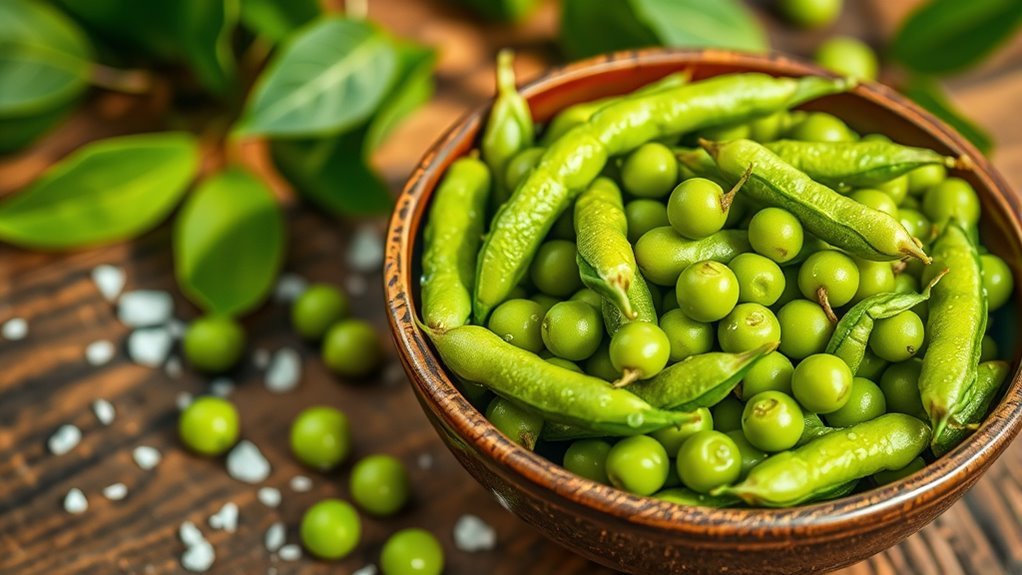
Edamame, the young green soybeans often enjoyed as a snack or appetizer, boast a unique nutritional profile that can be appealing for those on various diets, including keto. These little powerhouses are rich in protein, fiber, and essential vitamins and minerals. A serving typically contains about 11 grams of protein and 8 grams of fiber, which can help keep you feeling full and satisfied. Plus, they offer numerous health benefits, such as supporting heart health and providing antioxidants. You can incorporate edamame into your meals through various edamame recipes, like salads or stir-fries, making it easy to enjoy them in different ways. Overall, edamame can be a delicious and nutritious addition to your diet.
Carbohydrate Content Breakdown
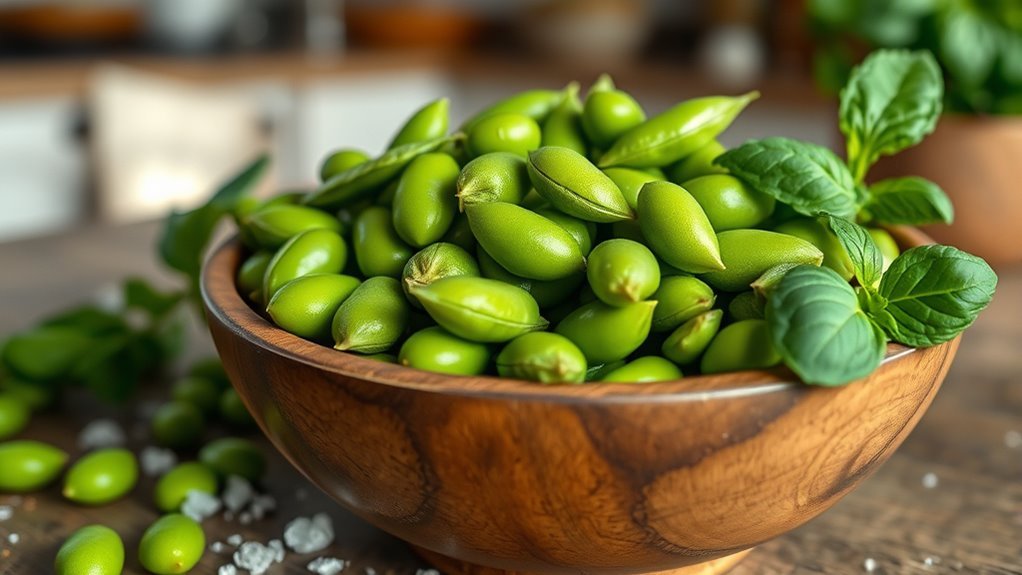
When considering edamame on a keto diet, it’s crucial to examine its carbohydrate content. A standard serving contains around 8 grams of total carbs, but you’ll need to factor in fiber, which can lower the net carb count. Additionally, portion size plays a significant role in how edamame fits into your daily carb limits.
Edamame’s Carb Count
Understanding the carbohydrate content of edamame is essential for anyone following a ketogenic diet. A half-cup serving of shelled edamame contains about 9 grams of carbohydrates, making it a moderate option for keto snacking. Among these carbs, roughly 4 grams are dietary fiber, which can lower the net carb count, a key factor for keto dieters. Edamame benefits include being a good source of plant-based protein and healthy fats, which can help you feel satisfied while maintaining your carb limits. When incorporating edamame into your meals, it’s vital to keep portion sizes in mind to stay within your daily carb allowance. With mindful snacking, you can enjoy edamame while adhering to your ketogenic lifestyle.
Fiber vs. Net Carbs
While many people focus solely on total carbohydrate content, it’s crucial to take into account the role of fiber in calculating net carbs, especially for those on a ketogenic diet. Fiber sources, like edamame, contribute to your daily intake but don’t raise blood sugar levels. When you’re doing net carb calculations, subtract the fiber content from the total carbs. This gives you a clearer picture of what’s impacting your ketosis. For instance, if edamame has 8 grams of carbs and 4 grams of fiber, you’re only dealing with 4 grams of net carbs. Understanding this distinction allows you to enjoy nutritious foods while staying within your carb limits, ensuring you maintain that sense of freedom in your dietary choices.
Portion Size Impact
Portion size plays an essential role in determining the carbohydrate content of edamame, especially for those adhering to a ketogenic diet. Understanding the right serving suggestion can help you enjoy this nutritious snack without exceeding your carb limits. Here’s a quick breakdown:
- 1/2 cup of cooked edamame: Approximately 4 grams of net carbs.
- 1 cup of cooked edamame: About 8 grams of net carbs.
- 2/3 cup of shelled edamame: Roughly 5 grams of net carbs.
Being mindful of portion size is vital. While edamame offers healthy protein and fiber, overindulging can disrupt your keto goals. Stick to smaller servings for a satisfying snack that aligns with your dietary freedom.
Protein and Fiber Benefits
Edamame, those vibrant green soybeans, pack a powerful punch when it comes to protein and fiber. As a keto-friendly snack, they’re an excellent protein source and contribute greatly to your daily fiber content. This combination not only supports muscle maintenance but also aids digestion, keeping you feeling full longer.
| Nutrient | Amount per 100g |
|---|---|
| Protein | 11g |
| Fiber | 5g |
| Carbohydrates | 9g |
| Calories | 121 |
With their impressive nutritional profile, edamame can be a satisfying addition to your meals. Enjoy them as a side dish or a snack, and experience the benefits of these nutrient-dense soybeans while staying true to your keto lifestyle.
Vitamins and Minerals in Edamame
Packed with protein and fiber, edamame also offers a range of vitamins and minerals that can enhance your overall health. These edamame vitamins and mineral benefits make it a great addition to your diet. Here are three key nutrients found in edamame:
- Folate: Essential for cell division and healthy growth, making it especially important for pregnant women.
- Vitamin K: Supports bone health and plays a role in blood clotting.
- Iron: Vital for transporting oxygen in your blood and preventing anemia.
Including edamame in your meals not only boosts your nutrient intake but also gives you a tasty, satisfying snack. So, if you’re looking for a nutrient-rich food, edamame might just be the answer.
Edamame’s Role in a Low-Carb Diet
When considering edamame in a low-carb diet, it’s important to look at its nutritional profile and carb count. While edamame provides essential nutrients, you’ll want to be mindful of portion sizes to stay within your carb limits. Understanding these factors can help you make informed choices that align with your dietary goals.
Nutritional Profile Overview
Incorporating edamame into a low-carb diet can be a smart choice for those looking to maintain a healthy lifestyle while managing their carbohydrate intake. Here are three key edamame benefits that make it a great option for keto alternatives:
- Rich in Protein: Edamame provides a solid protein source, helping you feel full and satisfied.
- Packed with Fiber: The fiber content aids digestion and promotes a healthy gut, which is vital for any diet.
- Vitamins and Minerals: Edamame is loaded with essential nutrients like vitamin K and folate, supporting overall health.
Carb Count Analysis
Understanding the carb content of edamame is essential for anyone following a low-carb diet. Edamame contains about 8 grams of carbohydrates per 100 grams, but it also offers 4 grams of dietary fiber, which effectively lowers the net carb count to around 4 grams. This makes edamame a suitable option for keto-friendly snacks, allowing you to enjoy its nutritional benefits without compromising your carb limits. You can incorporate edamame into various edamame recipes, such as salads and stir-fries, adding flavor and texture while keeping your carb intake in check. It’s a versatile ingredient that supports your low-carb lifestyle, providing protein and essential nutrients, enhancing your meals without sacrificing your dietary goals.
Portion Control Guidelines
Maintaining portion control is key to enjoying edamame while adhering to a low-carb diet. To make the most of this nutritious snack, consider these serving suggestions:
- Snack Size: Aim for a serving of ½ cup of shelled edamame, which contains about 7 grams of carbs.
- Meal Planning: Include edamame as a side in a mixed salad or stir-fry, balancing it with other low-carb veggies.
- Mindful Eating: Savor each bite and be conscious of your portions to avoid overindulging.
Comparing Edamame to Other Snacks
While many snacks claim to be healthy, edamame stands out due to its unique nutritional profile. Compared to traditional snacks like chips or pretzels, which are often high in carbs and unhealthy fats, edamame provides a low-carb, high-protein alternative. It’s packed with fiber, making it more filling, which can help you resist cravings. When considering edamame alternatives, options like nuts or cheese can be higher in calories and fat. Snack comparisons show that edamame not only supports a keto lifestyle but also provides essential nutrients that other snacks might lack. Ultimately, choosing edamame allows you to enjoy a satisfying snack while staying aligned with your health goals. It’s a smart choice for anyone seeking freedom in their dietary options.
Portion Control for Keto Success
To achieve success on a keto diet, portion control is vital, especially when incorporating foods like edamame. While it’s a nutritious option, it’s important to keep an eye on portion sizes to stay within your carb limits. Here are some tips to help you manage your portions effectively:
- Measure Your Servings: Use a food scale or measuring cups to make certain you’re not overindulging.
- Mindful Eating: Pay attention to your hunger cues and eat slowly to avoid eating more than necessary.
- Snack Alternatives: Consider alternative snacks that fit your macros better if you’re tempted to go overboard on edamame.
Delicious Ways to Incorporate Edamame
Incorporating edamame into your meals can add both flavor and nutritional benefits while still keeping your keto goals in check. One delicious way to enjoy edamame is by creating vibrant edamame salads. Mix shelled edamame with fresh ingredients like cucumbers, bell peppers, and a zesty vinaigrette for a invigorating side dish. You can also add avocado for healthy fats, keeping your meal in line with keto principles.
Another great option is roasted edamame. Toss them with olive oil, sea salt, and your favorite spices, then bake until crispy. This snack is not only satisfying but also rich in protein and fiber. By incorporating these ideas, you can enjoy edamame while enhancing your meal variety without straying from your dietary goals.
Frequently Asked Questions
Can I Eat Edamame Daily on a Keto Diet?
Yes, you can eat edamame daily on a keto diet, but practice portion control. Edamame offers health benefits like protein and fiber, which can help you feel full. However, it’s important to monitor your carb intake, as consuming too much can affect ketosis. Enjoyed in moderation, edamame can be a nutritious addition to your meals, giving you the freedom to maintain variety while sticking to your dietary goals.
Does Cooking Edamame Affect Its Carb Content?
You might be surprised to learn that cooking edamame can actually affect its carb content. Different cooking methods play a role in carb retention. For instance, boiling tends to keep carbs intact, while steaming can slightly reduce them. However, the difference isn’t drastic. So, if you’re enjoying edamame on your keto journey, it’s still a great option, regardless of how you cook it. Just keep an eye on portion sizes!
Are There Any Allergens Associated With Edamame?
Yes, edamame can cause allergies in some individuals, particularly those with soy sensitivities. Soy is a common allergen, and many people experience reactions ranging from mild to severe. If you’ve got a known soy allergy, it’s best to avoid edamame. Always consult with a healthcare professional if you’re unsure about potential allergens. It’s important to stay informed about what you consume, ensuring your choices align with your dietary needs and lifestyle.
How Does Edamame Compare to Tofu for Keto?
When comparing edamame and tofu for keto, you’ll find both have unique benefits. Edamame’s nutritional profile offers a good source of protein and fiber, while tofu’s health benefits include being low in carbs and high in protein. Edamame’s slightly higher carb content might be a concern, but its fiber helps manage that. Ultimately, both can fit into a keto diet, so you can enjoy the variety and freedom they provide!
Can I Use Edamame in Keto Meal Prep?
Absolutely, you can use edamame in your keto meal prep! Edamame nutrition is favorable, as it’s high in protein and fiber while being relatively low in carbs. Incorporating edamame into keto recipes can add a nutritious boost to salads, stir-fries, or as a snack. Just be mindful of portion sizes to maintain your carb limits. With its versatility, edamame can definitely enhance your keto meals without compromising your goals.
Frequently Asked Questions about Edamame and the Keto Diet
1. Is edamame low in carbs, making it suitable for a keto diet?
Yes, edamame is relatively low in carbohydrates compared to many other legumes. A 1-cup serving of cooked edamame contains about 14 grams of carbohydrates, of which approximately 8 grams are fiber. This results in a net carb count of around 6 grams, making it a viable option for those following a ketogenic diet, which typically allows for a daily carb intake of around 20-50 grams.
2. How does edamame fit into a keto meal plan?
Edamame can be incorporated into a keto meal plan in various ways. You can enjoy it as a snack, add it to salads, or include it in stir-fries. Its protein content (around 17 grams per cup) and healthy fat content make it a fulfilling addition to your meals. Just be mindful of portion sizes to ensure you stay within your daily carb limit.
3. Are there any nutritional benefits of edamame on a keto diet?
Absolutely! Edamame is rich in vitamins and minerals, including Vitamin K, folate, and magnesium, which are beneficial for overall health. It also provides a good source of plant-based protein, which is essential for muscle maintenance and repair, especially important on a low-carb diet where protein intake needs to be balanced. Additionally, the fiber content in edamame can aid digestion and help maintain a healthy gut.
4. Can eating too much edamame kick me out of ketosis?
While edamame can be part of a keto diet, consuming it in excess may contribute to your carbohydrate intake and potentially kick you out of ketosis. It’s essential to monitor your total carbohydrate consumption throughout the day and adjust portion sizes accordingly. A moderate amount of edamame can be enjoyed without affecting ketosis, but overindulgence could lead to exceeding your carb limit.
5. Are there any alternatives to edamame for a keto-friendly snack?
Yes, there are several keto-friendly alternatives to edamame. Some popular options include avocado, cheese crisps, nuts (such as almonds and walnuts), seeds (like pumpkin and sunflower seeds), and non-starchy vegetables (like cucumber and bell peppers). These snacks also provide healthy fats and protein, making them suitable for a ketogenic lifestyle while keeping carb counts low.
References
- https://www.healthline.com/nutrition/edamame-keto
- https://www.ncbi.nlm.nih.gov/pmc/articles/PMC5793941/
- https://www.medicalnewstoday.com/articles/edamame-nutrition
- https://www.mayoclinic.org/healthy-lifestyle/nutrition-and-healthy-eating/expert-answers/edamame/faq-20057778
- https://www.thekitchn.com/is-edamame-keto-friendly-22989072
- https://www.foodnetwork.com/healthyeats/2016/01/edamame-nutrition-facts
- https://www.webmd.com/diet/what-is-edamame
- https://www.researchgate.net/publication/307364889_The_Health_Benefits_of_Edamame_and_their_Potential_Use_in_Cancer_Prevention_and_Treatment