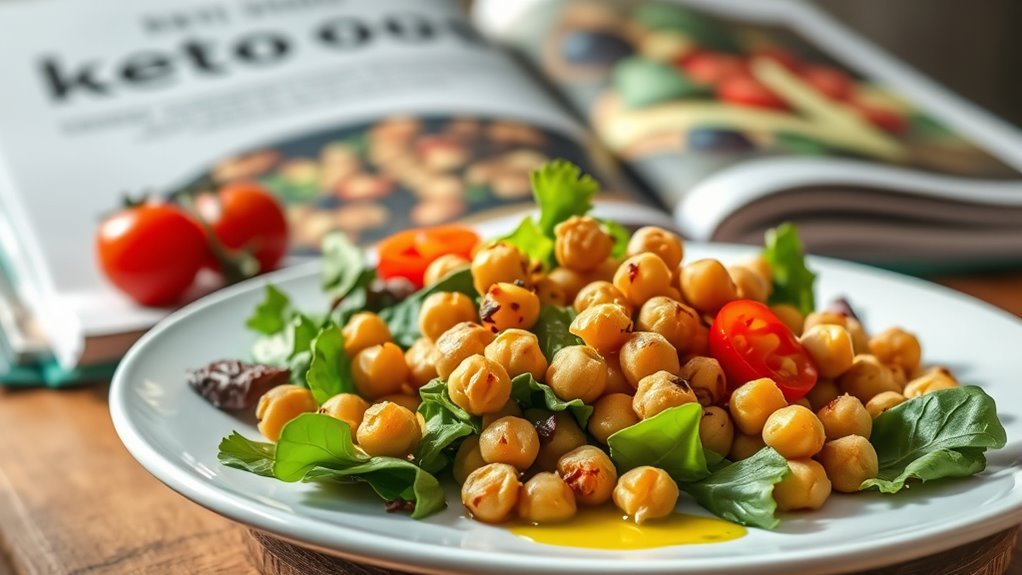

Chickpeas aren’t keto-friendly due to their higher carbohydrate content, with about 27 grams of carbs per cooked cup. While they offer health benefits like protein, fiber, and essential nutrients, their carb count can disrupt ketosis if consumed in large amounts. If you do want to enjoy chickpeas, it’s best to use them in moderation and mindful portions. For tips on incorporating them into a keto-friendly diet, there are creative ways to explore further.
Nutritional Profile of Chickpeas
Chickpeas, a popular legume, have a nutritional profile that sparks interest among those exploring various diets, including keto. You might be surprised to learn that chickpea varieties, such as Kabuli and Desi, offer different benefits. Generally, chickpeas are rich in protein content, providing about 15 grams per cooked cup. This makes them an excellent choice for plant-based eaters and those looking to increase their protein intake. While they’re celebrated for their fiber and micronutrients, it’s essential to contemplate their overall nutritional balance, especially in a keto context. If you’re seeking alternatives, you could explore low-carb options, but for a well-rounded diet, chickpeas can fit into a flexible eating plan when consumed mindfully.
Carbohydrate Content and Keto Compatibility
When considering chickpeas on a keto diet, it’s important to look at their carbohydrate count. With around 27 grams of carbs per cup, chickpeas may not fit into a strict keto plan, especially when you calculate net carbs. Exploring keto-friendly alternatives can help you maintain your carb limits while still enjoying nutritious foods.
Chickpea Carb Count
While many consider chickpeas a nutritious addition to their diets, their carbohydrate content raises questions for those following a keto lifestyle. Depending on the chickpea varieties and cooking techniques, the carb count can vary considerably. Here’s a quick look at the carb content in common chickpea forms:
| Chickpea Variety | Carbohydrates (per 100g) |
|---|---|
| Raw Chickpeas | 61g |
| Cooked Chickpeas | 27g |
| Canned Chickpeas | 19g |
| Roasted Chickpeas | 65g |
| Chickpea Flour | 57g |
These numbers highlight the importance of portion control and choice in chickpea consumption. If you’re committed to a keto diet, understanding these variations can help you navigate your meal planning more effectively.
Net Carbs Explained
Understanding net carbs is essential for anyone traversing the ketogenic diet, especially since not all carbohydrates affect your body in the same way. When you’re calculating net carbs, you subtract fiber and certain sugar alcohols from the total carb count. This gives you a clearer picture of how carbs might impact your ketosis. For keto diet considerations, focusing on net carbs helps you stay within your daily limit, which is typically around 20-50 grams. By prioritizing low-net-carb foods, you can enjoy a wider variety of meals without compromising your goals. Remember, it’s not just about cutting carbs; it’s about choosing the right ones that support your lifestyle and energy needs while allowing you the freedom to thrive on your keto journey.
Keto-Friendly Alternatives
If you’re looking to maintain a ketogenic lifestyle, it’s essential to explore keto-friendly alternatives that align with your dietary goals. Chickpeas, while nutritious, can be high in carbs, making them less suitable for keto. Instead, consider low carb legumes like black soybeans, which contain about 1 gram of net carbs per serving. Other keto substitutes include cauliflower, which can replace chickpeas in recipes like hummus, and zucchini, perfect for salads. Additionally, using hemp seeds or flaxseeds can provide a protein boost without the carbs. Embracing these alternatives can keep your meals exciting while sticking to your keto plan. Remember, balance is key; choose options that satisfy both your cravings and your nutritional needs.
Effects of Chickpeas on Ketosis
Chickpeas, though packed with nutrients and protein, can pose challenges for those aiming to maintain a state of ketosis. When you consume chickpeas, their high carbohydrate content can hinder your body’s ability to enter or stay in ketosis. The process of chickpea digestion releases sugars that can spike your blood glucose levels, ultimately affecting ketosis impact. While they offer health benefits, like fiber and vitamins, their carbohydrate load may not align with your keto goals. If you’re seeking to enjoy chickpeas, moderation is key. A small portion might fit into your carb allowance, but it’s vital to monitor your intake closely to guarantee you don’t disrupt your state of ketosis. Balancing freedom and discipline is essential.
Health Benefits of Chickpeas
Chickpeas are packed with essential nutrients, making them a valuable addition to your diet. They support heart health by helping to lower cholesterol levels, and their high fiber content promotes digestive health. Incorporating chickpeas can enhance your overall well-being while providing a satisfying source of plant-based protein.
Nutrient-Dense Profile
While you might think of chickpeas primarily as a source of plant-based protein, their nutrient-dense profile offers much more than just protein content. Chickpeas are loaded with essential vitamins and minerals, including iron, folate, and magnesium, which support various bodily functions. Their fiber content aids in nutrient absorption, helping your body utilize these nutrients efficiently. Additionally, chickpeas’ versatility allows them to be incorporated into salads, soups, and snacks, making it easy to enjoy their health benefits. They’re also low in fat and have a low glycemic index, contributing to stable energy levels. By choosing chickpeas, you’re not just adding protein; you’re enriching your diet with a powerhouse of nutrients that supports overall wellness.
Heart Health Benefits
Incorporating chickpeas into your diet can have significant heart health benefits. These legumes are rich in soluble fiber, which helps lower cholesterol levels, reducing your risk of heart disease. Studies show that a diet high in fiber can improve overall heart health by promoting healthy blood pressure and cholesterol. Chickpeas also contain essential nutrients like potassium and magnesium, which support cardiovascular function. Plus, their low glycemic index can stabilize blood sugar levels, further benefiting heart health. By adding chickpeas to your meals, you’re not just enjoying a versatile ingredient; you’re taking proactive steps toward maintaining a healthy heart. So, whether in salads or soups, chickpeas can be a delicious part of your heart-healthy lifestyle.
Digestive Health Support
When it comes to supporting digestive health, including chickpeas in your diet can be a smart choice. These legumes are packed with fiber, which plays a vital role in maintaining a healthy gut. Increased fiber intake from chickpeas can help regulate bowel movements and prevent constipation. Furthermore, chickpeas positively influence your gut microbiome by acting as a prebiotic, feeding the beneficial bacteria that thrive in your digestive system. A diverse and balanced gut microbiome is essential for overall health and can even boost your immune system. So, if you’re looking to enhance your digestive health while enjoying a versatile food, chickpeas might just be the delicious option you need.
Alternative Legumes for a Keto Diet
If you’re exploring a ketogenic diet, you might be wondering about viable legume alternatives since traditional options like chickpeas are too high in carbs. While legumes are typically known for their high protein options, many aren’t keto-friendly. However, you can turn to alternatives like green beans, black soybeans, and edamame. These options provide essential nutrients while keeping your carb intake low. For instance, black soybeans are particularly appealing as they contain just 1 gram of net carbs per half-cup serving, making them a great high-protein option. Incorporating these alternative legumes into your meals can help you maintain your keto lifestyle without feeling deprived. Enjoying these choices lets you explore new flavors while keeping your carb count in check.
How to Incorporate Chickpeas Mindfully
While chickpeas may not fit neatly into a strict keto diet due to their higher carbohydrate content, there are ways to enjoy them without derailing your goals. Embrace mindful eating by focusing on how chickpeas can add flavor and texture to your meals. Consider using them in moderation, perhaps as a topping on a salad or blended into a dip. This way, you can savor their nutritional benefits without exceeding your carb limits. Remember that portion control is key; just a small amount can add protein and fiber without overwhelming your carb intake. By enjoying chickpeas mindfully, you can maintain balance in your diet while still appreciating their unique taste and health benefits.
Portion Control and Serving Suggestions
Balancing your chickpea intake is essential for maintaining a keto-friendly diet. While chickpeas offer protein and fiber, their carb content can add up quickly. Aim for serving sizes of around ¼ to ½ cup to keep your carb count in check. Mindful eating is key here; focus on savoring each bite and listening to your body’s hunger cues. Consider pairing chickpeas with low-carb vegetables or healthy fats to create a more balanced meal without exceeding your carb limits. Remember, it’s not just about what you eat, but how much. By practicing portion control and being aware of your serving sizes, you can enjoy chickpeas while staying aligned with your keto goals.
Recipes Featuring Chickpeas for Keto Dieters
When you’re looking to incorporate chickpeas into your keto diet, choosing the right recipes can make all the difference. While traditional chickpeas are higher in carbs, you can still enjoy them in moderation. Consider chickpea salads where you mix a small portion of chickpeas with keto-friendly veggies like cucumbers and avocados. This provides fiber and healthy fats without overwhelming your carb count. Alternatively, try roasted chickpeas seasoned with spices like paprika or garlic powder; they make a crunchy snack and can be portioned to fit your daily macros. Always remember to calculate your servings carefully, allowing you to savor these delicious options while maintaining your keto lifestyle. Enjoy the freedom of creativity in your cooking!
Frequently Asked Questions
Can I Eat Chickpeas on a Strict Keto Diet?
You can’t eat chickpeas on a strict keto diet, as they contain about 27 grams of carbs per cup. This is quite high when you’re aiming for a daily limit of around 20-50 grams. While chickpea recipes can be delicious and nutritious, their carb content makes them less suitable for keto. If you’re looking for alternatives, consider low-carb veggies or legumes that fit better within your dietary goals.
What Are the Best Alternatives to Chickpeas for Keto?
If you’re looking for keto-friendly substitutes for chickpeas, consider low carb legumes like black soybeans or green beans. These options are lower in carbs and can fit well into your meal plan. You might also try cauliflower or zucchini as versatile substitutes in recipes. By exploring these alternatives, you’ll maintain variety in your diet while sticking to your keto goals. Enjoy the freedom to experiment with flavors and textures!
Are Canned Chickpeas Keto-Friendly Compared to Dried?
Canned chickpeas can feel like a comforting blanket, but when it comes to keto, they’re less friendly than dried ones. Canned varieties often contain added sugars and sodium, which can hinder your progress. Dried chickpeas, on the other hand, give you control over preparation, allowing you to manage carbs better. If you’re leaning towards a keto lifestyle, opting for dried chickpeas might help you maintain the freedom you seek in your diet.
How Do Chickpeas Affect Blood Sugar Levels?
Chickpeas can have a moderate impact on blood sugar levels, primarily due to their glycemic index, which is lower than many other carbohydrate sources. This means they tend to produce a slower blood sugar response. Incorporating chickpeas into your meals can help stabilize blood sugar, especially when paired with proteins or healthy fats. However, it’s still essential to monitor portion sizes, as excessive consumption can lead to spikes in blood sugar.
Can Chickpeas Be Part of a Low-Carb Vegetarian Diet?
Yes, chickpeas can be part of a low-carb vegetarian diet if you’re mindful of portion sizes. Their nutrient density and high protein content make them a valuable addition, providing essential vitamins and minerals. While they do contain carbs, their fiber can help stabilize blood sugar levels. Just be sure to balance them with other low-carb veggies and protein sources to maintain your desired macronutrient ratios and enjoy a diverse, satisfying diet.
1. Are chickpeas considered keto-friendly?
Chickpeas are not typically considered keto-friendly due to their higher carbohydrate content. A one-cup serving of cooked chickpeas contains around 45 grams of carbohydrates, which can exceed the daily carb limit for those following a strict ketogenic diet. Therefore, while they provide nutritional benefits, they may not fit well into a traditional keto meal plan.
2. How many carbs are in chickpeas?
A one-cup serving of cooked chickpeas contains approximately 45 grams of carbohydrates. This includes around 12 grams of fiber, which can be subtracted from the total carb count for net carbs. However, even with fiber considered, chickpeas may still provide too many carbs for individuals adhering to a strict ketogenic diet.
3. Can I include chickpeas in a low-carb diet?
Chickpeas can be included in a low-carb diet, but moderation is key. Depending on your specific carb limits, you might be able to enjoy small amounts of chickpeas as part of a balanced meal. However, for strict low-carb or ketogenic diets, it’s advisable to consider other lower-carb legumes and vegetables to maintain your carbohydrate goals.
4. What are some low-carb alternatives to chickpeas?
Some low-carb alternatives to chickpeas include cauliflower, zucchini, and avocado. These options offer similar textures or flavors without the high carbohydrate content. For example, cauliflower can be used to make low-carb hummus, mimicking the taste of traditional chickpea hummus while keeping the carb count low.
5. Are there any health benefits to eating chickpeas?
Yes, chickpeas offer several health benefits. They are rich in protein, fiber, vitamins, and minerals, which can help support digestive health, weight management, and overall nutrient intake. While they may not be suitable for a strict keto diet, they can be a great addition to a balanced diet, providing plant-based protein and important nutrients.
References
- https://www.healthline.com/nutrition/are-chickpeas-keto
- https://www.ncbi.nlm.nih.gov/pmc/articles/PMC6832106/
- https://www.verywellfit.com/are-chickpeas-keto-friendly-4780466
- https://www.medicalnewstoday.com/articles/322452
- https://www.washingtonpost.com/food/2021/02/16/chickpeas-keto-diet/
- https://www.cdc.gov/nutrition/index.html
- https://www.eatright.org/health/wellness/preventing-illness/is-the-keto-diet-right-for-you
- https://www.thekitchn.com/chickpeas-keto-22985687