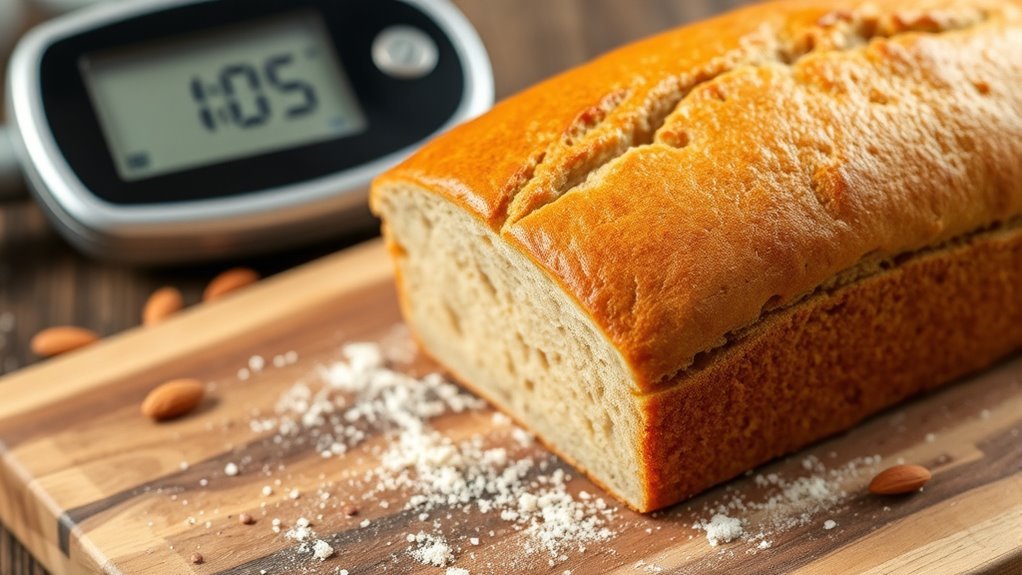

Keto bread is designed to have minimal impact on your blood sugar levels due to its low-glycemic ingredients and high fiber content. Unlike traditional bread, which often spikes blood sugar due to refined carbs, keto bread helps stabilize your levels, making it a viable option for those monitoring their glucose. It’s important to pay attention to your personal response and meal pairings. Discover more about keto bread and its role in maintaining balanced blood sugar for peak health.
Understanding the Ketogenic Diet
When you explore the ketogenic diet, you’ll find it’s designed to shift your body’s primary fuel source from carbohydrates to fats. This approach is rooted in ketogenic principles, which emphasize low carbohydrate intake, moderate protein consumption, and high fat consumption. By following these dietary restrictions, your body enters a state of ketosis, where it efficiently burns fat for energy.
Many people appreciate the freedom that comes with this diet, as it can lead to weight loss, improved mental clarity, and stable energy levels. However, it’s essential to understand that not all fats are created equal; focusing on healthy fats is vital. Balancing your meals while adhering to these principles can help you achieve the desired outcomes without feeling deprived.
What Is Keto Bread?
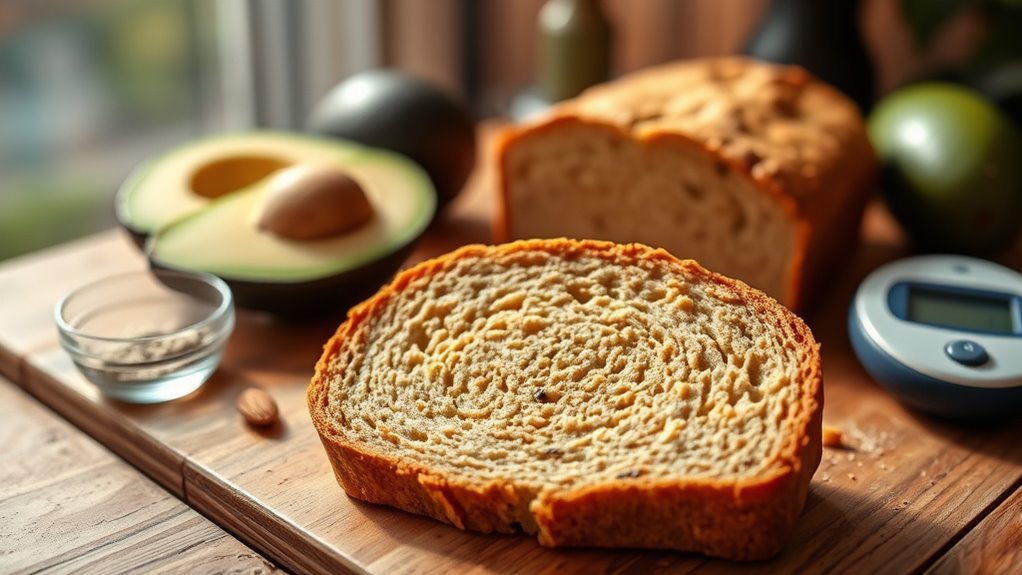
Keto bread is a low-carb alternative made with ingredients like almond flour, coconut flour, and eggs, which help maintain the ketogenic diet’s focus on high fat and low carbohydrates. When you compare its nutritional profile to traditional bread, you’ll notice significant differences in carbohydrates and fiber content, which can impact your blood sugar levels. Understanding these elements can help you make informed choices about incorporating keto bread into your meals.
Ingredients in Keto Bread
Bread lovers seeking a low-carb alternative often turn to keto bread, which is made using unique ingredients that differ considerably from traditional bread. Typically, you’ll find almond flour or coconut flour as primary components, replacing wheat flour. These flours are not only low in carbs but also gluten-free, catering to those with gluten sensitivities. Many recipes incorporate eggs, which provide structure and moisture, and some may use psyllium husk for added fiber and texture. By choosing these ingredients, keto bread offers several keto bread benefits, including improved blood sugar control and sustained energy levels. With these alternatives, you can enjoy the satisfaction of bread without the highs and lows associated with conventional options.
Nutritional Profile Comparison
While traditional bread is often high in carbohydrates and can spike blood sugar levels, keto bread offers a different nutritional profile that aligns with low-carb diets. Typically made from almond flour, coconut flour, or other low-carb ingredients, keto bread is lower in carbohydrates and higher in healthy fats. This shift not only supports weight management but also provides nutritional benefits, such as improved satiety. Additionally, keto bread often boasts a higher fiber content compared to regular bread, which can aid digestion and help maintain stable blood sugar levels. By focusing on these ingredients, you can enjoy the taste and texture of bread without the adverse effects on your blood sugar, allowing for a more flexible, satisfying diet.
Impact on Blood Sugar
When you choose keto bread, you’re opting for a product designed to minimize blood sugar spikes. Unlike traditional bread, which is often high in carbohydrates, keto bread generally uses alternative flours like almond or coconut, along with healthy fats. These ingredients contribute to a lower glycemic index, meaning they’re less likely to cause significant increases in blood sugar levels. Research shows that the high fiber content in keto bread can further aid in stabilizing blood sugar, making it a suitable option for those managing their glucose levels. However, it’s crucial to monitor your body’s response, as individual reactions can vary. Embracing keto bread allows you to enjoy bread-like products while taking control of your blood sugar health.
Ingredients Typically Found in Keto Bread
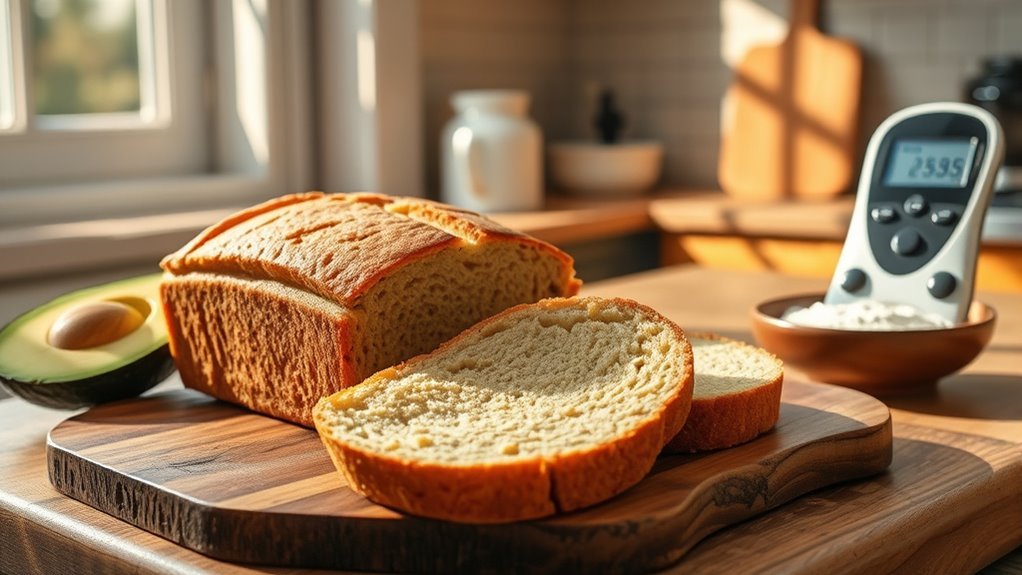
Keto bread relies on a unique combination of ingredients to maintain its low carbohydrate profile while still delivering a satisfying texture. Commonly used ingredients include almond flour and coconut flour, which are both low in carbs and high in fiber. Flaxseed meal and psyllium husk add bulk and moisture, while egg whites provide structure. Baking powder helps with leavening, and nutritional yeast can enhance flavor. Many recipes also use apple cider vinegar for a tangy kick, along with sweeteners alternatives like erythritol or stevia to satisfy your sweet tooth. Finally, xanthan gum often acts as a binding agent, ensuring your bread stays together.
| Ingredient | Purpose |
|---|---|
| Almond Flour | Base flour, low in carbs |
| Psyllium Husk | Adds fiber, moisture |
| Baking Powder | Leavening agent |
Carbohydrate Content and Its Impact
Understanding the carbohydrate content of keto bread is essential for anyone following a low-carb diet, especially if you’re monitoring blood sugar levels. Unlike traditional bread, keto bread typically uses alternative carbohydrate sources, like almond flour or coconut flour, which contain fewer net carbs. This lower carbohydrate content can help stabilize your blood sugar compared to conventional bread. However, it’s vital to check the specific nutritional labels, as some brands may include hidden sugars or higher carb ingredients that could affect your results. By being mindful of the carbohydrate sources in your keto bread, you can enjoy your meals while still prioritizing your overall health and maintaining your desired blood sugar levels. Freedom in your diet is achievable with informed choices!
Glycemic Index of Keto Bread
When considering the glycemic index of keto bread, it is crucial to understand how its ingredients can affect your blood sugar levels. Unlike traditional bread, which often contains high-glycemic carbohydrates, keto bread typically features low-glycemic alternatives that may help stabilize your glucose response. By comparing these two types of bread, you can make more informed choices for your dietary needs.
Understanding Glycemic Index
The glycemic index (GI) is an essential tool for evaluating how different foods affect blood sugar levels, and this is particularly relevant for those following a low-carb diet. Foods with a high GI can cause a rapid glycemic response, leading to spikes in blood sugar that challenge your body’s sugar regulation. In contrast, keto bread typically has a lower GI, making it a more favorable option for maintaining stable blood sugar levels. By understanding the GI of the foods you consume, you’re empowered to make choices that align with your health goals. Keep in mind that individual responses can vary, so it’s beneficial to monitor how your body reacts to different types of keto bread.
Ingredients Impacting Blood Sugar
While not all ingredients in keto bread are created equal, their impact on blood sugar can vary considerably. Understanding the glycemic index of these ingredients helps you make informed choices. Fiber sources like almond flour and psyllium husk not only lower the glycemic index but also improve digestion. Sweetener options such as erythritol and stevia have minimal effects on blood sugar, making them better choices than traditional sugars.
| Ingredient | Impact on Blood Sugar |
|---|---|
| Almond Flour | Low |
| Coconut Flour | Moderate |
| Psyllium Husk | Low |
| Erythritol | Minimal |
| Stevia | Minimal |
Comparing Keto and Traditional Bread
Although many people enjoy bread as a staple in their diet, the choice between keto and traditional bread can greatly influence blood sugar levels. Keto bread typically boasts a lower glycemic index, meaning it’s less likely to spike your blood sugar. This is primarily due to its low carbohydrate content and higher fiber, providing keto bread benefits for those monitoring their glucose levels. In contrast, traditional bread often contains refined carbohydrates, leading to potential blood sugar surges and subsequent drawbacks, such as increased hunger and cravings. By choosing keto bread, you can maintain better control over your blood sugar while still enjoying a bread-like experience. Ultimately, balancing your choices can empower you to make informed dietary decisions.
Comparing Keto Bread to Traditional Bread
When comparing keto bread to traditional bread, it’s essential to evaluate how their ingredients and nutritional profiles impact your health, particularly for those managing blood sugar levels. Keto bread benefits often include lower carbohydrate content and higher fiber, which can help stabilize blood sugar. In contrast, traditional bread drawbacks typically involve refined carbs that can lead to spikes in blood sugar.
| Feature | Keto Bread |
|---|---|
| Carbohydrate Content | Low |
| Fiber Content | High |
| Glycemic Index | Low |
| Nutritional Value | Nutrient-dense |
Choosing between these options depends on your health goals and how your body reacts to different ingredients. Understanding these differences can empower you to make informed dietary choices.
Personalizing Your Keto Bread Choices
Personalizing your keto bread choices allows you to cater to your specific dietary needs and preferences, further enhancing its benefits for blood sugar management. Consider your personal preferences and any dietary restrictions you might have. For instance, if you’re sensitive to gluten, look for almond or coconut flour-based breads, which are low in carbs and gluten-free. If you’re watching your cholesterol, choose breads that incorporate healthy fats, like avocado or olive oil. Experimenting with different recipes can help you find what works best for your palate and health goals. Remember, the key is to enjoy your food while staying aligned with your dietary needs, ensuring you feel satisfied without compromising your blood sugar levels.
Tips for Monitoring Blood Sugar Levels
How can you effectively monitor your blood sugar levels while enjoying keto bread? Start by using a continuous glucose monitor (CGM) or a standard blood glucose meter to track your levels before and after eating. This way, you can see how keto bread affects you personally. It’s also a good idea to keep a food diary. Document your meals and corresponding blood sugar readings; this helps identify patterns. If you notice spikes, consider making dietary adjustments—perhaps altering portion sizes or pairing the bread with healthy fats and proteins. Remember, everyone’s body reacts differently, so listen to yours. Regular blood sugar monitoring empowers you to make informed choices and maintain your freedom in enjoying keto-friendly options.
Incorporating Keto Bread Into a Balanced Diet
Monitoring your blood sugar levels can provide valuable insights into how different foods affect your body, including keto bread. When incorporating keto bread into your balanced diet, it’s crucial to evaluate meal pairing and recipes that complement its low-carb nature. This approach helps maintain steady glucose levels while enjoying your meals.
| Meal Pairing | Keto Bread Recipe | Blood Sugar Impact |
|---|---|---|
| Breakfast | Avocado Toast on Keto Bread | Low |
| Lunch | Keto Grilled Cheese | Moderate |
| Dinner | Keto Meatball Sub | Low |
Experiment with various keto bread recipes to find what works best for you, ensuring you enjoy the freedom of delicious meals without spiking your blood sugar.
Frequently Asked Questions
Can I Make Keto Bread at Home?
Absolutely, you can make keto bread at home! There are plenty of keto bread recipes available that use low-carb ingredients like almond flour or coconut flour. These homemade alternatives not only taste great but allow you to control what goes into your bread. Plus, experimenting in the kitchen can be a fun way to find the perfect recipe that suits your taste. Enjoy the freedom of creating your own delicious, low-carb bread!
What Are Some Popular Keto Bread Brands?
When you’re exploring popular keto bread brands, you’ll find several options that embrace low carb ingredients. Brands like Keto Bread Co. and Franz Keto Bread are known for their deliciousness. If you’re into making your own, there are countless keto bread recipes available online, allowing you to customize flavors and textures. Remember, choosing brands or recipes with wholesome ingredients can help you maintain your lifestyle without sacrificing taste or variety.
How Long Does Keto Bread Last?
Keto bread’s shelf life can vary, but generally, it lasts about 3 to 5 days at room temperature. If you want it to last longer, consider freezing it—just slice it beforehand for easy access. For ideal storage, keep it in an airtight container to maintain freshness. You’ll appreciate the freedom of having keto-friendly options on hand, ready to satisfy your cravings without compromise. Enjoy your low-carb journey!
Can I Freeze Keto Bread?
Yes, you can freeze keto bread! To guarantee the best quality, slice the bread before freezing; this way, you can take out only what you need. Wrap it tightly in plastic wrap or foil, then place it in an airtight container or freezer bag for storage. When you’re ready to eat, just thaw it in the fridge or at room temperature. These freezing tips can help you enjoy keto bread for longer without losing freshness!
Is Keto Bread Suitable for Diabetics?
Isn’t it important to know what you’re eating? Keto bread can be suitable for diabetics, as it typically contains low-carb ingredients like almond flour or coconut flour, which may lead to a more stable blood sugar response. However, it’s vital to monitor your individual reactions, since everyone’s body is different. Always consult with a healthcare professional to ascertain that keto bread fits into your overall dietary plan for managing diabetes effectively.
Frequently Asked Questions
1. Does eating keto bread spike blood sugar levels?
Keto bread is generally made with low-carb ingredients such as almond flour or coconut flour, which tend to have a lower glycemic index compared to traditional wheat bread. This means that keto bread typically does not spike blood sugar levels as significantly as regular bread. However, individual responses can vary based on personal metabolism and the specific ingredients used in the recipe.
2. What ingredients are commonly used in keto bread?
Keto bread is often made with ingredients like almond flour, coconut flour, flaxseed meal, eggs, and various low-carb sweeteners. These ingredients help to keep the carbohydrate count low while still providing a satisfying texture. Some recipes may also include psyllium husk or baking powder to improve the bread’s rise and structure.
3. How does the glycemic index of keto bread compare to regular bread?
The glycemic index (GI) of keto bread is typically much lower than that of traditional bread, which is often made from wheat flour. For instance, regular white bread can have a GI of around 70 or higher, while keto bread made from almond or coconut flour usually has a GI of 20-30. This lower GI means that keto bread has a lesser impact on blood sugar levels, making it a better choice for those managing their glucose levels.
4. Can I eat keto bread if I have diabetes?
Yes, many people with diabetes find that keto bread is a suitable option for their diet due to its low carbohydrate content and minimal impact on blood sugar levels. However, it’s important to monitor your blood sugar response after consuming keto bread, as individual reactions can vary. Consulting with a healthcare provider or dietitian is always recommended for personalized dietary advice.
5. Are there any potential downsides to eating keto bread?
While keto bread can be a great alternative for those following a low-carb diet, there are some potential downsides. Some people may experience digestive issues due to the high fiber content in certain keto flours, such as almond or coconut flour. Additionally, not all keto bread is created equal; some store-bought versions may contain added sugars or unhealthy fats. It’s essential to read labels carefully and consider homemade options to ensure you’re consuming a healthy product.
References
- https://www.ncbi.nlm.nih.gov/pmc/articles/PMC6078280/
- https://www.healthline.com/nutrition/keto-diet-and-blood-sugar
- https://www.diabetes.org/nutrition/healthy-food-choices-made-easy/understanding-carbohydrates
- https://www.webmd.com/diet/what-is-the-keto-diet
- https://www.ncbi.nlm.nih.gov/pmc/articles/PMC6836818/
- https://www.cdc.gov/diabetes/basics/type2.html
- https://www.bbc.com/news/health-51372891