Canola oil can be considered keto-friendly due to its high monounsaturated fat content and low saturated fat levels. It offers about 124 calories per tablespoon, making it a good source of healthy fats that supports your ketogenic goals. However, it’s important to balance it with other nutrient-dense fat sources and consider the potential presence of trans fats in refined versions. There’s more to learn about cooking with canola oil and its alternatives for a ketogenic diet.
Understanding the Nutritional Profile of Canola Oil
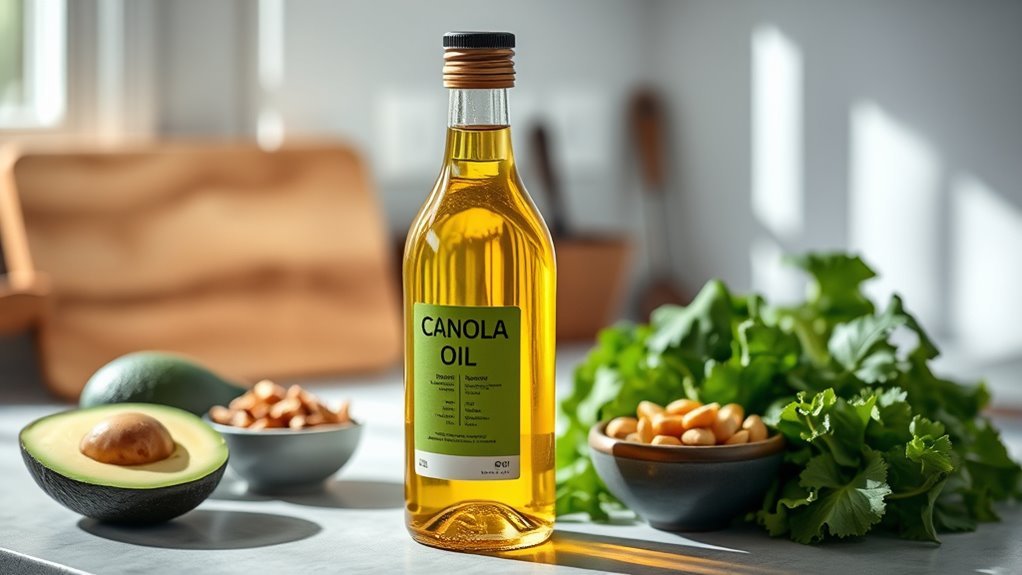
Understanding the nutritional profile of canola oil is vital for anyone considering its place in a keto diet. Canola oil boasts a relatively high caloric value, with about 124 calories per tablespoon. While its nutrient density isn’t as high as that of whole foods, it does provide a good source of healthy fats. In a keto context, you’re looking for oils that support your dietary goals without adding unnecessary carbs. Canola oil is low in saturated fats and high in unsaturated fats, which can be beneficial. However, it’s important to balance its use with other nutrient-dense options, ensuring you get a variety of healthy fats. This oil can fit into your keto lifestyle if used mindfully.
The Fat Composition of Canola Oil

While many cooking oils vary in their fat composition, canola oil stands out due to its unique blend of fatty acids. It contains approximately 62% monounsaturated fats, 31% polyunsaturated fats, and about 7% saturated fats. This combination makes it an appealing choice for those looking to manage their fat intake. The predominant fatty acids in canola oil are oleic acid and alpha-linolenic acid (ALA), both known for their nutritional benefits. In oil production, canola undergoes refining, which can impact its fatty acid profile. This balanced composition allows for versatility in cooking while aligning with various dietary preferences, including keto. Understanding its fat makeup can help you make informed decisions about using canola oil in your meals.
Health Benefits and Concerns of Canola Oil

Although canola oil is often praised for its favorable fat composition, it’s important to evaluate both its health benefits and potential concerns.
The health benefits you might appreciate include:
- Heart health: Canola oil is low in saturated fat and contains omega-3 fatty acids, which may support cardiovascular health.
- Versatility: It has a high smoke point, making it suitable for various cooking methods, from frying to baking.
- Nutrient absorption: Its healthy fats can aid in the absorption of fat-soluble vitamins.
However, you should also consider potential risks, like the presence of trans fats in some refined versions and concerns about its production process. Balancing the positives with these negatives is key to making informed choices about canola oil in your diet.
Canola Oil in the Context of a Ketogenic Diet
If you’re following a ketogenic diet, you might be wondering how canola oil fits into your meal plan. Canola oil, derived from rapeseed, is often used in keto meal planning due to its high monounsaturated fat content and low saturated fat levels. However, oil sourcing is important; you’ll want to choose high-quality, non-GMO options to avoid potential health concerns. While canola oil can be suitable for cooking and salad dressings, its omega-6 fatty acid content may not align with everyone’s health goals on keto. Balancing your fat sources is essential, so consider incorporating a variety of oils to achieve nutritional diversity. Ultimately, it’s about what works best for your body and your keto lifestyle.
Alternatives to Canola Oil for Keto Cooking
When you’re looking for alternatives to canola oil for keto cooking, several options can fit seamlessly into your diet. These oils not only enhance flavor but also provide healthy fats essential for ketosis. Consider these alternatives:
Explore flavorful alternatives to canola oil for keto cooking, boosting your meals with healthy fats essential for ketosis.
- Olive oil: Rich in monounsaturated fats, it’s perfect for dressings or low-heat cooking.
- Coconut oil: Great for baking and sautéing, it adds a subtle sweetness and boosts your MCT intake.
- Avocado oil: With a high smoke point, it’s excellent for frying and offers a light, buttery flavor.
You can also include ghee, butter, or macadamia oil for variety. Each of these options can help you maintain your keto lifestyle while enjoying delicious meals.
Frequently Asked Questions
Is Canola Oil Vegan-Friendly for Keto Diets?
Yes, canola oil is vegan-friendly, making it a suitable option for those on a plant-based diet. Its benefits include a high smoke point and a good balance of omega-3 and omega-6 fatty acids, which is essential for heart health. If you’re exploring vegan oil alternatives, consider olive oil or avocado oil, both offering unique flavors and health benefits. So, you’ve got plenty of options to enhance your meals while sticking to your dietary choices.
Can Canola Oil Trigger Inflammation in Some Individuals?
Canola oil, often seen as a kitchen staple, might not sit well with everyone. For some individuals, it can spark an inflammation response, leading to discomfort. While it’s generally considered safe, certain people may experience adverse reactions due to sensitivities or allergies. If you’re concerned, it’s wise to monitor how your body reacts after using it. Listening to your body can guide you toward choices that support your well-being and freedom of movement.
How Does Canola Oil Compare to Olive Oil Nutritionally?
When comparing canola oil to olive oil nutritionally, you’ll notice some differences in oil composition and nutritional benefits. Canola oil has a higher omega-6 fatty acid content, while olive oil boasts more monounsaturated fats, which are linked to heart health. Olive oil also contains antioxidants and anti-inflammatory properties. If you’re looking for a healthier option, olive oil might be the better choice, but both oils can fit into a balanced diet.
Is Canola Oil Considered a Processed Oil?
Canola’s characteristics create curiosity. Yes, canola oil’s considered a processed oil due to its extraction methods, often involving heat and chemicals. While it does offer some health benefits, like heart-healthy fats, the processing can strip away nutrients found in less refined oils. If you’re seeking oils with fewer processing steps, consider alternatives like olive oil. Keeping informed about oil choices helps you maintain a balanced diet and stay healthy.
Can I Use Canola Oil for Frying on Keto?
If you’re considering frying on a keto diet, canola oil might not be your best choice. While it can be used, its high omega-6 content isn’t ideal for keto frying techniques. Instead, think about alternatives like avocado oil or coconut oil, which have healthier fat profiles. These options not only align better with keto principles but also enhance the flavor of your dishes, giving you the freedom to enjoy your meals without compromise.
Is canola oil keto-friendly?
What are the nutritional benefits of canola oil on a keto diet?
Are there any concerns about using canola oil on a keto diet?
How does canola oil compare to other oils for keto cooking?
Can I use canola oil in my keto meal prep?
References
- https://www.healthline.com/nutrition/canola-oil-keto-friendly
- https://www.ncbi.nlm.nih.gov/pmc/articles/PMC7071198/
- https://www.webmd.com/diet/obesity/features/canola-oil-keto-friendly
- https://www.verywellfit.com/canola-oil-nutrition-facts-5180575
- https://www.clevelandclinic.org/health/articles/what-is-canola-oil
- https://www.aicr.org/resources/blog/canola-oil-and-health/
- https://www.sciencedirect.com/science/article/pii/S2211135517300845