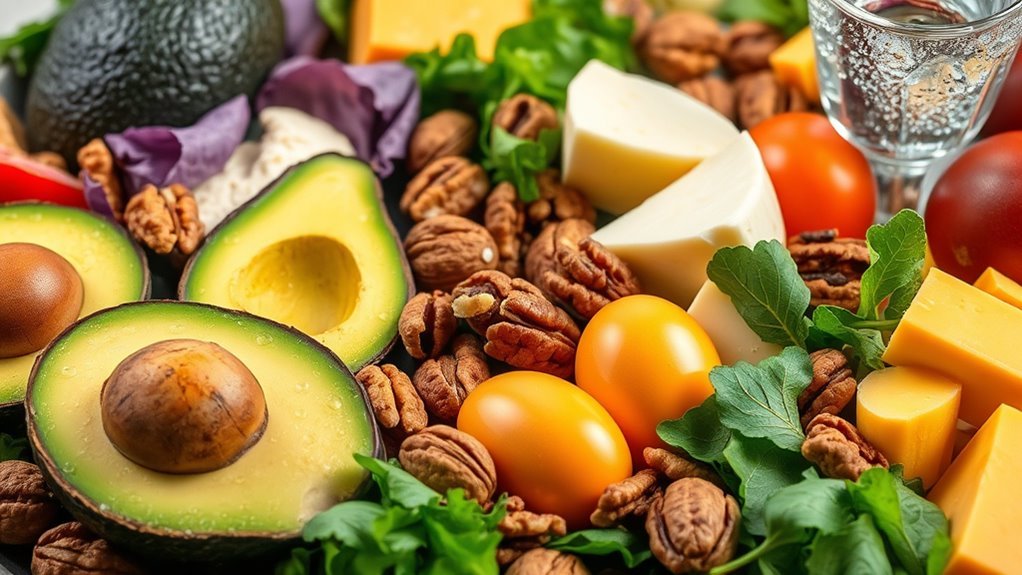

The keto diet can be beneficial for you, offering potential weight loss and increased energy levels. However, it also comes with challenges, like nutrient deficiencies and the risk of the “keto flu.” To thrive on this diet, you’ll need to carefully manage your nutrition and make certain you’re meeting your crucial vitamin and mineral needs. It’s important to evaluate how it aligns with your personal health goals. There’s more to understand about its risks and alternatives that can help you make informed choices.
Understanding the Keto Diet

When you think about dieting, the keto diet might come to mind as one of the more popular options available today. At its core, the keto basics revolve around drastically reducing carbohydrate intake while increasing fat consumption. This shift aims to put your body into a state of ketosis, where it burns fat for energy instead of glucose. A significant aspect of this diet is fat adaptation, which refers to your body becoming efficient at using fat as its primary fuel source. While the keto diet can offer benefits like weight loss and increased energy for some, it’s essential to approach it thoughtfully. Balancing your nutrition and being aware of potential deficiencies can help you enjoy the freedom of dietary choices without compromising your health.
How the Keto Diet Works

To understand how the keto diet works, it’s essential to grasp the concept of ketosis, which occurs when your body shifts from using glucose as its primary energy source to burning fat. This metabolic state is fundamental in keto mechanics and markedly alters fat metabolism. Here’s how it happens:
- Reduced Carbohydrate Intake: By limiting carbs, your body depletes its glucose stores and starts searching for alternative fuel.
- Increased Ketone Production: As fat breaks down, the liver produces ketones, which become the new energy source.
- Enhanced Fat Oxidation: Your body becomes more efficient at burning stored fat, promoting weight loss.
Understanding these steps can help you navigate the keto diet more effectively and appreciate its unique approach to energy use.
Potential Benefits of the Keto Diet

Although the keto diet is often celebrated for its weight loss potential, it offers several other benefits that can enhance overall health. Many people report improved mental clarity when following a ketogenic lifestyle. This boost in cognitive function is believed to stem from the brain using ketones, a more efficient energy source than glucose. Additionally, the diet can help stabilize blood sugar levels, which may reduce cravings and enhance focus throughout the day. The high-fat content can lead to increased satiety, making it easier to stick to your dietary goals. By embracing the keto diet, you not only pursue weight loss but also potentially reveal greater mental acuity and sustained energy, giving you the freedom to thrive in your daily activities.
Common Challenges and Drawbacks
While the keto diet can offer numerous benefits, it’s important to recognize that it also comes with its share of challenges and drawbacks. You might experience the “keto flu,” which includes symptoms like fatigue and headaches as your body adjusts. Additionally, maneuvering through social situations can be tricky, as many gatherings revolve around carb-heavy foods.
Here are three common challenges you may face:
- Nutrient Deficiencies: Limiting certain food groups can lead to a lack of essential vitamins and minerals.
- Cravings Management: You might struggle with cravings for carbs, making meal planning more difficult.
- Weight Rebound: After returning to a regular diet, there’s a risk of weight rebound if lifestyle adjustments aren’t maintained.
Being aware of these challenges can help you prepare better.
Nutritional Considerations
Steering through the keto diet requires careful attention to nutritional considerations to guarantee you’re meeting your body’s needs. To thrive on this low-carb lifestyle, you’ll want to focus on appropriate macronutrient ratios—typically high in fats, moderate in proteins, and very low in carbohydrates. It’s important to prioritize food quality, choosing whole, nutrient-dense options over processed foods. This assures you’re getting essential vitamins and minerals, supporting overall health while on the diet. Additionally, staying hydrated and considering fiber intake is significant, as many keto-friendly foods lack sufficient fiber. By balancing these elements, you can enjoy the freedom of the keto diet while nourishing your body effectively. Remember, informed choices lead to sustainable success.
Long-term Sustainability of the Keto Diet
As you reflect on the long-term sustainability of the keto diet, it’s essential to evaluate how well it aligns with your lifestyle and health goals. Maintaining keto adherence strategies can be challenging over time, so here are some points to reflect on:
- Flexibility: Adapting the diet to include a variety of keto-friendly foods can help prevent boredom and improve adherence.
- Social Settings: Finding options that fit your dietary needs while dining out or at social events is key for long-term weight management.
- Monitoring Progress: Regularly tracking your physical and mental well-being can help you stay committed and adjust your approach as needed.
Ultimately, understanding your personal goals and preferences will determine if the keto diet can be a sustainable choice for you.
Keto Diet and Health Risks
Sustaining a keto diet over the long term can present various challenges, and it’s important to contemplate the potential health risks associated with this high-fat, low-carbohydrate approach. While many people experience weight loss and increased energy, you might also encounter keto side effects like fatigue, headaches, or digestive issues. Additionally, strict adherence to the diet can lead to keto deficiencies in essential nutrients, such as vitamins, minerals, and fiber. This can impact overall health and well-being. If you’re considering the keto lifestyle, it’s essential to monitor your body’s response and consult healthcare professionals. Balancing freedom in your dietary choices with awareness of potential risks can help you make informed decisions about your health journey.
Alternatives to the Keto Diet
If you’re considering alternatives to the keto diet, the Mediterranean diet and plant-based options might be worth exploring. The Mediterranean diet emphasizes whole grains, healthy fats, and plenty of fruits and vegetables, which can support heart health. Similarly, adopting a plant-based diet can provide numerous health benefits, including improved digestion and reduced risk of chronic diseases.
Mediterranean Diet Benefits
While many people may find the Keto diet appealing for quick weight loss, the Mediterranean diet offers a wealth of benefits that promote overall health and well-being. Embracing a Mediterranean lifestyle can enhance your heart health and improve your quality of life. Here are three key advantages:
- Heart Health: Rich in healthy fats, such as olive oil, nuts, and fish, it helps lower cholesterol and reduce the risk of heart disease.
- Nutrient Diversity: The diet includes a variety of fruits, vegetables, whole grains, and legumes, providing essential vitamins and minerals.
- Sustainable Approach: It encourages balanced eating habits and portion control, making it easier to maintain long-term without feeling deprived.
Choosing the Mediterranean diet can lead to lasting health benefits and a more enjoyable eating experience.
Plant-Based Options
As you explore alternatives to the Keto diet, plant-based options can offer a nutritious and sustainable path to health. Focusing on whole foods, you can incorporate a variety of plant-based proteins, such as lentils, chickpeas, and tofu, which provide essential nutrients without the high levels of saturated fat found in some animal products. Additionally, many keto-friendly vegetables, like spinach, kale, and zucchini, are low in carbs and packed with vitamins and minerals. Shifting to a plant-based diet allows for flexibility and creativity in meal planning while supporting overall well-being. By embracing these nutritious choices, you can enjoy a satisfying diet that aligns with your health goals and ethical values, empowering you to make informed decisions about your food choices.
Making an Informed Decision
How can you navigate the complexities of the keto diet to make an informed decision? It’s essential to weigh your dietary preferences and health goals carefully. Here are three key factors to take into account:
- Nutritional Balance: Assess if you can meet your nutritional needs while on a keto diet. It’s critical to avoid nutrient deficiencies.
- Sustainability: Think about whether you can maintain this lifestyle long-term without feeling restricted. The freedom to enjoy food is important.
- Consultation: Speak with a healthcare professional or nutritionist. They can help you make informed choices based on your unique health situation.
Frequently Asked Questions about the Keto Diet
1. What is the Keto Diet?
The Keto Diet, short for ketogenic diet, is a high-fat, low-carbohydrate eating plan designed to induce a state of ketosis in the body. In ketosis, the body becomes efficient at burning fat for energy instead of carbohydrates. Typically, the macronutrient breakdown in a ketogenic diet is about 70-75% fats, 20-25% protein, and only 5-10% carbohydrates.
2. Is the Keto Diet safe for everyone?
While the Keto Diet can be beneficial for many, it is not suitable for everyone. Individuals with certain medical conditions, such as pancreatic disease, liver conditions, thyroid problems, or those with a history of eating disorders, should consult a healthcare professional before starting the diet. Additionally, pregnant or breastfeeding women should also seek medical advice. It’s crucial to personalize dietary approaches according to individual health needs.
3. What are the potential benefits of the Keto Diet?
The Keto Diet may offer several benefits, including weight loss, improved blood sugar control, and increased mental clarity. Some studies suggest it can help reduce the frequency of seizures in epilepsy patients. Additionally, some people find that the high-fat content of the diet helps them feel fuller for longer, potentially leading to a decrease in overall caloric intake. However, individual results may vary, and more research is needed to fully understand the long-term effects.
4. Are there any side effects of the Keto Diet?
Yes, some individuals may experience side effects when starting the Keto Diet, commonly referred to as “keto flu.” Symptoms can include fatigue, headache, dizziness, irritability, and nausea, typically occurring as the body adjusts to burning fat for fuel. Other potential long-term side effects may include nutrient deficiencies, digestive issues, and an increased risk of heart disease if unhealthy fats are consumed. It’s important to monitor your health and consult a healthcare provider if adverse effects occur.
5. Can you maintain a healthy lifestyle on the Keto Diet?
It is possible to maintain a healthy lifestyle on the Keto Diet by focusing on whole, nutrient-dense foods. Incorporating a variety of vegetables, high-quality proteins, and healthy fats is essential to ensure that you receive all the necessary vitamins and minerals. Regular physical activity and staying hydrated are also important components of a healthy lifestyle. It’s advisable to periodically reassess your dietary approach and consult with a nutritionist to ensure that your diet remains balanced and sustainable over time.
References
- https://www.ncbi.nlm.nih.gov/pmc/articles/PMC6830796/
- https://www.health.harvard.edu/staying-healthy/the-truth-about-the-keto-diet
- https://www.mayoclinic.org/healthy-lifestyle/nutrition-and-healthy-eating/expert-answers/keto-diet/faq-20422360
- https://www.cdc.gov/healthyweight/assessing/bmi/adult_bmi/index.html
- https://www.eatright.org/health/dietary-guidelines-and-food-labels/dietary-guidelines/the-ketogenic-diet
- https://www.nhlbi.nih.gov/health-topics/healthy-eating
- https://www.who.int/news-room/fact-sheets/detail/healthy-diet
- https://www.webmd.com/diet/obesity/what-is-the-keto-diet
- https://www.nutrition.org.uk/healthyliving/healthydiet/keto-diet.html