
Yes, okra is keto-friendly! It contains only about 7 grams of carbohydrates per 100 grams, making it a low-calorie vegetable ideal for low-carb diets. A half-cup serving of cooked okra has around 3-4 grams of carbs, which fits well within most keto guidelines. Its high fiber content also aids digestion, providing additional health benefits. If you’re curious about how to incorporate okra into your keto meal plan, you’ll find plenty of delicious preparation ideas ahead.
Understanding Okra’s Nutritional Profile

When you look at okra, often recognized for its unique texture and mild flavor, you’ll find it packed with nutrients that can fit into a keto diet. Okra varieties, like green and red, offer diverse options for your meals. Rich in vitamins A and C, folate, and fiber, okra supports overall health while being low in calories. You can enjoy it through various okra preparation methods—grilling, sautéing, or even pickling. Each method enhances its flavor without compromising its nutritional benefits. It’s versatile enough to complement your favorite keto dishes, ensuring you don’t feel restricted. With okra, you can maintain a satisfying and balanced diet while enjoying the freedom to explore different culinary experiences.
Carbohydrate Content of Okra
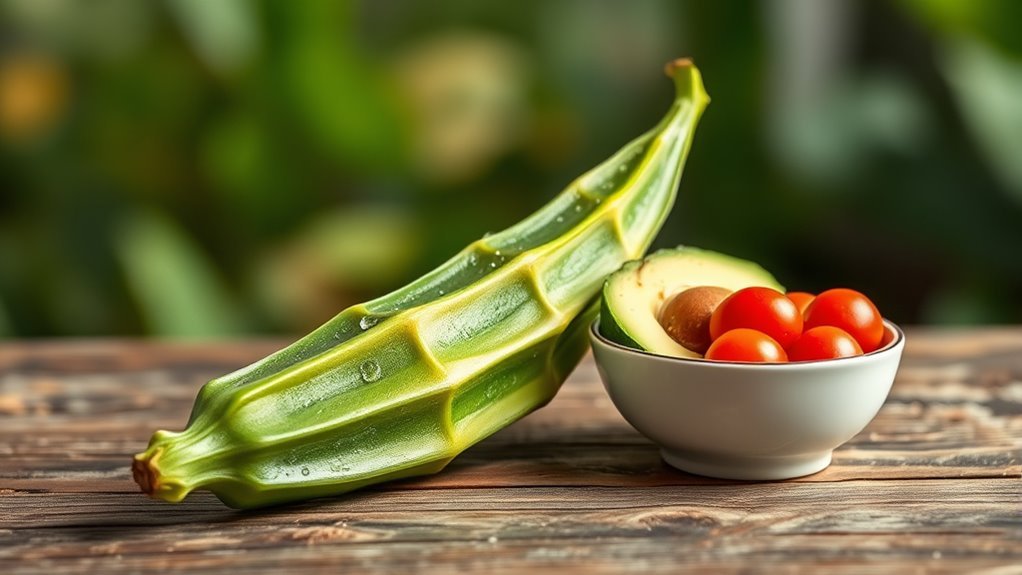
Okra contains about 7 grams of carbohydrates per 100 grams, making it a suitable choice for those following a keto diet. When considering different okra varieties, the carb content can vary slightly, but they generally remain low, keeping your net carbs manageable. Depending on your okra measurements, you can easily incorporate it into your meals without exceeding your daily carb limit. For instance, a half-cup serving of cooked okra typically has around 3-4 grams of carbs, allowing you to enjoy its unique flavor while staying within your dietary requirements. Just remember to account for any additional ingredients in your recipes, as they may contribute to your overall carb intake. Embrace okra as a versatile, low-carb option!
Health Benefits of Okra

Okra offers a variety of health benefits that can enhance your overall well-being. Its impressive nutritional profile includes essential vitamins and minerals, while its antioxidant properties help combat oxidative stress in your body. Additionally, okra is known to support digestive health due to its high fiber content, making it a valuable addition to your diet.
Nutritional Profile Overview
Rich in nutrients, okra boasts a compelling nutritional profile that can complement a keto diet. With various okra varieties available, each offers unique flavors and uses in your meals. Here’s why including okra can be beneficial:
- Low in Calories: Perfect for those watching their intake.
- High in Fiber: Supports digestive health and keeps you feeling full.
- Packed with Vitamins: Rich in Vitamin C and K, crucial for immune function and bone health.
- Mineral Rich: Contains magnesium and potassium, essential for muscle function and heart health.
Incorporating okra into your diet not only enhances flavor but also adds essential nutrients, supporting your overall well-being while enjoying the freedom of a keto lifestyle.
Antioxidant Properties Explained
Antioxidants play an essential role in protecting your body from oxidative stress, and okra is a notable source of these beneficial compounds. Packed with vitamins A and C, along with flavonoids and polyphenols, okra offers significant antioxidant benefits. These antioxidants combat free radicals, which are unstable molecules that can damage your cells and contribute to chronic diseases. By incorporating okra into your diet, you can enhance your body’s defense system, potentially lowering the risk of conditions like heart disease and cancer. Plus, its low-calorie count makes it a smart addition to a keto diet. Embracing okra not only supports your health but also empowers you to take control of your nutrition and well-being.
Digestive Health Support
Digestive health is essential for overall well-being, and incorporating okra into your diet can provide notable support. This nutrient-rich vegetable is packed with fiber benefits, which play a significant role in promoting gut health. Here are some ways okra can help:
- Boosts Digestive Regularity: The high fiber content aids in preventing constipation.
- Supports Healthy Gut Flora: Okra promotes the growth of beneficial bacteria.
- Reduces Inflammation: Its antioxidants can help soothe the digestive tract.
- Enhances Nutrient Absorption: A healthy gut can absorb nutrients more efficiently.
How Okra Fits Into a Keto Diet
When considering okra for your keto diet, it’s important to look at its nutritional profile and carb content. Okra is low in carbohydrates, making it a suitable vegetable choice for maintaining ketosis. By comparing its nutritional values to other veggies, you can determine how well it fits into your meal plan.
Nutritional Profile Analysis
Okra is a low-calorie vegetable that can fit well into a keto diet, thanks to its unique nutritional profile. A nutritional analysis shows that okra contains beneficial dietary components that support your keto journey. Here’s why you might want to include it in your meals:
- Low in Calories: With just 33 calories per 100 grams, it won’t derail your diet.
- Rich in Fiber: It aids digestion, keeping you feeling full longer.
- Packed with Vitamins: Okra offers vitamin C and K, supporting overall health.
- Antioxidant Properties: It helps combat oxidative stress, promoting well-being.
Including okra can help you maintain freedom in your food choices while adhering to your keto lifestyle.
Carb Content Comparison
While many vegetables can be high in carbohydrates, okra stands out as a keto-friendly option due to its relatively low carb content. In fact, one cup of raw okra contains about 7 grams of carbohydrates, making it a suitable choice for those following a ketogenic diet. Different okra varieties may vary slightly in carb counts, but they generally remain low. When you consider serving sizes, a half-cup serving can deliver around 3.5 grams of net carbs, allowing you to enjoy it without exceeding your daily carb limit. Including okra in your meals can help you maintain ketosis while adding flavor and nutrients, giving you the freedom to explore delicious, healthy options without compromising your dietary goals.
Cooking Methods for Okra
There are several effective cooking methods for preparing okra, each bringing out its unique flavor and texture. Whether you’re looking to keep it keto-friendly or simply enjoy its taste, consider these methods:
- Roasting methods: Toss okra with olive oil, salt, and spices before roasting at high heat for a crispy finish.
- Frying techniques: Lightly batter and fry okra for a crunchy snack that’s hard to resist.
- Steaming: Preserve nutrients while creating a tender texture; perfect for healthy meals.
- Sautéing: Quick and easy, sauté okra with garlic and onions for a flavorful side dish.
Each method has its charm, allowing you to enjoy okra in diverse ways while maintaining a low-carb lifestyle.
Delicious Keto Okra Recipes
After exploring various cooking methods for okra, it’s time to get creative in the kitchen with some delicious keto-friendly recipes. One fantastic option is an okra stir fry. Simply sauté sliced okra with your choice of low-carb vegetables like bell peppers and zucchini, adding spices for flavor. If you love a kick, try making spicy okra by tossing it in a blend of cayenne pepper, garlic, and olive oil before roasting. The result is a crunchy, satisfying side dish that fits perfectly into your keto lifestyle. Both recipes are not only easy to prepare but also highlight okra’s unique texture, making them a delightful addition to your meal rotation. Enjoy experimenting with these flavorful, healthy dishes!
Tips for Buying and Storing Okra
When you’re shopping for okra, look for pods that are firm, vibrant green, and free from blemishes. Fresh okra is best enjoyed soon after purchase, but if you need to store it, follow these tips to maximize freshness:
- Refrigerate: Place fresh okra in a paper bag and store it in the fridge. This helps maintain moisture without causing rot.
- Avoid washing: Don’t wash okra until you’re ready to use it. Excess moisture can lead to spoilage.
- Freeze for later: If you can’t use fresh okra right away, blanch it briefly before freezing to preserve nutrients.
- Check for frost: When buying frozen okra, verify the package is intact and free from ice crystals, indicating it’s been stored properly.
With these tips, you can enjoy okra any time!
Frequently Asked Questions about Okra and Keto
1. Is okra a keto-friendly vegetable?
Yes, okra is considered keto-friendly. It is low in carbohydrates, containing approximately 7 grams of carbs per 100 grams, with 3.2 grams of fiber. This results in a net carb count of about 3.8 grams, which fits well within the typical daily carb limits of a ketogenic diet.
2. How can I prepare okra for a keto diet?
Okra can be prepared in various keto-friendly ways. You can sauté it with olive oil, add it to stir-fries, or roast it in the oven. Another delicious option is to fry it in almond flour or coconut flour for a crunchy texture, making it a great side dish or snack that aligns with keto principles.
3. What are the nutritional benefits of okra on a keto diet?
Okra is rich in vitamins A and C, which support immune function and skin health. It also contains antioxidants that may help reduce inflammation. Additionally, the fiber in okra aids digestion and can help with satiety, making it a great addition to a keto diet to maintain overall health while keeping carb intake low.
4. Can I eat okra while on a strict ketogenic diet?
Yes, you can eat okra on a strict ketogenic diet. Due to its low net carb content, it can easily fit into your daily carb allowance. However, it’s important to monitor portion sizes and overall carb intake from other food sources to ensure compliance with your strict keto requirements.
5. Are there any potential downsides to eating okra on a keto diet?
While okra is generally healthy, some individuals may experience digestive issues due to its high fiber content, especially if they are not used to consuming high-fiber foods. Additionally, if you are sensitive to oxalates, it’s worth noting that okra contains them, which can contribute to kidney stone formation in susceptible individuals. Moderation is key, and it’s advisable to consult with a healthcare professional if you have any concerns.
References
- https://www.ncbi.nlm.nih.gov/pmc/articles/PMC5579651/
- https://www.healthline.com/nutrition/okra-benefits
- https://en.wikipedia.org/wiki/Okra
- https://www.medicalnewstoday.com/articles/323123
- https://www.dietitian.com.au/food-groups/vegetables/okra-nutrition
- https://www.cdc.gov/healthyweight/healthy_eating/fruits_vegetables.html