The ketogenic diet can be beneficial for managing PCOS symptoms because it may help improve insulin sensitivity and support weight loss through low carbohydrate intake. This diet focuses on healthy fats, low-carb vegetables, and moderate protein, which may aid in hormone regulation. However, it’s important to contemplate potential drawbacks, like nutrient deficiencies and sustainability issues. To better understand how keto impacts PCOS and make informed choices, you’ll want to explore more details on nutrition and management options.
Understanding PCOS and Its Symptoms
Many people may not realize that Polycystic Ovary Syndrome (PCOS) is a common hormonal disorder affecting individuals with ovaries, often leading to a range of symptoms. You might experience irregular menstrual cycles, weight gain, acne, or excessive hair growth, all linked to hormonal imbalance. Understanding these symptoms is essential for effective symptom management. While the exact cause of PCOS isn’t fully understood, it’s believed that genetics and lifestyle factors play significant roles. Recognizing these signs early can empower you to seek appropriate treatment and make informed choices about your health. Exploring various management strategies, including lifestyle changes and medical interventions, can help you regain balance and improve your quality of life, ultimately fostering a sense of freedom in your daily routines.
Overview of the Ketogenic Diet

The ketogenic diet is a low-carb, high-fat eating plan designed to shift your body into a state of ketosis, where it burns fat for fuel instead of carbohydrates. This dietary approach may help improve hormonal balance, which is particularly beneficial for individuals with PCOS. By understanding the principles and potential benefits of keto, you can make informed choices about your dietary options.
Principles of Ketogenic Diet
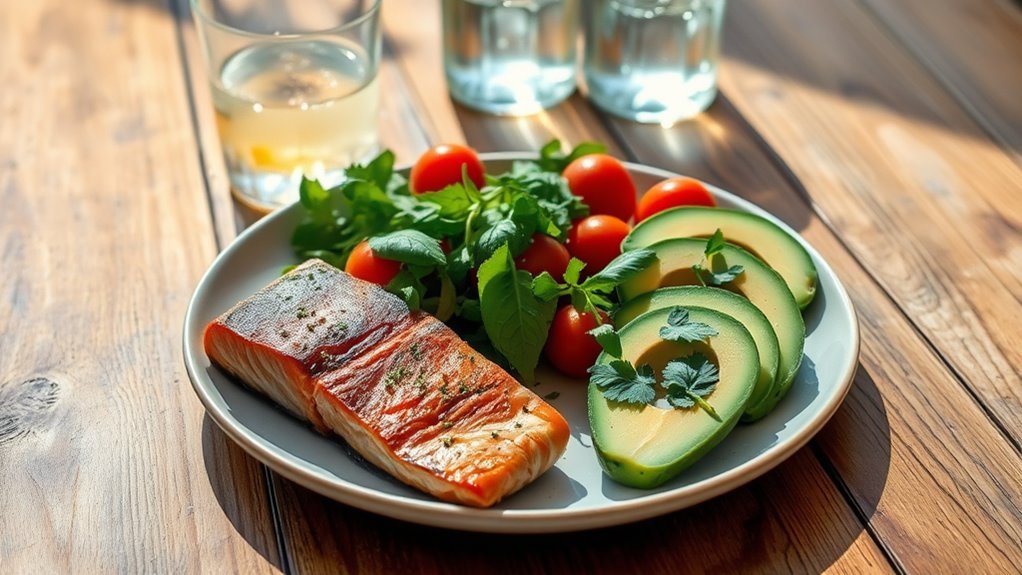
While you may have heard about the ketogenic diet as a popular weight-loss strategy, it’s fundamentally a low-carbohydrate, high-fat eating plan designed to shift your body’s metabolism into a state of ketosis. Understanding the ketogenic principles is key to making this approach effective. Here are some diet staples to reflect on:
- Healthy Fats: Include sources like avocados, nuts, and olive oil.
- Low-Carb Vegetables: Focus on leafy greens, broccoli, and zucchini.
- Moderate Protein: Choose quality proteins such as fish, chicken, and eggs.
- Eliminate Sugars and Grains: Avoid foods high in sugar and refined carbs.
Benefits for Hormonal Balance
When it comes to managing hormonal imbalances, adopting a ketogenic diet may offer several benefits that could help alleviate symptoms associated with conditions like PCOS. By considerably reducing carbohydrate intake, you can improve insulin sensitivity, which is vital for stabilizing hormonal fluctuations. Research suggests that a ketogenic diet may help lower insulin levels, potentially reducing the severity of symptoms like weight gain, irregular periods, and acne. Additionally, this diet promotes fat burning, which can lead to weight loss—a key factor in managing PCOS. However, it’s important to approach this diet mindfully, as individual responses can vary. Consulting a healthcare professional can help tailor the ketogenic approach to your unique needs, ensuring you achieve the best hormonal balance.
Potential Benefits of Keto for PCOS

Many women with PCOS struggle with weight gain and insulin resistance, making dietary choices essential for managing their symptoms. The keto diet may offer several potential benefits:
- Improved Insulin Sensitivity: By reducing carbohydrate intake, the keto impact can help stabilize blood sugar levels, promoting better insulin sensitivity.
- Weight Loss: The high-fat, low-carb approach may aid in weight loss, which is often a concern for those with PCOS.
- Hormonal Balance: A ketogenic diet can help regulate hormones, potentially easing some PCOS symptoms.
- Reduced Inflammation: Some studies suggest that keto may lower inflammation, which is linked to PCOS complications.
While individual results may vary, exploring these benefits might empower you to manage your PCOS more effectively.
Possible Drawbacks and Risks of Keto
While the keto diet can offer benefits for managing PCOS, it’s important to evaluate some potential drawbacks. You might face nutrient deficiencies due to restricted food choices, and the long-term sustainability of such a low-carb lifestyle can be challenging for many. Understanding these risks can help you make a more informed decision about whether keto is right for you.
Nutrient Deficiency Concerns
Although the ketogenic diet can offer benefits for managing PCOS symptoms, it’s important to contemplate potential nutrient deficiencies that may arise from such a restrictive eating plan. Here are some key nutrient sources you might miss out on and their associated deficiency symptoms:
- Fiber: Low intake can lead to constipation and digestive issues.
- Magnesium: Deficiency may cause muscle cramps, fatigue, and mood swings.
- Vitamins A, C, and K: Lack of these vitamins can result in weakened immunity and poor skin health.
- Electrolytes: Insufficient sodium, potassium, or calcium can lead to cramping and heart palpitations.
Being aware of these concerns allows you to make informed choices and guarantee you’re supporting your body while managing PCOS effectively.
Long-term Sustainability Issues
As you consider the ketogenic diet for managing PCOS, it’s essential to evaluate its long-term sustainability and potential drawbacks. While the keto approach may offer initial benefits, the long-term effects on health and diet adherence can be concerning. Many people struggle to maintain such a restrictive diet, leading to potential weight regain and feelings of frustration. Additionally, the lack of variety in food choices could contribute to nutrient deficiencies over time. Research suggests that for some, the rigid structure of keto might not be sustainable, which could hinder your overall health goals. It’s vital to weigh these risks against potential benefits and consider more balanced, flexible dietary options that support both PCOS management and long-term wellness.
Nutritional Considerations for Women With PCOS
What nutritional strategies can women with PCOS adopt to effectively manage their symptoms? Focusing on balanced nutrition can enhance weight management and improve insulin sensitivity. Here are four key strategies to take into account:
- Low Glycemic Index Foods: Choose whole grains, legumes, and non-starchy vegetables to stabilize blood sugar levels.
- Healthy Fats: Incorporate sources like avocados, nuts, and olive oil, which can help reduce inflammation.
- Lean Proteins: Opt for chicken, fish, and plant-based proteins to support muscle maintenance and satiety.
- Fiber-Rich Foods: Include fruits, vegetables, and whole grains to aid digestion and promote fullness.
Making an Informed Decision on Keto and PCOS
When considering whether a ketogenic diet is a suitable option for managing PCOS, it is essential to weigh the potential benefits against any possible drawbacks. While many believe the keto lifestyle can help regulate insulin levels and promote weight loss, it’s important to dispel keto myths that suggest it’s a one-size-fits-all solution. Each person’s experience with PCOS is unique, and what works for one might not work for another. Incorporating healthy lifestyle changes—like balanced nutrition and regular exercise—can also be effective. Before making any significant dietary decisions, consult with a healthcare provider to tailor a plan that aligns with your individual needs, ensuring you make an informed choice that promotes long-term health and well-being.
1. What is the ketogenic diet, and how does it work for PCOS?
The ketogenic diet is a high-fat, low-carbohydrate diet that aims to put the body into a state of ketosis. In this state, the body burns fat for fuel instead of carbohydrates. For women with Polycystic Ovary Syndrome (PCOS), the keto diet can help manage insulin levels, reduce inflammation, and promote weight loss, which are essential for alleviating PCOS symptoms.
2. Can the keto diet help with weight loss in women with PCOS?
Yes, the keto diet can be effective for weight loss in women with PCOS. Many women with PCOS struggle with weight management due to insulin resistance. The ketogenic diet helps reduce insulin levels and may improve insulin sensitivity, leading to weight loss. Additionally, the high-fat content of the diet can promote satiety, making it easier to consume fewer calories overall.
3. Are there any risks associated with the keto diet for women with PCOS?
While many women with PCOS may benefit from the ketogenic diet, there are some potential risks. These can include nutrient deficiencies if the diet is not well-planned, potential adverse effects on cholesterol levels, and the “keto flu,” which can occur during the initial transition to ketosis. It’s crucial for individuals to consult with a healthcare professional before starting any new diet, especially if they have underlying health conditions.
4. How long should one follow the keto diet for PCOS?
The duration of following the keto diet for PCOS can vary for each individual. Some may choose to follow it for a few months to achieve initial weight loss and symptom management, while others may adopt it as a long-term lifestyle change. It is essential to monitor your body’s response and consult with a healthcare provider to determine the most suitable approach for your health and lifestyle.
5. What foods are recommended on a keto diet for managing PCOS?
A keto diet for managing PCOS typically includes high-fat foods like avocados, nuts, seeds, olive oil, and fatty fish. Low-carb vegetables such as spinach, kale, and broccoli are also encouraged. It’s important to avoid high-sugar and high-carb foods, including grains, sugary snacks, and most fruits. Focusing on whole, nutrient-dense foods can support overall health while managing PCOS symptoms.
References
- https://www.ncbi.nlm.nih.gov/pmc/articles/PMC7077392/
- https://www.healthline.com/nutrition/keto-and-pcos
- https://www.womenshealth.gov/a-z-topics/polycystic-ovary-syndrome
- https://www.ncbi.nlm.nih.gov/pmc/articles/PMC8655862/
- https://www.endocrineweb.com/conditions/polycystic-ovary-syndrome/pcos-and-keto-diet
- https://www.thyroid.org/patient-safety/patient-information/patient-information-articles/polycystic-ovary-syndrome-and-the-keto-diet/