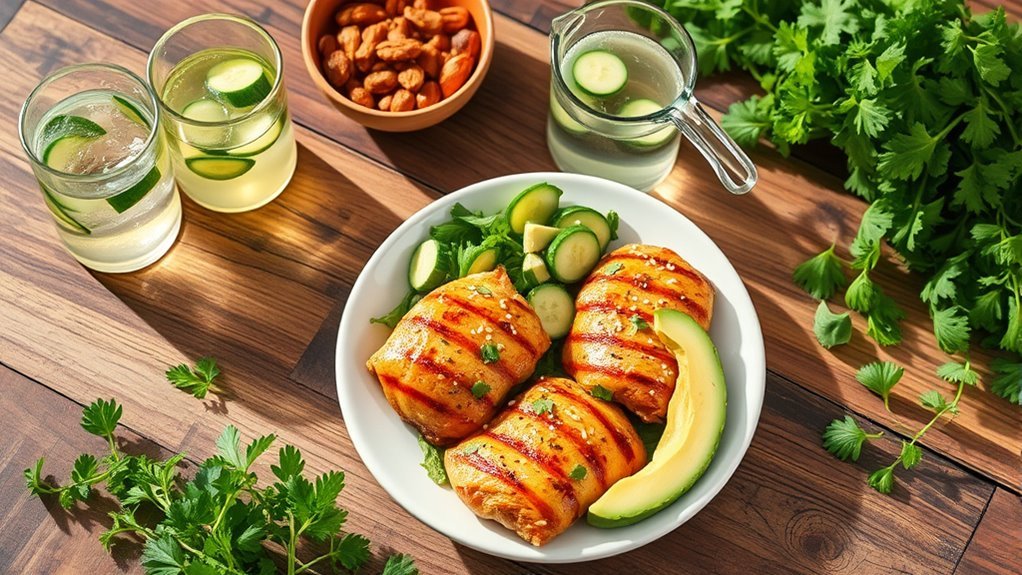

On a keto diet, you should aim for 0.6 to 1.0 grams of protein per pound of your body weight. This range helps maintain muscle mass and supports overall health during ketosis. Active individuals may need more for recovery, while older adults might require higher amounts to combat muscle loss. It’s crucial to monitor your intake to avoid disrupting ketosis. If you’re curious about balancing your protein with fats and carbs, there’s more to explore.
Understanding Protein’s Role in the Keto Diet
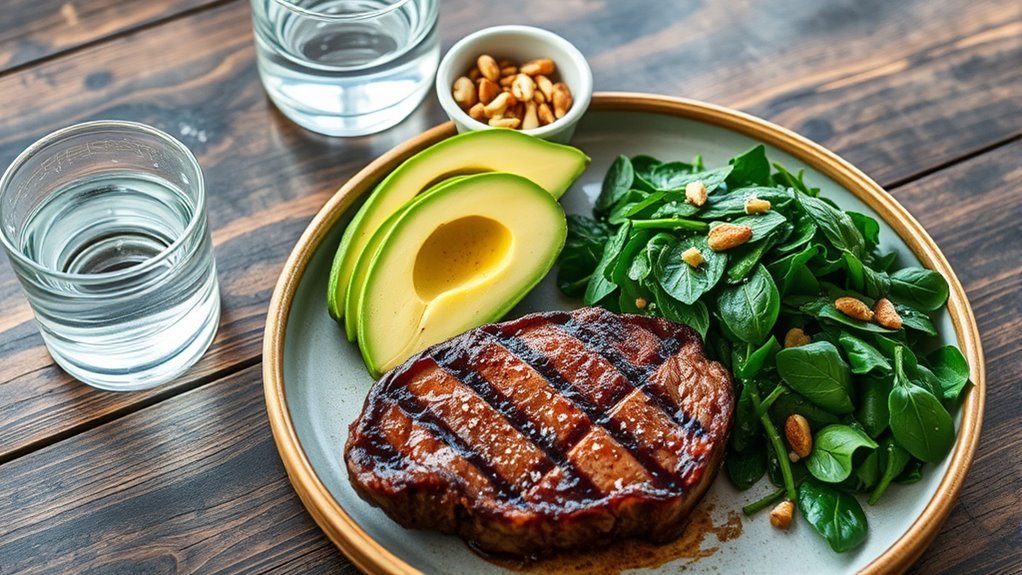
When you commence on a keto diet, understanding protein’s role is vital, as it can greatly affect your results. Protein metabolism is important because it helps your body maintain muscle mass while in a state of ketosis. Consuming adequate protein supports muscle preservation, which is especially important during weight loss. When you’re in ketosis, your body shifts from burning carbohydrates to utilizing fats for energy, but it still needs protein to repair and build tissues. Balancing your protein intake guarantees you’re not only fueling your body effectively, but also preventing muscle loss, which can occur if protein levels are too low. Ultimately, by prioritizing protein, you empower yourself to achieve a healthier, more sustainable keto experience.
Calculating Your Ideal Protein Intake
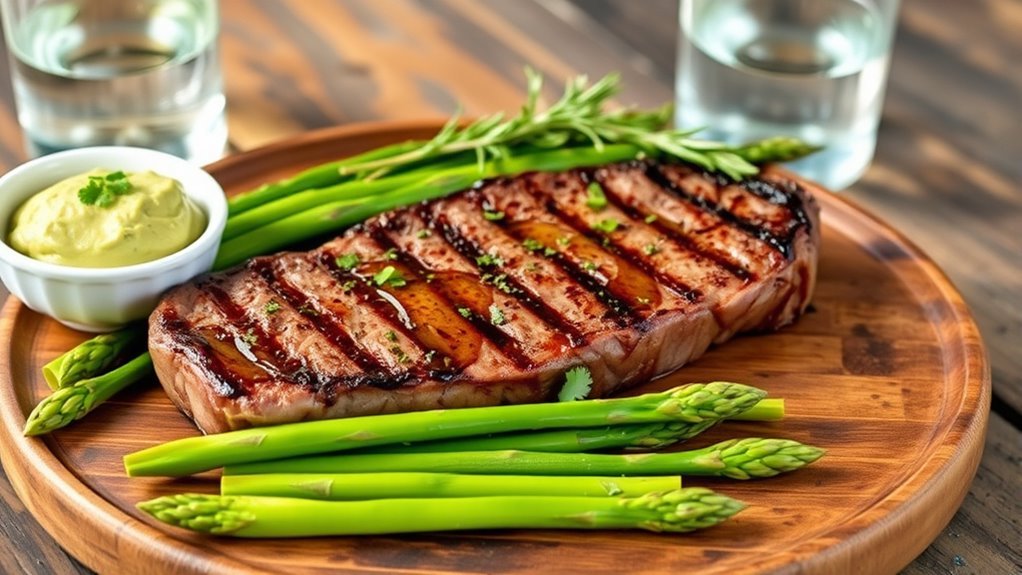
To calculate your ideal protein intake on a keto diet, you first need to understand your individual protein needs based on factors like age, weight, and activity level. These factors can considerably influence how much protein you should consume to maintain muscle mass and support your overall health. Adjusting your intake according to your activity level guarantees you’re getting the right amount to fuel your body while staying in ketosis.
Understanding Protein Needs
While the ketogenic diet primarily focuses on high fat intake, understanding your protein needs is crucial for maintaining muscle mass and overall health. Here’s how to calculate your ideal protein intake:
- Consider your weight: Generally, aim for 0.6 to 1.0 grams of protein per pound of body weight.
- Factor in activity level: Active individuals may require more to support muscle recovery.
- Monitor protein digestion: Choose high-quality sources that your body absorbs efficiently.
- Balance with fats: Make sure you’re not overloading on protein; too much can disrupt ketosis.
- Adjust as needed: Listen to your body and make changes based on your energy levels and results.
Factors Affecting Intake
Several factors influence how much protein you should consume on a keto diet, making it important to tailor your intake to your individual needs. Your activity intensity, metabolic rate, age factors, muscle mass, dietary preferences, and any health conditions can all play a significant role in determining your ideal protein intake.
Here’s a helpful table to guide you:
| Factor | Influence on Protein Intake | Considerations |
|---|---|---|
| Activity Intensity | Higher needs | More protein for athletes or active individuals |
| Metabolic Rate | Varies | Faster metabolism may require more protein |
| Age Factors | Changes over time | Older adults may need more to maintain muscle |
| Muscle Mass | More protein needed | Greater muscle mass demands higher intake |
| Dietary Preferences | Individual choices | Align protein sources with personal values |
Adjusting for Activity Level
Adjusting your protein intake based on your activity level is essential for optimizing your ketogenic diet. Your protein needs vary depending on the activity types you engage in and their intensity levels.
To calculate your ideal protein intake, consider these factors:
- Endurance Activities: Lower protein; focus on carbs for energy.
- Strength Training: Higher protein; muscle repair and growth are vital.
- High-Intensity Interval Training (HIIT): Moderate protein; balance energy and recovery.
- Sedentary Lifestyle: Maintain a baseline protein intake; avoid excess.
- Active Lifestyle: Adjust upwards; support increased muscle and energy needs.
Factors That Influence Protein Needs
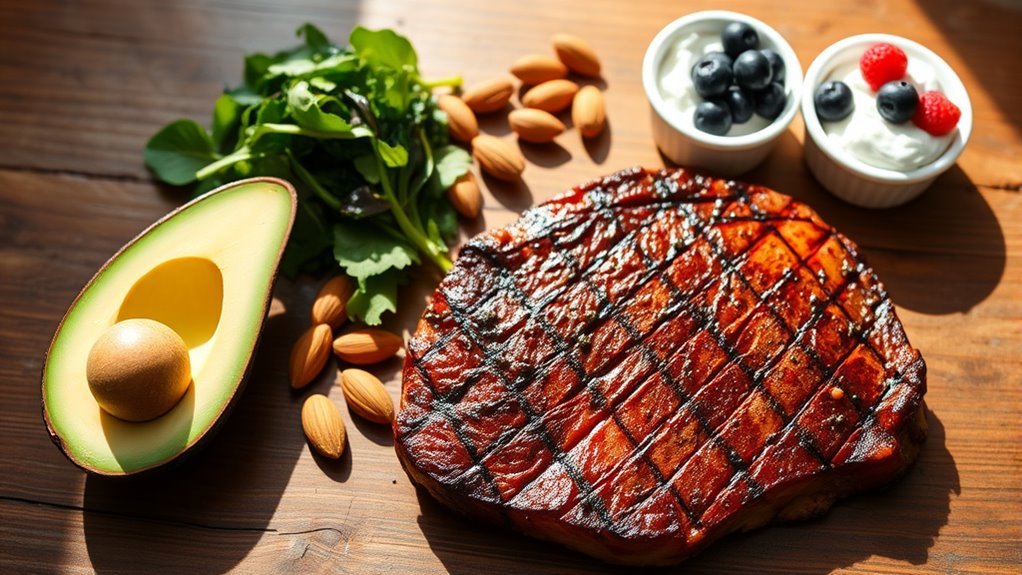
Understanding the factors that influence your protein needs is essential for optimizing your keto diet. Several key elements, including age factors, activity intensity, muscle mass, metabolic rate, health conditions, and dietary preferences, play a vital role in determining how much protein you should consume.
| Factor | Influence on Protein Needs |
|---|---|
| Age Factors | Protein needs often increase with age to maintain muscle mass. |
| Activity Intensity | Higher activity levels require more protein for recovery. |
| Muscle Mass | More muscle mass typically means a higher protein requirement. |
| Metabolic Rate | A faster metabolic rate can increase protein needs. |
| Health Conditions | Certain conditions may necessitate increased protein intake. |
Types of Protein Sources for Keto
When you’re following a keto diet, choosing the right protein sources is essential for meeting your nutritional needs while staying within carbohydrate limits. You’ll want to focus on both animal and plant-based proteins to guarantee high protein quality. Consider these options:
- Dairy sources: Full-fat cheese and Greek yogurt for healthy fats and protein.
- Seafood options: Fatty fish like salmon and mackerel for omega-3s.
- Egg varieties: Whole eggs are nutrient-dense and versatile.
- Nut proteins: Almonds and walnuts provide healthy fats along with protein.
- Protein supplements: Protein powders can help you meet your daily intake conveniently.
Timing your protein intake throughout the day can also enhance muscle recovery and support your keto goals.
Balancing Protein With Fats and Carbs
While you’re focusing on protein intake in a keto diet, it’s essential to strike a balance with fats and carbohydrates to achieve ideal results. Proper protein distribution within your keto macros can support fat adaptation without sacrificing energy levels. Aim for high-quality protein sources that offer nutrient density, ensuring your body gets the essential amino acids it needs. Consider meal timing and frequency; spreading your protein intake throughout the day can enhance absorption and promote muscle maintenance. Some individuals may benefit from protein cycling, adjusting their intake based on activity levels. Ultimately, the goal is to create a harmonious balance that fuels your body while respecting the principles of a ketogenic lifestyle.
Signs You’re Not Getting Enough Protein
If you find yourself feeling fatigued, experiencing muscle loss, or struggling with recovery after workouts, it might be a sign that you’re not getting enough protein in your diet. Recognizing protein deficiency symptoms can empower you to take control of your nutrition. Here are some signs you may be facing protein absorption issues:
Feeling fatigued or losing muscle? It could indicate insufficient protein intake in your diet.
- Persistent fatigue and low energy
- Unexplained weight loss or muscle wasting
- Frequent infections or illness
- Poor recovery from injuries or workouts
- Hair thinning or brittle nails
If you notice these symptoms, it’s essential to evaluate your protein intake. A well-balanced keto diet should provide adequate protein to support your health and fitness goals, so you can thrive without feeling restricted.
Adjusting Protein Intake for Weight Loss
Noticing signs of inadequate protein intake can prompt a reevaluation of your diet, especially if weight loss is a goal. Adjusting your protein intake is essential for achieving ideal results. Focus on protein quality by choosing lean meats, fish, and high-quality plant sources. Additionally, consider protein timing; consuming protein throughout the day can enhance muscle preservation and satiety.
Here’s a quick reference table to help you adjust your intake:
| Protein Source | Quality Rating | Ideal Timing |
|---|---|---|
| Chicken Breast | High | Post-workout |
| Salmon | High | Breakfast |
| Greek Yogurt | Medium | Snack |
| Tofu | Medium | Lunch |
| Eggs | High | Anytime |
Meal Planning for Optimal Protein on Keto
How can you effectively plan your meals to guarantee ideal protein intake on a keto diet? Meal prepping is vital for maintaining your protein levels while enjoying meal variety. Here are some tips to help you with your weekly planning:
- Protein portioning: Measure your protein sources to confirm you’re hitting your targets.
- Recipe ideas: Experiment with different keto recipes to keep meals interesting.
- Snack options: Incorporate high-protein snacks like cheese or nuts to fill gaps.
- Ingredient swaps: Use alternatives like cauliflower rice in place of grains for low-carb meals.
- Cooking techniques: Explore grilling, baking, or sautéing to enhance flavors without extra carbs.
With these strategies, you’ll not only meet your protein needs but also enjoy delicious, budget-friendly options!
Common Mistakes to Avoid With Protein on Keto
While following a keto diet, it’s easy to make common mistakes that can hinder your protein intake and overall progress. One major pitfall is protein overconsumption, which can kick you out of ketosis. You need to be mindful of protein source selection—too much from low-quality sources can lead to unwanted carbs and additives. Here’s a quick reference table to help you avoid these mistakes:
| Mistake | Consequence | Solution |
|---|---|---|
| Overeating protein | Kicking out of ketosis | Monitor your intake |
| Ignoring source quality | Extra carbs/additives | Choose whole, fatty proteins |
| Skipping variety | Nutritional gaps | Include diverse sources |
| Relying on supplements | Missing whole foods | Focus on real food sources |
| Lack of balance | Poor health outcomes | Pair protein with fats |
Stay informed and make conscious choices to enjoy the freedom of keto!
Frequently Asked Questions
1. How much protein should I consume on a keto diet?
The general guideline for protein intake on a keto diet is about 20-25% of your daily caloric intake. For most people, this translates to around 0.6 to 1.0 grams of protein per pound of lean body mass or about 1.2 to 1.7 grams per kilogram. It’s important to adjust your protein intake based on your activity level, age, and personal health goals.
2. Can I eat too much protein on a keto diet?
Yes, consuming too much protein can potentially kick you out of ketosis. Excess protein can be converted to glucose through a process called gluconeogenesis, which may hinder your body’s ability to burn fat for energy. It’s essential to find the right balance that maintains your ketosis while still providing adequate protein for muscle maintenance and overall health.
3. What are the best sources of protein on a keto diet?
Some of the best sources of protein on a keto diet include grass-fed meats, poultry, eggs, fatty fish (like salmon and sardines), full-fat dairy products (such as cheese and Greek yogurt), and plant-based options like nuts and seeds. When selecting protein sources, opt for those that are low in carbohydrates and high in healthy fats to align with the keto principles.
4. How can I track my protein intake on a keto diet?
To effectively track your protein intake on a keto diet, consider using a food diary or a nutrition tracking app. These tools can help you log your meals and calculate the macronutrient breakdown, including protein, fats, and carbohydrates. Be sure to weigh your food portions for accuracy and check nutrition labels to stay within your desired protein range.
5. Is it necessary to take protein supplements on a keto diet?
While it is not strictly necessary to take protein supplements on a keto diet, they can be beneficial for certain individuals, especially those who struggle to meet their protein needs through whole foods alone. If you choose to use protein powders, select low-carb options that fit within your macros. Always prioritize whole food sources of protein, as they provide additional nutrients and benefits.
References
- https://www.ncbi.nlm.nih.gov/pmc/articles/PMC7690568/
- https://www.healthline.com/nutrition/keto-diet-protein
- https://www.webmd.com/diet/what-is-the-keto-diet
- https://www.mayoclinic.org/healthy-lifestyle/nutrition-and-healthy-eating/expert-answers/keto-diet/faq-20457504
- https://www.nutrition.org.uk/healthyliving/basics/protein.html
- https://www.cdc.gov/healthyweight/healthy_eating/protein.html
- https://www.researchgate.net/publication/329406597_Protein_intake_and_ketogenic_diet_for_weight_loss_in_obese_individuals_a_review