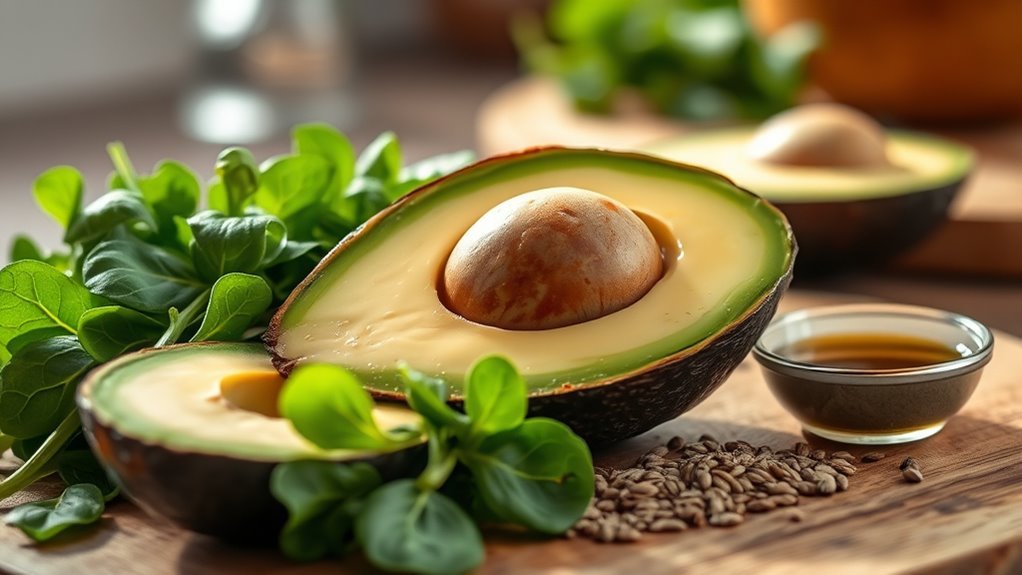

To do keto, you’ll need to shift your body from burning carbs to using fats for fuel, which can lead to weight loss and better energy. Focus on healthy fats like avocados and nuts, and eat low-carb veggies. Avoid bread, pasta, and sugary snacks. Meal planning is essential for success, and staying hydrated helps reduce cravings. Embrace the keto lifestyle gradually to adapt. There’s much more to discover about making keto work for you.
Understanding Ketosis
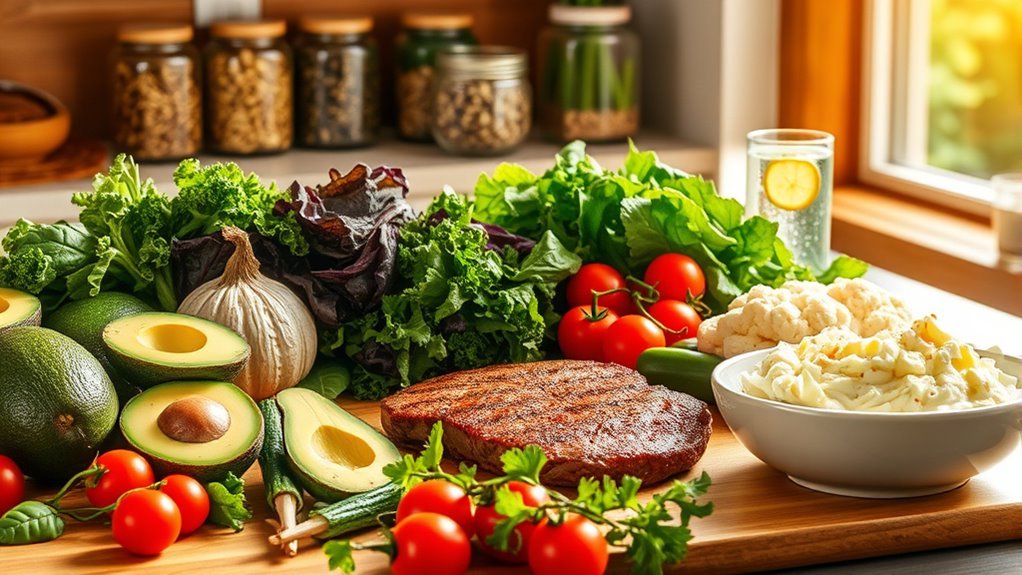
Understanding ketosis is vital for anyone considering the ketogenic diet. When your body enters ketosis, it shifts from burning carbohydrates to utilizing fat for fuel, which can lead to significant weight loss and increased energy levels. Common ketosis benefits include improved mental clarity and reduced hunger, making it easier to maintain a healthy lifestyle. However, you should be aware of ketosis symptoms, such as fatigue or headaches, as your body adjusts to this new energy source. These symptoms, often referred to as the “keto flu,” typically subside in a few days. Embracing ketosis can offer you a sense of freedom in managing your health and weight, but it’s important to stay informed about both its benefits and potential challenges.
Foods to Eat on a Keto Diet
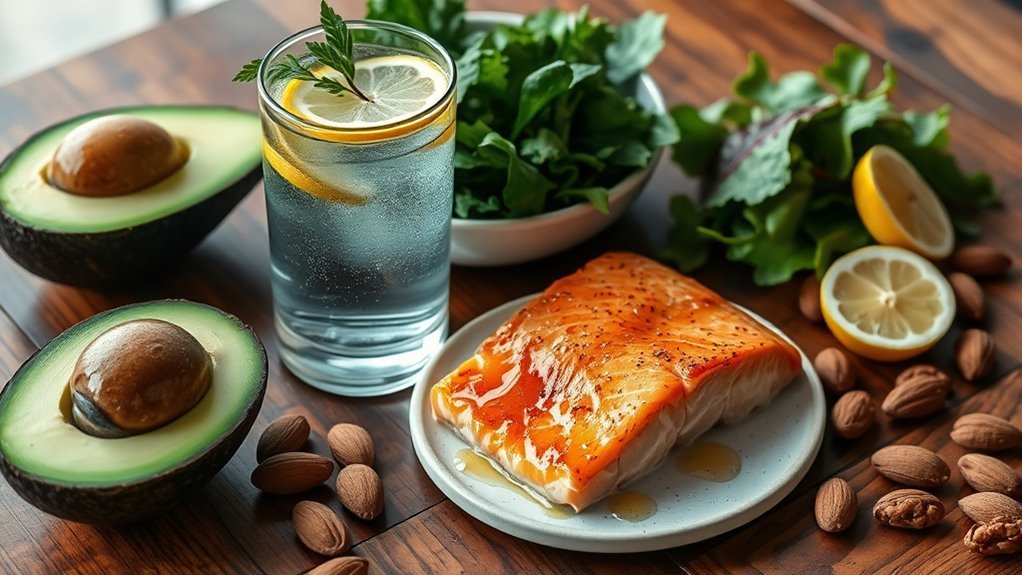
When following a keto diet, focusing on healthy fat sources and low-carb vegetables is essential for maintaining ketosis. Incorporating foods like avocados, nuts, and leafy greens can help you meet your nutritional needs while keeping your carbohydrate intake low. Understanding these options will make it easier for you to create balanced meals that support your keto journey.
Healthy Fats Sources
Incorporating healthy fats into your keto diet is crucial for maintaining energy levels and supporting overall health. Avocado benefits include heart-healthy monounsaturated fats, while nut varieties like almonds and walnuts provide great crunch and nutrients. Olive oil and coconut oil are excellent choices for cooking or drizzling over dishes. When it comes to cheese options, select high-fat varieties like cheddar or blue cheese that enhance flavor. Fatty fish, such as salmon, are rich in omega-3s, and seeds benefits, like those from chia or flax, add fiber and healthy fats. Explore different butter types and cream usage to enrich your meals, and consider quality meat selection to guarantee you’re fueling your body with the best fats available.
Low-Carb Vegetables Choices
While many vegetables are packed with essential nutrients, not all fit into a keto diet due to their carbohydrate content. Focus on low-carb options like leafy greens, zucchini, cauliflower, and bell peppers, which offer significant vegetable benefits without spiking your carb intake. These choices are nutrient-dense, providing vitamins and minerals while enhancing your meals’ versatility. Incorporate fiber sources like broccoli and asparagus to support digestion. Experiment with various cooking methods—roasting, steaming, or sautéing—to bring out natural flavors. Consider seasonal choices to keep your meals new and exciting. Use portion control to maintain your carb limits, and try flavor enhancements like herbs and spices. Don’t forget salad ideas that combine these vegetables for a revitalizing, keto-friendly meal!
Foods to Avoid on a Keto Diet
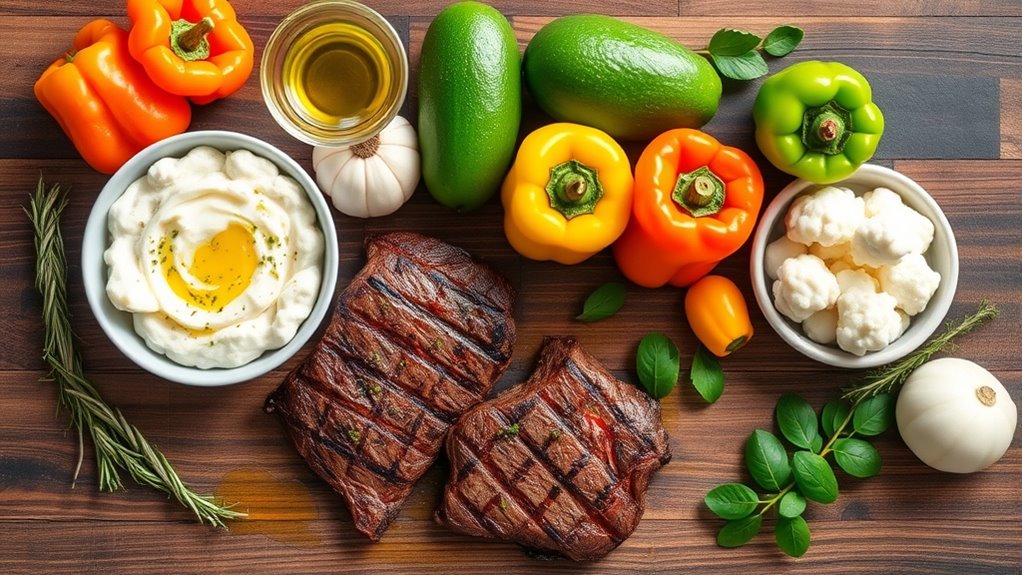
To successfully maintain a ketogenic diet, it’s crucial to identify and avoid specific foods that can disrupt your body’s state of ketosis. Start by steering clear of high-carb foods like bread, pasta, and sugary snacks, which can greatly increase your carb intake. Be mindful of hidden sugars in sauces, dressings, and even some seemingly healthy snacks. Instead, focus on keto-friendly snacks, such as nuts, cheese, and avocados, that fit within your carb limits. Processed foods are another area to watch; they often contain added sugars and unhealthy fats. By eliminating these items, you’ll empower yourself to stay in ketosis and enjoy the freedom that comes with a successful keto lifestyle. Remember, knowledge is key to making informed choices!
Meal Planning for Keto Success
Meal planning is vital for your success on the keto diet, as it helps you stay organized and focused on your goals. By incorporating essential keto ingredients and preparing meals in advance, you’ll find it easier to stick to your plan. Additionally, having a selection of keto-friendly snacks on hand can keep you satisfied and prevent cravings.
Essential Keto Ingredients
A variety of essential ingredients can make or break your keto meal planning. Stocking your kitchen with keto pantry essentials is vital for success. Start with must-have ingredients like healthy fats—avocado oil, coconut oil, and grass-fed butter—that’ll keep your meals flavorful and satisfying. Don’t forget low-carb vegetables such as spinach, zucchini, and cauliflower, which provide nutrients without spiking your blood sugar. Incorporating quality proteins like grass-fed beef, free-range chicken, and wild-caught fish will help you feel full while supporting muscle maintenance. Finally, consider adding nuts, seeds, and keto-friendly snacks to curb cravings. By having these ingredients on hand, you’ll enjoy the freedom to create delicious, satisfying meals that adhere to your keto lifestyle.
Weekly Meal Prep Tips
With a well-stocked kitchen of keto-friendly ingredients, the next step is effectively planning your meals for the week. Start by choosing a day for your meal prep, allowing you to batch cook meals that can be stored in meal prep containers for easy access. Consider cooking proteins like chicken or beef in bulk, and pair them with low-carb vegetables. This way, you’ll have satisfying meals ready to go, reducing the temptation to stray from your keto goals. Don’t forget to portion out snacks if they’re part of your plan. By organizing your meals, you’ll not only save time but also create a structure that supports your keto lifestyle, giving you the freedom to enjoy delicious, health-conscious choices throughout the week.
Snack Ideas for Keto
Finding the right snacks can be a game changer when you’re sticking to a keto diet. Quick keto snacks not only help curb cravings but also keep your energy levels stable. Consider options like sliced cucumbers with cream cheese, or avocado with sea salt for satisfying keto snack recipes. Nuts, especially almonds and macadamia nuts, provide healthy fats and protein, making them ideal for on-the-go munching. Cheese sticks and pepperoni slices also make for delicious, low-carb choices. Finally, hard-boiled eggs are a perfect snack that’s filling and nutritious. With these options, you’ll enjoy freedom in your snacking while staying on track with your keto goals. Remember, planning ahead is key to success!
Tips for Transitioning to Keto
Shifting to a ketogenic diet can be a significant change, especially if you’re used to a higher carbohydrate intake. Embracing the keto mindset is essential for success. Start by joining support groups where you can share experiences and get encouragement. Implement meal timing strategies to regulate your eating schedule, and don’t forget your hydration strategies—staying hydrated helps curb cravings.
Here’s a quick reference table to help you navigate:
| Tip | Action |
|---|---|
| Craving Management | Opt for keto-friendly snacks |
| Carb Cycling | Plan low-carb days to prevent plateaus |
| Exercise Integration | Incorporate strength training |
| Recipe Adaptation | Modify your favorite meals for keto |
These steps can help you feel empowered and ready for your keto journey!
Common Challenges and How to Overcome Them
As you embrace the keto lifestyle, you may encounter several common challenges that could derail your progress. One major hurdle is managing keto cravings. To overcome this, focus on eating satisfying, high-fat meals that keep you full longer. Incorporating healthy snacks like nuts or cheese can help curb those sudden urges.
Social situations can also pose challenges. Use social eating strategies by planning ahead—check menus beforehand or suggest keto-friendly dining options. Let friends and family know about your dietary choices; their support can make a difference. Remember, it’s about balance and finding ways to enjoy social gatherings without compromising your goals. With these strategies, you can navigate challenges and maintain your freedom while thriving on keto.
Maintaining a Long-Term Keto Lifestyle
To successfully maintain a long-term keto lifestyle, it’s vital to prioritize sustainable habits over quick fixes. Embrace a keto mindset by focusing on whole, nutrient-dense foods rather than processed options. This approach not only aids weight management but also supports overall health. It’s essential to listen to your body and adjust your macros as needed for long-term sustainability. Remember, flexibility is key—allow yourself occasional treats without guilt to prevent feelings of deprivation. Building a supportive community can also enhance your journey, providing motivation and accountability. By integrating these practices, you’ll find freedom in your keto lifestyle, making it easier to stick with over time. Ultimately, consistency, balance, and self-awareness are your allies in this rewarding journey.
Frequently Asked Questions about Keto
1. What is the ketogenic diet?
The ketogenic diet, or keto for short, is a low-carbohydrate, high-fat diet that aims to shift the body’s metabolism from burning carbohydrates for energy to burning fats. Typically, the macronutrient breakdown in a keto diet is about 70-75% fats, 20-25% protein, and only 5-10% carbohydrates. This change in fuel source puts the body into a metabolic state called ketosis, where it becomes highly efficient at burning fat for energy.
2. How do I start a keto diet?
To start a keto diet, begin by calculating your daily caloric needs and adjusting your macronutrient ratios to fit the keto model. Gradually reduce your carbohydrate intake while increasing your fat intake. Focus on whole, nutrient-dense foods such as avocados, nuts, seeds, leafy greens, and healthy oils. It may be beneficial to plan your meals ahead of time and keep track of your macro intake using a food diary or an app. Also, drinking plenty of water and considering electrolytes will help during the initial transition.
3. What foods can I eat on a keto diet?
On a keto diet, you can enjoy a variety of foods that are high in healthy fats and low in carbohydrates. Some examples include fatty fish (like salmon), meat (including beef, pork, and poultry), eggs, dairy (such as cheese and unsweetened yogurt), non-starchy vegetables (like spinach, broccoli, and zucchini), avocados, nuts and seeds, and healthy oils (like olive oil and coconut oil). It’s important to avoid grains, sugar, starchy vegetables, and most fruits.
4. What are the potential side effects of the keto diet?
Some people may experience side effects when starting a keto diet, commonly referred to as “keto flu.” Symptoms can include headaches, fatigue, dizziness, nausea, and irritability as the body adjusts to ketosis. These symptoms are usually temporary and can be alleviated by staying hydrated, replenishing electrolytes, and gradually transitioning into the diet. Long-term adherence to the keto diet may also pose risks such as nutrient deficiencies or effects on heart health, so consulting with a healthcare provider is advisable.
5. Can I exercise while on a keto diet?
Yes, you can exercise while on a keto diet, but the type and intensity of your workouts may need to be adjusted as your body adapts to using fat as fuel. Initially, you may find your energy levels are lower, especially for high-intensity workouts. It’s best to start with moderate exercise, like walking or light strength training, and gradually increase intensity. Many people find that after a few weeks on keto, their energy levels improve, allowing them to return to their usual exercise routines.
References
- https://www.ncbi.nlm.nih.gov/pmc/articles/PMC7071430/
- https://www.healthline.com/nutrition/ketogenic-diet-101
- https://www.cdc.gov/healthyweight/healthy_eating/dietary_guidelines.html
- https://www.mayoclinic.org/healthy-lifestyle/nutrition-and-healthy-eating/in-depth/keto-diet/art-20459867
- https://www.webmd.com/diet/what-is-the-ketogenic-diet
- https://www.nutrition.gov/topics/whats-your-nutrition-need/healthy-eating
- https://www.hhs.gov/fitness/resource-center/healthy-eating.html
- https://www.who.int/news-room/fact-sheets/detail/healthy-diet