
Yes, you can have mayo on a keto diet! It’s low in carbs, usually containing 0-1g per serving, and packed with healthy fats that help maintain ketosis. Traditional mayo is a great choice, but opt for brands without added sugars or go for avocado mayo for added health benefits. Just be mindful of portion sizes, as calories can add up. If you’re curious about types and ways to use mayo in your keto meals, there’s more to explore.
Understanding the Keto Diet

When you immerse yourself in the keto diet, you’ll find it’s all about drastically reducing carbohydrates while increasing fats, which puts your body into a state of ketosis. The keto principles emphasize eating low carb foods such as leafy greens, avocados, and nuts, while avoiding high-carb options like bread and sugar. This shift encourages your body to burn fat for energy instead of glucose, offering a unique sense of freedom in your dietary choices. You’ll discover that planning meals around healthy fats, like olive oil and fatty fish, can be both satisfying and energizing. By understanding these principles, you can navigate the keto lifestyle with confidence and make informed decisions that align with your health goals.
What Is Mayonnaise?
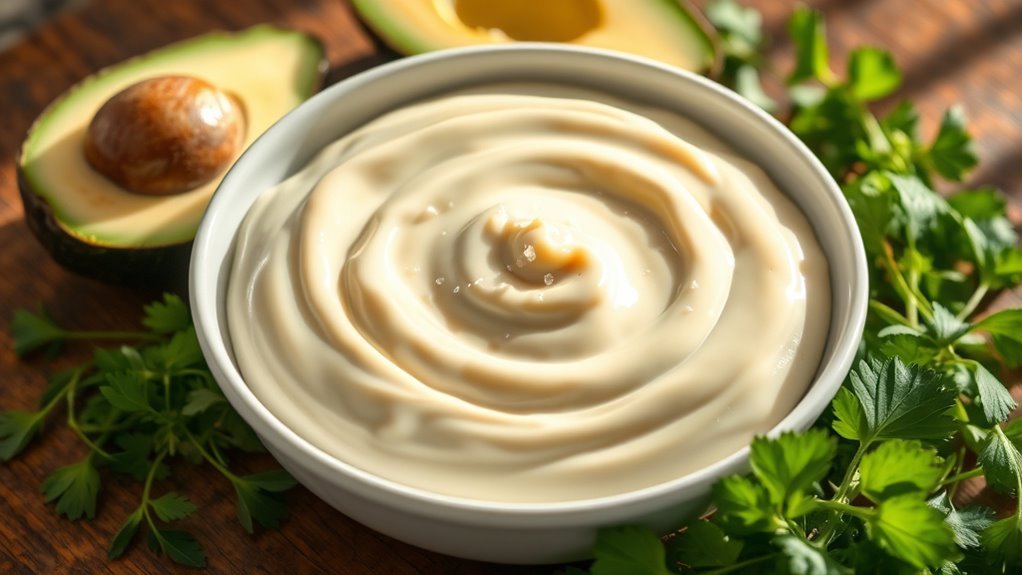
Mayonnaise is a creamy condiment made primarily from egg yolks, oil, and an acid, typically vinegar or lemon juice. Its history dates back to the 18th century, believed to originate in France, where it gained popularity for its rich texture and versatility. The primary ingredients—egg yolks, oil, and acid—work together to create an emulsion, giving mayo its smooth consistency. You can find many variations today, some incorporating different oils or flavors. Because of its high-fat content, mayonnaise can be a satisfying addition to various dishes, particularly for those seeking low-carb options. Understanding its simple yet effective ingredients can help you appreciate this classic condiment’s role in your meals while enjoying the freedom to customize it to your taste.
Nutritional Profile of Mayo
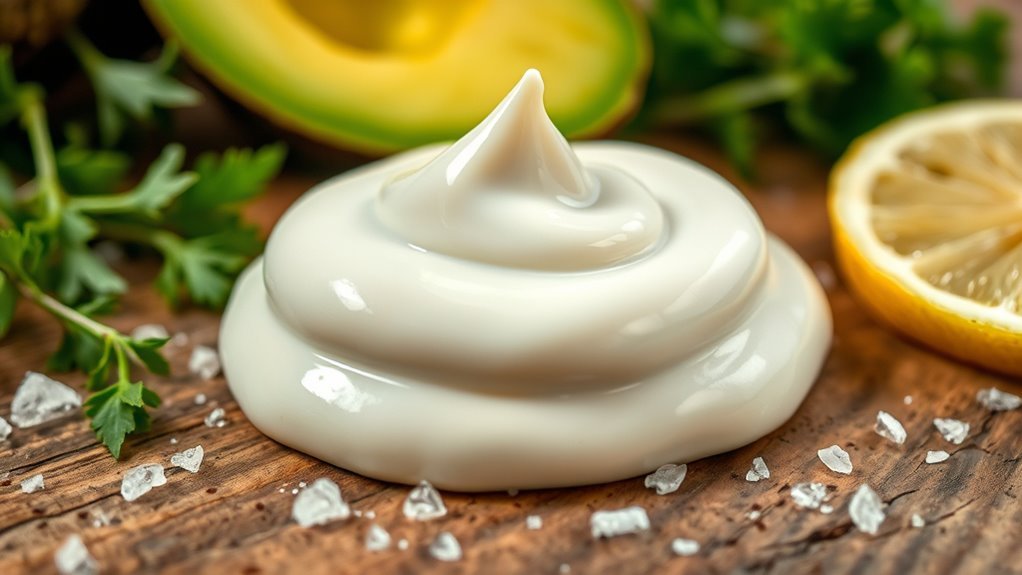
The nutritional profile of mayonnaise makes it an intriguing option for those following a ketogenic diet. With a high caloric content, usually around 90 calories per tablespoon, mayo can provide a quick energy source. Its fat composition is primarily made up of healthy fats, particularly monounsaturated and polyunsaturated fats, which are beneficial on a keto plan. This fat-centric profile aligns well with the macronutrient goals of a ketogenic diet, allowing you to maintain ketosis while enjoying flavorful dishes. Just keep in mind that not all mayo is created equal—opt for varieties made with quality oils and minimal additives. This way, you can enjoy the creamy texture and taste without compromising your health goals.
Is Mayo Low in Carbs?
Although many condiments can be high in carbs, mayo stands out as a low-carb option, making it a suitable choice for those on a ketogenic diet. Its low carb content allows you to enjoy rich flavors without compromising your goals. Here are a few reasons mayo can be a keto-friendly option:
- Minimal Carbs: Most mayos contain 0-1g of carbs per serving.
- Versatile Uses: You can use it in salads, sandwiches, or dips.
- Satiety: The fat content helps keep you feeling full longer.
- Flavor Enhancer: It adds creaminess and taste to your meals.
With mayo, you can indulge in delicious dishes while staying aligned with your keto journey. Embrace the freedom of flavorful eating!
Types of Mayonnaise Suitable for Keto
When you’re following a keto diet, not all types of mayonnaise are created equal. Traditional mayonnaise can be a great option, but you’ll want to check the label for added sugars and carbs. Look for keto mayonnaise brands that emphasize low-carb ingredients, often using healthy oils like olive or avocado oil. Avocado mayo is a fantastic choice, as it tends to have less saturated fat and is rich in healthy monounsaturated fats. Brands like Primal Kitchen and Chosen Foods offer delicious avocado mayo options that fit perfectly into your keto lifestyle. Remember, always read the ingredient list to guarantee you’re making the healthiest choice for your dietary needs while enjoying the creamy goodness of mayo.
Homemade vs. Store-Bought Mayo
Making mayo at home can be an appealing option for those on a keto diet, especially when compared to store-bought varieties. While store-bought mayo offers convenience, homemade benefits can elevate your keto experience. Here are some advantages of making mayo at home:
- Control Ingredients: You can choose high-quality oils and avoid additives or preservatives.
- Tailored Flavor: Customize the taste to suit your preferences, from tangy to spicy.
- Freshness: Homemade mayo tastes fresh and vibrant, enhancing your dishes.
- Cost-Effective: It’s often cheaper than premium store brands, letting you save money for other keto essentials.
Ultimately, whether you prioritize homemade benefits or store-bought convenience depends on your lifestyle and dietary goals. Enjoy the freedom to choose what works best for you!
How to Incorporate Mayo Into Keto Meals
Incorporating mayo into your keto meals can be a delicious way to enhance flavor while adhering to your dietary goals. You can whip up various mayo recipes that complement your low-carb lifestyle, such as a creamy garlic mayo for dipping veggies or drizzling over grilled meats. Consider adding mayo to your keto snacks—like deviled eggs or a tuna salad—to boost the fat content and creaminess. It not only adds flavor but also helps you feel full longer. You can even use mayo as a base for sauces or salad dressings, making it versatile for different dishes. Explore these mayo-infused options to elevate your keto experience while enjoying the freedom of flavorful meals.
Alternatives to Traditional Mayo
While traditional mayo can fit into a keto diet, there are several alternatives that can cater to different tastes and dietary needs. Here are some options you might love:
Traditional mayo can work for keto, but explore delicious alternatives to suit your taste and dietary preferences.
- Avocado Oil Mayo: Creamy and packed with healthy fats, it’s a fantastic option that boosts your nutrient intake.
- Coconut Cream: With a rich texture, it can be whipped into a delightful mayo substitute, ideal for those seeking a dairy-free option.
- Greek Yogurt: Low in carbs and high in protein, it adds a tangy twist and a lighter feel to your dishes.
- Nut Butters: Almond or cashew butter can create a unique spread, offering a nutty flavor that pairs beautifully with many foods.
Explore these alternatives for a fresher, flavorful keto experience!
Tips for Using Mayo on a Keto Diet
When you’re maneuvering a keto diet, using mayo can be a delicious way to enhance flavor without adding too many carbs. One of the mayo benefits is its high-fat content, which can help you stay in ketosis while providing a satisfying creaminess to your dishes. Try incorporating mayo into keto recipes like avocado chicken salad or as a base for low-carb dressings. Look for brands that use healthy oils and avoid added sugars. You can also make your own mayo at home for complete control over ingredients. Just remember to enjoy it in moderation, as calories can add up quickly. With these tips, you can savor mayo while staying true to your keto lifestyle.
Frequently Asked Questions about Mayo on Keto
1. Can I eat mayonnaise on a keto diet?
Yes, you can eat mayonnaise on a keto diet! Traditional mayonnaise is primarily made from oil, egg yolks, and vinegar or lemon juice, which means it is high in fat and low in carbohydrates. This makes it a suitable condiment for those following a ketogenic lifestyle, as long as you choose varieties without added sugars or high-carb ingredients.
2. Is store-bought mayonnaise keto-friendly?
Store-bought mayonnaise can be keto-friendly, but it’s essential to check the label for added sugars and other high-carb ingredients. Many brands offer mayonnaise made with healthy oils, such as olive oil or avocado oil, which are better choices for a keto diet. Always opt for mayonnaise that is labeled as “sugar-free” or “low-carb” to ensure it fits within your dietary guidelines.
3. What are the carb counts in mayonnaise?
The carb count in mayonnaise is typically very low, with most traditional mayonnaise containing less than 1 gram of carbohydrates per tablespoon. This makes it an excellent choice for keto dieters looking to maintain low carb intake while enjoying flavorful meals. However, always check the nutritional information, as some flavored or specialty mayonnaises can have higher carb counts.
4. Can I make homemade mayonnaise for keto?
Absolutely! Making homemade mayonnaise is a great option for keto dieters. You can control the ingredients and ensure that no added sugars or unhealthy oils are included. A basic recipe typically includes egg yolks, lemon juice or vinegar, and a neutral oil like avocado or olive oil. This allows you to create a delicious and healthy condiment that aligns perfectly with your keto goals.
5. What are some keto-friendly alternatives to traditional mayonnaise?
If you’re looking for alternatives to traditional mayonnaise on a keto diet, consider options like avocado mayo, which is made from avocados and is rich in healthy fats. Other alternatives include Greek yogurt (unsweetened) or sour cream, which can also provide a creamy texture while being lower in carbs. Always check the labels to ensure that these alternatives fit within your keto dietary restrictions.
References
- https://www.healthline.com/nutrition/keto-diet-foods
- https://www.livestrong.com/article/13736809-keto-friendly-condiments/
- https://www.ncbi.nlm.nih.gov/pmc/articles/PMC6520978/
- https://www.medicalnewstoday.com/articles/323204
- https://www.journalofnutrition.org/content/early/2018/02/20/jn.117.255045
- https://www.ketogenic.com/
- https://www.cdc.gov/healthyweight/assessing/bmi/adult_bmi/english_bmi_calculator/bmi_calculator.html