Keto-friendly means foods that fit within the ketogenic diet’s guidelines of low carbohydrates, high healthy fats, and moderate protein. Typically, this involves consuming around 20 to 50 grams of carbs daily. Foods like avocados, grass-fed meats, and leafy greens are excellent choices. Being keto-friendly isn’t just about what you eat; it’s also about making informed nutritional decisions and balancing your macronutrients. You’ll discover even more about this lifestyle and its benefits as you explore further.
Understanding the Ketogenic Diet
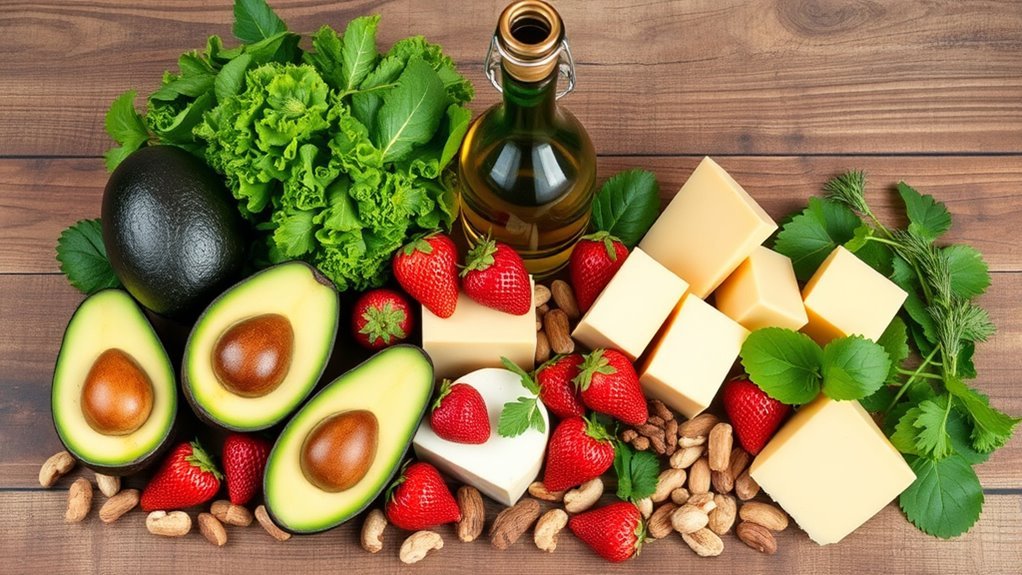
When you explore the ketogenic diet, you’ll find it’s not just a trendy eating plan; it’s a well-researched approach to nutrition that greatly alters your body’s metabolism. The ketogenic history dates back to the early 20th century, initially developed to treat epilepsy. Over the years, this diet has evolved, leading to various diet variations, including targeted and cyclical keto. These adaptations cater to different lifestyles and goals while maintaining the core principle of low carbohydrate intake. By embracing the ketogenic diet, you can experience greater energy levels and mental clarity. It offers a sense of freedom in food choices while promoting a healthier lifestyle. Understanding its foundations can empower you to make informed decisions about your nutritional journey.
Key Principles of Keto-Friendly Foods
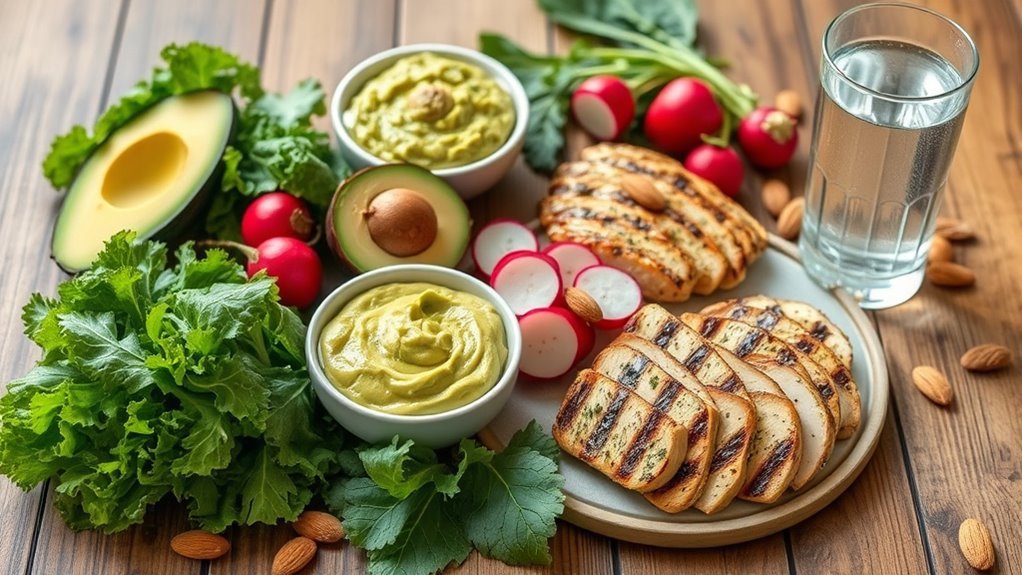
When choosing keto-friendly foods, it’s essential to focus on their macronutrient composition. You’ll want options that are low in carbohydrates, high in healthy fats, and have moderate protein levels. Understanding these principles can help you make informed choices that support your ketogenic lifestyle.
Low Carbohydrate Content
To achieve and maintain a state of ketosis, it’s essential to prioritize low carbohydrate content in your diet. This means you’ll need to engage in effective carb counting to keep your daily intake minimal. Generally, aiming for 20 to 50 grams of carbs per day is recommended for most individuals on a keto diet. To replace high-carb foods, consider sugar alternatives like erythritol or stevia, which can satisfy your sweet tooth without derailing your progress. By focusing on low carbohydrate content, you create an environment where your body can efficiently burn fat for fuel instead of glucose. Embracing this approach not only enhances your keto journey but also empowers you to make informed choices about your food intake.
High Healthy Fats
One of the cornerstones of a keto-friendly diet is the emphasis on high healthy fats. By prioritizing fats, you can fuel your body while promoting ketosis. Healthy fats, like those found in avocados and olive oil, offer numerous benefits. Avocado benefits include healthy monounsaturated fats that support heart health and provide essential nutrients. Olive oil is rich in antioxidants and helps reduce inflammation, making it a staple in a keto lifestyle. Incorporating these fats not only enhances flavor but also keeps you satiated, reducing cravings. Remember, embracing high healthy fats gives you the freedom to enjoy delicious meals while maintaining your health goals. So, don’t shy away from these nutritious options; they’re key to your keto journey.
Moderate Protein Levels
While high healthy fats take center stage in a keto-friendly diet, maintaining moderate protein levels is equally important for achieving and sustaining ketosis. You don’t want to overconsume protein, as excessive intake can lead to gluconeogenesis, where your body converts protein into glucose, potentially disrupting ketosis. Focus on quality protein sources like grass-fed meats, eggs, and plant-based options such as tofu or tempeh. Striking the right protein balance is vital; generally, you should aim for about 20-25% of your total daily calories from protein. This helps preserve muscle mass while still promoting fat burning. By being mindful of your protein intake, you can enjoy the freedom to explore delicious meals while staying firmly within your keto goals.
Nutritional Profile of Keto-Friendly Foods
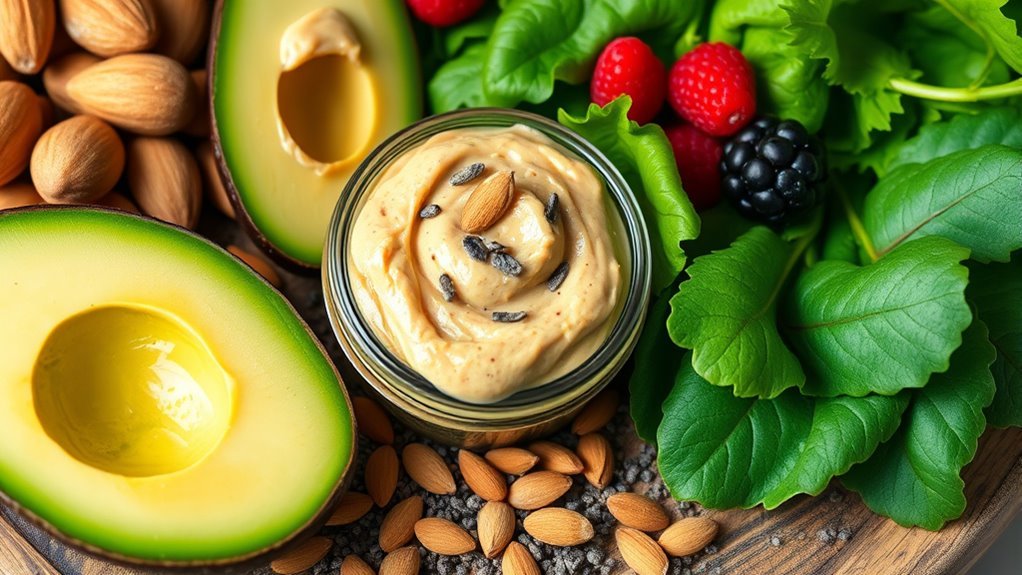
When considering keto-friendly foods, it’s crucial to understand their macronutrient ratios, which typically emphasize low carbohydrates and high fats. You’ll find a variety of low-carb options that fit this profile, including leafy greens, nuts, and healthy oils. Prioritizing healthy fats not only supports ketosis but also provides essential nutrients for overall well-being.
Macronutrient Ratios Explained
Understanding the macronutrient ratios is essential for anyone looking to embrace a keto-friendly lifestyle, as these ratios form the foundation of the diet’s effectiveness. In keto meal planning, you’ll typically aim for a macronutrient breakdown of about 70-75% fats, 20-25% protein, and 5-10% carbohydrates. This precise tracking helps shift your body into ketosis, where it uses fat for fuel.
Consider these key components in your daily intake:
- Avocados, rich in healthy fats
- Grass-fed meats, providing quality protein
- Leafy greens, low in carbs
- Nuts and seeds, delivering essential nutrients
Low-Carb Food Options
Choosing the right low-carb food options is essential for maintaining a keto-friendly diet, as these foods not only align with the macronutrient ratios but also help you stay satiated and energized. Focus on diverse vegetable varieties like leafy greens, cruciferous veggies, and peppers to maximize nutrients without exceeding carb limits. When meal planning, consider ingredient swaps, like cauliflower rice instead of grains. For snacks, opt for nuts or cheese, keeping portion sizes in check. While dining out, check food labels and ask about low-carb choices. Grocery shopping can be fun with a list of keto-friendly items in mind. Don’t forget meal prep to simplify your week with ready-to-go recipe ideas that fit your lifestyle!
Healthy Fats Importance
Healthy fats play an essential role in a keto-friendly diet, comprising about 70-75% of your daily caloric intake. These fats not only support heart health but also aid in weight management and fat adaptation. When meal planning, focus on nutrient-dense fat sources that can elevate your culinary experience. Consider these options:
- Avocados: Creamy and versatile, perfect for spreads or salads.
- Nuts and seeds: Crunchy snack options rich in healthy fats and protein.
- Olive oil: Ideal for cooking methods that preserve flavor and nutrients.
- Coconut oil: Excellent for baking and adds a tropical twist.
Always check food labels to confirm you’re choosing the right fats, fostering a balanced dietary approach that empowers your journey towards wellness.
Benefits of a Keto-Friendly Lifestyle
While adopting a keto-friendly lifestyle might seem challenging at first, it offers numerous benefits that can enhance your overall well-being. Many people experience significant weight loss, as the body shifts from burning carbs to utilizing fat for fuel. This metabolic change can also lead to improved energy levels and mental clarity, freeing you from the fog often associated with high-carb diets. Additionally, studies suggest that a ketogenic diet may help regulate blood sugar levels and reduce the risk of type 2 diabetes, contributing to lifestyle improvements. You might also find that your cravings decrease, making it easier to stick to healthier eating habits. Embracing keto can empower you to take control of your health and achieve your wellness goals.
Common Misconceptions About Keto
Although many people are enthusiastic to try a keto diet, misconceptions can often cloud understanding of its principles and effects. Here are some common errors that lead to confusion:
Misunderstandings about the keto diet can hinder your journey; clarity on its principles is essential for success.
- Keto is just about eating bacon: It’s not solely a high-fat diet; it emphasizes healthy fats, proteins, and low-carb veggies.
- You can eat unlimited fat: Portion control matters; too much fat can hinder your progress.
- Keto is a quick fix: Sustainable weight loss takes time and lifestyle changes, not just a temporary diet.
- All carbs are bad: It’s about reducing carbs, not eliminating them entirely—whole foods are essential.
Incorporating Keto-Friendly Foods Into Your Diet
Incorporating keto-friendly foods into your diet can be a rewarding experience, especially when you focus on variety and balance. By meal planning and trying out new recipe ideas, you can keep your meals exciting while staying within your carb limits. Here’s a simple guide to help you get started:
| Protein Sources | Healthy Fats | Low-Carb Vegetables |
|---|---|---|
| Chicken | Avocado | Spinach |
| Salmon | Olive Oil | Zucchini |
| Eggs | Coconut Oil | Cauliflower |
| Tofu | Nuts & Seeds | Broccoli |
With these foods, you can create delicious meals that satisfy your cravings and align with your keto lifestyle. Enjoy exploring various flavors and textures!
Potential Challenges and Considerations
Shifting to a keto diet can present several challenges that you should be aware of as you begin this journey. Making dietary adjustments can be a rewarding process, but it’s crucial to navigate potential keto challenges effectively. Here are some common hurdles you may face:
- Keto flu: Initial fatigue and headaches as your body adjusts.
- Carb cravings: A strong desire for your favorite starchy foods.
- Social situations: Difficulty finding keto-friendly options when dining out.
- Nutrient balance: Ensuring you’re getting enough vitamins and minerals.
Being aware of these challenges can empower you to overcome them. With planning and determination, you can enjoy the freedom a keto lifestyle offers while maintaining your health and well-being.
Frequently Asked Questions about Keto Friendly
What does “keto friendly” mean?
“Keto friendly” refers to foods or products that are suitable for a ketogenic diet. This diet is characterized by low carbohydrate intake, moderate protein, and high fat consumption. Foods labeled as keto friendly typically have low net carbs, high fat content, and minimal sugars, making them compatible with the goal of achieving and maintaining ketosis, a metabolic state where the body burns fat for fuel instead of carbohydrates.
How can I tell if a product is keto friendly?
To determine if a product is keto friendly, check the nutrition label for its carbohydrate content. Look for items that contain less than 5 grams of net carbs per serving. Net carbs are calculated by subtracting fiber and certain sugar alcohols from total carbohydrates. Additionally, review the ingredient list for any added sugars or high-carb ingredients, and prioritize products that emphasize healthy fats and protein sources.
Are all low-carb foods keto friendly?
Not all low-carb foods are necessarily keto friendly. While a food may have a low carbohydrate count, it may still contain ingredients that are not ideal for a ketogenic diet, such as high levels of sugar or high-glycemic ingredients. It’s essential to consider the overall composition of the food, including its fat content and the presence of healthy oils, as well as its effect on blood sugar levels.
Can I eat fruits on a keto diet?
While fruits are generally healthy, many are high in carbohydrates and sugars, making them less suitable for a keto diet. However, some berries, such as strawberries, raspberries, and blackberries, can be consumed in moderation due to their lower carb content. It’s crucial to track your carb intake and choose fruits that fit within your daily limits to remain in ketosis.
What are some examples of keto friendly foods?
Keto friendly foods typically include high-fat and low-carb options. Examples include avocados, nuts and seeds, cheese, eggs, fatty fish (like salmon), olive oil, and non-starchy vegetables (such as spinach, kale, and broccoli). These foods are not only low in carbohydrates but also rich in nutrients and healthy fats that are essential for a well-balanced ketogenic diet.
References
- https://www.ncbi.nlm.nih.gov/pmc/articles/PMC5852696/
- https://www.health.harvard.edu/staying-healthy/the-keto-diet
- https://www.cdc.gov/healthyweight/healthy_eating/dietary_guidelines.html
- https://www.mayoclinic.org/healthy-lifestyle/nutrition-and-healthy-eating/expert-answers/keto-diet/faq-20451580
- https://www.webmd.com/diet/what-is-the-keto-diet
- https://www.nutrition.gov/topics/nutrition-education/nutrition-basics/keto-diet
- https://www.eatright.org/health/weight-loss/fad-diets/what-is-the-keto-diet
- https://www.clevelandclinic.org/health/diseases/21383-keto-diet-for-weight-loss