Tapioca flour isn’t generally considered keto-friendly due to its high carbohydrate content, with about 28 grams of carbs per 1/4 cup. This can disrupt your ketosis, making it harder to maintain your low-carb goals. While it’s gluten-free and enhances textures in baked goods and sauces, you should use it sparingly. If you’re looking for suitable alternatives or creative ways to use tapioca flour while adhering to keto, there are options worth exploring.
Nutritional Profile of Tapioca Flour
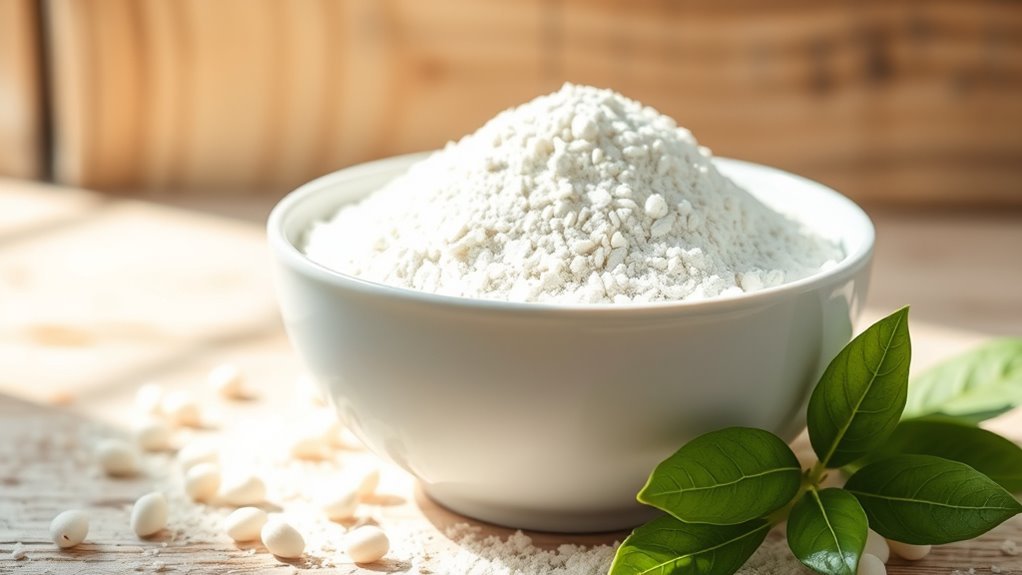
When considering the nutritional profile of tapioca flour, it’s essential to note its distinct characteristics. This gluten-free option is primarily composed of carbohydrates, making it a versatile ingredient in various recipes. One of the key tapioca flour benefits is its ability to act as a thickening agent, perfect for soups and sauces. Additionally, it can be used in baking to create light, airy textures in goods like pancakes and bread. While it’s low in protein and fiber, many enjoy tapioca flour for its neutral flavor, allowing it to blend seamlessly into diverse dishes. Whether you’re exploring different cuisines or need a gluten-free alternative, understanding tapioca flour uses can help you embrace culinary freedom while catering to dietary preferences.
Carb Content and Ketosis
Tapioca flour is primarily composed of carbohydrates, which raises questions about its compatibility with a ketogenic diet. With about 28 grams of carbs per 1/4 cup, it could easily exceed your daily carb limit on keto. While tapioca benefits include being gluten-free and easy to digest, these advantages come at the cost of considerably increasing your carbohydrate intake. If you’re aiming for ketosis, keeping your carb count low is essential. Many keto enthusiasts find it challenging to incorporate tapioca flour without disrupting their state of ketosis. Ultimately, if you’re considering tapioca flour, moderation is key, and it’s wise to explore alternative low-carb flour options that align better with your dietary goals. Balancing freedom with dietary choices is vital!
Impact on Blood Sugar Levels
Although tapioca flour can be a tempting ingredient due to its texture and versatility, it’s important to understand its potential impact on blood sugar levels. Tapioca flour is high in carbohydrates, which can cause a spike in blood sugar after consumption. When you eat foods made with tapioca flour, the body quickly converts these carbs into glucose, leading to increased blood sugar levels. This rapid rise can be particularly concerning for those managing diabetes or following a ketogenic diet, as it may hinder your ability to maintain stable blood sugar. While some enjoy the benefits of tapioca effects in recipes, it’s essential to be mindful of how it fits into your overall dietary goals and blood sugar management.
Alternatives to Tapioca Flour on Keto
If you’re looking for alternatives to tapioca flour that align with a ketogenic diet, there are several low-carb options worth considering. These tapioca substitutes can help you achieve the desired texture in your keto baking without the carbs.
Explore low-carb alternatives to tapioca flour that fit your ketogenic diet and enhance your keto baking experience.
- Almond Flour: A popular choice, it’s low in carbs and high in healthy fats.
- Coconut Flour: Absorbs moisture well and is high in fiber, making it a great option.
- Psyllium Husk: Adds elasticity to baked goods and is low in carbs.
- Flaxseed Meal: Rich in omega-3s, it can thicken recipes and provide additional nutrition.
Each of these options can be utilized creatively, allowing you to enjoy your favorite recipes while adhering to a keto lifestyle.
Incorporating Tapioca Flour in Keto Recipes
While incorporating tapioca flour into keto recipes might seem challenging due to its higher carbohydrate content, it can still be used in moderation to achieve specific textures and enhance flavors. Here are some keto-friendly recipes where tapioca flour’s benefits shine:
| Recipe Type | Tapioca Flour Use |
|---|---|
| Pancakes | Use as a binding agent |
| Bread Alternatives | Adds chewiness |
| Sauces | Thickens without gluten |
| Snacks | Improves texture in crackers |
Is tapioca flour keto-friendly?
Tapioca flour is not considered keto-friendly due to its high carbohydrate content. It is derived from the cassava root, which is primarily composed of starch. A typical serving of tapioca flour can contain around 30 grams of carbohydrates, making it unsuitable for a ketogenic diet that typically limits daily carb intake to around 20-50 grams.
Can I use tapioca flour in keto recipes?
While tapioca flour is generally not compatible with keto diets, some people might use it in very small amounts to achieve specific textures in recipes. However, it’s advisable to substitute it with low-carb alternatives like almond flour or coconut flour, which are more suitable for keto cooking and baking.
What are the alternatives to tapioca flour for a keto diet?
Some popular low-carb alternatives to tapioca flour include almond flour, coconut flour, flaxseed meal, and psyllium husk. These options are not only lower in carbohydrates but also provide added nutritional benefits, such as healthy fats and fiber, making them better suited for a ketogenic lifestyle.
Are there any health benefits to tapioca flour?
Tapioca flour is gluten-free and can be beneficial for those with gluten intolerances or celiac disease. It is also easily digestible and can provide a quick source of energy. However, it lacks significant nutritional value compared to other flours, as it is primarily composed of carbohydrates with minimal protein or fiber content.
Can tapioca flour be part of a balanced diet?
Yes, tapioca flour can be part of a balanced diet for individuals who are not following a ketogenic lifestyle. It can be used to make various recipes, such as gluten-free baked goods or thickening sauces. However, moderation is key, and it’s important to balance your intake with other nutrient-dense foods to ensure you’re meeting your overall dietary needs.
References
- https://www.healthline.com/nutrition/tapioca-flour-keto
- https://www.ncbi.nlm.nih.gov/pmc/articles/PMC7021287/
- https://www.medicalnewstoday.com/articles/tapioca-nutrition
- https://www.webmd.com/diet/what-is-tapioca
- https://www.cdc.gov/nutrition/index.html
- https://www.nutrition.org.uk/healthyliving/tips/tapioca.html