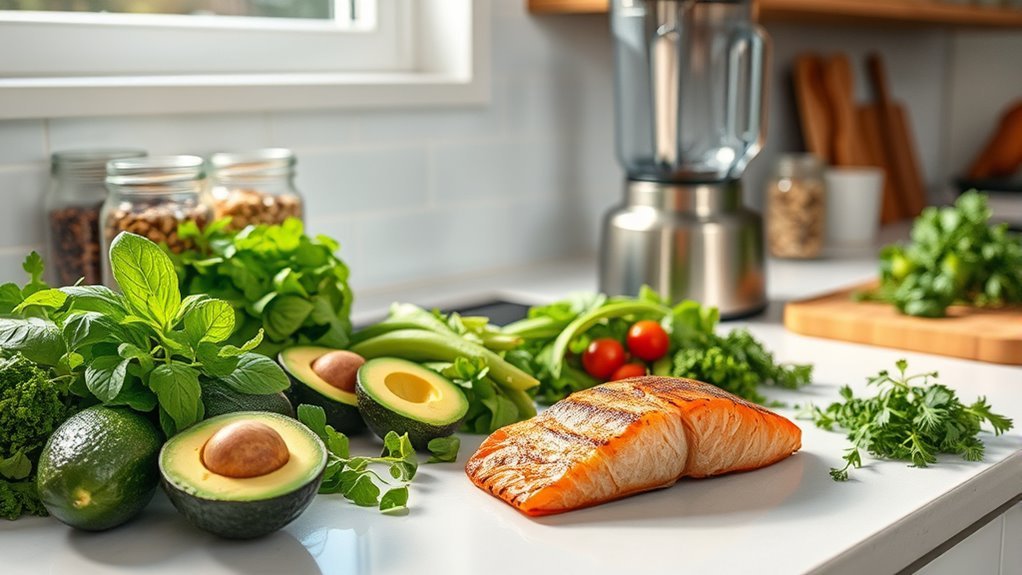

To start the keto diet, focus on low-carb, high-fat foods that promote ketosis. Embrace healthy fats like avocados and olive oil, while including low-carb veggies like spinach and broccoli. Avoid high-carb foods, such as bread, pasta, and sugary snacks. Meal planning is key; create a weekly menu and prep meals in advance. Keep track of your progress and adjust as needed to stay on track. There’s a lot more to explore about making this diet work for you.
Understanding the Keto Diet
When you start exploring the keto diet, it’s essential to understand its core principles. This low-carb, high-fat approach shifts your body into ketosis, where it burns fat for energy instead of carbs. One of the major keto benefits is weight loss, as many find they can shed pounds more effortlessly. However, there are common misconceptions, such as the idea that you’ll miss out on delicious foods. In reality, the keto diet allows for a variety of flavorful meals. It’s also vital to recognize that not everyone will experience the same results; individual factors play a significant role. By arming yourself with accurate information, you can navigate the keto journey with confidence and enjoy the freedom that comes with it.
Foods to Embrace on Keto
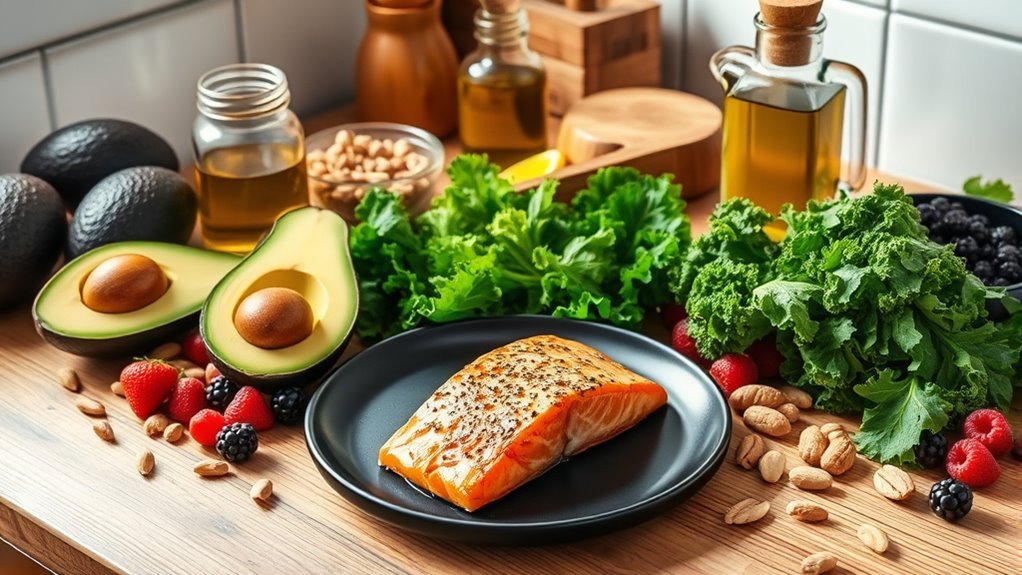
When you start the keto diet, focusing on healthy fats and low-carb vegetables is essential for success. Incorporating options like avocados, olive oil, and leafy greens not only keeps your meals satisfying but also supports your body’s shift into ketosis. By choosing the right foods, you can enjoy delicious dishes while staying on track with your dietary goals.
Healthy Fats Options
As you begin your keto journey, embracing healthy fats is essential for achieving and maintaining ketosis. Focus on nutrient-dense options like avocados, olive oil, and nuts. These fats not only provide energy but also support overall health. You can make healthy swaps in your meals, replacing traditional carbohydrates with high-fat alternatives. For instance, use coconut oil in cooking or add chia seeds to smoothies. Fatty fish, such as salmon, is another excellent choice, packed with omega-3s. Don’t shy away from full-fat dairy products either; they can be both satisfying and nutritious. By prioritizing these healthy fats, you’ll fuel your body effectively while enjoying the freedom that the keto lifestyle offers.
Low-Carb Vegetables Choices
Incorporating low-carb vegetables into your keto diet is essential for maintaining nutritional balance while keeping your carb intake in check. Leafy greens, like spinach, kale, and arugula, are not only low in carbs but also rich in vitamins and minerals. They can add variety and texture to your meals without derailing your progress. Cruciferous vegetables, such as broccoli, cauliflower, and Brussels sprouts, are also excellent choices; they’re packed with fiber and antioxidants. These veggies can be roasted, steamed, or blended into smoothies, making them versatile additions to your diet. Remember, the goal is to embrace these nutrient-dense options, allowing you to enjoy your meals while staying committed to your keto journey. Get creative and make these veggies a staple!
Foods to Avoid on Keto
When starting a keto diet, it’s essential to avoid high-carb foods that can derail your progress. This includes sugary snacks and starchy vegetables, which can spike your insulin levels and keep your body from entering ketosis. By steering clear of these items, you’ll set yourself up for success in achieving your dietary goals.
High-Carb Foods
To successfully navigate the keto diet, it’s essential to steer clear of high-carb foods that can disrupt your progress. High carb snacks, like chips, cookies, and sugary treats, can sabotage your efforts by keeping your body in a glucose-burning state. Similarly, high carb grains such as bread, pasta, and rice should be avoided, as they can quickly add up in carbohydrates, pushing you out of ketosis. Instead, focus on low-carb alternatives like nuts, seeds, and leafy greens. By eliminating these high-carb options, you’ll grant yourself the freedom to explore a variety of delicious, satisfying foods that align with your keto goals. Remember, staying informed about what to avoid is key to your success on this journey.
Sugary Snacks
Although it might be tempting to indulge in sugary snacks, doing so can greatly hinder your progress on the keto diet. High sugar intake can kick you out of ketosis, making it essential to avoid traditional treats. Embrace sugar alternatives like stevia or erythritol, which can satisfy your sweet tooth without the carbs. Instead of reaching for candy or cookies, consider healthy snack replacements like nuts or cheese. Practice portion control to guarantee you don’t overindulge, even with keto-friendly options. Mindful eating is key; take time to savor your food, making each bite enjoyable. Remember, your journey to freedom on keto requires discipline, but the rewards of improved health and energy make it worthwhile.
Starchy Vegetables
While steering clear of sugary snacks is important, it’s equally vital to watch out for starchy vegetables, as they can greatly impact your keto journey. These veggies tend to be high in carbohydrates, which can hinder your ability to reach ketosis. Instead, consider incorporating keto alternatives that are low in carbs and rich in nutrients.
| Starchy Vegetables | Keto Alternatives |
|---|---|
| Potatoes | Cauliflower |
| Corn | Zucchini |
| Peas | Spinach |
| Carrots | Broccoli |
Meal Planning and Preparation
Meal planning and preparation are essential for successfully managing the keto diet. When you plan your meals, you can avoid impulsive choices that may derail your progress. Start by creating a weekly menu that focuses on low-carb foods like meats, healthy fats, and non-starchy vegetables. This makes grocery shopping easier and more efficient, ensuring you only buy what you need.
For effective meal prep, batch-cook your proteins and chop your veggies in advance. Store them in portioned containers for quick access during the week. This strategy not only saves time but also keeps you aligned with your keto goals. Remember, the more organized you are, the more freedom you’ll have to enjoy your meals without guilt or confusion.
Tips for a Smooth Transition
Shifting to a keto diet can be challenging, but you can make it smoother with the right strategies. First, be aware of the “keto flu,” a common reaction as your body adapts to low carbs. To minimize its effects, gradually reduce your carb intake instead of making abrupt changes. Focus on hydration strategies; drink plenty of water and consider adding electrolytes to your regimen. This helps alleviate symptoms like fatigue and headaches. Incorporating healthy fats early on can also ease the changeover, providing your body with the energy it needs. Finally, stay connected with a supportive community or online groups to share experiences and tips. This freedom to connect can make your journey more enjoyable and less isolating.
Monitoring Your Progress and Adjustments
As you commence your keto journey, monitoring your progress is essential for long-term success. Regular progress tracking helps you stay accountable and can reveal how your body responds to the diet. Consider using apps or a journal to log your food intake, weight, and energy levels. This data can guide you in recognizing patterns and making necessary adjustments.
If you hit a plateau, don’t worry—adjustment strategies are key. Experiment with macronutrient ratios, meal timing, or even intermittent fasting to reignite your progress. Remember, everyone’s body is different, so what works for someone else might not work for you. Stay flexible, listen to your body, and keep refining your approach for the freedom and results you desire on your keto journey.
Frequently Asked Questions about Starting the Keto Diet
1. What is the ketogenic diet?
The ketogenic diet, commonly known as keto, is a low-carb, high-fat diet that aims to shift your body’s metabolism from burning carbohydrates for energy to burning fat. This is achieved by drastically reducing carbohydrate intake and replacing it with healthy fats, which typically results in a metabolic state known as ketosis, where your body becomes more efficient at burning fat for energy.
2. How do I start a keto diet?
To start a keto diet, begin by calculating your macronutrient needs, which typically consist of 70-75% fats, 20-25% protein, and only 5-10% carbohydrates. Next, create a meal plan that includes high-fat foods such as avocados, nuts, seeds, and oils, while avoiding sugars and starchy foods. It’s also important to gradually reduce your carb intake to avoid keto flu symptoms. Additionally, drinking plenty of water and considering electrolyte supplementation can help ease the transition to ketosis.
3. What foods can I eat on a keto diet?
On a keto diet, you can enjoy a variety of foods including fatty cuts of meat, fish, eggs, dairy products (like cheese and butter), healthy oils (such as olive oil and coconut oil), non-starchy vegetables (like leafy greens, broccoli, and cauliflower), nuts, and seeds. It’s crucial to avoid high-carb foods such as grains, sugars, fruits (except for small portions of berries), and starchy vegetables like potatoes.
4. Are there any side effects of starting a keto diet?
When beginning a keto diet, some individuals may experience what is commonly referred to as the “keto flu.” This can include symptoms such as fatigue, headache, nausea, dizziness, and irritability as your body adjusts to using fat for fuel instead of carbohydrates. These symptoms are generally temporary and can be alleviated by staying hydrated, replenishing electrolytes, and gradually reducing carbohydrate intake. It is also recommended to consult with a healthcare professional before starting any new diet, especially if you have underlying health conditions.
5. How long does it take to enter ketosis?
The time it takes to enter ketosis can vary from person to person, but it generally takes anywhere from 2 to 7 days of strict adherence to the keto diet for your body to shift into ketosis. Factors that influence this timeframe include your initial carbohydrate intake, level of physical activity, and individual metabolic rates. You can test for ketosis using ketone test strips or a blood ketone meter to determine if you have successfully entered this metabolic state.
References
- https://www.ncbi.nlm.nih.gov/pmc/articles/PMC6313449/
- https://www.healthline.com/nutrition/ketogenic-diet-101
- https://www.webmd.com/diet/obesity/what-is-the-keto-diet
- https://www.mayoclinic.org/healthy-lifestyle/nutrition-and-healthy-eating/expert-answers/keto-diet/faq-20420465
- https://www.cdc.gov/healthyweight/healthy_eating/dietary_guidelines.html
- https://www.nutrition.org.uk/healthyliving/basics/what-is-the-ketogenic-diet.html
- https://www.who.int/news-room/fact-sheets/detail/healthy-diet