

The ketogenic diet can have varied effects on cholesterol levels. It may lower HDL cholesterol while increasing LDL cholesterol for some individuals, depending on factors like dietary choices and genetics. Not everyone will experience the same changes; some might even improve their cholesterol profiles. The quality of fats consumed plays a significant role in these outcomes. Understanding how the keto diet interacts with cholesterol can help you make informed choices about your health. There’s more to uncover about this topic.
Understanding Cholesterol: Types and Functions

Cholesterol plays an essential role in your body, serving as a building block for cell membranes and a precursor for hormones. Understanding cholesterol functions is important for maintaining your health. There are two main cholesterol types: low-density lipoprotein (LDL) and high-density lipoprotein (HDL). LDL, often termed “bad cholesterol,” can lead to plaque buildup in arteries, increasing cardiovascular risks. Conversely, HDL, known as “good cholesterol,” helps transport cholesterol away from the arteries and back to the liver for elimination. Balancing these cholesterol types is key for your overall well-being. By making informed dietary choices and engaging in regular exercise, you can support healthy cholesterol levels and embrace the freedom of a lifestyle that promotes longevity and vitality.
The Basics of the Ketogenic Diet
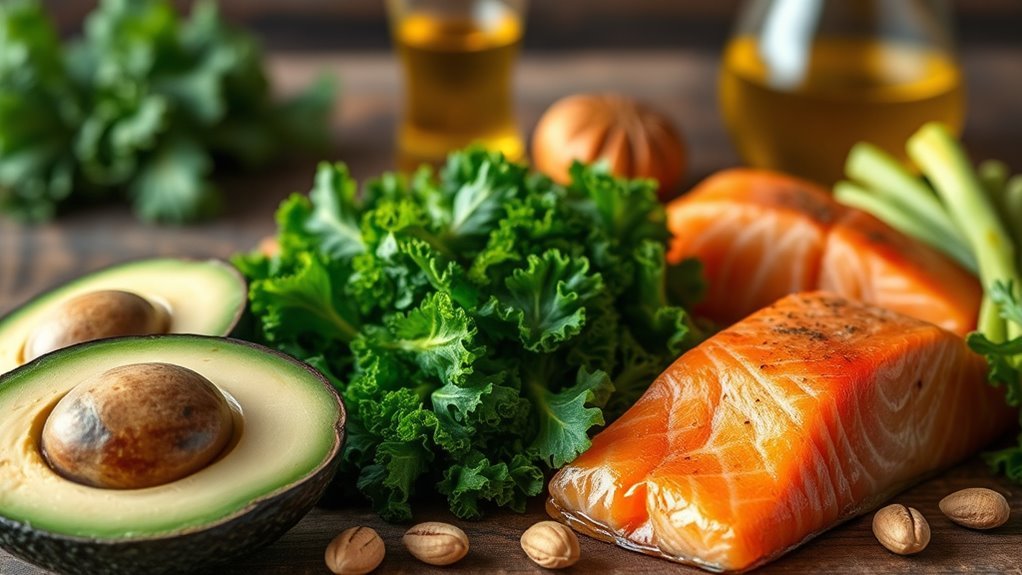
The ketogenic diet is centered around considerably reducing carbohydrate intake while increasing fats to encourage the body to enter a state of ketosis. In this state, your body becomes more efficient at burning fat for energy instead of carbohydrates. Understanding the macronutrient composition—typically high in fats, moderate in proteins, and very low in carbs—is essential for anyone considering this dietary approach.
Ketogenic Diet Principles
While many diets focus on calorie counting or macronutrient balance, the ketogenic diet emphasizes a significant reduction in carbohydrates to shift your body into a state of ketosis. This metabolic state encourages fat adaptation, where your body becomes efficient at burning fat for fuel instead of glucose. Effective keto meal planning is vital to guarantee you’re getting the right balance of fats, proteins, and minimal carbs.
Here’s a quick overview of key principles:
| Principle | Description | Importance |
|---|---|---|
| Low Carbs | Limit carbs to 20-50 grams daily | Initiates ketosis |
| High Fats | Increase healthy fats | Fuels energy in ketosis |
| Moderate Protein | Consume adequate protein | Preserves muscle mass |
Understanding these principles can guide you on your keto journey.
Macronutrient Composition
Understanding the macronutrient composition of the ketogenic diet is key to successfully adopting this way of eating. Typically, you’ll aim for macronutrient ratios of about 70-75% fat, 20-25% protein, and only 5-10% carbohydrates. This shift encourages your body to enter ketosis, where it burns fat for fuel instead of carbs.
When selecting dietary sources, prioritize healthy fats like avocados, nuts, and olive oil, while incorporating moderate protein from sources like fish and poultry. Minimize high-carb foods such as grains, sugars, and starchy vegetables. Remember, the freedom of keto lies in understanding how these ratios impact your body, helping you make informed choices that align with your health goals and lifestyle.
How Keto Affects Lipid Profiles

When you adopt a ketogenic diet, your cholesterol levels may change in ways that are important to understand. You’ll want to look at the balance between HDL and LDL cholesterol, as well as how triglycerides are impacted. This overview can help you make informed decisions about your health while on keto.
Cholesterol Levels Overview
The ketogenic diet has garnered attention for its potential impact on cholesterol levels and overall lipid profiles. By considerably increasing your intake of dietary fat sources, particularly healthy fats like avocados, nuts, and olive oil, you may influence your cholesterol management strategies. Research shows that while some individuals experience an increase in LDL cholesterol, others see improvements in their HDL levels. It’s essential to note that the effects can vary widely based on genetics, activity levels, and overall dietary choices. Adopting a keto lifestyle doesn’t guarantee lower cholesterol for everyone, but it can provide you with tools to manage your lipid profiles more effectively. Always consult with a healthcare provider to personalize your approach and monitor your health.
HDL and LDL Balance
While many people turn to a ketogenic diet to manage their weight, it’s important to recognize how this lifestyle can influence the balance of HDL and LDL cholesterol in your body. Research shows that a keto diet often raises HDL levels, which brings various benefits, like improved heart health and reduced inflammation. However, it can also lead to an increase in LDL cholesterol for some individuals, posing risks such as greater chances of arterial plaque buildup and heart disease. Striking a balance between these two types of cholesterol is essential. Monitoring your lipid profile through regular check-ups can help you navigate the potential effects of keto on your cholesterol, empowering you to make informed dietary choices while enjoying the freedom of this lifestyle.
Triglycerides Impact Analysis
Although many people might focus on cholesterol levels when adopting a ketogenic diet, it’s important to also consider how this dietary approach affects triglyceride levels in your lipid profile. Research shows that a keto diet can greatly lower triglyceride levels, which is essential for cardiovascular health. By reducing carbohydrate intake, your body shifts to burning fat for energy, leading to decreased triglycerides. This decrease can have positive health implications, as elevated triglyceride levels are linked to increased heart disease risk. However, individual responses can vary, so it’s important to monitor your lipid profile regularly. Balancing your dietary choices and understanding their impact can empower you to make informed decisions for your overall well-being while enjoying the freedoms a keto lifestyle offers.
Research Findings on Keto and Cholesterol Levels
As research continues to explore the effects of the ketogenic diet on cholesterol levels, findings reveal a complex relationship that varies among individuals. Recent keto research indicates that while some people experience lower LDL cholesterol and elevated HDL levels, others may see an increase in LDL. Cholesterol studies suggest that the quality of fats consumed on a keto diet plays a vital role; healthier fats can lead to more favorable cholesterol outcomes. Furthermore, the diet’s impact on inflammation and weight loss may also influence cholesterol levels. Ultimately, it’s essential to monitor your responses and consult with a healthcare professional, as personal variations can greatly affect your health journey while pursuing the freedom that a ketogenic lifestyle offers.
Individual Responses to the Keto Diet
The varying effects of the ketogenic diet on cholesterol levels highlight the importance of individual responses to this dietary approach. You may find that your body reacts differently to keto than someone else’s. These personalized responses can stem from genetic factors, existing health conditions, or lifestyle choices. For some, adopting a keto diet might lead to improved cholesterol profiles, while others may experience an increase in LDL cholesterol. Individual variations in metabolism and fat processing also play significant roles in how your body handles dietary fats. Understanding your unique response can empower you to make informed decisions about your health. Embracing this knowledge encourages a more tailored approach to nutrition that aligns with your personal health goals.
Making Informed Dietary Choices
How can you make informed dietary choices in a world filled with conflicting information about nutrition? Start by seeking out reliable nutritional education from credible sources like registered dietitians and peer-reviewed studies. Understand your dietary preferences and how they align with your health goals. It’s essential to be aware of how different diets, including keto, can impact your body uniquely. Keep track of how these choices affect your overall well-being and cholesterol levels. Don’t hesitate to experiment while staying informed; listen to your body as you navigate your options. Remember, informed choices empower you to enjoy your food while prioritizing your health, allowing you the freedom to tailor your diet to suit your lifestyle and preferences.
Frequently Asked Questions about Keto and Cholesterol
1. Does the ketogenic diet affect cholesterol levels?
Yes, the ketogenic diet can affect cholesterol levels. While some people experience an increase in LDL cholesterol (often referred to as “bad” cholesterol), others may see a rise in HDL cholesterol (the “good” cholesterol). It is important to monitor these levels and consult a healthcare provider to understand how a ketogenic diet may impact your individual cholesterol profile.
2. Is a high-fat diet like keto bad for heart health?
Not necessarily. While a high-fat diet can raise cholesterol levels in some individuals, many studies suggest that the types of fats consumed matter more than the quantity. Healthy fats, such as those from avocados, nuts, and olive oil, can support heart health. It’s crucial to focus on the quality of fats and to incorporate a variety of nutrient-dense foods into your diet.
3. Can keto help lower triglycerides?
Yes, many individuals following a ketogenic diet report lower triglyceride levels. The reduction in carbohydrate intake associated with keto can lead to a decrease in insulin levels, which helps lower triglycerides. Monitoring your levels regularly is advisable to ensure that your dietary changes are having the desired effect.
4. How often should I check my cholesterol levels while on keto?
It’s recommended to check your cholesterol levels every 3 to 6 months after starting a ketogenic diet. This allows you to monitor changes and work with your healthcare provider to make any necessary adjustments to your diet or lifestyle for optimal heart health.
5. What should I do if my cholesterol levels rise on keto?
If you notice a rise in your cholesterol levels while on a ketogenic diet, it’s important to consult with your healthcare provider. They may recommend dietary adjustments, such as reducing saturated fats or incorporating more fiber-rich foods. Regular exercise and maintaining a healthy weight can also contribute positively to your cholesterol levels.
References
- https://www.ncbi.nlm.nih.gov/pmc/articles/PMC6470861/
- https://www.healthline.com/nutrition/keto-diet-and-cholesterol
- https://www.heart.org/en/news/2020/01/13/the-ketogenic-diet-what-to-know
- https://www.cdc.gov/heartdisease/cholesterol.htm
- https://www.webmd.com/diet/obesity/what-is-the-ketogenic-diet
- https://www.mayoclinic.org/healthy-lifestyle/nutrition-and-healthy-eating/expert-answers/keto-diet-and-cholesterol/faq-20459683
- https://www.reuters.com/article/us-health-keto-cholesterol-insight-idUSKBN2A10B2
- https://www.verywellfit.com/understanding-ketogenic-diet-and-cholesterol-5183817
- https://www.frontiersin.org/articles/10.3389/fnut.2021.731372/full