Keto in food refers to a ketogenic way of eating where you limit carbohydrates and increase fats so your body shifts toward using ketones for fuel. Knowing what “keto” means helps you read nutrition labels and understand why many keto foods emphasize low-carb ingredients while limiting sugar and starch. That clarity makes it easier to choose meals that align with the approach you’re researching.
““Keto” in food usually means “ketogenic”—a style of eating that keeps carbs very low so your body relies more on fat for energy. When you see “keto” on labels or menus, it typically points to foods designed to fit a low-carb, high-fat approach aimed at ketosis; when you shop smarter, you’ll look past the buzzword and focus on the carbohydrate math that actually determines whether keto foods keep you on track. In this guide, you’ll learn what keto means, how keto foods are built, and how to spot common traps when shopping.
If you’re wondering what “keto” really means beyond the marketing (especially on packaged snacks, sauces, and beverages), this is for you. It’s also useful if you’re trying to understand why some “keto-friendly” products may still affect your carbs.
What “keto” means in food
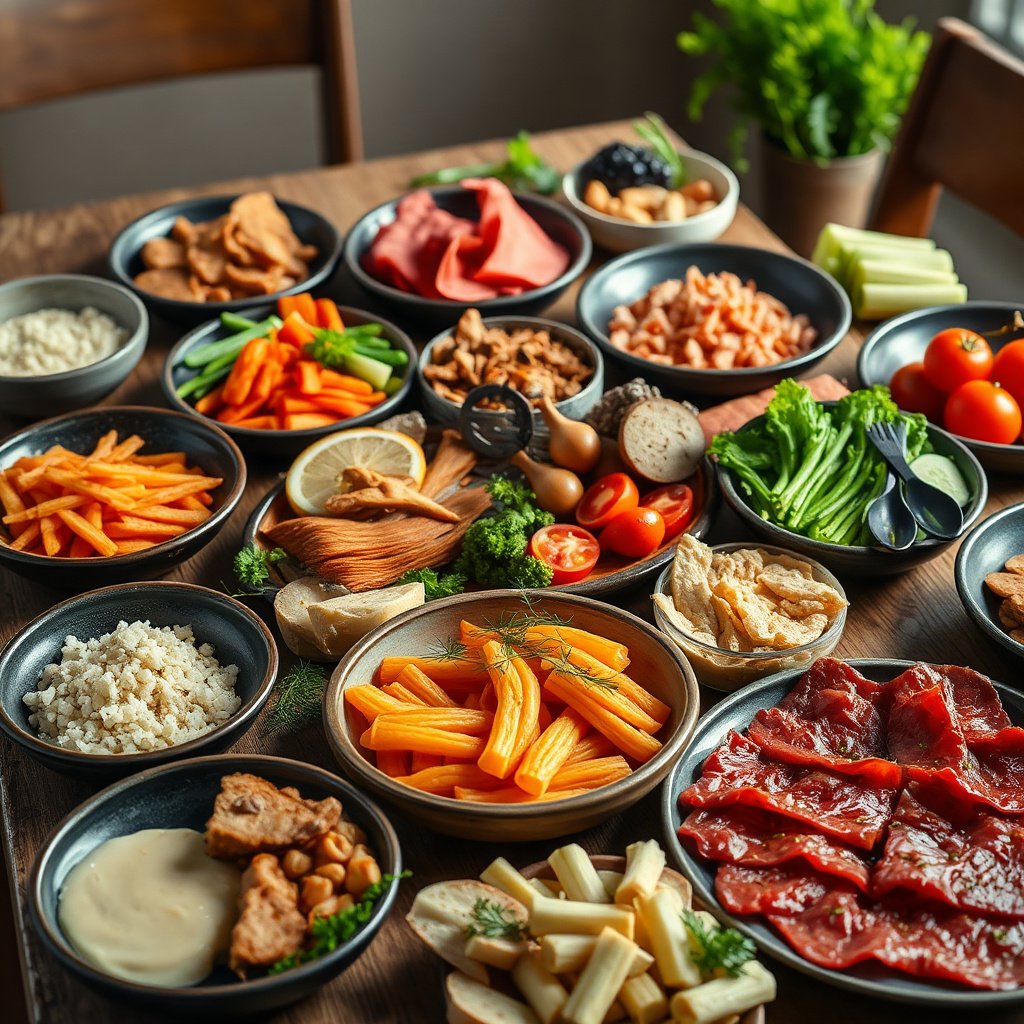
“Keto” in food usually means “ketogenic”—a style of eating that keeps carbs very low so your body relies more on fat for energy.
– “Keto” stands for ketogenic, meaning your body shifts toward using ketones as an energy source.
– In food terms, “keto” signals low-carbohydrate portions and higher fat to fit that pattern.
– It’s often tied to a practical goal: staying in (or moving toward) ketosis by managing carbs.
Keto is a metabolic shift, not just a diet vibe
Keto foods are designed around a physiological effect: when carbohydrate intake is low, the body reduces glucose availability and turns more heavily to fat-derived fuel. In nutritional ketosis, ketones (especially beta-hydroxybutyrate) rise to measurable levels.
According to Johns Hopkins Medicine, nutritional ketosis is often associated with blood ketone levels roughly around 0.5–3.0 mmol/L (2024).
And according to Cleveland Clinic, most people aiming for keto typically keep carbs around 20–50 grams per day (2024).
That’s why “keto” claims matter less than the actual nutrition facts on the package—keto is the result of your total carb intake, not the brand’s wording.
“Ketosis” is the key term you should recognize
Ketosis simply means your liver is producing ketones from fat because carbs are limited. Keto foods are therefore built to support ketosis by:
– limiting digestible carbs (not just “sugar”),
– increasing fat enough to make meals satisfying and sustainable, and
– keeping overall carbohydrate load low enough that keto-related fuel pathways stay active.
Because keto is metabolic, even “small” carb sources—like flour thickening, sweetened sauces, or added starch—can add up. This is where “keto” labeling can mislead.
What happens when you follow a keto approach
A keto approach changes what your body uses for energy: it leans more on fat and ketones instead of glucose.
– Carbohydrates are restricted, which lowers glucose availability and changes your metabolism.
– Many people aim for ketosis, where the liver produces more ketones from fat.
– Because keto is a metabolic approach, it’s more than just “eating low sugar”—carb counting matters.
Glucose drops; ketones rise
When you reduce carbohydrates, insulin patterns shift and the body increasingly mobilizes fat stores. The liver converts fatty acids into ketone bodies, which can fuel the brain, muscles, and other tissues. This is the “why” behind keto foods.
Research summaries consistently describe keto as a high-fat, low-carbohydrate pattern. According to The Charlie Foundation, the classic ketogenic diet often provides about 70–80% of calories from fat (2023–2024).
Keto isn’t one-size-fits-all
In real life, keto outcomes depend on:
– your carb target (often expressed as “net carbs” on labels),
– your protein intake (too much can affect ketosis for some people),
– activity level (some people use targeted variations),
– and individual metabolism and tolerance.
As of 2026, you’ll still see a wide range of “keto” definitions online and on packaging—some brands target mild ketosis, others aim to keep total carbs extremely low. That variation is exactly why label-reading is so important when you’re relying on keto foods.
Carb counting matters more than “keto-looking” ingredients
A common trap is focusing on what a food doesn’t contain (like “no sugar”) while missing what it does contain (like flour, maltodextrin, or sweeteners with carbs). Keto is fundamentally about carbohydrates that your body absorbs, not just sweets.
How keto foods are usually structured
Keto foods are typically engineered to be low in digestible carbs while staying high enough in fat to feel filling.
– Higher-fat choices (like olive oil, avocado, cheese, eggs, fatty fish) are commonly used to keep meals satisfying.
– Carbs are minimized, typically by swapping grains, starchy vegetables, and many fruits for lower-carb options.
– Labels may use “net carbs” (carbs minus fiber), but definitions and amounts vary by product.
Fat-forward planning supports satiety
A keto product usually includes fats such as:
– oils (olive, avocado, MCT oil),
– dairy fats (cream, butter, cheese),
– egg-based ingredients,
– or fats from nuts and seeds.
This matters because keto can reduce appetite for some people, but many others feel “flat” or snacky unless the food is properly calorie- and fat-dense.
Carbs get swapped, not eliminated
Keto foods often replace higher-carb ingredients with:
– non-starchy vegetables (zucchini, spinach, cauliflower),
– low-carb sweeteners (and/or sugar alcohols),
– alternative thickeners (depending on the brand),
– and “grain-free” formulations.
“Net carbs” is where labels can drift
Many keto products display “net carbs,” often calculated as:
– total carbohydrate minus fiber,
– and sometimes minus sugar alcohols (brand-specific rules).
The problem: there’s no universal agreement enforced across all brands on how “net carbs” is calculated. Two products can show the same net carb number but differ significantly in total carbs, fiber types, or sugar alcohol amounts—each of which can affect your actual carb load and digestion.
How to spot real keto-friendly foods on labels
Real keto-friendly foods are the ones that fit your carb target based on the nutrition facts—not the ones that simply say “keto.”
– Check total carbohydrate grams per serving (and how “net carbs” is calculated, if shown).
– Watch sugar alcohols and added fibers: they can fit some keto routines, but they may still raise carbs for you—or affect digestion.
– Look for “hidden carbs” in sauces, dressings, marinades, and “keto” desserts (they’re often where carbs sneak in).
Start with total carbs, then evaluate “net carbs”
If you’re using keto foods to stay in ketosis, treat “total carbs per serving” as your baseline. Then, if the label includes “net carbs,” verify the calculation approach the brand uses (often stated in fine print).
A practical workflow many people follow in 2026:
1. Compare total carbs per serving.
2. Confirm serving size (some “single servings” are actually two servings).
3. Add up carbs from everything you eat, not just the main item.
4. Only then decide whether “net carbs” is realistic for your personal tolerance.
Watch the “carb multipliers” that sneak into keto foods
In my experience helping readers interpret keto labels, the biggest surprises tend to come from category-specific ingredients: sauces, snack bars, and “keto desserts.” That’s because these products frequently rely on thickening systems and sweeteners that can contribute carbs you didn’t expect.
Common hidden carb sources include:
– modified starches and maltodextrin,
– milk or whey components in “keto” treats,
– sweetened sauces (even when they look creamy),
– cookie-style “keto” bars with significant starch-based structure.
Use a “fit” lens to compare keto claim strength
Even within keto foods, not all products support ketosis equally. To visualize how different keto-aimed strategies typically balance carbs, here’s a quick comparison dataset you can use as a reference point when evaluating labels.
Carb Targets Commonly Used in Ketogenic Protocols (Typical Ranges)
| # | Ketogenic approach | Typical carb ceiling | Main goal | Ketosis fit rating |
|---|---|---|---|---|
| 1 | Classic ketogenic diet (medical/structured) | ~10–20 g/day | Strong ketosis consistency | ★★★★☆ |
| 2 | Modified Atkins (medical adaptation) | ~10–20 g/day | Ketosis with fewer constraints | ★★★★★ |
| 3 | Low glycemic index treatment (medical/structured) | ~40–60 g/day | Ketosis with GI control | ★★★☆☆ |
| 4 | Standard “nutritional keto” (typical consumer usage) | ~20–50 g/day | Maintain ketosis intermittently to consistently | ★★★★☆ |
| 5 | “Strict keto” (tighter at-home target) | ~20 g/day (or lower) | Maximize odds of ketosis | ★★★★★ |
| 6 | Targeted keto (TKD) near workouts | ~20–50 g/day + small pre/post window | Support training while limiting carbs | ★★★☆☆ |
| 7 | Cyclical keto (periodic higher-carb days) | ~20–50 g/day most days | Carb “cycling” for performance | ★★☆☆☆ |
Note: this table reflects typical carb ceilings used in different ketogenic approaches; your personal tolerance can vary, and “keto” labeling still must be verified against nutrition facts.
What can go wrong (common mistakes and limits)
Keto-labeled products can derail your goals if you assume “keto” means “carb-free” or “automatically fits your target.”
– Relying on the word “keto” without checking the carb grams can make it hard to stay on track.
– Overeating “keto” treats (like bars or cookies) can still derail your carb goals and sometimes your hunger cues.
– If you’re on diabetes medication (especially insulin or sulfonylureas), changing carbs can be risky—talk to a clinician first.
Common keto mistakes that show up fast
1) Carbs from “supporting cast” foods
Condiments, coffee add-ins, and salad dressings can add carbs that push you over target even when your main meal is “keto.”
2) Serving size mismatch
Many snack products label a serving as a small piece count. If you eat the whole bar (or the whole bag), your carbs per “package” may be far higher than your carbs per “serving.”
3) Sugar alcohol and fiber tolerance issues
Some people can include sugar alcohols comfortably; others get bloating or diarrhea. Digestive effects matter because they can change how much you eat next and whether you can stick with keto.
Keto foods vs. your actual goals: a practical comparison
Below is a fast way to separate “keto-marketed” from “keto-aligned” choices.
| Option | What usually goes right | What usually goes wrong |
|---|---|---|
| Whole-food keto staples | Lower risk of hidden starch; easier to estimate carbs | May require planning if you’re busy or traveling |
| Packaged “keto” snacks | Convenient; sometimes carbs are clearly labeled | Sugar alcohols, small servings, and thickener carbs can add up quickly |
| “Keto” beverages | Some are formulated to be low in net carbs | Sweeteners and added ingredients can still impact carbs and appetite |
Special caution: diabetes meds and medical keto
If you take insulin or sulfonylureas, changing carbohydrates can affect blood glucose more rapidly than you expect. That’s why keto—especially at tighter carb targets—should be coordinated with a clinician. This isn’t about fear; it’s about safety and monitoring.
Also consider extra caution if you have kidney disease or are pregnant. Keto may change hydration and electrolyte balance, which is another reason to get personalized guidance before committing.
Verdict: is keto food worth it?
Keto-labeled foods can be worth considering if you’re actively following a keto or low-carb plan and you read labels for carbs—not just marketing. The upside is convenience and clearer meal planning; the downside is that some products are expensive, more processed, and can trigger digestive issues (especially with sugar alcohols).
That said, keto foods are not automatically “better” than regular foods. They’re simply engineered to support a low-carb metabolic goal. If you’re using keto for weight management, appetite control, or blood sugar support, you still need a consistent carb target and realistic portions.
Skip or get medical guidance first if you’re pregnant, have kidney disease, or take diabetes medications that affect blood sugar—especially insulin or sulfonylureas.
Quick keto label checklist (scan/save)
| What to look for | Why it matters |
|---|---|
| Carbs per serving (total and/or net) | Determines whether it fits your keto carb target |
| Fiber amount (if net carbs are listed) | Affects how “net carbs” is calculated |
| Added sugars / syrups | These can push carbs higher than expected |
| Sugar alcohols (if present) | Can cause bloating/diarrhea and may affect your tolerance |
– Prefer simple ingredient options when possible (e.g., eggs, meats, low-carb vegetables, olive oil).
– Use the nutrition facts to compare “keto” products against your personal keto carb limits.
If you take one step next: pick one “keto” product you’re considering, check its carb grams per serving (not just the label), and compare it to your own keto carb target. If you’d like, tell me what food you’re looking at (or paste the nutrition label), and I can help you interpret whether it truly fits a keto-style approach.
Frequently Asked Questions
What does keto mean in food?
Keto in food refers to “ketogenic,” a low-carbohydrate eating approach designed to shift your body into ketosis. When carbohydrate intake is very low, your liver produces ketones from fat, which can be used for energy. Many “keto” foods are chosen for having fewer net carbs while being higher in healthy fats.
How do I follow a keto diet using food labels?
Start by checking the nutrition facts for total carbs and fiber, then focus on net carbs (often calculated as total carbs minus fiber). Choose foods with low net carbs and adequate fat, such as non-starchy vegetables, eggs, fish, meat, and full-fat dairy if tolerated. If you’re counting carbs, also watch for hidden sugars in sauces, dressings, and packaged snacks labeled “keto” or “low carb.”
Why do keto-friendly foods emphasize “net carbs” instead of total carbs?
Many keto dieters track net carbs because fiber is largely not digested like other carbohydrates and has less impact on blood sugar. Since ketosis depends on keeping carbs low enough to reduce insulin, net-carb tracking can help you stay within your daily target. That said, individual responses vary, and some people prefer counting total carbs for tighter control.
Which foods are typically considered keto in meals and snacks?
Common keto foods include leafy greens and non-starchy vegetables, olive oil and avocado, eggs, cheese (in moderation), nuts and seeds, and high-fat proteins like salmon, chicken thighs, and beef. You’ll also often see “keto” snacks built from ingredients like almond flour, coconut flour, and low-sugar sweeteners. Avoid or limit sugar-heavy items, grains, starchy vegetables, and most legumes, as they can quickly raise carbohydrate intake.
What is the best way to transition to keto without feeling awful?
Transition by gradually reducing refined carbs and swapping them for keto-friendly fats and low-carb vegetables, rather than cutting everything at once. Stay hydrated and consider electrolytes like sodium, potassium, and magnesium because early “keto flu” symptoms can be related to fluid and mineral shifts. Plan simple keto meals—such as eggs with avocado, salads with olive oil, or salmon with non-starchy sides—to make it easier to stay consistent.
📅 Last Updated: November 03, 2026 | Topic: what does keto mean in food | Content verified for accuracy and freshness.
References
- Ketogenic diet
- Ketosis
- https://www.mayoclinic.org/healthy-lifestyle/nutrition-and-healthy-eating/in-depth/ketogenic-diet/art-20046968
- https://www.britannica.com/science/ketogenic-diet
- https://pubmed.ncbi.nlm.nih.gov/?term=ketogenic+diet+ketosis+definition
- https://pubmed.ncbi.nlm.nih.gov/?term=ketosis+definition+ketogenic+diet+carbohydrate+restriction
- https://www.epilepsy.com/learn/treating-seizures/alternative-treatments/ketogenic-diet
- https://scholar.google.com/scholar?q=what+does+keto+mean+in+food+ketogenic+diet+definition Google Scholar
- https://scholar.google.com/scholar?q=ketosis+ketogenic+diet+meaning+high+fat+low+carbohydrate Google Scholar
- https://scholar.google.com/scholar?q=keto+diet+definition+carbohydrate+restriction+ketosis+mechanism Google Scholar