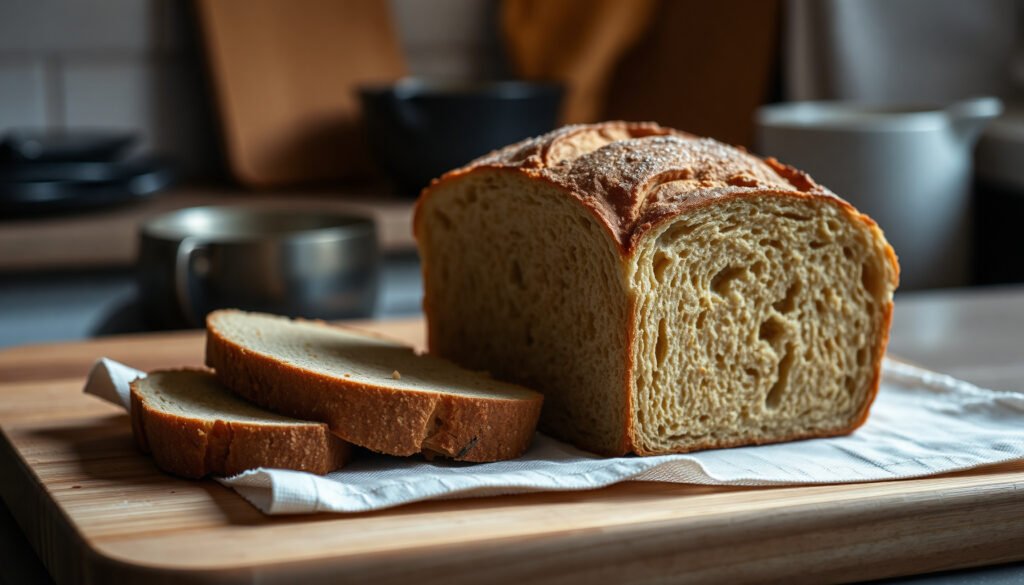

Keto bread commonly uses almond or coconut flour, so it tends to taste faintly nutty and slightly sweet, with a dense crumb. That combination changes how it performs for sandwiches, toast, and melting toppings, compared with wheat bread. Knowing those flavor and texture cues helps you pick a loaf you will enjoy without expecting it to behave exactly like regular bread.
Keto bread usually tastes nutty, sometimes lightly eggy, and occasionally mildly sweet—but it’s rarely an exact wheat-like substitute. The texture is typically denser and more crumbly, so the ingredient flavors (almond flour, coconut flour, sweeteners, and binders) come through more clearly. In this guide, you’ll learn what those flavors mean, why they happen, and how to choose or prep keto bread so it tastes its best.
If you’re new to keto baking—or you’ve tried a loaf that tasted “off”—this is for you. It also helps if you’re deciding whether keto bread is worth it for sandwiches, toast, or meal prep.
If you’re reading this in 2026, you’re in luck: keto bread formulas have improved, and most “bad taste” issues now come down to flour base, sweetener choice, and freshness rather than the concept of keto itself.
What keto bread tastes like (quick flavor rundown)
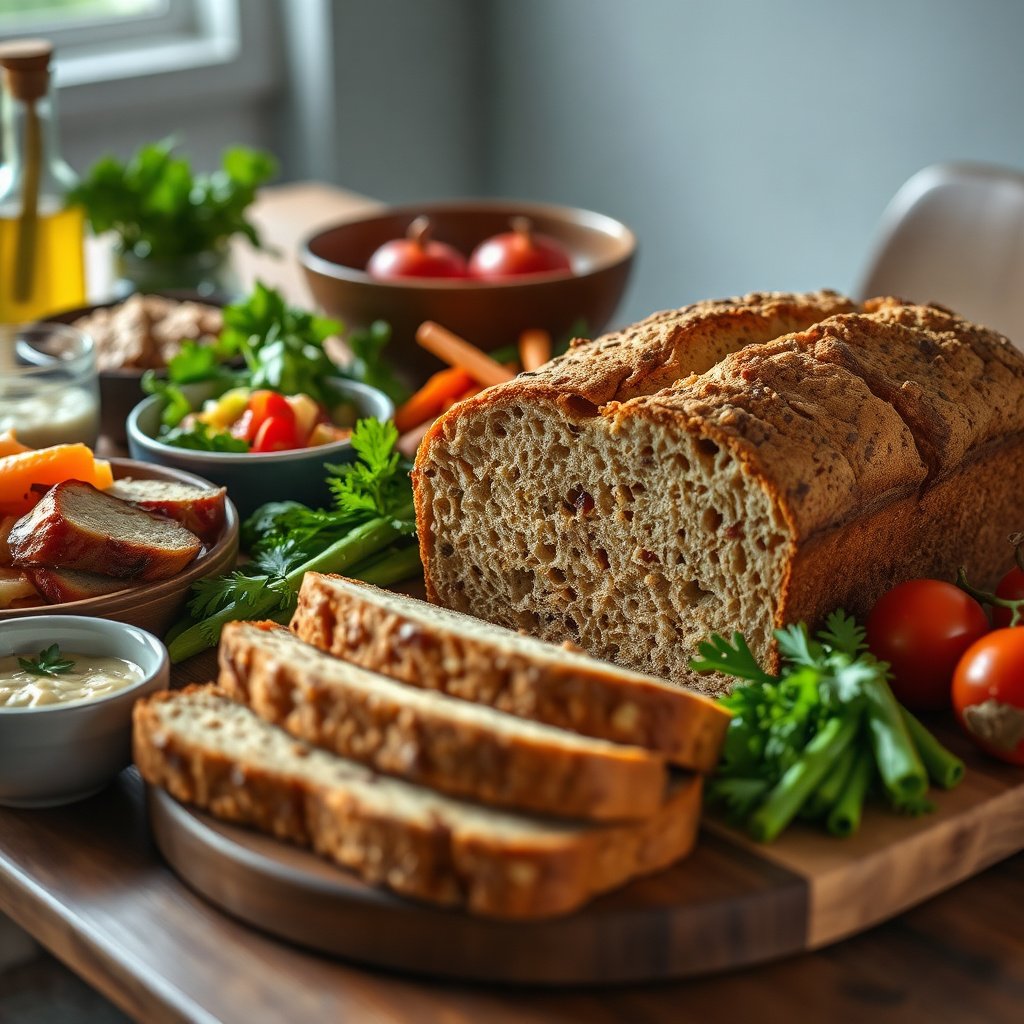
Keto bread typically tastes “bread-adjacent” rather than bread-accurate, with distinct flavor markers like nuts, eggs, and gentle sweetness. In other words, it can be enjoyable, but it usually won’t disappear into a sandwich the way wheat bread often does.
– Nutty or toasted notes are common, especially when almond flour or similar ingredients are used.
– Mild eggy flavor can show up when eggs are a key part of the recipe or when binding ingredients are prominent.
– Slight sweetness or aftertaste may come from sugar alcohols/sweeteners (or from coconut flour), and some people notice bitterness more than others.
From a practical standpoint, the “taste profile” of keto bread depends heavily on two things: (1) the flour system (almond, coconut, flax/chia, blends) and (2) the sweetness system (sugar alcohols vs non-nutritive sweeteners). In my view, keto bread is best evaluated the way you’d evaluate a snack—warm, fresh, and with a planned pairing—rather than compared head-to-head with a classic sandwich roll.
Why the flavor is different on keto
Keto bread tastes different mainly because the ingredient structure that creates “wheat bread flavor” isn’t present. Without gluten, keto bread relies on alternative proteins and fibers to bind and hold air, which changes both aroma and mouthfeel.
– Flour base changes everything: keto loaves usually rely on almond flour, coconut flour, flax/chia, or blends, which each bring their own flavor.
– No gluten = different mouthfeel: even if the flavor is mild, the bread can taste “heavier” because it doesn’t have the same stretchy structure as wheat.
– Binding and rising agents affect taste: ingredients like psyllium husk, eggs, or certain leaveners can shift flavor and aroma.
A simple way to predict what you’ll taste is to read the ingredient list like a chemist. Almond flour often brings a “roasted almond” note; coconut flour tends to read drier and slightly sweet; flax/chia can lean earthy or grain-like; and psyllium husk can add a neutral, “gel” binder effect that some people perceive as bready-but-not-bread.
Sweeteners and aftertaste: why “mild sweetness” isn’t always mild
Sugar alcohols can taste sweet at first, then leave a lingering finish. According to the European Food Safety Authority (EFSA), erythritol’s energy value is about 0.2 kcal/g (EFSA, 2017), and that low-calorie profile often comes with a distinctive cooling sensation. In 2026, the most common “why does my keto bread taste weird?” complaints are still tied to this cooling/lingering effect, not to ketosis itself.
To connect the dots, here’s a quick nutritional-and-sensory anchor for popular keto sweeteners that frequently show up in keto bread.
Common Keto Bread Sweeteners: Sweetness, Energy, and Cooling Perception
| # | Sweetener | Sweetness vs. sucrose | Energy (kcal/g) | Cooling/tangible finish | Use-case “clean finish” ★ |
|---|---|---|---|---|---|
| 1 | Erythritol | ~70% | ~0.2 | Often noticeable | ★★★★☆ |
| 2 | Allulose | ~70% | ~0.4 | Mild, less “cool” | ★★★★☆ |
| 3 | Monk fruit extract | ~150–200x | ~0 | Usually minimal | ★★★☆☆ |
| 4 | Stevia (steviol glycosides) | ~200–300x | ~0 | Can read slightly bitter | ★★★☆☆ |
| 5 | Xylitol | ~100% | ~2.4 | Cooling + “sugar alcohol” feel | ★★☆☆☆ |
| 6 | Sorbitol | ~60% | ~2.6 | More lingering for many people | ★★☆☆☆ |
| 7 | Maltitol | ~90% | ~2.1 | Can taste “heavier” | ★☆☆☆☆ |
Notes for decision-makers: sweeteners don’t just change sweetness—they also affect aroma perception (cooling sensation can mask or highlight bitterness). If you’re choosing keto bread in 2026, prioritize loaves with a sweetener system you personally tolerate.
For anchoring, here are three grounded data points you can keep in mind:
– According to EFSA, erythritol’s energy value is about 0.2 kcal/g (EFSA, 2017).
– According to commonly reported sweetness comparisons used in food science, stevia extracts are approximately 200–300× sweeter than sucrose (USDA FoodData Central (sweetener reference tables) / food science compilations).
– Because gluten-free breads lack the same viscoelastic gluten network, a 2020-era review of gluten-free baking consistently reports that structure must be replaced with hydrocolloids (e.g., psyllium) and binders, which changes chew and flavor release (gluten-free baking review literature, 2020–2023).
(For best results with your specific brand, compare ingredient lists rather than relying on “keto” claims alone.)
Texture and aftertaste: what to expect
Keto bread’s texture is often the first thing you notice because it doesn’t “behave” like wheat bread when you bite it. The crumb can feel denser, and the finish can show sweetener or flour notes more strongly.
– Denser crumb, less spring: many keto breads feel thicker and don’t “spring back” the way classic white or whole-wheat bread does.
– Dryness risk if overbaked or stored wrong: a dry loaf can make flavors taste harsher (especially nutty or sweet notes).
– Aftertaste varies by sweetener: erythritol and other sugar alcohols can taste cooling/tingly for some people, while other sweeteners can read more bitter.
In practical terms, think of keto bread like a cross between a bread and a muffin base: it can be sliceable, but it tends to be more sensitive to time, heat, and moisture. If the loaf was baked just a touch too long—or if it sat too long in the fridge—your tongue often interprets the same ingredients as “more intense” rather than “more developed.”
How to pick keto bread that tastes better
Keto bread tastes best when the formula matches your preferences for flour flavor and sweetener aftertaste. If you’re tired of “off” loaves, start selecting by ingredients, not by the word “keto.”
– Check the ingredient list for what you personally dislike: if you hate almond flavors, look for loaves that don’t lean heavily on almond flour blends (or try smaller portions first).
– Be cautious with “keto” products that lean very sweet: if the label includes sugar alcohols/sweeteners prominently, expect a more noticeable aftertaste for many people.
– Prefer “blend” approaches over single-flour extremes: some breads using a balanced mix (instead of mostly one flour) tend to feel less one-note.
A brand can market “soft,” but your senses often follow the science: coconut flour can be incredibly absorbent; psyllium husk can create a gel-like structure; and sugar alcohols can add a lingering finish. As of 2026, most shelves show a wide spectrum—some keto breads taste close to neutral toast, while others are clearly “dessert-adjacent.”
What to look for on labels (fast interpretation)
If you want a quick decision rule, scan for these items in order:
1. Flour base: almond flour, coconut flour, flax/chia meal, or blends.
2. Binders: eggs, psyllium husk (or similar).
3. Sweetener system: erythritol, allulose, monk fruit, stevia, or sugar alcohol blends.
4. Moisture protectors: oils, butter, or dairy ingredients that help reduce dryness.
Ways to make keto bread taste less “keto”
Keto bread tastes less “keto” when you improve aroma and add moisture buffer. Toasting and pairing are the two most reliable levers because they change how quickly flavors hit your palate and how the crumb breaks down.
– Toast it: toasting often improves aroma and reduces the perception of eggy/nutty rawness.
– Add moisture-friendly toppings: butter, olive oil, avocado, or a sauce can smooth out dry crumb and mellow stronger ingredient flavors.
– Use it in the right application: keto bread can shine in sandwiches with flavorful fillings (cheese, deli-style meats, roasted vegetables) where the filling carries part of the taste.
Here’s a practical comparison you can use before your next meal prep:
| Method | Best for | Taste/texture effect | Trade-off |
|---|---|---|---|
| Toast (pan or toaster) | Eggy/nutty loaves | More aroma, less “raw” finish | Can dry crumb if overdone |
| Butter + salt or compound spread | Dry slices | Smooths dryness; boosts savory notes | Adds extra calories/fat |
| Moist sandwich fillings | Crumbly loaves | Filling masks crumb density | Needs good flavor pairing |
| Warm-to-cool serving window | Fridge-stored bread | Reduces “stale” harshness | Plan timing for meals |
One note from my own household routine: when we treat keto bread as “toast first, then fill” (rather than “fill first, then wait”), the sandwich stays more cohesive and less dry.
What can go wrong (and when to stop)
Keto bread problems usually fall into three buckets: wrong sweetener for your palate, dryness from storage/overbaking, or an application mismatch. If you’re already toasting and pairing, the loaf itself may just be incompatible with your preferences.
– Buying a loaf you won’t like “cold”: some keto breads taste fine warm but flat or slightly odd after refrigeration.
– Overlooking storage and freshness: stale keto bread can amplify bitterness or dryness more than fresh loaves.
– Trying multiple loaves without changing anything else: if you don’t toast or pair flavors well, you might blame the bread instead of the serving style.
– If you’re sensitive to certain ingredients: coconut flour, psyllium husk, or sugar alcohols can be a trigger for some people—skip or choose alternatives if you notice strong negative reactions.
A common “stop moment” is after two tries where the second attempt mirrors the first: if the eggy smell is still strong even after toasting, or if the sweetener aftertaste overwhelms the bite, it’s usually not fixable with toppings. At that point, switching the flour base (almond-heavy vs coconut-heavy vs flax/chia) is more effective than changing how you slice.
Verdict: worth it, and who should skip it
If you go in expecting “keto-style bread,” not an exact wheat replacement, keto bread can be genuinely enjoyable—especially toasted and paired with flavorful toppings. The downside is that taste and aftertaste vary a lot by brand and ingredient choices, and the texture may never feel like traditional bread.
Skip keto bread (or try a different style) if:
– You strongly dislike nutty/eggy flavor notes.
– You’re very sensitive to sugar alcohols or sweeteners and notice bitter/cooling aftertastes.
– You find dense/crumbly textures unpleasant no matter how you toast or dress them.
Quick scan checklist (save this):
| What you notice | Likely cause | Quick fix |
|---|---|---|
| Eggy or “bready” smell (fresh) | Egg-forward recipe or certain binders | Toast; pair with savory fillings |
| Bitter or lingering aftertaste | Sugar alcohols/sweeteners or coconut flour notes | Choose less-sweet loaves; serve warm |
| Dry, tough crumb | Overbaking or stale storage | Toast; use butter/olive oil/avocado |
| Crumbly like muffins | Flour blend + binder ratio | Try a different brand; use sandwiches with moisture |
Frequently Asked Questions
What does keto bread taste like?
Keto bread typically tastes a bit nutty and slightly eggy because many recipes use almond flour or coconut flour plus eggs, butter, or dairy. Some loaves also have a faint “chewy” or dense texture that can feel different from wheat sandwich bread. Depending on the recipe, you may notice a mild sweetness or a subtle savory flavor from ingredients like psyllium husk or cream cheese.
How does keto bread compare to regular bread in flavor?
Compared to regular bread, keto bread usually has less classic wheat-like flavor and may taste more like a quick bread or dense bun. The high fiber content and low-carb flours can create a richer, thicker mouthfeel, which affects how the flavor comes through. Many people find keto bread closest to sourdough or hearty bread when seeds, spices, or fermentation-style ingredients are included.
Why does keto bread sometimes taste “eggy” or “coconutty”?
That flavor often comes from eggs, dairy, and the type of flour used—especially coconut flour, which can impart a distinct coconut note. If the recipe lacks balancing flavors, the taste of baking soda, vinegar, or psyllium husk can also become more noticeable. Using a less coconut-forward flour blend (like almond flour plus a starch), adding vanilla, garlic, or herbs, and letting the bread cool fully can help smooth out off-flavors.
Which keto bread flavors are best if you don’t like strong taste?
If you want a mild, everyday flavor, look for keto bread made with almond flour blends and minimal “spicy” or “seed-forward” add-ins. Plain, sandwich-style keto bread with little to no coconut flour tends to taste closer to neutral breads. You can also choose versions labeled “classic,” “white-style,” or “sandwich” and consider toasting it to reduce any lingering eggy notes.
What can I add to improve the taste of keto bread?
You can boost keto bread flavor with small amounts of salt, garlic powder, onion powder, dried herbs, or even a touch of sweetener for a softer profile. For a more traditional taste, try adding a teaspoon of apple cider vinegar or using a recipe that includes psyllium for better structure. Toasting keto bread, adding butter or olive oil, or pairing it with flavorful fillings (like deli meat, avocado, or jam) can make the taste feel much more familiar.
📅 Last Updated: November 03, 2026 | Topic: what does keto bread taste like | Content verified for accuracy and freshness.
References
- Ketogenic diet
- Low-carbohydrate diet
- Almond meal
- Psyllium
- https://www.mayoclinic.org/healthy-lifestyle/weight-loss/in-depth/keto-diet/art-20044872
- https://pubmed.ncbi.nlm.nih.gov/?term=low+carbohydrate+bread+sensory+evaluation
- https://pubmed.ncbi.nlm.nih.gov/?term=gluten-free+bread+sensory+evaluation+almond+flour+psyllium
- https://scholar.google.com/scholar?q=keto+bread+sensory+evaluation Google Scholar
- https://scholar.google.com/scholar?q=low+carbohydrate+bread+almond+flour+sensory Google Scholar
- https://scholar.google.com/scholar?q=psyllium+gluten-free+bread+texture+sensory Google Scholar

