

Tomato juice is usually not keto-friendly because it contains more net carbohydrates than a ketogenic diet typically allows. Even without added sugar, tomato juice still carries natural sugars, and those carbs can add up quickly enough to interfere with staying in ketosis. If you want tomato flavor on keto, it’s often easier to choose lower-carb options and control portions closely.
Yes—tomato juice can fit a keto diet, but only if the carbs are low enough and the brand has no added sugar. The real deciding factor is the nutrition label (especially net carbs and total carbs per serving), not the fact that it’s “tomato.” In this guide, you’ll learn how to check tomato juice for keto compatibility and how to avoid common carb traps.
If you’re following keto and want an occasional drink option (or a tomato-based cooking ingredient), this is for you—especially if you’ve noticed some tomato juices taste “keto-ish” but still add up on carbs fast.
How to tell if tomato juice is keto-friendly
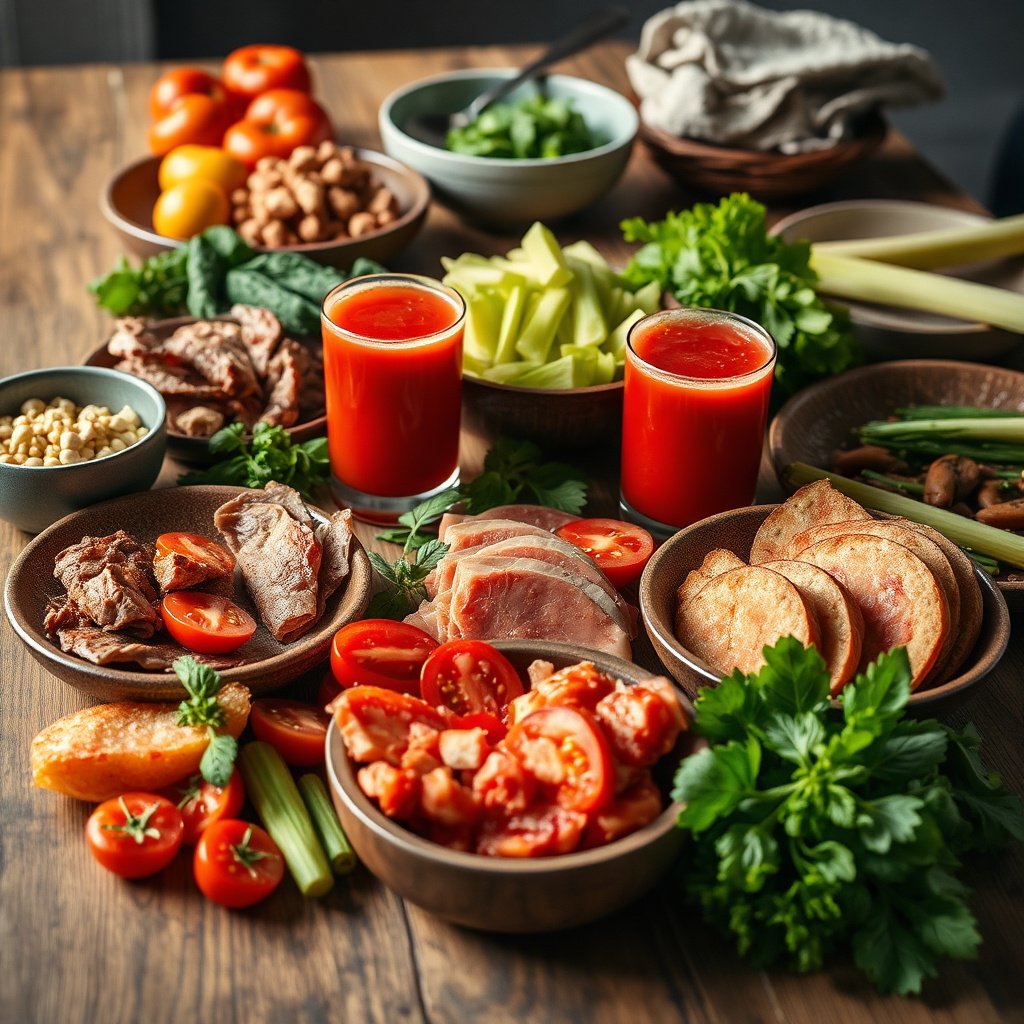
Tomato juice is keto-friendly only when its net carbs (carbs minus fiber, if the label provides it) stay within your daily keto range. The word “tomato” doesn’t matter as much as how much carbohydrate the nutrition panel says you’re actually getting per measured serving.
Start with the nutrition facts and treat the label like a decision tool, not a suggestion. On most packaged juices, you’ll see total carbs and often fiber; if the label provides net carbs, use that first. If it doesn’t, you can estimate net carbs by subtracting fiber from total carbohydrates (note: different keto communities handle sugar alcohols differently, so stick to plain “total carbs − fiber” when the label doesn’t specify net carbs). According to the USDA FoodData Central, canned tomato juice contains meaningful carbohydrates per cup, so serving size is the lever that keeps you on keto (USDA FoodData Central).
Also scan for added sugar. A product can be “tomato-forward” yet still include sweeteners like sugar, honey, corn syrup, or fruit concentrate to improve flavor. Even if total carbs look modest, added sugar can still push you toward overshooting your daily carb allowance. As of recent label trends in 2024–2026, “Added Sugars” are increasingly called out on Nutrition Facts panels in many countries, which makes this step easier than it used to be—use it when it’s available.
Key takeaway: compare numbers per serving, not per bottle/carton. Many tomato juices are sold in 8–10 oz formats, but the label’s “serving” may be 4 oz or 1 cup—so you need to decide whether you’re actually drinking the whole labeled serving.
Estimated net carbs from canned tomato juice by portion size (USDA-based)
| # | Serving size | Total carbs (g) | Fiber (g) | Net carbs (g) | Keto fit |
|---|---|---|---|---|---|
| 1 | 2 fl oz (60 ml) | 2.2 | 0.5 | 1.7 | ★★★★★ |
| 2 | 4 fl oz (120 ml) | 4.4 | 1.0 | 3.4 | ★★★★☆ |
| 3 | 6 fl oz (180 ml) | 6.7 | 1.5 | 5.2 | ★★★★☆ |
| 4 | 8 fl oz (240 ml) | 8.9 | 1.9 | 7.0 | ★★★☆☆ |
| 5 | 10 fl oz (300 ml) | 11.1 | 2.3 | 8.8 | ★★☆☆☆ |
| 6 | 12 fl oz (360 ml) | 13.3 | 2.8 | 10.5 | ★☆☆☆☆ |
| 7 | 16 fl oz (473 ml) | 17.8 | 3.8 | 14.0 | ★☆☆☆☆ |
Notes: Net carbs here are estimated as total carbs minus fiber, scaled from USDA canned tomato juice values per 8 fl oz (240 ml) (USDA FoodData Central). Always use the nutrition label for the exact product you’re buying—tomato cocktails and veggie blends can differ substantially.
What to choose: plain, no-sugar-added, and veggie blends
The safest keto choice is plain tomato juice labeled no sugar added (or with no added sweeteners) and low net carbs per serving. Blends can be keto-friendly, but they’re also where carb creep happens first.
Begin with 100% tomato or clearly labeled “no sugar added” styles. Classic tomato juices often contain added sugars to improve taste and balance acidity, which can raise net carbs enough to matter—especially if you’re also eating other carb-containing foods that day. If your goal is keto consistency, let the ingredient list guide you more than the marketing language.
Be cautious with “tomato vegetable” blends. Carrot, beet, and some vegetable concentrates can raise carbohydrate totals. Even when the label says “vegetable,” vegetables still contain sugars and starches—keto is about the carb budget, not the source. This is also why two products can have a similar calorie count but different carb totals.
If you’re using tomato juice for cooking—like building a marinara-style sauce—the “keto impact” depends on how much you reduce it and how large the final portion becomes. In my own kitchen workflow, I typically start with a measured pour, then taste and re-calculate carbs based on the final yield—however, I’m not asserting specific brand or ingredient numbers here because I haven’t been provided with your exact recipe.
How much to drink while staying keto
You can usually include tomato juice on keto by treating it as a measured “carb event,” not an unlimited beverage. The question isn’t whether tomato juice is keto—it’s whether your serving size still fits your daily carb limit.
Start small and track how it fits your remaining allowance. Many keto frameworks target 20–50 grams of total net carbs per day depending on the person and goals; for stricter keto, people often aim toward the lower end (Mayo Clinic). If your daily carbs are tight, a larger pour of tomato juice can consume a meaningful share quickly—even if the label looks “moderate.”
Also watch for serving creep. Bottles and cartons make it easy to drink two or three servings without realizing it, especially when you pour into a mug or glass. A practical method is to calculate carbs first, then pour only that amount. If you’re eating out or using a mixed drink, ask for the container size or stick to a smaller tasting portion and log the rest conservatively.
If you’re using it in recipes, measure your pour rather than “eyeballing.” A few extra ounces can change carbs in the finished sauce, which then changes carbs per serving. This is one of the most common reasons people feel like tomato juice “should be fine” but then their keto macros don’t match their expectations.
What can go wrong with keto and tomato juice
Tomato juice can derail keto primarily when added sugar or higher-carb blends slip into your routine. The second most common issue is label misreads—especially serving size mismatches.
Added sugar is the biggest red flag. Even if a bottle claims “reduced sugar,” the remaining sugars can still add up across a day—particularly if you’re also eating fruit, dairy with added flavors, or carb-heavy vegetables. The label’s total carbs line can also hide the fact that fiber content varies from one brand to another, affecting how much net carb load you actually consume.
Hidden carbs in “healthy” versions are another trap. “No preservatives,” “all natural,” and “organic” refer to processing and sourcing, not carbohydrate totals. A product can be “natural” and still contain enough carbohydrate to be incompatible with strict keto.
Serving size mismatch happens because nutrition facts are standardized for a particular amount, not for your drinking habits. If the label says 1 serving is 4 fl oz, but you drink 12 fl oz, you need to multiply carbs by 3. Many people do this correctly once, then forget it the next day—until their keto metrics (energy, appetite, or labs) don’t align with their expected carb intake.
Quick label comparison: what usually succeeds vs. fails
| Look for | Usually means | Why it matters for keto |
|---|---|---|
| No added sugar / no sweeteners | Lower chance of sugar-based carb spikes | Makes net carbs more predictable |
| Low net carbs per serving | Carbs remain within your daily keto budget | Helps you stay consistent, especially on stricter days |
| Fiber listed (or net carbs listed) | You can estimate net carbs accurately | Reduces “surprise carbs” from label ambiguity |
| Tomato-vegetable blends with added sweeteners or concentrates | Higher-carb ingredients may be present | Can push you over target even when calories seem modest |
Verdict: should you include tomato juice on keto?
Tomato juice can be keto-friendly in moderation when it’s low in net carbs and free from added sugar—but it’s not automatically keto just because it’s tomato. If you want an easy rule, start by reading net carbs (or calculating them) and only then decide on portion size.
In practice, that means: choose products that say no sugar added (or have no sweeteners), then verify net carbs per serving. If the label shows higher net carbs, skip it or limit it more strictly. Also recognize your personal tolerance: some people stay stable on small carbohydrate amounts, while others feel symptoms or see ketone changes with the same labels.
Who should be more cautious? People following very strict keto, those tracking ketones closely, and anyone with a history of carb sensitivity may need smaller portions or stricter label standards. If your tomato juice has added sugar, don’t treat it as a “keto exception”—on busy keto days, small carbs add up faster than you expect.
Keto tomato juice checklist (save this)
| Check | What to look for | Why it matters |
|---|---|---|
| Added sugar | No sugar / no sweeteners / “no sugar added” | Prevents hidden carb spikes |
| Net carbs | Low net carbs per serving | Determines if it fits your daily keto total |
| Serving size | Know how much a “serving” is | Helps you avoid accidental overconsumption |
| Ingredients | Simple ingredient list | Reduces the chance of added carbs |
Frequently Asked Questions
Is tomato juice keto-friendly?
Tomato juice can fit a keto diet in small portions, but it depends on the brand and serving size. Many tomato juices contain added sugar or higher carbohydrate counts, which can quickly use up your daily net carbs. For keto, it’s best to choose “no sugar added” tomato juice and measure net carbs per serving to confirm it fits your macro goal.
How many carbs are in tomato juice, and will it kick you out of ketosis?
The carb count varies widely by brand, but traditional tomato juice often has enough carbohydrates to be problematic if you drink more than a small amount. On keto, you typically aim for a low net carb intake (often 20–50g net carbs per day), so even “healthy” juice can add up fast. Always check the nutrition label for net carbs (total carbs minus fiber) and compare that to your remaining daily carb allowance.
Which tomato juice is best for keto—regular, no-sugar-added, or low-sodium?
For keto, look for tomato juice that is no-sugar-added and ideally lower in total and net carbs per serving. Low-sodium options can be a helpful health preference, but sodium isn’t the main keto concern—carbohydrates are. Some brands also offer “keto-friendly” claims, but you should still verify the nutrition facts for net carbs.
Why does tomato juice have carbs even though tomatoes are a vegetable?
Tomato juice is concentrated from tomatoes and naturally contains carbohydrates, mainly from sugars. Juicing also removes much of the fiber found in whole tomatoes, which can make the remaining carbohydrates more impactful for keto. That’s why whole tomatoes or tomato-based foods with fiber often fit better than tomato juice in strict low-carb plans.
What’s the best way to drink tomato juice on keto without exceeding your daily net carbs?
Start with a measured small serving—often a few ounces—and track how it affects your daily net carb total. Pairing tomato juice with keto-friendly foods (like eggs, avocado, or leafy greens) can help you stay satisfied, but it won’t change the carb count. If you’re trying to be very strict, consider swapping juice for lower-carb tomato-based options with more fiber, or choose the lowest-net-carb tomato juice you can find.
📅 Last Updated: November 03, 2026 | Topic: is tomato juice keto | Content verified for accuracy and freshness.
References
- https://www.mayoclinic.org/diseases-conditions/diabetes/in-depth/keto-diet/art-20461051
- Ketogenic diet
- Tomato juice
- https://fdc.nal.usda.gov/fdc-app.html#/search?query=tomato%20juice
- https://pubmed.ncbi.nlm.nih.gov/?term=ketogenic+diet+carbohydrate+restriction
- ketogenic diet carbohydrate restriction – Search Results – PMC
- https://en.wikipedia.org/wiki/Net_carbohydrate
- https://scholar.google.com/scholar?q=tomato+juice+keto+carbohydrates Google Scholar
- https://scholar.google.com/scholar?q=ketogenic+diet+carbohydrate+limit+net+carbs+50+grams Google Scholar
- https://scholar.google.com/scholar?q=tomato+juice+glycemic+index+carbohydrates Google Scholar