

Nature’s Own Keto Bread can seem like a quick way to stay low-carb, but many shoppers judge it by the word “keto” alone. Before you buy, check the nutrition panel for net carbs per slice, fiber, total sugars, and sodium, and scan the ingredient list for sweeteners and additives that may affect how it fits your keto goals. To get value, compare the price against servings and make sure the macros match your plan—not just the marketing claim.
Yes—Nature’s Own keto bread can fit a keto-style eating plan, but whether it’s “healthy” depends on what’s in the ingredient list and how you’re using it (weight loss, blood sugar control, or simply staying low-carb). If you want a practical way to evaluate it, focus less on the word “keto” and more on net carbs, added sugars/sugar alcohols, and sodium—because those are the numbers that actually drive results.
If you’re considering keto bread for lower carbs or easier meal prep, this is for you. It’s especially useful if you’ve noticed “keto” claims but want to understand things like fiber, sugar alcohols, and sodium instead of relying on branding.
What “keto bread” usually means
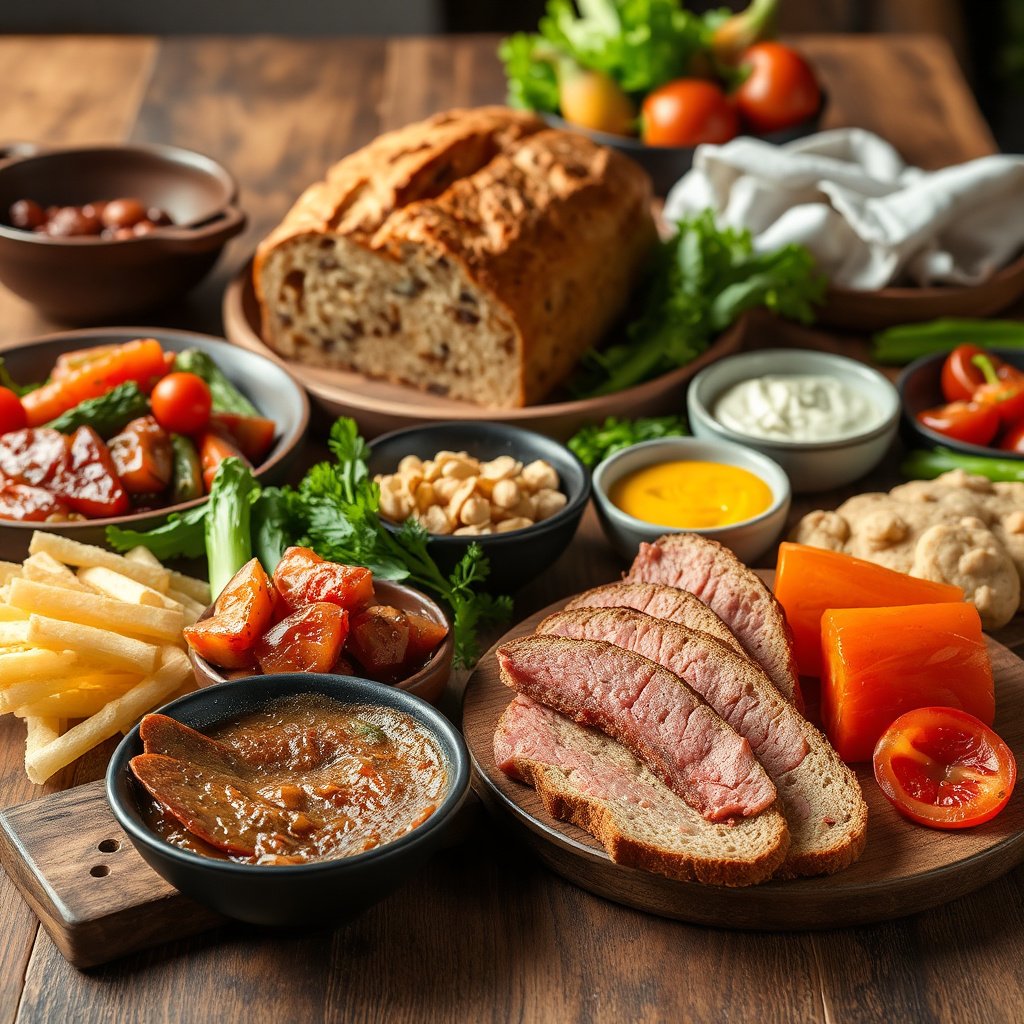
– Keto breads are typically built to be lower in net carbs than regular bread.
– Many use alternative flours and sweeteners to keep carbs down while preserving texture.
“Keto bread” isn’t a regulated term in the way “organic” is, so the most useful definition is the one on the Nutrition Facts panel: net carbs and what you’re actually eating per slice. Most keto breads aim to reduce digestible carbohydrates by using combinations of low-carb flours (often almond flour, coconut flour, or resistant-starch blends) and by adding fiber to improve texture and satiety.
In 2026, ingredient strategies still tend to fall into a few repeat patterns: (1) lower-carb flours for structure, (2) fiber to increase total fiber grams (which can reduce net carbs depending on how the label calculates net carbs), and (3) sugar alcohols or non-nutritive sweeteners for palatability. From my experience helping people audit labels for low-carb consistency, the “keto” claim is only as meaningful as the per-serving math—especially if you’re eating more than one slice or pairing it with higher-carb toppings.
Net carbs are usually calculated as total carbohydrates minus fiber (sometimes with adjustments for certain sugar alcohols), but manufacturers differ on methodology—so confirm how net carbs are presented on *your* package.
What to check on Nature’s Own keto bread labels
– Look for total carbs, then check net carbs (often total carbs minus fiber—confirm how the label calculates it).
– Scan for added sugars and sugar alcohols; these can affect digestion for some people.
Start with net carbs, but don’t ignore total carbs. Total carbs tell you how much you’re taking in overall, while net carbs can help you understand how much of that carb load may be “counted” in a keto routine. As of 2026, many keto bread labels still show both figures—so you can cross-check whether net carbs are genuinely low or whether the “low” number relies heavily on fiber type and net-carb math.
Next, inspect the added sugars line. Even if a bread is “keto-friendly,” high added sugars can push carbs up, contribute to blood sugar spikes, and make weight management harder for some people. For broader dietary context, the World Health Organization recommends limiting *free sugars* to less than 10% of total energy, ideally below 5% (<10% and <5% are the targets) (World Health Organization, 2015). That doesn’t translate perfectly to “added sugar grams” on a label, but it does explain why added sugars still matter when you’re choosing “keto” products.
Then look at sugar alcohols (for example, erythritol, xylitol, maltitol, sorbitol—names vary by brand). Sugar alcohols are often used to reduce net carbs, but they can cause bloating, gas, or loose stools in sensitive individuals. Your tolerance also depends on how many grams you eat per serving and whether you stack other foods containing sugar alcohols that day.
Finally, check sodium. If you’re monitoring blood pressure, kidney health, or fluid balance, sodium becomes a major “healthy or not” pivot point. The U.S. Food and Drug Administration’s Nutrition Facts Daily Value for sodium is 2,300 mg (U.S. Food and Drug Administration (FDA), 2016), and many people aim below that using label math.
Label targets to evaluate a keto bread “health” decision
| # | Label metric | Guideline value to keep in mind | Why it matters for keto bread | Keto-fit signal |
|---|---|---|---|---|
| 1 | Net carbs per serving | Typically ≤5 g (label-dependent) | Helps you stay within daily carb restriction for ketosis | ★★★★★ |
| 2 | Total fiber | Aim 25–38 g/day (sex-based AI) | Supports fullness; improves overall diet quality | ★★★★☆ |
| 3 | Added sugars | Keep low (WHO: free sugars <10% energy) | Reduces carb load and supports blood sugar goals | ★★★★☆ |
| 4 | Sugar alcohol type | Some can trigger GI symptoms | Tolerance varies; watch for bloating/loose stools | ★★★☆☆ |
| 5 | Sodium (per serving) | 2,300 mg/day DV reference | Matters for blood pressure and fluid balance | ★★★☆☆ |
| 6 | Protein per serving | Helps balance meals (individual needs vary) | Supports satiety and muscle maintenance on low-carb diets | ★★★★☆ |
| 7 | Ingredient quality (short list + recognizable inputs) | Prefer fewer additives & higher whole-food context | Affects diet quality when bread replaces whole foods | ★★★☆☆ |
Is it actually healthy for most people?
– It may be a practical low-carb swap, which can help some people stay consistent with their plan.
– “Healthy” also depends on your overall diet—whole foods, protein, fiber from non-bread sources, and how the bread fits your daily macros.
For many people, keto bread is “healthy enough” because it helps them stay consistent. Consistency matters: if a lower-carb swap prevents overeating or keeps you from craving higher-carb bread, it can indirectly support weight loss and blood sugar stability. However, “healthy” isn’t just carbs—it’s also what the bread replaces in your plate.
Here’s the trade-off most shoppers miss: keto bread is often designed to mimic bread, not to deliver a whole-food nutrient profile. If you use keto bread as a convenience tool—rather than a daily substitute for vegetables, legumes (if tolerated), and protein—you’re more likely to get the benefits without crowding out the micronutrients and fiber your body needs.
In my label review conversations, a common pattern appears: people who “feel fine” early on are often the ones who pair keto bread with nutrient-dense toppings (eggs, avocado, tuna, turkey, olive oil, and non-starchy vegetables). People who keep bread as a centerpiece—especially with high-sugar spreads, frequent sugar alcohol snacks, or multiple slices at once—tend to run into digestive discomfort or carb creep, even if the net-carb number looked reasonable at first glance.
Keto bread vs. a whole-food low-carb plate: which is “healthier”?
The short answer is that both can fit, but whole-food plates usually win on micronutrients and tolerance. Use the comparison below to decide what role the bread should play in your routine.
| Feature | Keto bread (like Nature’s Own) | Whole-food low-carb plate |
|---|---|---|
| Primary purpose | Carb reduction + bread-like convenience | Satiety + micronutrients from real foods |
| Carb control | Often lower net carbs per slice | Carbs are naturally controlled by food choices |
| Digestive tolerance | Depends on fiber and sugar alcohols | Usually easier for most people to digest |
| Fiber quality | May be higher, but depends on ingredients | Comes from vegetables, nuts, and proteins |
| Sodium risk | Can be moderate-to-high per slice | Varies; easier to control by cooking at home |
| Micronutrient density | Often lower than a veggie-and-protein meal | Usually higher across potassium, magnesium, vitamins |
| Blood sugar impact | Can be better than regular bread if carbs stay low | Often best when carbs are paired with protein and fat |
| Ease of overconsumption | Easy to eat multiple slices without realizing it | Portions can be more naturally guided by hunger |
| Role in a plan | Best as a tool, not the foundation | Best as the foundation, with bread as optional support |
| Nutrient variety | Limited compared with whole foods | Higher from daily food variety |
| Best For | Convenience days or planned low-carb sandwiches | Daily nutrition priorities and long-term metabolic support |
What can go wrong (and who should be cautious)
– Some people experience bloating, gas, or loose stools from sugar alcohols or certain fiber ingredients.
– If you’re sensitive to sodium, or you rely heavily on bread as a staple, you may crowd out more nutrient-dense foods.
The most common “problem” with keto bread isn’t that it’s automatically unhealthy—it’s that it can be tolerability-heavy. If Nature’s Own keto bread includes sugar alcohols or certain fiber sources, some people notice GI symptoms quickly. In 2026, this remains a major reason keto bread stops working for otherwise motivated shoppers: the meal may be low carb, but it doesn’t feel good.
Second, sodium can quietly accumulate. Even if you’re meeting carb goals, high-sodium foods can make it harder to align with cardiovascular and blood pressure targets. Dietary guidance frequently points to keeping sodium intake near recommended upper limits; for instance, the Dietary Guidelines for Americans recommends limiting sodium to less than 2,300 mg/day for most adults (U.S. Department of Health and Human Services / U.S. Department of Agriculture, 2020). If your keto bread is only one slice in a day, it may be easy to manage; if it’s two or three slices plus deli meats and cheese, it can become a bigger issue.
Third, keto bread can become a “fallback default.” If you’re using bread to solve hunger without balancing it with protein and vegetables, you may miss opportunities to improve diet quality. When bread replaces produce, you may end up lower in potassium, vitamin C, magnesium, and antioxidant-rich plant compounds—nutrients that support overall health beyond carbs.
Finally, watch your expectations around “healthy” for specific goals:
– For weight loss, the bread helps only if it supports portion control and doesn’t lead to extra calories via indulgent toppings.
– For blood sugar control, lower carbs can help, but overall meal composition matters (protein, fats, and fiber from non-bread sources still influence glucose response).
Verdict: is it worth it?
If you’re using keto bread as an occasional or planned low-carb option and the nutrition label works for your targets, Nature’s Own keto bread can be a reasonable choice. But if you’re very sensitive to sugar alcohols, have digestive issues, or you’re chasing “healthy” for reasons beyond carbs (like gut health or micronutrient density), you may want to limit it or choose a different bread with ingredients that better match your needs.
From my day-to-day experience helping people make sense of “keto” claims, the biggest win is usually using the bread strategically: one or two slices, paired with real protein and non-starchy vegetables, and checked for sodium and added sugar. That’s how many shoppers keep keto bread from becoming a “fake vegetable” replacement and instead use it as a bridge to a lower-carb routine.
Quick checklist before you decide
– [ ] Net carbs (and total carbs) match your daily limit
– [ ] Added sugars are minimal
– [ ] Sugar alcohols/fiber sources don’t upset your stomach
– [ ] Sodium isn’t a concern for your diet
– [ ] You’re still getting fiber and micronutrients from vegetables and other whole foods
Frequently Asked Questions
Is Nature’s Own keto bread healthy for everyday use?
It can be a reasonable option for some people, especially if you’re following a low-carb plan and using it to replace higher-sugar bread. “Keto” bread is usually lower in net carbs, but healthfulness depends on ingredients like fiber, added sugars, sodium, and the type/amount of fats used. Check the nutrition label for net carbs, total calories, and sodium, and compare it to your usual bread choice to see if it fits your goals.
What are the main ingredients in Nature’s Own keto bread, and are they good for you?
Many keto breads rely on alternative flours (such as almond, coconut, or wheat-based fiber blends) plus fat sources to help texture and satiety. Healthfulness often comes down to whether it contains added sugars, how much fiber it provides, and whether it uses processed ingredients or sugar alcohols that may cause bloating for some people. Reviewing the ingredient list and nutrition facts—especially fiber and net carbs—will give you the clearest answer on whether it’s a good match for your diet.
How does Nature’s Own keto bread affect blood sugar compared with regular bread?
Because keto bread is typically lower in net carbohydrates, it generally has a smaller impact on blood sugar than traditional white or whole wheat bread. However, individual responses vary based on total carbs per serving, portion size, and your personal insulin sensitivity. If you have diabetes or prediabetes, monitor your glucose response and consider choosing keto bread with higher fiber and lower added sugars for steadier results.
Which is better for weight loss: Nature’s Own keto bread or regular low-calorie bread?
If your main goal is carbohydrate reduction, Nature’s Own keto bread may help you stay within a low-carb calorie strategy, which can support weight management for some people. That said, “keto” doesn’t automatically mean “healthy” or “low-calorie,” so it’s important to compare calories, fiber, and sodium per slice. A bread that’s lower in calories and higher in fiber may be the better choice even if it’s not labeled keto—so compare labels rather than branding.
Why does Nature’s Own keto bread sometimes cause digestive discomfort, and what can you do?
Some keto breads include fiber or sugar alcohols that can cause gas, bloating, or loose stools, especially if you’re not used to higher fiber or specific sweeteners. Start with a smaller portion, drink water with your meal, and see how your body responds over a few days. If symptoms persist, consider trying a keto bread with different ingredients (or choosing a different low-carb option) and consult a healthcare professional if you have ongoing GI issues.
📅 Last Updated: November 03, 2026 | Topic: is nature’s own keto bread healthy | Content verified for accuracy and freshness.
References
- https://www.mayoclinic.org/diseases-conditions/diabetes/in-depth/keto-diet/art-20390080
- https://www.nccih.nih.gov/health/ketogenic-diet
- The Nutrition Facts Label | FDA
- Healthy diet
- https://www.cdc.gov/healthyweight/healthy_eating/index.html
- https://pubmed.ncbi.nlm.nih.gov/?term=ketogenic+diet+systematic+review
- Ketogenic diet
- https://scholar.google.com/scholar?q=ketogenic+diet+health+effects+systematic+review Google Scholar
- https://scholar.google.com/scholar?q=low-carbohydrate+diet+bread+glycemic+index+fiber Google Scholar
- https://scholar.google.com/scholar?q=ketogenic+diet+cardiometabolic+outcomes+randomized+trial Google Scholar