

Lunch meat is not automatically keto, and it is only keto for people who choose the right ingredients. The decisive factor is net carbs per serving: many lunch meats contain added sugars, fillers, or starch-based binders that push them out of ketosis, even when they taste savory. To stay keto, look for deli meats labeled with minimal carbs and confirm there is no sugar or other carb sources in the ingredient list.
Yes—many lunch meats can fit keto, as long as they’re low in carbs and don’t contain added sugar. Check the Nutrition Facts for carbs (and “net carbs” only when the label clearly supports that calculation), then pick options with simple ingredients and no sweeteners.
If you’re doing keto and want quick, ready-to-eat meals (sandwiches, wraps, or protein plates), this is for you. It’s especially helpful if you’ve noticed some deli meats “feel” keto-friendly but still have carbs that add up fast—especially after you add bread alternatives, sauces, and a second serving.
How to tell if lunch meat is keto
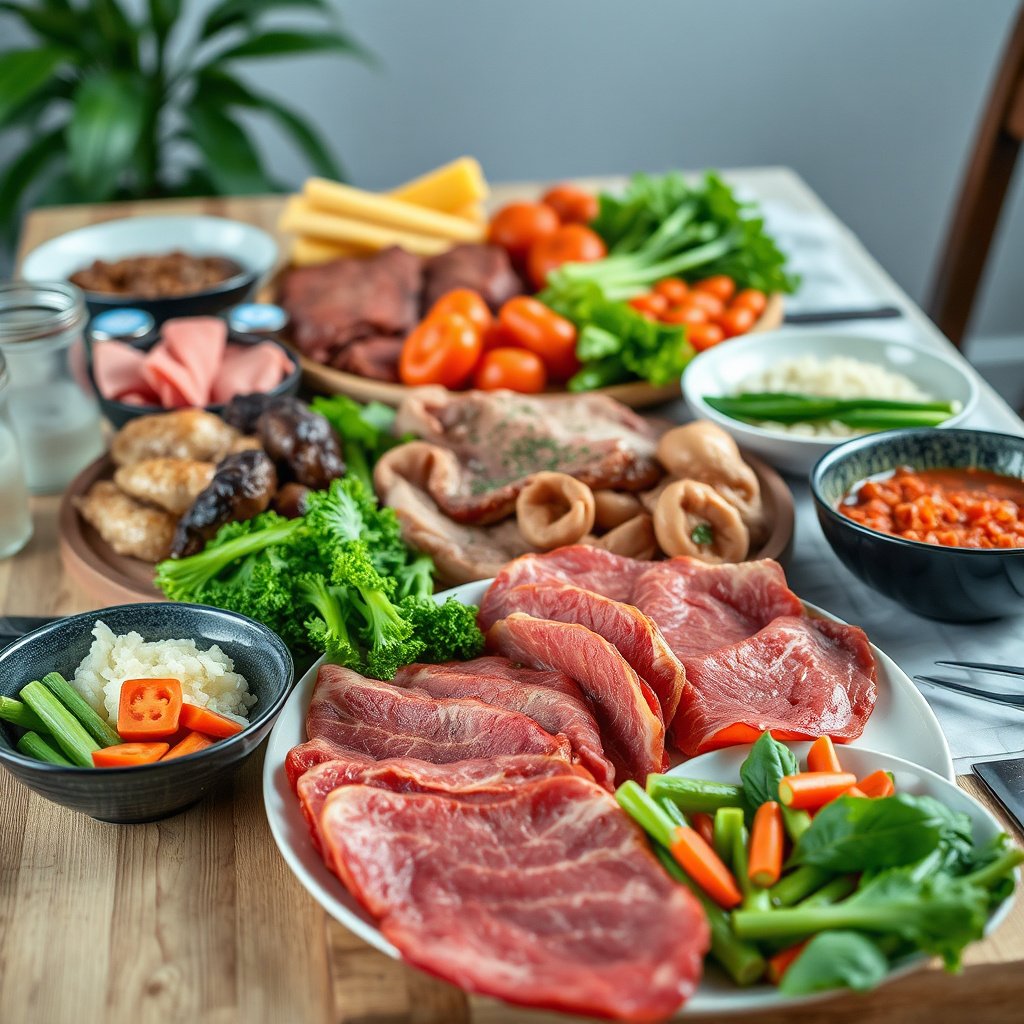
You can tell whether lunch meat is keto-friendly by reading the carb line first, then confirming the ingredient list doesn’t include sugar or starch-based additives. This is more reliable than “keto” marketing on the package, because your carb total is what determines whether you stay in ketosis.
– Look at the Nutrition Facts for total carbs, and use “net carbs” only if the label clearly supports that calculation.
On keto, many people track net carbs (total carbs minus fiber and certain sugar alcohols), but the most important point is that your label must be explicit and consistent. When it isn’t, track total carbs instead.
– Scan the ingredient list for added sugars and sweeteners (they’re the most common keto problem).
Common red flags include sugar, brown sugar, honey, molasses, corn syrup, dextrose, maltodextrin, and “natural flavors” when they’re paired with sweet ingredients. Even small amounts can add up quickly if you eat multiple slices or stack meals.
– Pay attention to serving size—carbs can spike depending on how much meat is listed per serving.
Two products can both say “0g carbs,” but one may list 2 slices and the other lists 5 slices. As of 2026, more labels show “sliced” portions more clearly, but you still need to compare like-for-like serving sizes before deciding.
7 Nutrition Facts Fields That Drive Keto Carb Decisions (U.S. FDA Daily Values)
| # | Label field (FDA DV) | Daily Value (DV) | Why it matters on keto | Keto priority |
|---|---|---|---|---|
| 1 | Total Carbohydrate | 275 g | Your main carb budget signal | ★★★★★ |
| 2 | Dietary Fiber | 28 g | Often subtracted in “net carbs” | ★★★★☆ |
| 3 | Added Sugars | 50 g | Common in sweetened deli meats | ★★★★★ |
| 4 | Saturated Fat | 20 g | Keto often favors higher fat intake | ★★★☆☆ |
| 5 | Sodium | 2,300 mg | High sodium is common in cured meats | ★★☆☆☆ |
| 6 | Cholesterol | 300 mg | Not a carb, but useful for health tradeoffs | ★☆☆☆☆ |
| 7 | Protein | 50 g | Supports satiety while carbs stay low | ★★☆☆☆ |
Keto-friendly lunch meat picks
You’ll usually get the best keto outcomes with plain, unsweetened deli meats that rely on meat, salt, and spices—not curing “sweetness.” In my own shopping routine, the cleanest options are typically the ones that don’t brag about “sweet” flavor profiles and instead read like simple roast or sliced meat.
– Choose plain deli meats with few ingredients (commonly things like sliced turkey, roast beef, or ham with no added sugar).
Look for products where the first few ingredients are recognizable and meat-forward. Fewer ingredients often means fewer opportunities for hidden carbs.
– Favor options that are closer to “meat + salt + spices” rather than cured varieties with extra additives.
Cured meats can still be keto, but they’re more likely to include sugar, syrup, or flavoring compounds that raise total carbs.
– If you tolerate dairy, some people pair lunch meat with cheeses or high-fat toppings to keep meals satisfying on keto.
Cheese doesn’t automatically make deli meat keto, but it helps you build a filling plate so you’re less likely to reach for bread, croutons, or sugary sauces later.
As context, keto typically targets very low daily carbohydrate intake—commonly around 20–50 grams per day depending on the person and approach (Cleveland Clinic, 2023). That range is exactly why “small” carb differences between deli brands can matter over the course of a day.
Ingredients to avoid (sugar, fillers, starch)
You can make lunch meat keto (or not) largely based on what’s hiding in the ingredient list. Even if a package looks “keto-ish,” sweeteners and starch-based thickeners can push carbs up quickly—especially when you eat more than one serving.
– Avoid meats with sugar, honey, corn syrup, maltodextrin, or other sweeteners listed in the ingredients.
These show up in classic “sweet ham,” “glazed” turkey, teriyaki-style deli meats, and some smoky flavors. On keto, added sugar is a double issue: it can raise carbs directly and can make you crave more food.
– Be cautious with “flavored” or “smoky” varieties that may include starch-based binders or sweet sauces.
Flavor claims often mean the manufacturer added something beyond meat and salt. If the ingredient list contains things that sound like texture enhancers (not spices), treat it as a carb risk.
– Watch for words that hint at thickening or coating (these can add carbs even when the meat looks simple).
Terms like “modified” starch, “caramel,” “syrup,” “coating,” or thickening agents can indicate extra carbohydrate content. When in doubt, rely on the carb grams per serving, not just the appearance.
One helpful reality check: added sugar guidance is also low for most people—according to the American Heart Association, added sugars should be limited to no more than 25 g/day for women and 36 g/day for men (American Heart Association, 2016). Many sweetened deli meats move you toward those limits fast, even if the total carb count seems modest at first glance.
How to eat lunch meat on keto
You’ll stay keto with lunch meat by keeping the “carb add-ons” under control and treating portion size as a planned variable. Keto success here is less about the meat itself and more about how you build the meal around it.
– Keep it simple: use lettuce wraps or low-carb bread alternatives instead of traditional sandwich bread.
This is where many people overshoot. Sandwich bread can add enough carbs to erase the benefit of an otherwise low-carb deli meat.
– Pair with keto-friendly fats and crunchy sides (pickles, mayo-based sauces, olives, or avocado—depending on what you tolerate).
Healthy fats help you feel full so you don’t “top off” with chips, fruit, or extra sauces.– Use portion control: measure a serving size at first so you can see how lunch meat fits into your daily carb target.
In practice, I recommend starting with the serving size on the label for a week, then adjusting based on your response. Deli slices are often irregular, and thickness varies between brands and stores.
If you prefer a simple tracking method, use the carb grams per serving as your “unit cost,” then count slices based on how many servings you truly consumed—not how many pieces looked similar.
What can go wrong
Lunch meat on keto can fail for a few predictable reasons: hidden carbs, inconsistent portions, and sauce creep. Most “it’s keto-friendly” disappointments come from trusting the marketing story rather than the numbers on the label.
– “Keto-friendly” claims can hide carbs—always verify the label rather than trusting marketing.
Some products use “keto” in a way that isn’t comparable to your specific carb threshold. Your safest move is to treat claims as marketing until confirmed by total carbs (or net carbs only when clearly supported).
– Serving size tricks: two “thin” slices might equal more than one serving, depending on how it’s cut and labeled.
I’ve noticed that deli counters and pre-sliced packages rarely match perfectly. When you measure at home, you often realize you were eating the equivalent of 1.5–2 servings without meaning to.
– Condiments add up fast: even if the meat is low-carb, spreads, dressings, and glazes can push the meal over your limit.
Sweet mustards, honey-mustard blends, teriyaki sauces, and barbecue-style coatings are common culprits. Mayo-based sauces and sugar-free or low-carb options usually play nicer, but you still need to read their labels.
Here’s a fast comparison to keep the decision grounded:
| Pros (when it’s truly low-carb) | Cons (where keto often breaks) |
|---|---|
| Convenience: ready-to-eat protein for lunch and dinner. | Hidden sugar/starches: added sweeteners or thickening agents can raise carbs. |
| Predictable planning: nutrition labels make it easier to budget carbs. | Serving-size variability: slices can be inconsistent across brands and deli cuts. |
| Builds keto meals: works well with lettuce wraps, pickles, cheese, and olives. | Sauce creep: spreads and glazes often contain sugar even when the meat is low-carb. |
| Flexible: fits meal-prep routines and quick protein plates. | Not always consistent: “flavored” versions vary significantly. |
Verdict: should you use lunch meat on keto?
Lunch meat can be a practical keto staple when you choose plain, low-carb slices and stick to serving sizes. The downside is that many deli options contain added sugar or carb-boosting ingredients, and carbs can creep in once you add bread, sauces, or a “few more slices.” You may want to skip (or limit) lunch meat if you can’t consistently read labels, or if you’re highly sensitive to hidden carbs from curing/saucing.
Quick keto checklist for lunch meat
| What to check | Keto-friendly sign | Red flag |
|---|---|---|
| Nutrition label | Low carbs for the listed serving | Higher carbs than expected |
| Ingredients | Mostly meat + salt + spices | Added sugar/sweeteners |
| Serving size | Realistic portion matches your plate | Serving size is tiny vs what you eat |
| Flavors/sauces | Plain or minimally flavored | “Glazed,” sweet, or heavily seasoned varieties |
If you want lunch meat on keto, choose slices with low carbs, confirm carbs on the label, and avoid added sugar/sweeteners. Build meals around keto-friendly sides (like lettuce wraps and high-fat toppings) and don’t forget that condiments can be the real carb culprit. If you haven’t checked labels recently, start with a couple of your usual favorites and verify their carbs—then adjust portions to stay on target.
Frequently Asked Questions
Is lunch meat keto-friendly, and will it kick you out of ketosis?
Many lunch meats are keto-friendly in small portions, but it depends on the carbs per serving. Some deli meats contain added sugars or “natural” fillers that can raise net carbs, which may affect ketosis. Always check the nutrition label for total carbs and subtract fiber (if listed) to estimate net carbs. If the net carbs are low and the portion stays within your daily limit, lunch meat can fit a keto diet.
How many carbs in deli meat are considered keto?
On keto, most people aim for roughly 20–50 grams of net carbs per day, depending on their goals. A keto-friendly lunch meat typically has low net carbs—often around 0–3 grams per serving is a good target, but tolerance varies. Look for “carbohydrates” on the label and check serving size, since carbs can add up quickly with thicker deli portions. If a brand is higher, consider smaller slices or pairing it with very low-carb foods like cheese, leafy greens, and mayo.
Why do some lunch meats contain carbs even when they’re mainly meat?
Some deli meats include curing ingredients like sugar, dextrose, or seasoning blends that add measurable carbs. Others may use starches or binders to improve texture and shelf life, which can also increase carb counts. “Smoke flavor,” “cured,” or “sweet” varieties are especially likely to have added ingredients that push carbs higher. Reading labels is the best way to confirm whether a specific lunch meat aligns with keto.
Which lunch meats are best for keto, like turkey, ham, or salami?
The best keto options are typically minimally processed meats with very low carb counts, such as plain turkey breast, roast beef, pepperoni, and salami (as long as the label shows low net carbs). Ham and some flavored varieties can be keto-friendly, but they’re more likely to include added sugars, so verify the carb content first. Choose options without sweet glazes, honey smoke, or “cured with sugar” wording when possible. When in doubt, compare labels and pick the lowest-carb brand per serving.
What’s the best way to eat lunch meat on keto—sandwich, wrap, or bowl?
For keto meal ideas, skip bread and use low-carb alternatives like lettuce wraps or keto tortillas, then pile on lunch meat with high-fat add-ons like cheese, mayo, avocado, and pickles (watch sweet pickles). A “keto deli bowl” works well too: layer sliced turkey or roast beef with greens, olive oil, cheddar, and olives for a filling, low-carb lunch. Portion control matters because even keto-friendly lunch meat can add up in carbs if you eat large servings. Always confirm the nutrition label and aim for low net carbs per serving to stay in ketosis.
📅 Last Updated: November 03, 2026 | Topic: is lunch meat keto | Content verified for accuracy and freshness.
References
- Ketogenic diet
- Processed meat
- The Nutrition Facts Label | FDA
- https://www.fda.gov/food/nutrition-education-resources-materials/added-sugars
- https://fdc.nal.usda.gov/fdc-app.html#/search?query=deli%20meat
- https://fdc.nal.usda.gov/fdc-app.html#/search?query=ham%20cured%20cooked
- https://fdc.nal.usda.gov/fdc-app.html#/search?query=salami
- https://pubmed.ncbi.nlm.nih.gov/?term=deli+meat+added+sugar+carbohydrate
- https://scholar.google.com/scholar?q=is+lunch+meat+keto+carbs Google Scholar
- https://scholar.google.com/scholar?q=ketogenic+diet+carbohydrate+limit+20+50+grams Google Scholar