

Cooked lentils are not keto-friendly because their net carbohydrate content is typically too high to maintain ketosis. Since lentils are a legume, they supply far more carbs than a ketogenic diet allows, even though they also offer fiber and protein.
Lentils are usually not keto-friendly because they’re relatively high in carbs, which can push most people out of ketosis—especially if you’re tracking net carbs (total carbs minus fiber). If you still enjoy lentils, the key is doing the math for your specific portion size and your daily carb ceiling, then using them strategically rather than treating them like a “free” keto food.
Lentils are usually not keto-friendly because they’re relatively high in carbs. If you’re aiming for strict ketosis, most lentils will push your daily net carb total too high. In this guide, you’ll learn when lentils might fit better on low-carb plans and how to check serving sizes more accurately.
Who this is for / when it applies:
This is for people following a keto or very low-carb approach who still like lentils (or want to know whether they can keep them). It’s especially relevant if you’re tracking carbs closely and want a realistic way to decide based on your targets.
Why lentils usually don’t work on keto
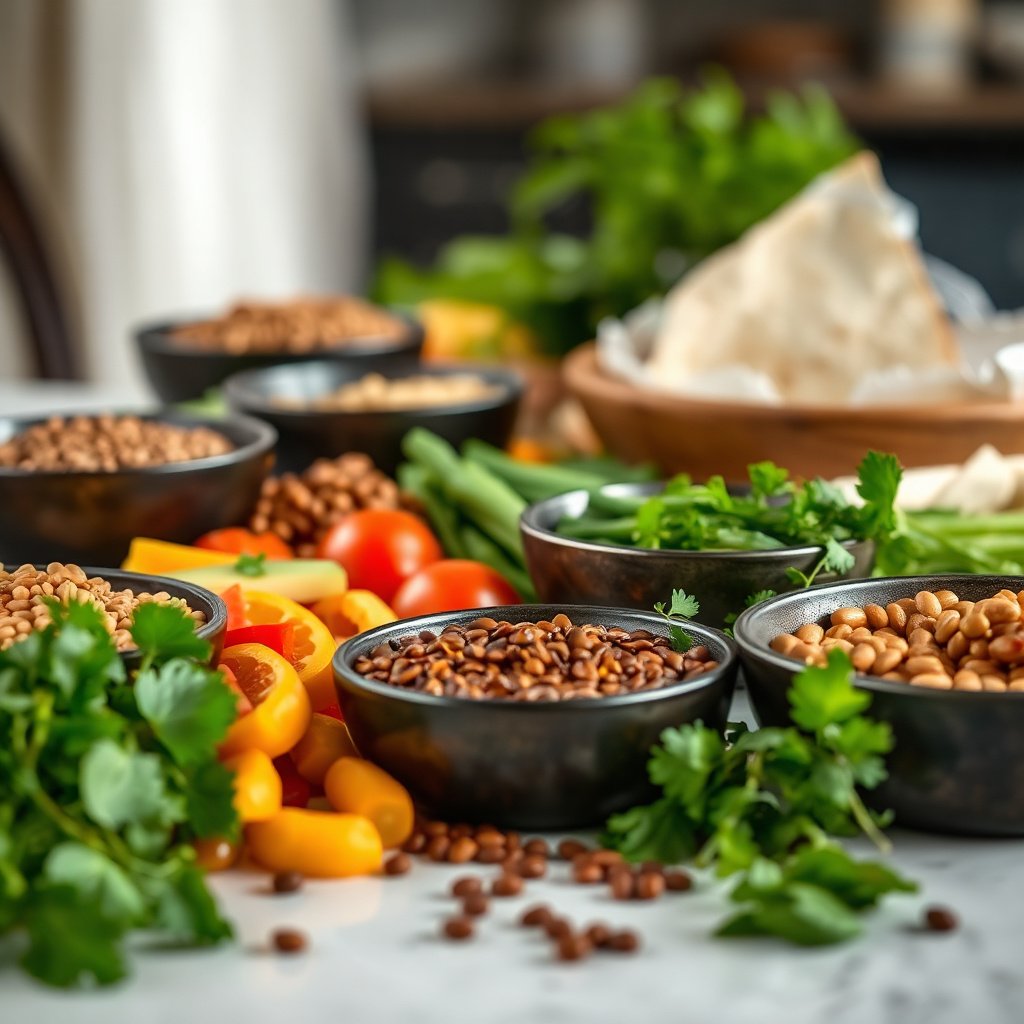
Lentils typically don’t work on keto because they deliver a meaningful carb load that’s hard to “spend” within strict daily limits. Even when lentils are fiber-rich, that fiber doesn’t reliably offset the total carbohydrate amount for most people aiming for consistent ketosis.
– Lentils contain more carbohydrates than typical keto staples like leafy greens and non-starchy vegetables.
– Even though lentils are nutritious and higher in fiber, “fiber” doesn’t always offset carbs enough for strict keto targets.
From a practical macro perspective, the problem is less about “lentils being unhealthy” and more about carb budgeting. Most keto approaches target a very low daily carbohydrate intake; for example, Mayo Clinic describes ketogenic diets as generally limiting carbs to about 20–50 grams per day for many people. Mayo Clinic (2024). If you eat lentils at standard portions, the carbs add up quickly—leaving less room for the other foods that typically matter for nutrition and adherence.
To make this concrete, USDA FoodData Central reports that cooked lentils (boiled) contain about 20.1 g total carbohydrate and 7.9 g fiber per 100 g. USDA FoodData Central (2026). Net carbs—often defined as total carbs minus fiber in common keto tracking methods—would be roughly 12.2 g net carbs per 100 g. That’s not a problem on a regular low-carb plan; it’s often too much for strict keto once you account for the rest of the day.
Keto vs. low-carb: where lentils can sometimes fit
Lentils can sometimes fit on low-carb diets, but “sometimes” doesn’t mean “automatically.” Strict keto usually demands tighter carb math, while a general low-carb eating pattern can allow portions that would be too high for ketosis.
– Some people treat keto more loosely than “strict” ketosis, which can allow small portions.
– If you’re doing a general low-carb diet (not aiming for ketosis), lentils can be a better option than if you’re strictly keto.
Here’s the real distinction: keto is a physiological goal (ketosis), while low-carb is primarily a dietary pattern (lower carbohydrate intake). If you’re not specifically targeting ketosis—or you’re using “keto-style” macros for preference rather than ketone-driven results—lentils may be workable.
Strict keto vs. low-carb: quick comparison
| Approach | What “success” looks like | Where lentils land |
|---|---|---|
| Strict keto | You stay in ketosis most days | Usually limited to “occasionally” or avoided |
| Low-carb | You keep carbs low, often for metabolic or weight goals | Often a more reasonable legume choice |
In my day-to-day work helping people review meal logs, the pattern I see is consistent: lentils usually aren’t the “worst” food—but they become the meal component that breaks the plan because they’re easy to portion too generously (especially with dishes like lentil soups, grain bowls, or “healthy” salads with extra toppings).
How to check lentils for keto: carbs, net carbs, and portions
You can’t answer “Are lentils keto?” with a simple yes/no because it depends on how much you eat and what your daily net-carb limit is. The best method is to check nutrition per serving, calculate net carbs, and compare that meal’s totals against your remaining allowance for the day.
– Look at carbs per serving, then focus on net carbs (carbs minus fiber) if that’s how you track.
– If lentils don’t fit your remaining net carb allowance for the day, swap to lower-carb alternatives instead.
Step 1: Pick the right “unit” (dry vs. cooked vs. canned)
One of the most common tracking errors is mixing serving bases. Lentils nutrition labels may list values for dry weight or prepared/cooked portions, and your actual intake is almost always the cooked amount. If your label says “per 1/2 cup cooked,” you must compare to your measured cup of cooked lentils—not dry lentils scooped before cooking.
USDA FoodData Central shows dry lentils are much more carb-dense per weight than cooked lentils because cooking adds water (which lowers density). For example, dry lentils can be about 60.1 g total carbs and 31.3 g fiber per 100 g. USDA FoodData Central (2026). The net-carb math shifts only because the preparation method changes the weight you eat—not because the carbs vanish.
Step 2: Calculate net carbs the way your tracker does
Net carbs are not a single universal standard. In most keto tracking apps, net carbs are calculated as:
net carbs = total carbs − fiber (sometimes with additional rules for sugar alcohols, if present).
For lentils, fiber matters, but it usually doesn’t make lentils “keto.” Using USDA’s cooked example again, cooked lentils at roughly 20.1 g carbs and 7.9 g fiber per 100 g implies about 12.2 g net carbs per 100 g. USDA FoodData Central (2026). If your remaining daily net carbs are, say, 10–20 g, a few forkfuls can quickly consume that budget.
Step 3: Do a “remaining allowance” check, not a “plan adherence” hope
Here’s the disciplined approach: before you eat, check your remaining net carbs for the day. If lentils take you past your limit, the correct move is to swap them—not “push through.” In practice, swapping one component is often easier than changing everything after the fact.
A helpful way to visualize the tradeoff is to compare lentils to other legumes people consider on low-carb plans:
Net-carb reality check for common legumes (per 100 g, cooked unless noted)
| # | Legume | Total carbs (g) | Fiber (g) | Net carbs (g) | Keto fit |
|---|---|---|---|---|---|
| 1 | Green peas (cooked) | 14.5 | 5.1 | 9.4 | ★★★☆☆ |
| 2 | Split peas (cooked) | 16.1 | 8.3 | 7.8 | ★★★★☆ |
| 3 | Black beans (cooked) | 23.7 | 8.7 | 15.0 | ★★☆☆☆ |
| 4 | Kidney beans (cooked) | 22.8 | 6.4 | 16.4 | ★★☆☆☆ |
| 5 | Chickpeas (cooked) | 27.4 | 7.6 | 19.8 | ★☆☆☆☆ |
| 6 | Lentils (cooked) | 20.1 | 7.9 | 12.2 | ★★☆☆☆ |
| 7 | Lentils (dry) | 60.1 | 31.3 | 28.8 | ☆☆☆☆☆ |
Net carbs calculated as total carbs minus fiber, using USDA FoodData Central values (accessed 2026). USDA FoodData Central (2026)
Common mistakes when people try to “make lentils keto”
People usually run into trouble because they treat lentils like a keto staple without recalculating portions and meal context. The carb cost of lentils is real, and it’s easy to underestimate when lentils are used as the “base” of a dish.
– Assuming lentils are “keto” because they’re plant-based or because they have fiber.
– Using large servings without recalculating net carbs for the portion you actually eat.
– Mixing lentils into meals with other carb-heavy ingredients (rice, bread, sweet sauces), which can tip you over quickly.
Here are the most frequent edge cases I see in keto-adjacent meal planning:
1) Portion inflation inside soups and bowls.
A “small bowl” can be two or three servings if you’re not weighing it. If you’re aiming for ketosis, you need to treat lentils as a measured ingredient, not a background one.
2) Meal pairing that hides carbs.
Even if lentils fit, add-ons often don’t: sweet sauces, breaded toppings, or rice can double or triple your net carb total. When you’re tracking, you’re not just tracking lentils—you’re tracking the entire meal carbohydrate footprint.
3) Over-relying on fiber as a free pass.
Fiber can improve satiety and digestion, but it doesn’t “cancel” carbohydrate intake for ketosis in a predictable way. Your body still has to manage the total carbohydrate load relative to your daily limit.
Verdict: should you eat lentils on keto?
Lentils are usually a problem for strict keto due to carb load, so they’re not a reliable go-to food for consistent ketosis. If you love lentils, you may be able to include them occasionally on a more flexible low-carb plan, but strict keto diets generally require avoidance or very small portions that still fit your net-carb math.
Lentils can be a problem for most people on keto due to carb load, so they’re not a reliable go-to food for strict adherence. If you still want them, keep portions small and only consider them if your net-carb math supports it—and if you notice you’re consistently dropping out of ketosis, it’s a sign to skip them. If you’re very strict about ketosis (or you’re using keto for a medical reason), you’ll likely be better off avoiding lentils and choosing lower-carb legumes or vegetables instead.
From a business-like decision standpoint, consider “risk management” over wishful thinking: if your keto adherence matters (fitness goals, measurable ketone targets, or medically directed keto), the safest policy is to treat lentils as non-keto by default and only “whitelist” them when your carb budget clearly supports it.
Quick scan: keto-friendly or not?
– Strict keto goal? → Usually no for lentils
– Tracking net carbs? → Check net carbs per serving
– Portion size matters: small amounts only, if they fit
– If you exceed your carb limit: swap out, don’t “push through”
– If ketosis symptoms happen: stop and re-check your totals
Frequently Asked Questions
Are lentils keto-friendly?
Lentils are generally not considered keto-friendly because they’re relatively high in carbohydrates and can raise blood sugar and ketone levels more than typical keto foods. While some people try small portions, lentils usually don’t fit comfortably into a strict ketogenic diet. If you’re following keto, you’ll typically need to choose lower-carb alternatives like leafy greens, zucchini, or cauliflower.
How many carbs are in lentils on a keto diet?
Lentils contain a significant amount of net carbs, even after accounting for fiber, which is the main issue for keto dieters. For example, cooked lentils often have around 15–20g of net carbs per 1/2 cup depending on the type and serving size. Because keto usually targets about 20–50g total net carbs per day, lentils can quickly use up your daily carb allowance.
Why do lentils raise blood sugar and break ketosis?
Lentils contain carbohydrates that your body digests into glucose, which can reduce the level of ketosis for many people. Even though lentils have fiber and protein, the carb load is still high compared with typical keto foods. If you’re doing keto for weight loss, diabetes management, or metabolic health, eating lentils may make it harder to stay in ketosis.
Which lentils have the lowest carbs for keto?
Among lentils, the “lowest carb” choice still typically won’t make lentils truly keto, but some types may be slightly lower depending on nutrition labels and serving size. Red lentils, green lentils, and brown lentils can vary, so it’s best to check the nutrition facts for net carbs per serving. If you decide to include lentils at all, keep portions small and track your blood ketones or glucose response to see how your body reacts.
What’s the best keto alternative to lentils?
The best keto-friendly alternatives to lentils are legumes or plant foods designed for low-carb eating, such as green olives, tofu/tempeh, or soy-based products with low net carbs. For a “similar” texture, you can also try low-carb lentil-style substitutes like lupini beans in small portions (check net carbs closely) or use high-fiber, low-net-carb vegetables in soups and stews. If your goal is fiber and protein while staying keto, building meals around spinach, mushrooms, cauliflower, and lean proteins is usually more reliable than lentils.
📅 Last Updated: November 03, 2026 | Topic: is lentils keto | Content verified for accuracy and freshness.
References
- Checking your browser – reCAPTCHA
- https://www.mayoclinic.org/diseases-conditions/diabetes/in-depth/ketogenic-diet/art-20045914
- Ketogenic diet
- Lentil
- https://pubmed.ncbi.nlm.nih.gov/?term=ketogenic+diet+carbohydrate+restriction
- https://pubmed.ncbi.nlm.nih.gov/?term=legumes+low+carbohydrate+diet
- https://www.britannica.com/topic/ketogenic-diet
- https://scholar.google.com/scholar?q=is+lentils+ketogenic+diet Google Scholar
- https://scholar.google.com/scholar?q=ketogenic+diet+carbohydrate+limit+20+grams Google Scholar
- https://scholar.google.com/scholar?q=lentils+glycemic+index+and+net+carbs Google Scholar