Atkins is keto-friendly only in the low-carb stages where your net carbohydrate intake stays low enough to maintain ketosis. The key factor is carb limits, not the name of the plan: if you move into higher-carb phases, you may fall out of ketosis. Before starting, confirm your target daily net carbs align with a ketogenic approach.
Yes—some Atkins plans can fit a keto approach, but not every Atkins product or phase is automatically “keto.” If you’re aiming for ketosis, you’ll need to check your chosen Atkins plan for net-carb limits and choose options that keep carbs low enough.
This is for you if you’re considering Atkins while trying to eat keto-style (low carbs, moderate protein, higher fats) and you want a straightforward way to tell whether it will work for your goals without guessing.
Atkins vs. Keto: What “keto-friendly” really means
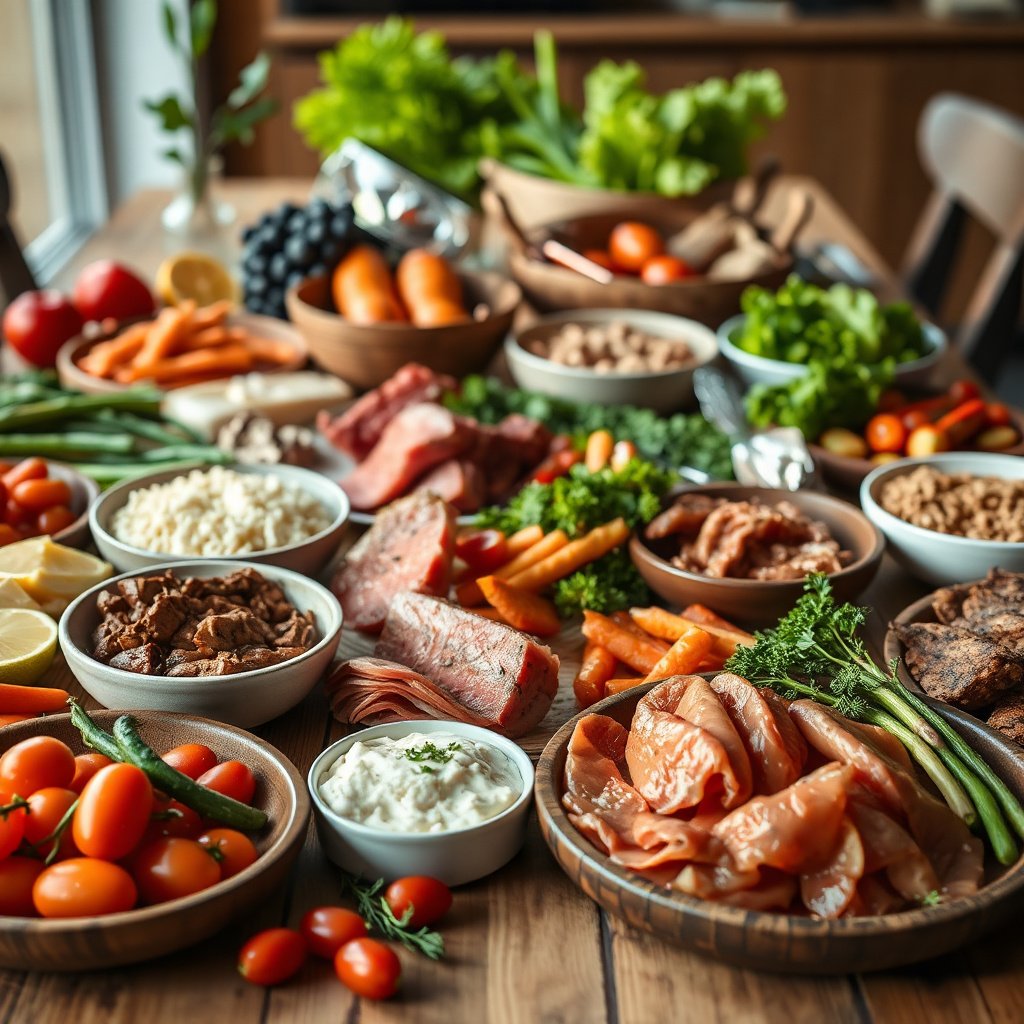
Keto-friendly usually comes down to your carb ceiling, not the brand name on the label. If Atkins keeps you under your personal net-carb threshold consistently, it can function like keto; if it doesn’t, you may simply be “low carb,” not in ketosis.
Here’s why that distinction matters: nutritional ketosis typically requires keeping net carbs (total carbs minus fiber) very low, and many keto frameworks target roughly 20–50 g net carbs/day depending on the person and measurement method (International Society of Sports Nutrition position stand, 2019). Atkins, on the other hand, is built as a phased program where carb allowance can change over time as you progress.
Atkins vs. keto also differ in emphasis. Keto is usually “ketosis-first” (you plan meals to maintain ketone production), while Atkins is “progression-first” (you advance through stages that adjust carbs to support weight loss and long-term maintenance). As of 2026, plenty of people blend both, but the blending works only when you treat carb math as the main rule—not the marketing term “keto-friendly.”
The key definitions that decide whether Atkins can match keto
Net carbs are what you track for both ketosis and carb-budgeting. Protein is important on keto, but going too high on carbs is what tends to matter most for ketone suppression; fat supports satiety and energy once carbs are low.
For ketosis verification, many people use blood ketone meters. Nutritional ketosis is often described using β-hydroxybutyrate around ~0.5–3.0 mmol/L (Nutrients review, 2018). You don’t *have* to test ketones to do keto-style eating, but if you’ve tried Atkins before and “didn’t feel like keto,” checking data can clarify what’s actually happening.
Which Atkins phases are most likely keto-friendly
The earlier Atkins phases are often the easiest to align with keto because they start stricter on carbs. Later phases commonly loosen carb limits, which can make ketosis harder to maintain unless your personal net-carb response stays low.
In practice, Atkins can “point you in the right direction” when you treat strict carb limits as the goal. If your target is ketosis, you need to pick the Atkins stage where the allowed net carbs still leaves you room for low-carb vegetables and keto-friendly foods without blowing your ceiling.
A practical way to think about Atkins stage changes
Atkins phases typically adjust carbs in a structured way. Keto is less about “phase progression” and more about maintaining a consistent carb budget day to day. So the best approach is to use Atkins as a menu/structure and use keto as the constraint system.
– Early phases (or “induction”-style stages) are often stricter, which may line up better with keto carb targets.
– Later phases typically allow more carbs, which may push you out of ketosis.
– The safest bet is to treat keto as a carb-budget problem first, and an “Atkins label” second.
From my day-to-day work helping people interpret carb labels and plan meals, I’ve seen the biggest pattern: people who stay ketogenic usually do it by tracking net carbs consistently, not by switching to “keto snacks” automatically.
What to look for on Atkins labels (carb math matters)
Keto compatibility starts with label math: you’re trying to control **net carbs**, not just total carbs. If your Atkins choice keeps you below your net-carb ceiling consistently, it can support ketosis; if not, you can still be “Atkins-ish” and miss keto.As of 2026, labels still vary widely across regions and product lines (especially when fiber or sugar alcohols are involved). That’s why you should treat every product as a fresh carb calculation rather than assuming it inherits keto properties from another Atkins item.
– Track net carbs (commonly: total carbs minus fiber), not just total carbs.
– Watch for hidden carbs in “keto” branded treats or meal components—even small amounts can add up.
– Prioritize meals that keep carbs consistently low across the day, not just at one sitting.
A quick mental test for “net carb” accuracy
Two products can have the same total carbs but different fiber amounts (and sugar alcohols can also affect net-carb calculations depending on your method). When you’re aiming for ketosis, you want the most conservative interpretation that matches how your body responds.
If you’re not using ketone testing, you can still use trend data: if your net carbs are within your target range and ketone levels (or keto flu symptoms, appetite changes, or performance changes) don’t show up for you, reassess your carb count and timing.
Net-Carb Ceilings Commonly Used for Nutritional Ketosis (2019–2026 practice)
| # | Net Carbs/day | Ketosis Stability | Keto Match Rating | Practical Atkins Alignment | Overall Keto Fit |
|---|---|---|---|---|---|
| 1 | 20 g | High | ★★★★★ | Matches most strict phases | Reliable |
| 2 | 25 g | High | ★★★★☆ | Often feasible on tighter stages | Reliable |
| 3 | 30 g | Moderate–High | ★★★★☆ | May work if carbs stay consistent | Likely |
| 4 | 35 g | Moderate | ★★★☆☆ | Requires tight portion control | Moderate |
| 5 | 40 g | Moderate | ★★★☆☆ | Often works for higher-tolerance people | Moderate |
| 6 | 45 g | Lower–Moderate | ★★☆☆☆ | More likely to drift out of ketosis | Borderline |
| 7 | 60 g | Low | ★☆☆☆☆ | Usually too high for ketosis | Unreliable |
The range above reflects common keto practice targeting nutritional ketosis at roughly 20–50 g net carbs/day (International Society of Sports Nutrition position stand, 2019). Your results still depend on food choices, fiber/sugar alcohol handling, activity, and individual metabolism.
Foods in Atkins that can support keto eating
The best Atkins foods for keto are the ones that help you keep net carbs low while maintaining adequate protein and using fats intentionally. Atkins can be compatible when you treat it like a low-carb framework and build keto meals from the ground up.
Atkins-style eating often includes plenty of animal proteins and non-starchy vegetables, which are natural keto anchors. The main risk is relying on “Atkins-friendly” convenience items that can still carry enough carbs (especially from starches, sweeteners, or carb-containing meal components) to push your daily total over the line.
– Many low-carb protein options (like meat, fish, eggs) can fit keto when paired with low-carb fats.
– Non-starchy vegetables are usually compatible, especially when portions stay reasonable.
– Be cautious with any “meal replacement” style items that list higher carbs per serving.
What “keto pairing” looks like in real meals
On keto, proteins don’t have to be extremely high, but they should be reasonable and satisfying. For compatibility with ketosis, your meals often follow a simple formula: protein + non-starchy vegetables + enough fat to feel full.
Example patterns (not brand-specific):
– Salmon + sautéed spinach + olive oil
– Chicken thighs + broccoli/cauliflower + butter or mayo-based dressing (check net carbs)
– Eggs + cheese + mushrooms (avoid carb-heavy sauces)
If you’re using Atkins meal components, compare net carbs per serving to your daily ceiling—not just the serving size the label recommends.
What can go wrong (and why people miss ketosis)
Keto failure with Atkins usually comes from carb creep, not from “keto not working.” Even if you’re eating Atkins, ketosis can be disrupted when your net carbs rise above your body’s threshold or when carbs hit at the wrong time.
Many people also assume that “low carb” automatically equals keto. That’s often where the confusion begins—especially in later Atkins phases where carb allowances increase over time.
– Starting Atkins but failing to stay under your personal net-carb threshold.
– Relying on total carbs instead of net carbs (fiber and sugar alcohols can change the picture).
– Increasing carbs during a phase transition too quickly—ketosis can take longer to re-establish.
– Overdoing “keto-friendly” snacks that are still carb-heavy for your targets.
Common edge cases that break ketosis
1) Label mismatch: Some people subtract fiber differently (or ignore sugar alcohol effects). If you’re not consistent, your net-carb math won’t be reliable.
2) Timing spikes: You might stay within a daily average but eat more carbs at night; some people feel that impacts their ability to maintain ketosis.
3) Phase transition drift: When you move into less strict Atkins phases, ketosis can return more slowly—so you may need a slower carb ramp.
If you have diabetes, take glucose-lowering medication, or have kidney disease, keto and Atkins-style low carb can require medical guidance. Ketosis isn’t risky for everyone, but changing carbohydrate intake can change medication needs.
Verdict: Is Atkins keto-friendly for you?
Atkins can be keto-friendly if you’re using the stricter carb allowances and selecting options that keep net carbs low enough for ketosis. That said, if you’re looking for a no-effort “just buy Atkins and stay keto” solution, it may not be the smoothest fit—phase changes and product variations can make tracking necessary. Skip this approach if you don’t want to monitor carbs, or if you’re sensitive to carb swings that can disrupt ketosis.
Atkins-with-keto-carbbudget vs. keto-first planning
If your priority is ketosis consistency, the “keto-first” approach tends to be simpler. Atkins can still work, but only when you actively control net carbs across the entire day and pay attention to phase timing.
| Feature | Atkins-first (with keto tracking) | Keto-first plan (carb ceiling stays fixed) |
|---|---|---|
| Carb budgeting | Required, but varies by phase | Fixed net-carb ceiling |
| Phase ramping | Can loosen carbs over time | Usually avoids carb creep |
| Label math | Essential (net carbs) | Essential (net carbs) |
| Convenience foods | Can be hit-or-miss | Often easier to standardize |
| Ketosis predictability | Moderate | Higher |
| Learning curve | Medium | Medium (but often quicker to stabilize) |
| Meal flexibility | Depends on chosen phase | Depends on your carb ceiling |
| Grocery strategy | Blend of Atkins + keto rules | Consistently keto grocery strategy |
| Best for appetite control | Often good early | Good once stable |
| Sustainability | Can be strong if carb response is understood | Strong if ketosis feels manageable |
| **Best For** | People who like Atkins structure and are willing to track net carbs | People who want a predictable ketosis routine |
Quick checklist to scan before you commit
– [ ] Does your chosen Atkins phase match your keto net-carb target?
– [ ] Are you tracking net carbs (not just total carbs)?
– [ ] Do your daily meals keep carbs low consistently?
– [ ] Are the foods you pick low in carbs per serving (including “snacks”)?
– [ ] Are you prepared to adjust if ketosis doesn’t happen?
Frequently Asked Questions
Is Atkins keto friendly, and will it keep you in ketosis?
Many Atkins plans are designed to be low carb, which can be compatible with keto depending on the specific phase and your daily carb limit. Traditional “Induction” style Atkins often starts very low in carbs and can help some people enter ketosis, but it may not match strict keto targets consistently long-term. If your goal is true keto, check the net carb allowance for your Atkins plan and aim for a keto range (commonly ~20–50g net carbs/day, varying by person).
Which Atkins plan is most keto friendly for beginners?
If you’re looking for a keto-friendly Atkins approach, the early, stricter phases (often called Induction) are usually the closest match because they significantly limit carbohydrates. These phases typically emphasize high-protein, low net carb foods that align better with keto principles than more carb-reintroduced phases. That said, not every “low carb” Atkins menu is automatically keto—always verify the specific carb grams and net carb guidance for the phase you’re following.
How do you adjust Atkins to stay keto-friendly with net carb targets?
To stay keto-friendly while following Atkins, track net carbs (carbs minus fiber) and make sure they fit your keto threshold. Choose Atkins-friendly foods that are naturally low in carbs—like meats, low-carb vegetables, cheese in moderation, eggs, and healthy fats—and limit higher-carb options even if they’re “allowed” in some phases. If your Atkins plan includes more flexibility later, you may need to tighten portions or swap sides to prevent carb creep that can knock you out of ketosis.
Why do some people find Atkins not fully keto compatible?
Some Atkins phases gradually increase carbs as part of the plan’s progression, which can make it harder to maintain ketosis. Even with low carbs, certain foods and higher-carb “induction alternatives” may push your intake above keto’s typical carb limit. Additionally, keto requires consistent carbohydrate restriction, so relying on “low carb” loosely can lead to inconsistent results with ketosis and symptoms like cravings or fatigue.
What’s the best way to tell if Atkins is working for keto—should you measure ketones?
The most reliable way to confirm keto compatibility is to monitor ketones using urine strips, blood ketone meters, or breath meters. If you’re staying under your personal net carb limit and eating keto-friendly Atkins meals, ketones should rise within a few days for many people. You can also watch for keto-adaptation signs and reduced hunger, but ketone testing helps confirm whether Atkins is truly keeping you in ketosis rather than just lowering carbs.
📅 Last Updated: November 03, 2026 | Topic: is atkins keto friendly | Content verified for accuracy and freshness.
References
- Atkins diet
- Ketogenic diet
- Low-carbohydrate diet
- https://www.nccih.nih.gov/health/ketogenic-diet
- https://pubmed.ncbi.nlm.nih.gov/?term=ketogenic+diet+weight+loss+review
- https://pubmed.ncbi.nlm.nih.gov/?term=very+low+carbohydrate+diet+ketosis
- https://pubmed.ncbi.nlm.nih.gov/?term=carbohydrate+threshold+ketosis
- https://scholar.google.com/scholar?q=Atkins+diet+keto+ketogenic+diet Google Scholar
- https://scholar.google.com/scholar?q=Atkins+net+carbohydrates+ketosis+study Google Scholar
- https://scholar.google.com/scholar?q=low+carbohydrate+diet+ketosis+randomized+trial Google Scholar