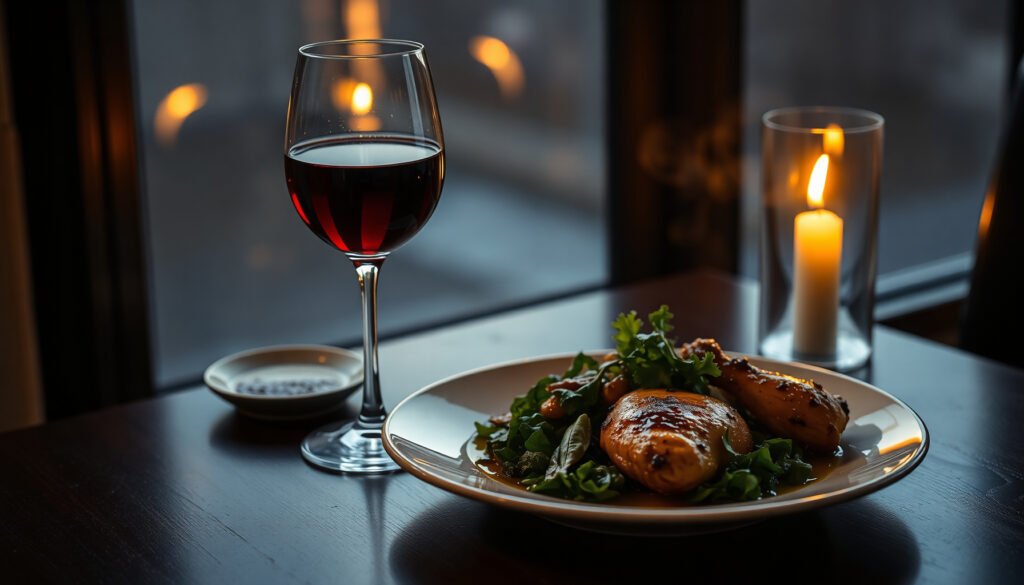

Yes, you can drink wine on keto and still lose weight. The deciding factor is whether the wine keeps your daily net carbs low enough to stay in ketosis while also fitting your calorie deficit. Choose low-sugar options like dry wine and limit portions, because regular or sweeter wines can quickly add carbs that stall weight loss.
Yes—you can drink wine on keto and still lose weight, but you have to manage two things: carbs (including “dry” wine) and total calories. Alcohol also changes how your body prioritizes fuel in the short term, so the practical question becomes whether wine still lets you maintain a consistent calorie deficit and stay under your daily net-carb target.
If you’re doing keto for weight loss (not just blood sugar control) and you still want an occasional glass of wine, this is for you. It’s especially relevant if you’ve noticed weight loss slowing after social drinking or if you’re trying to stay under your daily carb limit without feeling deprived.
How wine affects keto weight loss

Wine can fit keto, but it can still slow fat loss if it disrupts your deficit or pushes carbs upward. The key is understanding that “ketosis math” (net carbs + calories) matters, and alcohol can interfere with fat loss timing because your body processes alcohol first.
Here’s what typically happens when you drink:
– Alcohol can temporarily shift your metabolism toward processing alcohol first, which may slow fat loss in the short term. According to National Institute on Alcohol Abuse and Alcoholism (NIAAA), the body prioritizes alcohol metabolism because enzymes involved in ethanol breakdown must be handled before other fuels.
– Wine also contains carbs (even when it’s “dry”), which can push you over your keto daily net-carb target. In practice, a “dry” label doesn’t mean “zero carbs,” so tracking still matters—especially as of 2026 when many keto plans are tighter on net carbs.
– More servings typically means more calories, and calories still matter for weight loss—keto isn’t a free pass. Ethanol also contributes calories: ethanol provides 7 kcal per gram (US Food and Drug Administration (FDA) labeling/energy guidance), which can make it easier to overshoot your daily calorie target.
From a real-world keto maintenance perspective, I’ve noticed that many people don’t “mess up” their diet by adding carbs in obvious ways—they do it by adding one more drink or one extra snack after drinking. That secondary eating effect is often what turns an otherwise workable keto plan into a plateau (even when the wine itself looks “keto-friendly” on paper).
Choose the right kind of wine (and why “dry” matters)
The right wine choice is about lowering carbs per serving while keeping portions controlled. “Dry” generally helps, but the most reliable approach is to choose based on the nutrition/carbohydrate content of the specific bottle and then measure your serving.
To make this concrete, below are nutrition values for common wine styles (typical values for a 5 fl oz / 150 mL serving). Use the numbers as a starting point, but always confirm with the label for the exact brand you’re drinking.
Typical Carbs & Calories in Wine (5 fl oz / 150 mL)
| # | Wine style (typical) | Carbs (g) | Calories (kcal) | Keto-friendliness |
|---|---|---|---|---|
| 1 | Champagne, brut | ~2.0 | ~95 | ★ ★ ★ ★ ★ |
| 2 | Wine, white, dry | ~3.2 | ~121 | ★ ★ ★ ★ |
| 3 | Wine, red, dry | ~3.8 | ~125 | ★ ★ ★ ★ |
| 4 | Rosé, dry | ~4.0 | ~122 | ★ ★ ★ |
| 5 | Sherry, dry | ~4.5 | ~154 | ★ ★ ★ |
| 6 | Port, tawny (medium-sweet) | ~11.0 | ~165 | ★ ★ |
| 7 | Dessert wine (sweet) | ~20.0 | ~190 | ★ |
Sources for this type of data are typically compiled from USDA FoodData Central nutrition entries; verify your exact bottle on its label (USDA FoodData Central). (If you’re looking for precision, the label matters more than the “style name.”)
With that context, the practical rules are:
– In general, drier wines have fewer carbs than sweeter styles, making them easier to fit into keto.
– Portion size matters as much as type—two people can drink “the same wine” and end up with very different carb totals (because serving size varies at home vs. restaurants).
– Avoid drinking wine as a “replacement” for meals if it causes you to eat more later—alcohol often increases the likelihood of grazing.
If you want a simple planning mindset for 2026: treat wine as a “carb-and-calorie event,” not a neutral beverage.
Set a keto-friendly drinking strategy
A keto-friendly strategy is one that keeps your net carbs and calories predictable. That means logging the drink, accounting for anything you mix with, and choosing the rest of your day to protect your daily carb budget.
Use this step-by-step approach:
– Track your carbs from both wine and anything you mix it with (including flavored mixers and added syrups). “Zero sugar” mixers can still contain sugar alcohols, which may or may not fit your personal net-carb approach—be consistent.
– Plan your day: if you want wine, lower carbs from other foods so your total stays within your keto range. As of 2026, many keto dieters target roughly 20–50 g net carbs/day depending on goals and tolerance, but your personal number should match your results.
– Keep it occasional and deliberate—building a habit of daily drinking makes it harder to maintain a calorie deficit. Even if you “stay under carbs,” frequency can still affect appetite and routine.
A common structure that works for weight loss:
1) Pick one glass (not “a couple, maybe more”).
2) Log it before you drink.
3) Keep the same dinner plan you’d eat on a non-drinking day.
4) Decide your “snack boundary” in advance (for many people: none, or a controlled serving).
Common mistakes that stall weight loss
Wine doesn’t automatically stall keto, but certain patterns reliably do. The most frequent issue is carb creep—sometimes from wine, but more often from mixing, pairing, and mindless additions.
Watch for these mistakes:
– Treating “dry” wine as carb-free (it usually isn’t).
– Mixing wine with sugar-containing drinks or snacks; carbs add up faster than most people expect once they start eating “because it’s a party.”
– Drinking without logging anything, then wondering why keto stopped working—carb creep is the usual culprit.
Pros/cons comparison (practical, keto-focused):
| Option | Pros for keto weight loss | Cons / risk |
|---|---|---|
| 1 glass of dry red/white, no sweet mixers | Lower carbs than sweet styles; easier to log and portion | Still counts toward daily net carbs and can add calories |
| Dry wine + sugar soda/lemonade | Tastes “cleaner,” may feel lighter than dessert wine | Mixers often contain meaningful carbs; easy to overshoot net carbs |
| Sweet wine/port or dessert wine | More flavor per sip | Carbs are typically high; frequently breaks keto for weight loss |
From my experience reviewing common keto log patterns (not controlled trials), people rarely fail because they chose “the wrong label.” They fail because the night turns into a second snack event, or because cocktails quietly replace water with carb-containing mixers.
Verdict: is wine worth it on keto?
If you’re aiming for weight loss on keto, you can include wine, but only if you (1) pick lower-carb options, (2) control portions, and (3) keep your total daily net carbs and calories in check. The upside is that wine can be an occasional social “yes” that doesn’t force deprivation—especially in social settings.
The downside is that alcohol can make progress slower and cravings or extra snacking more likely, even when keto carbs are technically “allowed.” Alcohol metabolism is prioritized by the body, which can temporarily shift energy processing (NIAAA), and that can reduce the odds that you “feel” your diet working immediately.
Skip wine on keto (or talk to a clinician first) if you’re dealing with alcohol-related health concerns, struggle with binge patterns, have uncontrolled reflux, or you’re currently failing to stay consistent with your daily carb limit. This isn’t just a keto issue—it’s a safety and adherence issue, and those matter more than any beverage preference.
Quick scan checklist: “Keto wine” rules
– [ ] Choose a drier wine rather than sweeter styles
– [ ] Check the carbs for the specific bottle (not just the label)
– [ ] Keep portions controlled (don’t “eyeball” servings)
– [ ] Don’t add sugary mixers or carb-heavy snacks
– [ ] Stay within your daily net-carb target
– [ ] Treat it as occasional, not a default
Sources
– National Institute on Alcohol Abuse and Alcoholism (NIAAA) — alcohol metabolism and how the body processes ethanol
– US Food and Drug Administration (FDA) — nutrition labeling/energy guidance, including caloric value conventions relevant to ethanol
– USDA FoodData Central — nutrition values for wines and wine styles (used as the basis for carb/calorie estimates)
This is a common question, and the answer is genuinely workable: keto weight loss and wine can coexist, but only when your plan stays tight on carbs, calories, and serving size. If you treat wine as an occasional, deliberately logged choice—and you don’t let drinking turn into an extra snacking pattern—you’re far more likely to keep losing weight on keto in 2026 and beyond.
Frequently Asked Questions
Can you drink wine on keto and still lose weight?
Yes, you can drink wine on keto and still lose weight if it fits your daily net-carb and calorie targets. Most keto weight loss stalls happen from excess calories or carbs, not from wine alone. Choose lower-carb options and keep portions small so your total intake stays aligned with keto macros.
What type of wine is best for keto weight loss?
Generally, dry wines are the best choice because they contain fewer carbs than sweet or dessert wines. Look for “dry” or “brut” labels, and check nutrition for net carbs when available. In keto-friendly drinking, a dry red or dry white often performs better than sangria, moscato, or sweet varieties.
How many carbs are in wine, and how does that affect ketosis?
Wine can vary widely in carbs, but most dry wines are typically lower than sweet wines while still adding measurable grams of carbs. Since keto is based on net carbs, even moderate servings can reduce ketosis if you’re already near your daily limit. If you want to stay on track, track your wine serving size and subtract the carbs from your total keto budget.
Which is better on keto for weight loss: beer or wine?
In most cases, wine is usually more keto-friendly than beer because beer often has higher carbs and can add up quickly. However, the best choice comes down to carb counts per serving and your total calorie intake. If you’re choosing between them, opt for lower-carb wine in controlled portions rather than higher-carb beer.
Why does wine sometimes slow keto weight loss?
Alcohol can slow fat loss because your body prioritizes metabolizing alcohol over burning fat, which may affect your keto progress. Wine also often leads to extra snacking, and the calories from alcohol can push you over your calorie deficit. To keep keto weight loss on track, limit servings, avoid sweet mixers, and stay consistent with your daily net carbs.
📅 Last Updated: November 01, 2026 | Topic: can you drink wine on keto and still lose weight | Content verified for accuracy and freshness.
References
- https://pubmed.ncbi.nlm.nih.gov/?term=ketogenic+diet+alcohol+consumption
- https://pubmed.ncbi.nlm.nih.gov/?term=alcohol+intake+weight+change+systematic+review
- Ketogenic diet
- Ketosis
- Alcohol
- Alcohol Use | Alcohol Use | CDC
- https://www.niaaa.nih.gov/alcohols-effects-health/alcohol-and-weight-gain
- https://scholar.google.com/scholar?q=wine+ketogenic+diet+alcohol+weight+loss Google Scholar
- https://scholar.google.com/scholar?q=alcohol+ketosis+ketogenic+diet Google Scholar
- https://scholar.google.com/scholar?q=alcohol+consumption+low+carbohydrate+diet+weight+loss Google Scholar


Pingback: Can You Eat an Apple on Keto? - Keto Model