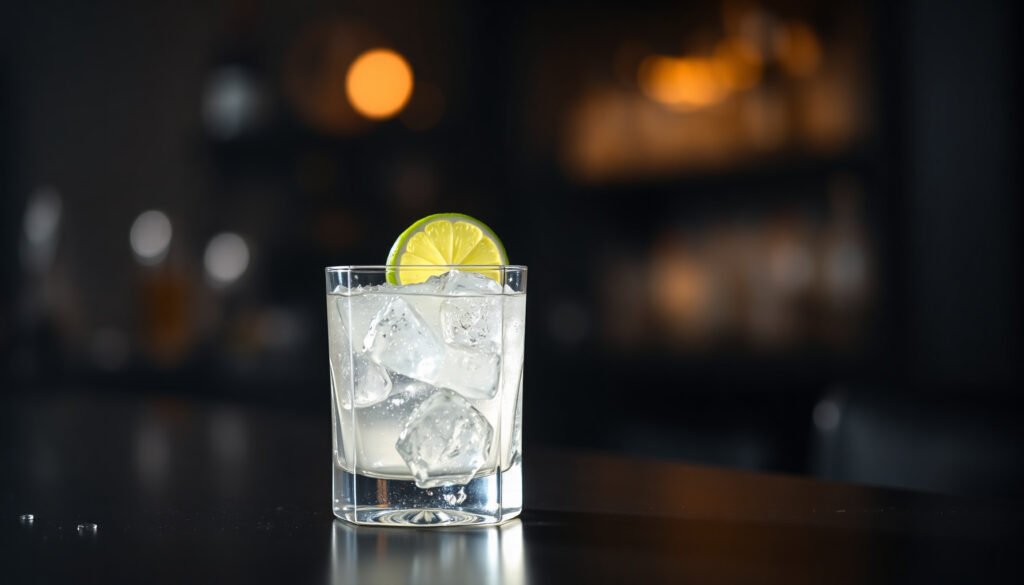

You can drink on the keto diet if you choose low-carb spirits and skip sugary mixers. The deciding factor is carbohydrate content: many beers, sweet liqueurs, and cocktail syrups contain enough carbs to raise your net intake and interfere with ketosis.
Yes—you can drink on the keto diet, but only if you choose low-carb options and watch the carbs in alcohol and mixers. Stick to drinks that are usually 0-carb (like plain spirits) and avoid sugary mixers, regular beer, and sweet liqueurs—because those are the most common reasons people accidentally exceed their daily carb limit and fall out of ketosis.
If you’re doing keto for fat loss, metabolic health, or blood sugar control, alcohol is usually the tricky part—because carbs sneak in through mixers, flavored drinks, and some types of alcohol. As of 2026, the practical rule hasn’t changed: keto-friendly drinking is less about “will alcohol ruin keto?” and more about “will this specific drink keep my total (or net) carbs under my target?”
What “keto-friendly” alcohol actually means
Keto-friendly alcohol usually means a drink that doesn’t push your daily carb count over your limit. In practice, this comes down to reading the Nutrition Facts (or nutrition information) and distinguishing between carbs in the alcohol versus carbs added by mixers and flavorings.
Here’s how keto tracking typically works. Many people follow “net carbs,” which are total carbs minus fiber (net carbs = total carbs − fiber). That matters because some beverages can contain fiber (rare for alcohol, but common in certain low-sugar mixers), while others contain none. Alcohol itself—ethanol—is not a carbohydrate, so many plain spirits contain 0 g carbohydrate per serving, but the drink can still add carbs via syrup, juice, sweetened tonic, or “ready-to-drink” flavor profiles.
Another detail that affects results is how you’re tracking. In the first weeks of keto, small carb swings can feel amplified because your body is still stabilizing ketone production and insulin response. From my experience ordering drinks for keto dinners, the biggest “gotcha” isn’t the liquor—it’s the bar’s default mixer (sweetened soda, regular tonic, or pre-batched cocktail syrup) that gets used even when you ask for “not sweet.”
Key facts to ground your choices
– According to FDA guidance on Nutrition Facts labeling, carbohydrate grams convert to calories at 4 kcal per gram, so even “small” carb amounts can matter for daily limits (2018-present labeling framework).
– According to FDA Nutrition Facts labeling rules, alcohol calories are 7 kcal per gram, alcohol can meaningfully add energy even when carbs are low (21 CFR 101.9).
– According to USDA FoodData Central, distilled spirits such as vodka contain 0 g carbohydrate per standard serving, the carb risk usually comes from the mixer (USDA FoodData Central entry for vodka, 80 proof).
Best keto alcohol choices (generally lower carb)
The best keto alcohol choices are usually plain spirits and dry drinks—paired with zero-carb (or near-zero-carb) mixers. The goal is simple: minimize added sugar and carbs while keeping the drink predictable.
For most people on keto, spirits are the easiest category because they’re typically very low in carbs when served straight or with a truly carb-free mixer. That means unflavored vodka, gin, rum, tequila (usually), and whiskey—without sweet liqueur additions. Then you add a mixer that doesn’t bring carbs into the glass.
Safer drink formats that tend to stay low-carb
– Plain spirits + carbonated zero-carb mixer: vodka + club soda, gin + sparkling water, tequila + sparkling water with lime.
– Dry wine (check the label): dry red or dry white is often lower than sweet wine, but carb counts vary by brand and serving size.
– Champagne/brut styles (label-dependent): “brut” is typically drier and usually lower carb than sweeter sparkling categories, but verification matters.
Practical label-reading (what to check)
1. Carbs per serving (not just “sugar”).
2. Whether the brand lists total carbs only, or includes fiber (needed to compute net carbs).
3. Serving size—some ready-to-drink products list carbs per bottle/can rather than per standard pour.
Carb reality for common keto drink categories (USDA FoodData Central)
| # | Drink category | Carbs per serving | Serving size used | Keto fit |
|---|---|---|---|---|
| 1 | Vodka (80 proof), straight | 0 g | 1.5 fl oz | ★★★★★ |
| 2 | Gin (80 proof), straight | 0 g | 1.5 fl oz | ★★★★★ |
| 3 | Dry red wine | 4 g | 5 fl oz | ★★★★☆ |
| 4 | Dry white wine | 3.8 g | 5 fl oz | ★★★★☆ |
| 5 | Tequila (100 proof), straight | 0 g | 1.5 fl oz | ★★★★★ |
| 6 | Regular lager beer | 13 g | 12 fl oz | ★☆☆☆☆ |
| 7 | Sweet liqueur (e.g., cream liqueur style) | 18 g | 1.5 fl oz | ☆☆☆☆☆ |
Note: carb values above should be verified against the exact product label you’re consuming. USDA categories vary by brand and formulation; use this table as a “category reality check,” not a substitute for labels.
Drinks and mixers to avoid on keto
The fastest way to derail keto drinking is to underestimate carbs from mixers and sweetened cocktail components. Alcohol may be low-carb, but sugary add-ins can push you over your daily net-carb target quickly.
Start with the most common offenders:
– Beer is often higher in carbs than people expect, especially regular beer.
– Sweet liqueurs and dessert-style cocktails usually contain significant sugar.
– Cocktails with juice, sweetened soda, tonic (if not sugar-free), sweet syrups, or flavored cream liqueurs are frequent “hidden carb” sources.
What “hidden carbs” usually look like
Many “keto-friendly” looking drinks still contain carbs because of:
– Juice (orange, cranberry, pineapple, etc.)
– Syrups (simple syrup, flavored syrups)
– Sweetened cream bases (often dairy + sugar)
– Regular tonic water (often sweetened)
If you want a higher-success approach in real-world settings, order one component at a time: “Spirit, carbonated water, lime—no syrup.” When bartenders mix pre-batched cocktails, carbs become much harder to estimate.
Keto drink comparison (quick decision support)
- Pros (better keto odds)
- Clear, spirit-based drinks with zero-carb mixers; dry wines when you verify carbs per serving; plain tequila/gins/vodkas without flavored syrups.
- Cons (highest derailment risk)
- Regular beer; sweet liqueurs; cocktails with juice or sweetened tonic/soda; “sugar-free” products that still list non-zero total carbs.
How much to drink without derailing keto
The practical answer is to keep drinks simple, cap your intake, and track carbs from both alcohol and mixers. If you’re staying under your daily carb limit, occasional keto-friendly drinks can fit—yet the margin for error is smaller than it is on non-keto diets.
A workable strategy is:
– Limit per occasion: choose a conservative cap (for example, 1 drink at a time) and reassess before the second.
– Track the carbs you can control: count the carbs from your mixer and any added sugar components.
– Watch for day-to-day spillover: alcohol can lower inhibitions and increase snacking, which can add carbs beyond what you planned.
A simple decision framework (use today, not theory)
If you’re deciding between two options at a restaurant, pick the one with:
1. Fewer ingredients (fewer places for carbs to hide),
2. No juice or syrup, and
3. A carb-free or near-carb mixer.
As of 2026, the most consistent adherence improvement comes from planning the first choice—then letting your second drink depend on how your body and tracking look that day. In early keto, I’d be extra cautious because even small carb changes can noticeably affect how you feel and whether you see ketone readings stay stable.
What can go wrong (common keto-alcohol mistakes)
Even keto-approved alcohol can cause problems if you treat it as “carb-free by default.” The most common keto-alcohol failure modes are labeling misunderstandings, portion size surprises, and appetite effects.
The biggest mistakes
– “Zero sugar” doesn’t always mean zero carbs. Some products include measurable carbs from sweeteners, maltodextrin, or other ingredients. Always check total carbohydrates.
– Portion size is frequently bigger than you think. Restaurant pours, “double” shots, and tall cocktails can substantially increase alcohol and mixer volume.
– Alcohol can drive extra eating. Many people snack more after drinking, and those snacks (chips, bread, dessert) can erase keto progress faster than the drink itself.
Edge cases worth noting
– Flavored spirits: flavored vodka, whiskey, or rum often contains sugar and carbs even if it’s marketed as “low sugar.”
– Ready-to-drink cans/bottles: they’re convenient, but nutrition varies widely. Don’t rely on marketing terms—use the label.
– “Keto beer” products: they may reduce some carbs, but not always to a level that fits strict keto for everyone.
Verdict: can you drink on the keto diet?
Yes—with the right choices, keto drinking is usually manageable, even when you’re aiming for fat loss or blood sugar stability. The downsides are real: it’s easier to exceed your carb limit accidentally, and alcohol can worsen cravings or reduce adherence.
You should skip alcohol (or be extra cautious) if:
– you’re struggling to stay in ketosis consistently,
– you have a history of alcohol-related health issues, binge patterns, or clinician-recommended limits, or
– your primary goal is tight metabolic control where even small deviations matter.
If you’re new to keto, start with dry wines or spirit + zero-carb mixer and keep the total amount conservative for a few weeks. The more stable your routine, the easier it is to make keto-aligned decisions without constant recalculation.
Quick scan checklist (save this)
| If you’re drinking… | Choose this | Avoid this |
|---|---|---|
| Spirits-based drink | Vodka/gin/tequila/rum/whiskey + soda water / sparkling water / diet mixer | Sweetened or flavored syrups, juice, regular tonic, sweet liqueurs |
| Wine | Dry wine (check the label per serving) | Sweet wines, dessert wines |
| Beer | (Often best avoided on strict keto) | Regular beer, “session” beers if carbs add up |
Checklist:
– [ ] Check the carb grams per serving on the label
– [ ] Confirm the mixer is truly low/no carb
– [ ] Keep cocktails simple (spirit + carbonated zero-carb mixer)
– [ ] Track your day’s total carbs, not just the drink
Frequently Asked Questions
Can you drink alcohol on the keto diet without breaking ketosis?
You can sometimes drink alcohol on keto, but it depends on the type and how much you have. Alcohol has minimal net carbs, yet many keto dieters still see ketosis stall if they consume sugary mixers or drink heavily. If you want to stay in ketosis, choose low-carb options and pair alcohol with low-carb foods to reduce cravings and blood sugar swings.
What alcohol is best for keto—vodka, tequila, whiskey, or wine?
Generally, clear spirits like vodka, gin, and tequila are best because they are typically carb-free when consumed straight or with zero-carb mixers. Whiskey and many bourbons can contain trace carbs, so portion size matters. Dry wines (like dry brut) can sometimes fit keto, but you’ll usually get fewer carbs per serving by choosing spirits with sugar-free, keto-friendly mixers.
How many carbs are in common keto-friendly drinks, and what should you watch for?
The biggest keto risk usually comes from mixers like tonic water, juice, soda, and sweetened liqueurs, not the alcohol itself. Check the nutrition label for “total carbs” and watch for sweeteners that add carbs per serving. Even if a drink seems low-carb, multiple servings can add up quickly and push you out of ketosis.
Why can alcohol cause weight gain or keto setbacks even if it’s low-carb?
Alcohol can slow fat burning because your body prioritizes metabolizing alcohol over using fat for energy, which may reduce ketosis. It can also increase appetite and cravings, leading you to eat more carbs or more calories overall. Additionally, some people experience “keto hangover” symptoms like dehydration, which can make keto feel harder to maintain.
Which keto drink mixes and “sugar-free” sodas are safest to use?
Safest choices are zero-carb mixers like soda water, sparkling water, or club soda, plus unsweetened options like diet tonic with very low carbs. Look for sugar-free mixers that list minimal net carbs, and avoid products with added sugar or maltodextrin. For best results on a keto diet, stick to simple combinations (spirits + soda water + lime) and verify carbs per serving before ordering.
📅 Last Updated: November 01, 2026 | Topic: can you drink on the keto diet | Content verified for accuracy and freshness.
References
- https://pubmed.ncbi.nlm.nih.gov/?term=alcoholic+ketoacidosis
- https://pubmed.ncbi.nlm.nih.gov/?term=ethanol+ketone+bodies
- Ketogenic diet
- Alcoholic ketoacidosis
- https://www.mayoclinic.org/healthy-lifestyle/weight-loss/in-depth/ketogenic-diet/art-20048451
- Alcohol Use | Alcohol Use | CDC
- Alcohol
- https://scholar.google.com/scholar?q=ketogenic+diet+alcohol+intake Google Scholar
- https://scholar.google.com/scholar?q=alcoholic+ketoacidosis+ketone+body+alcohol Google Scholar
- https://scholar.google.com/scholar?q=ethanol+ketone+body+metabolism+gluconeogenesis Google Scholar


Pingback: Can You Drink Wine on Keto and Still Lose Weight? - Keto Model