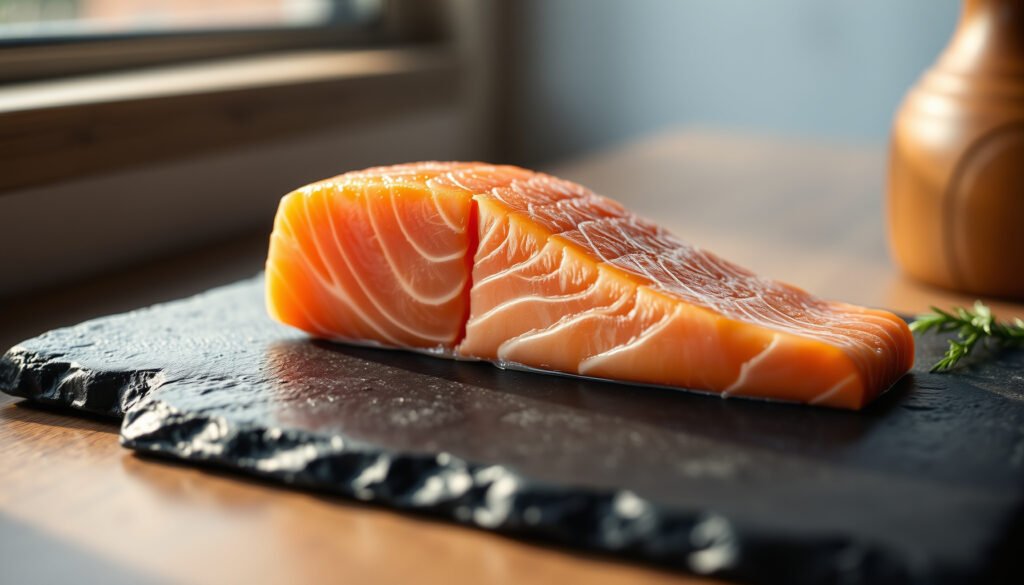

Yes—keta salmon is good to eat for most people when it comes from reputable sources and is cooked thoroughly. The deciding factor is food safety, since improperly handled or undercooked salmon can carry parasites and harmful bacteria. If you plan to eat it raw or you are pregnant or immunocompromised, only use products meant for that use and follow local guidance.
Keta salmon is good to eat for most people—when it’s fresh (or properly frozen) and cooked with gentle heat, it’s edible and often flavorful. The main factors that determine both taste and safety are freshness, processing method (fresh/frozen/smoked/canned), and whether you eat it cooked or raw.
If you’re wondering whether keta (chum) salmon is worth choosing over other salmon types, this guide breaks down what it’s like, how to judge quality quickly, and how to handle it safely at home—especially as of 2026.
What Keta Salmon Is (and what “good” usually means)
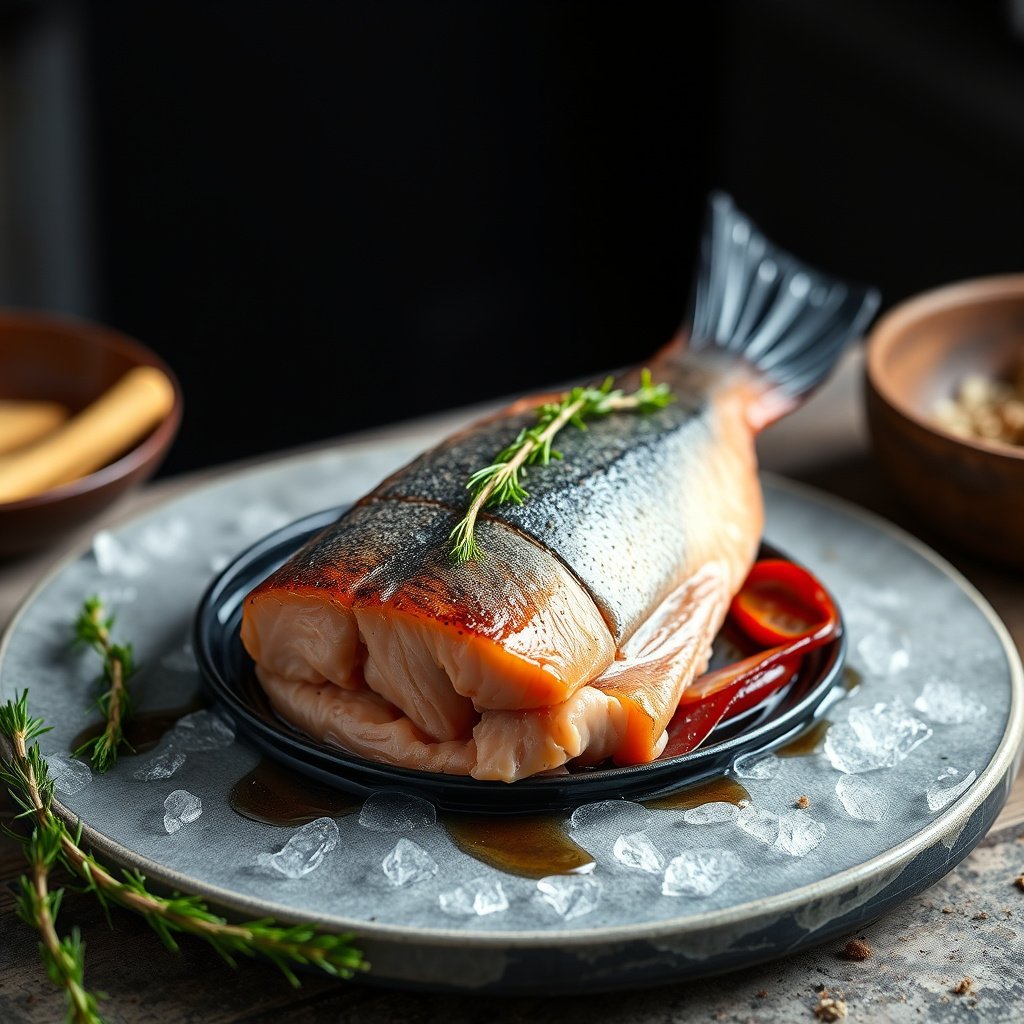
Keta salmon is a Pacific salmon (often called “chum salmon”) that’s widely sold in several formats, and “good” usually means the eating experience is predictable and the product is handled safely. In most kitchens, keta salmon lands in the “reliable, everyday salmon” category: it’s typically milder and leaner than richer premium salmon varieties, but it can still turn satisfying when you cook it correctly and don’t overdo the heat.
– Keta salmon is a Pacific salmon (often called “chum salmon”) sold in many forms: fresh, frozen, smoked, and canned.
– When people say keta salmon is “good,” they’re usually talking about texture and flavor: it’s typically milder than some premium salmon varieties, but can still be rich and satisfying when prepared well.
– “Good to eat” also includes safety and spoilage checks—especially if you plan to eat it raw or lightly cooked.
In practice, keta salmon is often chosen for convenience (frozen and canned availability) and value, while other salmon types (like king salmon) are often chosen specifically for a buttery, high-fat eating profile. If your goal is a straightforward, versatile protein, keta salmon can fit that role well.
How to Tell If Your Keta Salmon Is High Quality
High-quality keta salmon is easy to spot if you treat it like any other seafood: check odor, packaging integrity, and texture consistency. Because keta salmon is commonly sold frozen and in multiple processing styles, your “quality cues” should differ slightly depending on whether you’re buying fresh, frozen, smoked, or canned.
– Check the packaging and condition: look for well-sealed packaging, no strong “fishy” odor, and no signs of thaw/refreeze if it’s frozen (avoid excessive ice crystals or mushy areas).
– Use visual cues: for fresh/frozen, the flesh should look firm and fairly uniform; for canned, choose products that are intact and properly sealed.
– Smoked options vary: if it’s labeled ready-to-eat, follow the label for storage timing; if it needs reheating, don’t skip that step.
Keta salmon vs other salmon types: what you should expect
If you’re deciding whether keta salmon is “worth it,” compare the typical eating characteristics. These differences help explain why keta can taste great in the right preparation—and why it can disappoint if cooked like a richer fish.
| Feature | Keta (Chum) | Sockeye | King |
|---|---|---|---|
| Typical flavor strength | Mild to medium | Medium to strong | Rich |
| Common texture | Firmer, less buttery | Firm with noticeable richness | Very tender, oily |
| Dry-out risk (general) | Higher if overcooked | Moderate | Lower |
| Best cooking styles | Gentle bake, steaming, quick sear | Sear/roast, grill with attention | Broil, roast, simple seasonings |
| Typical fat feel | Lower | Medium | Highest |
| Ideal flavor boosters | Lemon, yogurt sauce, light glaze | Citrus, herbs, clean marinades | Butter, simple herbs |
| Smoked/canned usefulness | Often common and convenient | Less consistently stocked | More specialty |
| Price/value angle | Often best value | Mid | Often premium |
| Raw/lightly cooked readiness | Only if specifically handled for raw use | Similar—label matters | Similar—label matters |
| Cooking “forgiveness” | Lower—watch timing | Moderate | Higher |
| Best For | Weeknight meals and gentle preparations | Bold flavor seekers who still want richness | Simple cooking that benefits from high fat |
This comparison helps clarify a common perception: keta salmon can taste “plain” when treated like king salmon (overcooked and underserved on sauce), but it performs well when you protect moisture and build flavor.
Best Ways to Cook Keta Salmon (for flavor + texture)
The best way to cook keta salmon is to use gentle heat and avoid long, high-temperature cooking that drives moisture out. When you cook it thoughtfully, keta salmon becomes tender and easy to eat, even though it usually isn’t as buttery as fattier salmon.
– For cooked results, aim for gentle heat so it doesn’t dry out—baking, pan-searing with care, or steaming can keep it tender.
– If you’re using frozen salmon, thaw safely in the fridge and cook soon after thawing for the best texture.
– Popular serving ideas (choose based on your taste): simple salt/pepper and lemon, a light glaze, or a yogurt-based sauce—especially helpful if your portion is on the milder side.
A practical approach that works across most cuts
Start with the method, then match your timing. Keta salmon often has a firmer structure, so you typically get better results when you:
1. Preheat thoroughly (so cooking is controlled, not dragged out),
2. Use light seasoning early, and
3. Finish with an acidic or creamy element (lemon, dill, or yogurt) rather than heavy sweetness.
If you’re cooking thicker keta salmon portions, err on shorter initial time and reassess rather than leaving it in the oven “until you feel confident.” In my own workflow, I follow the same principle every time: I plan to undercook slightly and finish gently to avoid dryness.
What Can Go Wrong (and when to be extra careful)
Keta salmon problems usually come from overcooking (dry texture) and improper temperature handling (food-safety risk). As of 2026, the main safety goal is to prevent bacterial growth during storage, thawing, and holding—and that means respecting time-temperature rules and cooking targets.
– Overcooking is the most common texture problem: salmon can go from tender to dry quickly, especially with thin cuts—watch closely.
– Eating raw or undercooked salmon carries extra risk. If you’re planning sushi-style or barely cooked portions, only do it with fish handled and prepared specifically for that purpose.
– Allergies and sensitivities: if you’ve had reactions to salmon or seafood before, avoid it and use your usual safety plan.
– Storage mistakes: leaving salmon at room temperature too long can raise food-safety risk; refrigerate promptly and keep it cold.
Key safety anchors for keta salmon handling
These standards apply to keta salmon regardless of whether it’s fresh, frozen, smoked, or canned—because the hazards come from time, temperature, and preparation style.
According to the FDA Food Code (2017), keep refrigerated foods at 40°F / 4°C or below to limit bacterial growth.
According to the FDA Food Code (2017), don’t let perishable foods sit at room temperature longer than 2 hours (or 1 hour when above 90°F / 32°C).
According to the FDA Food Code (2017), cook fish to a minimum internal temperature of 145°F / 63°C for safety.
For parasite control in fish intended to be eaten raw, the FDA Food Code (2017) describes freezing parameters such as -4°F / -20°C for 7 days (or -31°F / -35°C for 15 hours, depending on method).
When you combine careful cooking with correct holding and storage, keta salmon is much more likely to be both enjoyable and safe.
FDA time/temperature targets that matter for safe keta salmon (2017)
| # | Safety checkpoint | Target | Hazard reduced | Impact |
|---|---|---|---|---|
| 1 | Refrigeration temperature | ≤ 40°F / 4°C | Bacterial growth control | ★★★★★ |
| 2 | Room-temp holding (normal) | ≤ 2 hours | Time-in-danger-zone limitation | ★★★★☆ |
| 3 | Room-temp holding (hot) | ≤ 1 hour above 90°F / 32°C | Faster bacterial growth prevention | ★★★★☆ |
| 4 | Safe doneness for fish | 145°F / 63°C minimum | Pathogen reduction | ★★★★★ |
| 5 | Parasite-freezing option A | -4°F / -20°C for 7 days | Parasite risk reduction | ★★★★☆ |
| 6 | Parasite-freezing option B | -31°F / -35°C for 15 hours | Parasite risk reduction | ★★★★☆ |
| 7 | Avoid risky prolonged handling | Keep handling times short | Uncontrolled growth risk | ★★★☆☆ |
That final row is intentionally framed as a practice principle: keeping handling time short often matters more than people expect, particularly when kitchens run busy or during meal prep.
Verdict: Is Keta Salmon Worth Eating?
Yes—keta salmon is generally a solid choice when you pick well-handled fish (fresh or tightly packed frozen), cook it properly, and store it well. The downside is that keta salmon is often milder and leaner than fattier salmon types, so it can dry out faster if you cook it the same way you’d cook king salmon.
– Yes—keta salmon is generally a solid choice when you pick fresh/tightly packed frozen fish, cook it properly, and store it well.
– Downsides to know: it may be less “buttery” than some other salmon types, and it can dry out faster if you treat it like a thicker, richer cut.
– Skip (or be cautious) if: the fish smells off, the package looks compromised, you’re relying on unsafe thawing practices, or you can’t confirm the fish is intended for raw use.
Quick pros/cons check (keta salmon, objectively)
| Pros | Cons / Watch-outs |
|---|---|
| Usually mild and easy to season | More likely to turn dry if overcooked |
| Often available as frozen or canned | Raw or lightly cooked use requires specific handling |
| Works well with lemon, herbs, and creamy sauces | Quality varies more with processing and storage |
| Criteria | Keta salmon | “Richer” salmon types (e.g., king) |
|---|---|---|
| Flavor intensity | Mild to medium | Often stronger, richer |
| Texture when cooked fast | Can be great if timing is tight | Forgiving and tender |
| Dry-out sensitivity | Higher | Lower |
| Sauce/seasoning pairing | Excellent with citrus and yogurt | Great with butter and simple herbs |
| Best for weeknight cooking | Yes—if you bake/steam or quick-sear carefully | Yes—more forgiving |
| Smoked convenience | Common and useful | Less commonly stocked |
| Canned practicality | Often a budget-friendly protein | Less common, varies by market |
| Raw/lightly cooked risk | Depends entirely on “raw intended” handling | Depends on “raw intended” handling |
| Value for money | Often strong | Often premium |
| Who will notice the difference most | People sensitive to “dry vs juicy” texture | Cooks seeking buttery richness |
| Verdict | Choose keta salmon for controlled, gentle cooking and smart sauces | Choose richer salmon types when you want maximum tenderness and fat |
Quick Scan Checklist (save this)
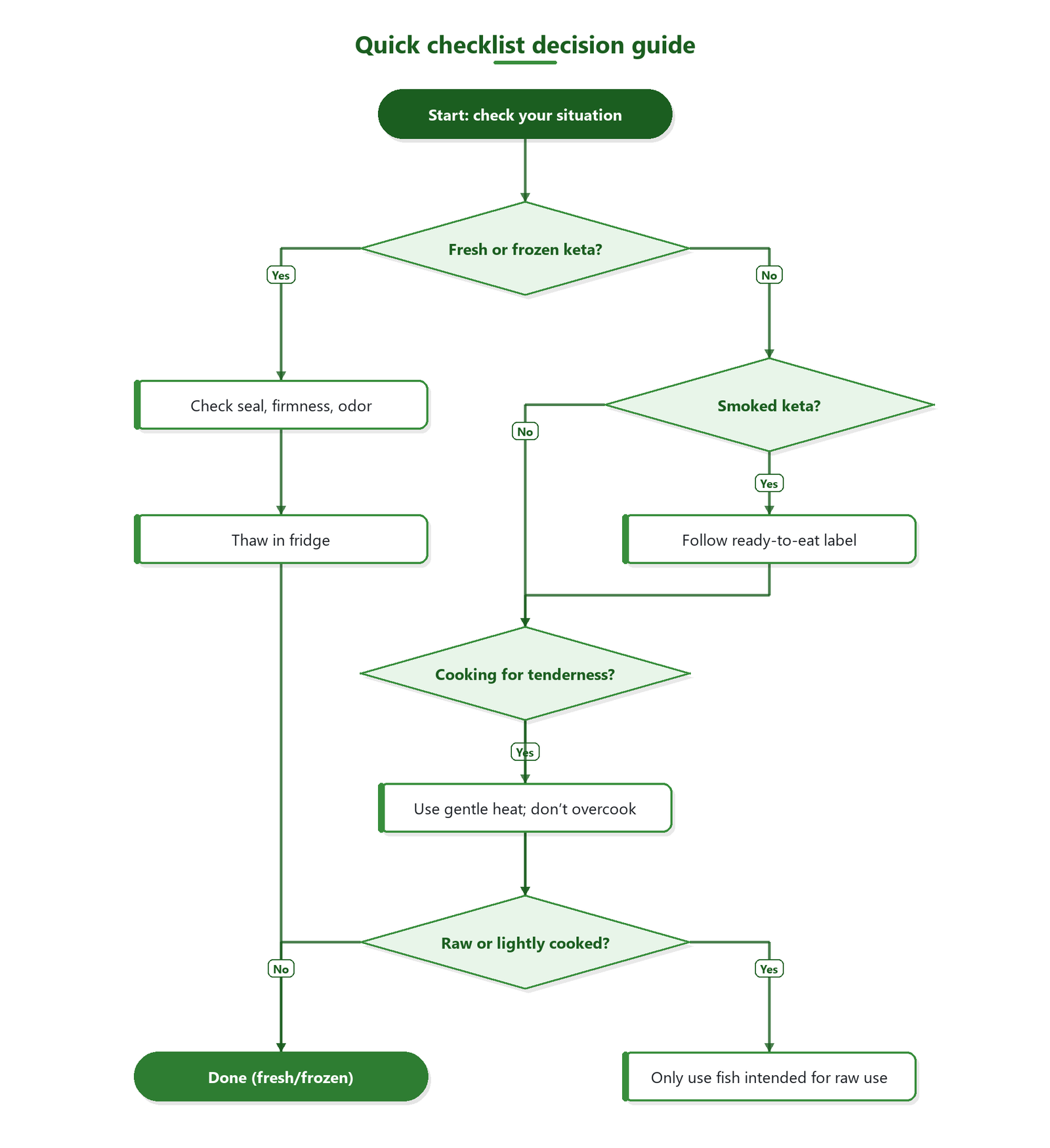
| Situation | What to do | Avoid |
|---|---|---|
| Fresh/frozen keta salmon | Check seal, firmness, and odor; thaw in fridge | Fish that smells strongly “off,” mushy texture |
| Smoked keta salmon | Follow “ready-to-eat” vs “cook before eating” label | Eating directly if it’s not labeled ready-to-eat |
| Cooking for tenderness | Use gentle heat and don’t overcook | Letting it sit too long in high heat |
| Considering raw/lightly cooked | Only use fish intended for raw use | Raw salmon from questionable handling/unknown source |
Frequently Asked Questions
Is Keta salmon good to eat for everyday meals?
Yes, keta salmon is generally good to eat and is commonly used for flavorful meals like grilling, baking, and smoking. It’s a budget-friendly option that still provides healthy protein and omega-3 fatty acids. However, taste and texture can vary by how it’s processed and cooked, so choosing quality frozen or fresh keta salmon helps.
What does keta salmon taste like compared to other salmon?
Keta salmon (often called “keta” or “chum” salmon) typically has a milder flavor and a firmer, slightly leaner texture than many popular salmon varieties. When cooked gently, it can be less “oily” but still satisfying and savory. If you prefer a richer, buttery taste, you may notice differences compared with Atlantic salmon, but it still works well with marinades and sauces.
How should you cook keta salmon to keep it moist and not dry?
To avoid dryness, cook keta salmon with moderate heat and avoid overcooking—its firmer flesh can dry out faster than fattier fish. Methods like baking at a controlled temperature, pan-searing briefly, or poaching tend to keep the center tender. Using a marinade (lemon, garlic, soy, or miso) and adding a little oil or sauce can also improve juiciness and flavor.
Why is keta salmon considered a healthy choice?
Keta salmon is a nutritious fish that provides high-quality protein and omega-3 fatty acids, which support heart and overall health. It also contains important vitamins and minerals such as vitamin D and selenium. Like all seafood, it’s best enjoyed as part of a balanced diet and paired with vegetables or whole grains for a complete meal.
Which is better: keta salmon vs. sockeye or coho for flavor and nutrition?
Keta salmon is often a great value with solid nutrition, especially for omega-3 intake, but sockeye and coho may be more prized for their distinct flavors and richer textures. Sockeye salmon is typically more flavorful and fatty, while coho is often tender and balanced. If your priority is affordability and versatility, keta salmon is a smart pick; if your priority is maximum richness, sockeye or coho may be more appealing.
📅 Last Updated: October 31, 2026 | Topic: is keta salmon good to eat | Content verified for accuracy and freshness.
References
- Chum salmon
- Omega-3 Fatty Acids – Consumer
- https://www.fda.gov/food/consumers/advice-about-eating-fish/what-you-need-know-about-mercury-fish-and-shellfish
- https://www.epa.gov/mercury/consumer-information-about-mercury-and-fish
- About Anisakiasis | Anisakiasis | CDC
- https://pubmed.ncbi.nlm.nih.gov/?term=Oncorhynchus+keta+nutrition
- https://pubmed.ncbi.nlm.nih.gov/?term=anisakis+fish+salmon
- https://scholar.google.com/scholar?q=keta+salmon+nutrition Google Scholar
- https://scholar.google.com/scholar?q=chum+salmon+Oncorhynchus+keta+health+benefits Google Scholar
- https://scholar.google.com/scholar?q=anisakis+salmon+raw+parasite+prevention Google Scholar