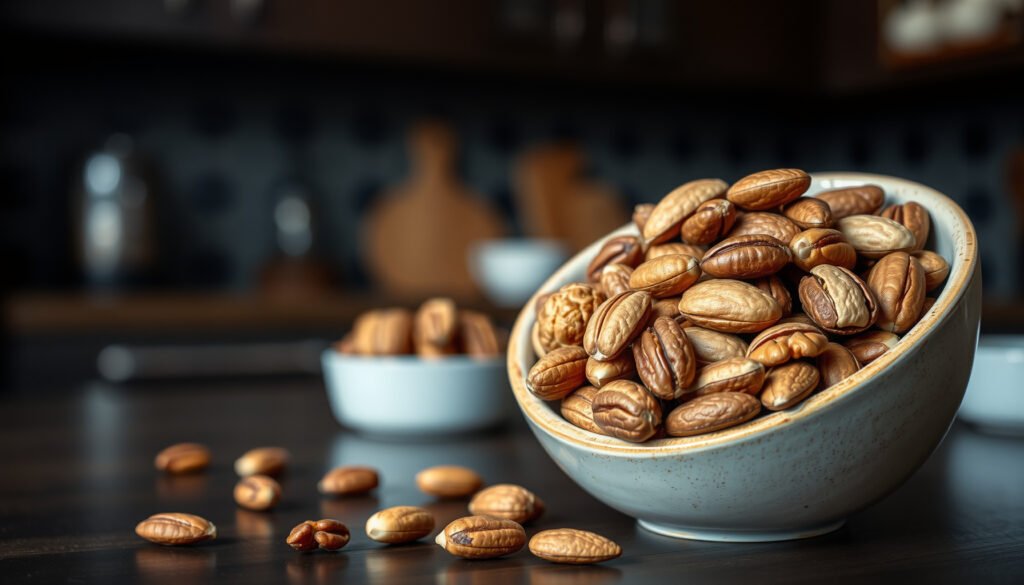

Yes—you can have nuts on a keto diet, and they can fit perfectly if you choose low-carb options and control portions. The best picks are macadamias, walnuts, pecans, almonds, and Brazil nuts, while keto-friendlier serving sizes keep your daily net carbs on track. Here’s what to choose, what to limit, and how to eat nuts on keto without derailing ketosis.
Yes—you can have nuts on a keto diet, as long as you pick the right types and keep portions measured. Most plain nuts are low enough in net carbs to fit keto, but “keto-friendly” nut mixes, sweet coatings, and portion creep can still push you over your daily carb limit.
If you’re following keto (or keto-style low carb) in 2026, the practical question isn’t whether nuts are “allowed”—it’s whether the specific nuts you choose stay within your net-carb target while still supporting your hunger and nutrition needs.
Which Nuts Fit Keto (and Why)
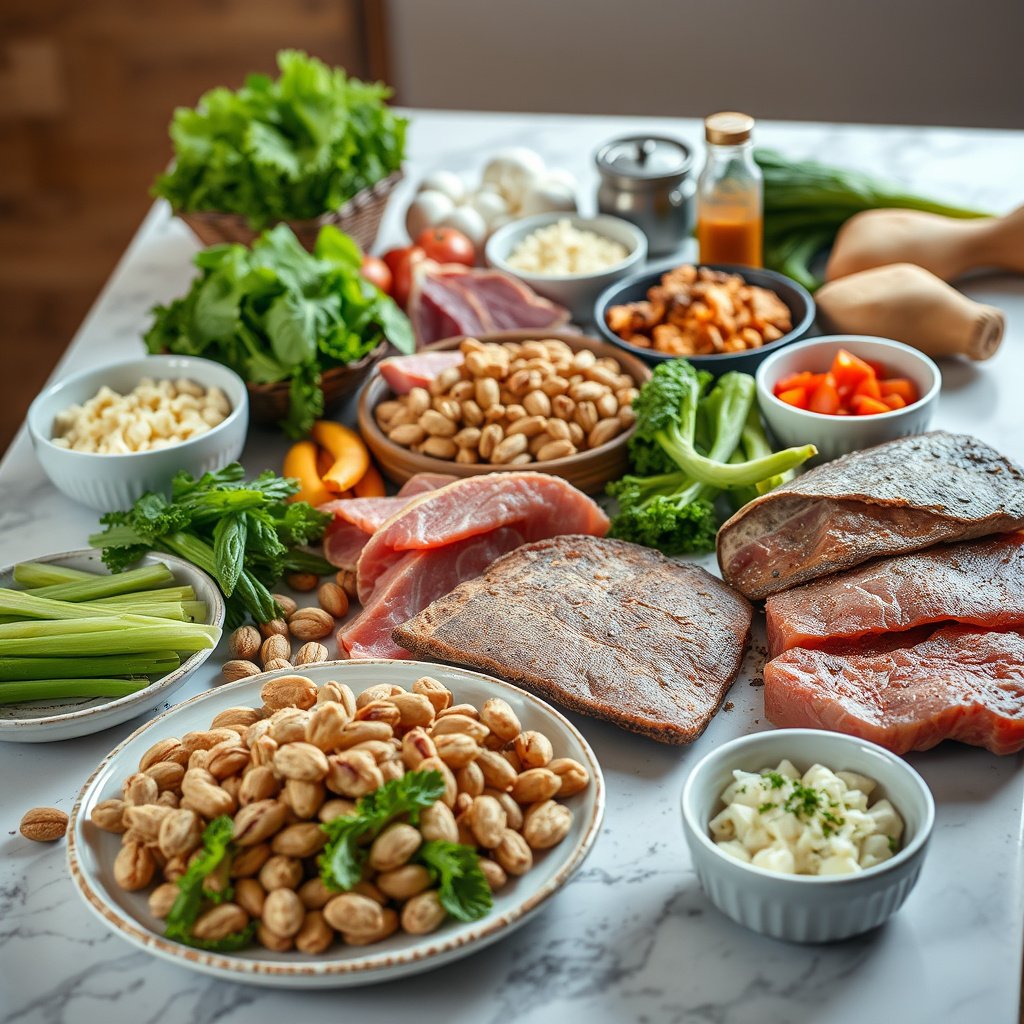
Plain, unsweetened nuts usually fit keto because they’re calorie-dense and generally low in net carbs. The best choices are the ones where carbs are limited and fiber does most of the “carb-lowering” work.
The key concept is net carbs (often used in keto tracking): *net carbs = total carbs − fiber* (and sometimes excludes sugar alcohols depending on your plan). Since labels always show total carbohydrates and fiber, you can estimate net carbs from the nutrition facts.
According to USDA FoodData Central, almonds provide about 3.5 g of dietary fiber per 1 oz (28 g), which materially lowers their net carbohydrate impact.
According to USDA FoodData Central, cashews contain significantly less fiber per 1 oz (28 g) than many other “plain” nuts, which is one reason cashews tend to raise net carbs.
Look for low net carbs per serving (and not just “keto branding”)
When you shop for keto nuts, focus on carbs per serving and whether fiber is substantial. “Keto-friendly” labeling can be helpful, but it doesn’t replace reading the nutrition facts—because nut products vary widely based on processing and added ingredients.
Prefer nuts without added sugar, honey, or carb-heavy coatings
Sweetened nuts (honey-roasted, candied, cinnamon-sugar blends) may still contain mostly nuts, but the added ingredients can add carbs quickly. Even small amounts of sugar can make it difficult to stay under a typical keto daily net-carb target (commonly ~20–50 g/day, depending on the person and plan).
Account for how nuts are packaged
A “plain almonds” bag and a “maple cinnamon roasted almonds” bag can have the same serving size but very different carbohydrate totals. In 2026, food labeling still varies by manufacturer, so your safest approach is to match your nut choices to your daily tracking method.
Best Keto Nut Choices (General Picks)
If you want the easiest keto win, choose plain, unsweetened nuts and stick to standard serving sizes. These are the nuts that most often deliver the best balance of low net carbs and satisfying fats.
According to USDA FoodData Central, pecans have relatively high fiber for a nut, helping keep estimated net carbs lower than higher-carb nuts.
According to USDA FoodData Central, macadamias are frequently used in low-carb eating patterns because they tend to deliver a higher fat-to-carb ratio than many nut varieties.
Common keto-friendlies (with portion control)
Many people on keto do well with almonds, walnuts, pecans, macadamias, and Brazil nuts—assuming you measure servings. These nuts are typically straightforward because they’re usually sold plain and without added sugar.
Watch out for “keto” nut products that add carbs elsewhere
Some packaged snacks marketed as keto can include ingredients that increase carbs, such as:
– sweeteners (honey, sugar, maltodextrin)
– flour-based coatings (toasting, “crunch,” or binders)
– starches or malt powders used for flavor
If the label shows “total carbs” but the product also includes fiber-heavy ingredients, it still may fit keto—yet you can’t assume it. Always verify the nutrition facts for the exact product you buy.
A practical reference: estimated net carbs by common plain nuts (per 1 oz / 28 g)
Estimated Net Carbs in Common Plain Nuts (USDA FoodData Central, per 1 oz / 28 g)
| # | Nut (plain) | Serving | Estimated Net Carbs (g) | Keto Fit |
|---|---|---|---|---|
| 1 | Pecans | 28 g | ~1.2 | ★★★★★ |
| 2 | Brazil nuts | 28 g | ~1.0 | ★★★★★ |
| 3 | Almonds | 28 g | ~2.6 | ★★★★☆ |
| 4 | Macadamias | 28 g | ~2.4 | ★★★★☆ |
| 5 | Walnuts | 28 g | ~3.2 | ★★★☆☆ |
| 6 | Pistachios | 28 g | ~4.0 | ★★★☆☆ |
| 7 | Cashews | 28 g | ~8.3 | ★☆☆☆☆ |
Note: “Estimated net carbs” depend on label values (total carbs and fiber). Always verify the nutrition facts on your exact package.
How Much Nut to Eat on Keto (Portions Matter)
Nuts work on keto mainly because portion sizes control your net carbs and prevent “silent oversnacking.” If you measure once and track consistently, keto nuts can become a reliable tool rather than a carb wildcard.
According to USDA FoodData Central, the carbohydrate range across common nuts is wide—so serving size can matter as much as the nut type.
According to USDA FoodData Central, fiber differs noticeably by nut, which changes estimated net carbs even when total carbs look similar.
Use your daily carb target to set a practical serving
Start with your daily net-carb goal and “spend” it intentionally. For many people, keto nuts fit best as a planned snack (not an all-day grazing food).
A helpful approach:
– Choose one keto nut type for the day (reduces confusion)
– Measure the serving (e.g., 1 oz / 28 g) before you eat
– Re-check your total net carbs for the day against your keto target
Track the carb approach your plan uses
Some people track:
– net carbs (total carbs − fiber), or
– total carbs (sometimes simpler, more conservative)
Whichever method you use, track from the label. As of 2026, labels still commonly list total carbohydrate and dietary fiber, making label-based calculation practical.
What Can Go Wrong (Common Mistakes)
Even keto nuts can derail your carbs if you’re not careful with portions, product selection, and digestive tolerance. The good news is that most problems have predictable causes—and easy fixes.
According to USDA FoodData Central, nuts with low fiber (relative to their total carbs) tend to raise estimated net carbs more quickly.
According to USDA FoodData Central, “plain” nuts and processed/flavored nuts can differ substantially because added ingredients change carbohydrate content.
The biggest mistake: portion creep
“Just a handful” is where many people overshoot. Since nuts are nutrient-dense, it’s easy to consume multiple servings without realizing it, and keto is strict about daily carb totals.
Quick fix: pre-portion into a small container and treat it like a snack with a carb cost.
Hidden carb increases from “roasted/flavored” blends
Flavored nuts may include:
– sugar-based coatings
– starches used for crunch
– sweeteners that increase total carbs even if the label claims “sugar-free” (which doesn’t always mean carb-free)
Quick fix: choose products with short ingredient lists and confirm net carbs (or total carbs) per serving.
Digestive issues can happen even when macros fit
Nuts are often high in fiber and fat. If you’re sensitive, you may experience bloating or discomfort—even if keto nuts technically fit your carb targets. This matters especially for people who are new to low-carb eating or who have IBS-related triggers.
Comparison: Nuts vs lower-carb keto snacks (which is easier to stay on target?)
| Criteria | Nuts (plain) | Lower-carb keto snacks |
|---|---|---|
| Net-carb density | Varies by nut | More consistent |
| Portion control difficulty | Medium–high | Lower |
| Hidden carbs risk | High if flavored | Lower (label-dependent) |
| Satiety potential | High (healthy fats) | Moderate–high |
| Micronutrients (e.g., magnesium, vitamin E) | Strong | Depends on snack |
| Fiber-related GI effects | Possible | Varies |
| Tracking simplicity | Moderate | Higher |
| Travel/convenience | Good | Good |
| Allergen considerations | Common | Common (varies) |
| Best “keto at work” usage | Works with pre-portioned snacks | Often easier |
Verdict: Are Nuts Worth It on Keto?
Nuts are worth it on keto when you choose plain, unsweetened options and measure servings—because they deliver fats and micronutrients without high carb loads for most people. If you struggle with carb limits, or you don’t want to track portions, you may be better off limiting nuts or swapping to lower-carb snacks.
According to USDA FoodData Central, fiber content differs substantially by nut, which directly affects estimated net carbs and explains why some nuts fit keto better than others.
Downsides to respect (especially in 2026)
– Easy overeating: Nuts are energy-dense, and portion creep is common.
– Carb variability by variety and brand: flavored and “sweet” nut products can change carb totals quickly.
– GI sensitivity: some people feel worse with higher fiber foods, even if they’re keto.
Who should skip or reduce nuts
Consider reducing keto nuts if:
– you have nut allergies or are at high risk for reactions
– nuts trigger IBS symptoms or persistent digestive discomfort
– you can’t realistically measure portions and are consistently over your daily carb target
Keto Nut Quick Checklist (Scan & Save)
If you want keto nuts to stay keto, use this label-first checklist every time you buy a new bag. This reduces the odds of carbs creeping in from processing, added ingredients, or misread servings.
According to USDA FoodData Central, fiber is a major contributor to differences in estimated net carbs between nut types.
According to USDA FoodData Central, nutrition varies by nut species, so you should evaluate carbs per serving for the exact nut you plan to eat.
– [ ] Choose plain, unsweetened nuts (no honey/added sugar)
– [ ] Check carbs per serving (use net carbs if that’s your keto method)
– [ ] Measure servings instead of eating straight from the package
– [ ] Avoid “roasted/flavored” blends with added ingredients
– [ ] Stop if you notice digestive discomfort or carb creep
Sources:
– USDA FoodData Central — nutrition profile basics for carbs, dietary fiber, and typical macro differences across nuts.
Nuts can be a convenient, satisfying keto snack when you pick plain varieties and keep portions intentional. In 2026, the most reliable strategy is label-based: confirm carbs and fiber for the exact nut (and brand), portion it like a snack—not a bowl—and adjust if you notice carb creep or digestive discomfort.
Frequently Asked Questions
Can you have nuts on a keto diet?
Yes, you can have nuts on a keto diet, as long as you choose low-net-carb options and stay within your daily carb limit. Many nuts are naturally high in healthy fats and moderate protein, which makes them a good keto-friendly snack. To keep keto macros on track, focus on net carbs (total carbs minus fiber) and portion sizes.
Which nuts are best for keto?
The best keto nuts are typically almonds, walnuts, pecans, macadamia nuts, and Brazil nuts because they tend to be lower in net carbs per serving and pair well with keto eating. Pistachios and cashews can still fit for some people, but they are usually higher in carbs, so portions need to be smaller. If you’re tracking closely, check the nutrition label for net carbs rather than relying only on total carbs.
How many nuts can you eat on keto without getting kicked out of ketosis?
The amount depends on your daily carb target, but a practical approach is to start with a small portion like 1 ounce (about 28 g) and track your net carbs. Many people on keto find that 1 ounce of most low-carb nuts can work well, but higher-carb nuts may require less. If you notice you’re not maintaining ketosis, reduce portions or switch to lower-net-carb nuts and add more fat from keto-approved foods.
Why do nuts sometimes stall weight loss on keto?
Nuts can slow progress for some people because they’re calorie-dense and easy to overeat, which can create a calorie surplus even while staying low-carb. Some people also choose nuts that are higher in net carbs, which can interfere with ketosis. Sticking to measured servings, picking the right nuts, and keeping an eye on overall calories can help.
How should you choose keto nuts at the grocery store (what labels matter)?
Look for “net carbs” or compute it yourself using total carbohydrates minus fiber, since fiber doesn’t significantly impact blood sugar for most people on keto. Check the ingredient list for added sugars, honey, or flavored coatings, as these can quickly raise carbs and break keto. Also watch portion sizes—nut nutrition can vary by brand, and “healthy” packaged nuts may still be easy to overconsume.
📅 Last Updated: October 30, 2026 | Topic: can you have nuts on keto diet | Content verified for accuracy and freshness.
References
- Ketogenic diet
- https://www.mayoclinic.org/healthy-lifestyle/weight-loss/in-depth/keto-diet/art-20483485
- https://health.clevelandclinic.org/ketogenic-diet-keto-foods-what-to-eat/
- https://www.epilepsy.com/treatment/diet-therapy/ketogenic-diet
- https://www.britannica.com/science/ketogenic-diet
- ketogenic diet nuts – Search Results – PubMed
- Food Search | USDA FoodData Central
- https://scholar.google.com/scholar?q=ketogenic+diet+nuts+almonds+walnuts Google Scholar
- https://scholar.google.com/scholar?q=low+carbohydrate+ketogenic+diet+nuts+seeds+carbohydrate+content Google Scholar
- https://scholar.google.com/scholar?q=almond+walnut+carbohydrate+net+carbs+ketogenic+diet Google Scholar


Pingback: Can You Have Protein Shakes on Keto? - Keto Model