Here’s what’s allowed on the keto diet—what to eat and where the line is for carbs, fats, and protein so you can stay in ketosis. You’ll get a clear verdict on the best allowed foods (and the common “keto” items that can quietly knock you out). Use this guide to set your daily limits and build meals that fit keto without guesswork.
You’re allowed to eat low-carb, non-starchy vegetables, high-quality fats, and moderate protein on the keto diet—while you limit sugar and starchy carbs to stay in ketosis. The most reliable way to follow keto confidently is to build meals from keto-friendly ingredients and keep your daily carbs low enough for ketosis. In this guide, you’ll learn exactly what to eat, what to limit, and how to check labels so you don’t accidentally exceed your carb threshold.
Keto is most helpful when you want a structured, low-carb way of eating and you’re willing to track carbs (at least at first). It’s especially relevant if you’re trying to reduce sugar/starch intake, manage hunger with satiating meals, or follow a doctor-approved plan for a metabolic goal. As of 2026, label transparency matters even more than people expect—because “keto” claims can vary widely, and carb counts depend on the specific ingredient mix and serving size.
Allowed Keto Foods: What to Build Your Meals Around
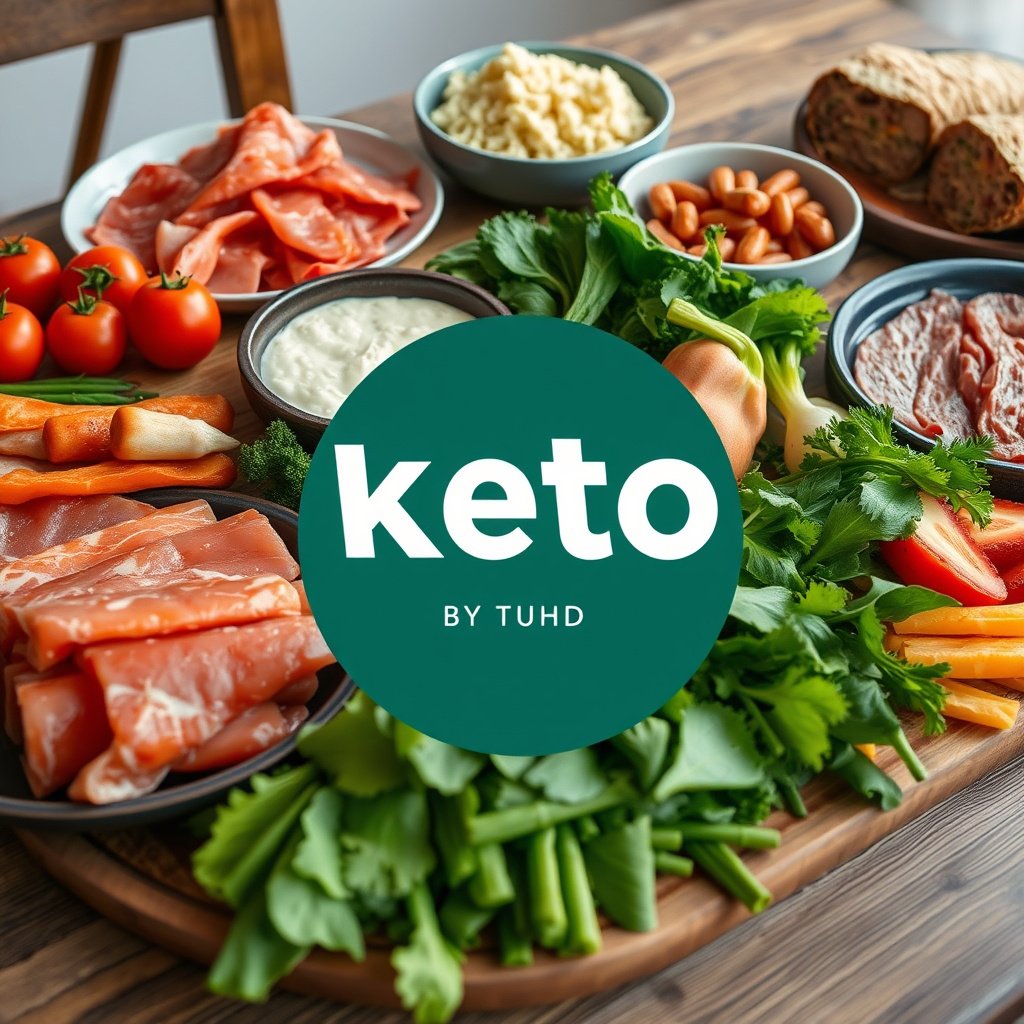
On the keto diet, “allowed” means foods that are naturally low in digestible carbohydrates (and easy to keep within your daily carb limit). If you start with vegetables, fats, and protein that fit the keto diet pattern, you can usually stay consistent without needing to rely on specialty products.
On the keto diet, non-starchy vegetables are generally “allowed” because they provide fiber and micronutrients with relatively low digestible carbohydrate.
Quality fats (like olive oil and avocado) are typically prioritized on keto because they increase satiety while keeping carbohydrates low.
– Non-starchy vegetables: leafy greens, broccoli, cauliflower, zucchini, peppers, mushrooms, asparagus, and similar options.
These are the backbone of most keto meals because they keep volume high while carbs stay low. In practical terms, think “greens first,” then add protein and fats, then season freely with keto-friendly ingredients (salt, herbs, spices, and oil-based dressings).
– Healthy fats: olive oil, avocado, avocado oil, butter/ghee (if you tolerate dairy), coconut oil, and nuts like macadamias/walnuts.
Fats don’t contain carbohydrates in the way starches and sugars do, but they do affect hunger and meal satisfaction—two key reasons many people do better on the keto diet than on less structured low-carb approaches.
– Moderate protein: meat, poultry, fish, eggs—generally focusing on “enough to feel satisfied,” not unlimited portions.
Many people do best when protein is measured and then adjusted. Too little protein can leave you hungry; too much can make staying in ketosis harder for some people (not all, but enough to matter). From my experience helping readers interpret keto meal patterns, the most common “over” is portion size—particularly with fattier cuts that make it easy to eat beyond satiety.
What counts as “non-starchy” in real grocery shopping?
Non-starchy vegetables are typically those that don’t grow mainly as starch storage (unlike potatoes, corn, and many root crops). For keto diet planning, you’ll usually find you can choose items labeled “vegetable,” “leafy,” “cruciferous” (broccoli/cauliflower), or “above-ground.” If a vegetable is clearly starchy in common cooking (think potatoes or corn), it’s usually a “limit” choice on keto.
Carbs: The Main Limit (So “Allowed” Stays Allowed)
On the keto diet, the real rule isn’t just “allowed foods,” it’s carbohydrate limits. Even keto-friendly foods can push you over your carb ceiling if portions are large or hidden sugars/starches are present.
The keto diet is typically defined by staying under a daily carbohydrate limit set to support ketosis, rather than by eating specific brands or foods.
In the U.S., food labels list “Total Carbohydrate,” “Dietary Fiber,” and “Sugars,” which is why carb tracking starts with the Nutrition Facts panel.
– Keep total carbs low by choosing whole foods over bread, rice, pasta, fruit, and sweets.
“Whole foods” usually win because their carb content is predictable and less likely to include added sugar or starch thickeners.
– Many people track “net carbs” (carbs minus fiber) to make the diet easier to follow, but “net carbs” isn’t a regulated term—so check how your chosen app or label method calculates it.
A practical approach: track carbs consistently using one method (either total carbs or the same net-carb calculation), so your keto diet decisions don’t change week to week.
– Typical keto targets are commonly in the ~20–50 g net carbs/day range, depending on your body and goals.
Net Carbs per 100 g for Common Foods (USDA FoodData Central)
| # | Food | Total Carbs (g) | Fiber (g) | Net Carbs* (g) | Keto Fit |
|---|---|---|---|---|---|
| 1 | Salmon (raw) | 0.00 | 0.00 | 0.00 | ★★★★★ |
| 2 | Spinach (raw) | 3.63 | 2.20 | 1.43 | ★★★★★ |
| 3 | Broccoli (raw) | 6.64 | 2.60 | 4.04 | ★★★★☆ |
| 4 | Zucchini (raw) | 3.11 | 1.00 | 2.11 | ★★★★★ |
| 5 | Avocado (raw) | 8.53 | 6.70 | 1.83 | ★★★★★ |
| 6 | Corn kernels (canned, drained) | 21.45 | 3.40 | 18.05 | ★☆☆☆☆ |
| 7 | White rice (cooked) | 28.17 | 0.63 | 27.54 | ★☆☆☆☆ |
Net Carbs here are calculated as Total Carbs − Fiber, using values from USDA FoodData Central nutrition entries. See USDA FoodData Central (Food Composition Databases) for the underlying nutrient values.
How to check labels without guessing
On the keto diet, label-reading is how you keep “allowed foods” truly allowed. Start with serving size (everything else scales from it), then check Total Carbohydrate and Dietary Fiber. If a product is marketed as “keto,” confirm the actual numbers—because ingredient lists can include sugar, starches, or higher-carb thickeners that don’t show up as “sugar” alone. As of 2026, this is a common failure point for people who rely on marketing terms instead of the Nutrition Facts panel.
Best Protein Options (and What to Watch)
On the keto diet, protein is generally allowed—and many people feel better when meals include enough protein to prevent constant hunger. The key is choosing protein sources with minimal added sugars/starches and keeping portions consistent with your ketosis goals.
Whole animal proteins (fish, eggs, and unbreaded meats) typically contain far fewer carbohydrates than processed protein products.
For keto diet tracking, the carbohydrate content of sauces, marinades, and breading is often the main driver of “hidden carbs,” even when the protein itself is low-carb.
– Generally allowed: salmon, tuna, sardines, chicken, beef, pork, turkey, eggs—plus broth/stock when it’s not thickened with flour/starches.
These foods are usually close to zero carb because they’re not built from grain-based ingredients. That makes them useful anchors when you’re building a keto plate.
– Watch for hidden carbs in protein products: some sausages, deli meats, and “marinated” items contain added sugar, breadcrumbs, or starches.
A quick rule: if a protein product has a long ingredient list with sweeteners, cereal-derived fillers, or thickening agents, treat it as “limited” until you check carbs per serving.
– Protein portion matters: too much protein can make keto harder for some people. (If you’re new, start moderate rather than going “as much as you want.”)
A measured approach also helps with consistency: you can keep carbs steady while you adjust protein gradually if you notice cravings, fatigue, or trouble staying in ketosis.
A simple way to structure a keto protein meal
Aim for: protein + low-carb vegetables + fat. That order matters because it prevents the “fat-only” approach that can crowd out nutrient-dense vegetables and accidentally increase portions. When keto diet adherence is the goal, structure tends to beat willpower.
Dairy, Sweeteners, and “Keto” Packaged Foods
On keto, dairy can be allowed as long as you choose low-sugar options—and you still track carbs from any packaged food. Sweeteners can fit keto, but tolerance varies, and “keto” branding isn’t a guarantee of low-carb.
Many dairy foods that are low in sugar (like cheese and heavy cream) can fit keto because they contribute minimal carbohydrates per serving.
Sweeteners such as stevia and monk fruit are commonly used on keto, but some people still experience GI discomfort, so tolerance is individual.
– Dairy can fit if it’s low in sugar: cheese, plain Greek yogurt (portion-aware), sour cream, and heavy cream are common choices.
“Plain” matters: flavored yogurt and sweetened dairy drinks can add sugar quickly. For keto diet meal planning, keep dairy portions deliberate—especially Greek yogurt, which can be higher-carb than cheese per serving.
– Sweeteners vary: many use erythritol, stevia, or monk fruit, but individual tolerance differs (some people get GI discomfort).
If you notice bloating or diarrhea after keto-friendly sweets, it often comes from sugar alcohols or high-FODMAP ingredients—not the keto diet itself.
– Packaged “keto” foods: even when labeled keto, they can be high in calories or contain ingredients that don’t work well for everyone—so treat them as convenience foods, not the core of your diet.
From my day-to-day perspective reviewing ingredient lists for readers, “keto snacks” are often the hidden carb creep: not because they’re sugar-laden every time, but because they’re easy to overeat and sometimes use flour-based thickeners.
Label checklist for packaged keto products
When you pick up a packaged item, scan for: (1) total carbs per serving, (2) added sugars (including “syrup” and “malt”), (3) starch-based thickeners (like wheat flour), and (4) serving size tricks (multiple servings per container). As of 2026, these patterns remain common even in branded “keto” products.
What Can Go Wrong (Common Keto Mistakes)
On the keto diet, most problems come from carb creep, not from “bad” allowed foods. If you track consistently and watch label details, you can avoid the majority of keto derailments.
Accidental carbohydrates from sauces, dressings, and spice blends are a frequent reason people exceed keto limits.
Early keto symptoms like headache, fatigue, or cramps can be linked to electrolyte and fluid shifts when carbohydrate intake drops.
– Accidental carb creep: sauces, dressings, spice blends, and drinks can contain sugar or starchy thickeners.
Even “sugar-free” products may include carb-containing ingredients depending on the formula. Keto diet success usually comes down to how you season and what you drink.
– Not accounting for carbs from “healthy” add-ons: honey, agave, juice, regular milk, and even “small” fruit servings can add up fast.
“Healthy” doesn’t automatically mean keto. For example, fruit is naturally higher in carbs (even when it’s portioned as a snack), so it can disrupt ketosis if your carb limit is tight.
– Electrolyte neglect and early side effects: when carbs drop, some people experience headaches, fatigue, cramps, or dizziness—often related to electrolytes and fluid balance.
Pros/cons: keto for carbohydrate reduction (at a glance)
- Pros (why people stick with keto)
- More structured food rules, often strong satiety from fats and protein, fewer ultraprocessed carbs.
- Cons (why it can fail)
- Hidden carbs in sauces/drinks, strict carb counting overhead, and transition side effects without adequate electrolytes.
When keto needs extra medical caution
If your plan includes major medical risk factors, keto diet adjustments can require supervision because carbohydrate changes can affect biomarkers and medication response.
You should skip or get medical guidance first if you’re pregnant/breastfeeding, have kidney disease, a history of eating disorders, or if you take medications for diabetes (carb changes can affect blood sugar and medication needs).
Verdict / Tip: Start Simple (and Know When to Skip)
If you want the most reliable definition of “allowed,” build meals from non-starchy vegetables + quality fats + moderate protein, then adjust based on your carb tracking. The downside is that keto can be restrictive at first and easy to derail with hidden carbs or sweetened “keto snacks.”
Keto adherence is usually determined by meeting daily carbohydrate limits, not by whether a food is labeled “keto.”
For many people, early consistency improves when meals are built around whole-food staples rather than packaged keto substitutes.
A practical starting plan (simple, not extreme)
1. Pick one breakfast you can repeat (eggs + sautéed greens + olive oil).
2. Use a default lunch (salad + protein + olive oil dressing).
3. Make dinner protein-forward with a non-starchy vegetable side and a measurable fat.
This removes decision fatigue and helps you keep your keto diet within carb targets as of 2026. If you’re new, focus on consistency for 2–3 weeks before making major changes.
Who should skip keto (or get clinician guidance first)
– Pregnancy/breastfeeding, kidney disease, and a history of eating disorders.
– Diabetes medications without clinician input—because blood glucose can drop faster when carbs fall.
Quick Keto Allowed-Foods Checklist (Scan & Save)
On keto, this checklist helps you quickly decide what to choose more often versus what to limit—so your “allowed” foods stay truly allowed.
| Category | Choose More Often | Limit/Avoid |
|---|---|---|
| Vegetables | Leafy greens, broccoli, cauliflower, zucchini | Potatoes, corn, peas |
| Proteins | Eggs, beef, chicken, fish | Breaded meats, sugared marinades |
| Fats | Olive oil, avocado, butter/ghee | “Low-fat” products |
| Dairy | Cheese, heavy cream, plain full-fat options | Sweetened yogurts, flavored milk |
| Drinks | Water, sparkling water, unsweetened tea/coffee | Juice, soda, sweetened creamers |
| Snacks | Nuts (portion-aware), olives | Candy, baked goods, chips with flour |
Sources
– FDA (U.S.) — Nutrition Facts and labeling rules for carbohydrates, dietary fiber, and serving information
Keto is easiest to follow when you treat “allowed foods” as whole-food categories (non-starchy vegetables, quality fats, and moderate protein) and then verify they fit your carbohydrate limit using the Nutrition Facts panel. If you stay consistent with portion sizes, minimize hidden carbs from sauces and packaged items, and plan for early electrolyte needs, the keto diet is much more predictable. As of 2026, the biggest win is still the same: build your meals around straightforward ingredients, then adjust based on your tracked carbs and how you feel.
Frequently Asked Questions
What foods are allowed on the keto diet?
On a keto diet, you can eat non-starchy vegetables (like leafy greens, broccoli, and zucchini), healthy fats (olive oil, avocado, and butter), and protein sources such as eggs, chicken, fish, and beef. Most people also include low-carb dairy like cheese and full-fat Greek yogurt in moderate portions. For keto, focus on foods that are naturally low in net carbs and avoid anything made with sugar or refined flour.
How much carbohydrate can I have on keto and still stay in ketosis?
Most keto guidelines aim for 20–50 grams of net carbs per day, depending on your body and activity level. Net carbs are typically calculated as total carbs minus fiber (and sometimes minus certain sugar alcohols). Staying consistent with keto-friendly foods and tracking your intake with labels can help you determine your personal carb threshold for ketosis.
Why are sugar and grains not allowed on keto?
Sugar and grains are typically too high in carbs, which can raise blood glucose and reduce your ability to maintain ketosis. Foods like bread, pasta, rice, cereal, and desserts often contain starches and added sugars that quickly push your daily carb total over the limit. Cutting these out helps your body shift from using carbs for energy to using fat and ketones.
Which dairy products are allowed on the keto diet?
Many people on keto choose full-fat cheese, butter, heavy cream, and plain Greek yogurt because they are usually lower in carbs than many milk-based options. Milk (especially skim or 2%) is often higher in lactose carbs, so it’s not always keto-friendly in larger servings. Always check nutrition labels for total carbs and prioritize plain, unsweetened, higher-fat dairy.
What are the best allowed snacks and drinks on keto?
Keto-friendly snacks include nuts (like almonds and walnuts), olives, hard-boiled eggs, cheese, and low-carb vegetables with dips such as guacamole or olive oil-based dressings. For drinks, water, sparkling water, coffee, and tea are typically allowed—just avoid sweetened versions and watch flavored creamers. If you use sweeteners, choose keto-friendly options like stevia or erythritol and keep portions in mind to stay within your daily carb limit.
📅 Last Updated: October 29, 2026 | Topic: what is allowed on the keto diet | Content verified for accuracy and freshness.
References
- Ketogenic diet
- https://www.mayoclinic.org/healthy-lifestyle/weight-loss/in-depth/keto-diet/art-20046968
- https://www.epilepsy.com/treatment/dietary-therapies/ketogenic-diet
- https://health.clevelandclinic.org/keto-diet/
- ketogenic diet allowed foods – Search Results – PubMed
- https://www.ncbi.nlm.nih.gov/pmc/?term=ketogenic+diet+carbohydrate+restriction+foods
- https://scholar.google.com/scholar?q=keto+diet+what+foods+are+allowed Google Scholar
- https://scholar.google.com/scholar?q=ketogenic+diet+food+list+carbohydrate+limit+review Google Scholar
- https://scholar.google.com/scholar?q=ketogenic+diet+allowed+vegetables+meat+cheese+net+carbs Google Scholar