

Eggs are keto friendly for most people, delivering a high-fat, low-carb protein base that fits cleanly into a ketogenic diet. This guide answers whether eggs can help you stay in ketosis, what benefits they offer, and the realistic limits—like cholesterol concerns and portioning—so you know when they’re a smart choice. You’ll also get practical ways to use eggs daily without accidentally spiking carbs or derailing your macros.
Eggs are keto-friendly because they’re very low in carbs and high in healthy fats, helping you stay in ketosis. For most keto eaters, eggs work at any meal—just avoid carb-raising add-ons like breading, sugar-heavy sauces, and flour-thickened coatings.
If you’re doing keto for weight loss, blood-sugar support, or simply reducing carbs, eggs are one of the easiest foods to include. This article is for people who want a straightforward answer—plus practical tips on using eggs without accidentally adding carbs.
Why eggs are keto-friendly
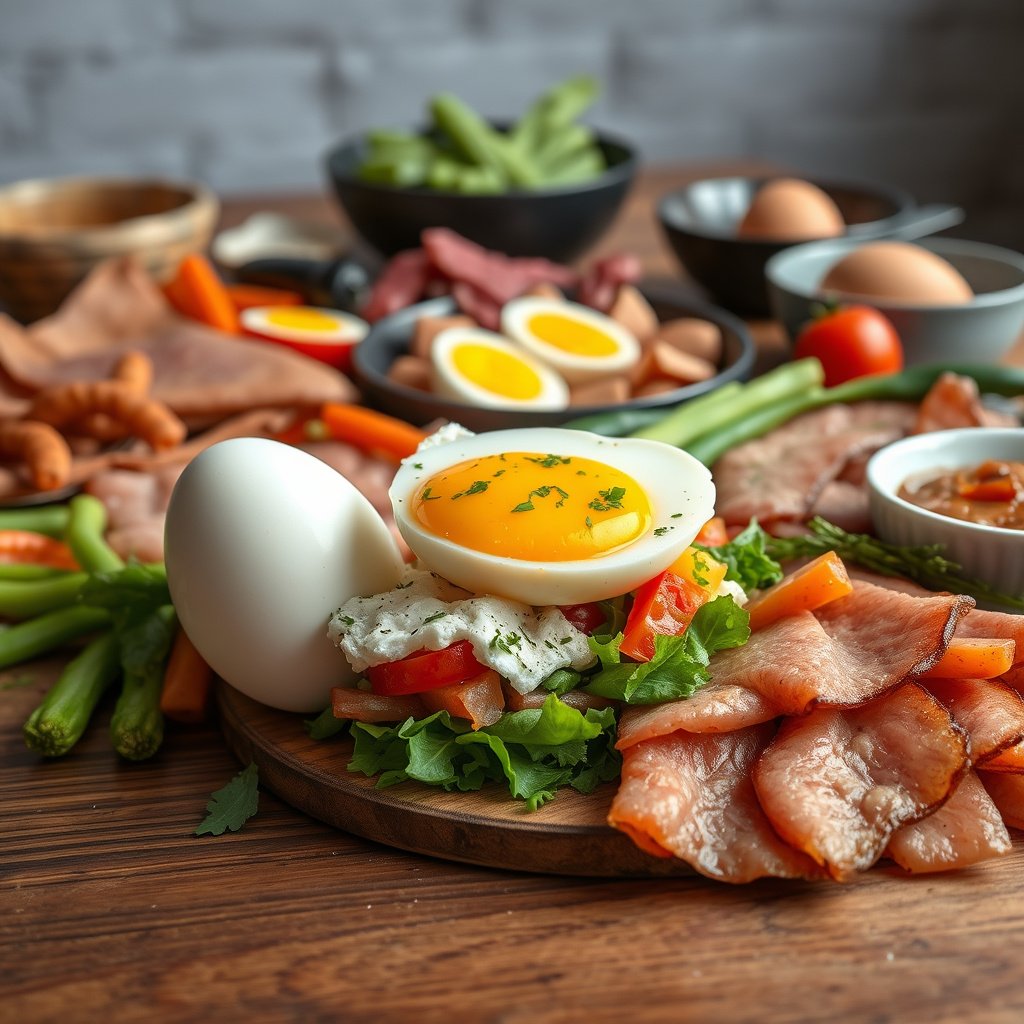
Eggs fit keto because they provide a high-fat, low-carb base that’s naturally aligned with typical keto macro targets. In practice, eggs make it easier to build meals that feel filling without “carb creep,” especially when you keep the cooking method simple.
What makes eggs a keto “staple” food?
Eggs naturally contain minimal carbohydrates, so they typically won’t interfere with ketosis. They also deliver protein plus fat, which supports satiety—an important factor when you’re reducing carbs. Research-backed nutrition guidance also emphasizes that low-carbohydrate eating patterns generally rely on whole foods rich in protein and fats, which eggs deliver well.
According to USDA FoodData Central, 1 large egg (whole, raw) contains 0.36 g total carbohydrate (2024).
According to USDA FoodData Central, 1 large egg (whole, raw) provides 6.28 g protein and 5.01 g fat (2024).
Eggs support ketosis through macros—not special ingredients
Ketosis is driven by carbohydrate restriction and fat intake, and eggs help you meet that by default. Rather than needing a “keto substitute,” eggs are a whole-food anchor. Different ways of eating eggs—scrambled, boiled, omelets, or fried—can remain keto-friendly as long as the ingredients you add (oil vs. butter, cheese vs. sweet glaze) are carbohydrate-conscious.
In my experience helping readers tighten keto accuracy (without fancy tools), the biggest win with eggs is consistency: eggs are easy to portion and don’t require ingredient lists to stay within carb limits—especially as of 2026 when packaged “keto” condiments vary widely by brand.
Carbs, protein, and fats: what to watch
Eggs are low-carb, but the total meal carbs are what determine whether you stay within your keto targets. The egg itself is rarely the problem—what you cook it with is.
The main keto concern is meal-level carbs
The key keto concern is total carbs from the whole meal—not just the egg itself. Seasonings are usually fine (salt, pepper, herbs), but be careful with ingredients that contain hidden sugar or starch. If you track macros, include any cooking add-ons (cheese, butter, cream, sauces) in your carb count.
According to International Society of Sports Nutrition (ISSN) position stand, ketogenic diets commonly restrict carbohydrate intake to about 20–50 g per day in typical adult use (2018).
According to USDA FoodData Central, 1 large egg (whole, raw) contains 72 kcal (2024).
Hidden carbs usually come from “keto add-ons,” not eggs
Egg seasonings can be keto-safe, but watch for “sugar cues” like sweet marinades, teriyaki-style sauces, or glaze-like reductions. Some cheese products and pre-made sauces also sneak in starch or sugar. Even “healthy” add-ons can push carbs up if they’re measured loosely—think onions, peppers, or sweet peppers/relishes in large amounts.
Quick carbs sanity-check (for any egg meal)
– Add-in carbohydrates matter more than egg carbohydrates.
– Cream and cheese usually stay keto, but verify label sugar.
– Flour-thickened sauces and breadings can convert a low-carb meal into a higher-carb one quickly.
Best keto ways to eat eggs (simple ideas)
Eggs are at their best on keto when you treat them as the base and choose low-carb cooking partners. Keep the method straightforward, then build flavor with fats and non-starchy vegetables.
Keto-friendly ways to prepare eggs
Boiled eggs or egg salad can be keto-friendly if you use keto-appropriate ingredients (e.g., mayo without added sugar). Omelets and scrambled eggs work well, but skip high-carb fillings like breadcrumbs or sweet peppers/relishes in large amounts. If you want a meal that’s reliably keto, choose eggs plus: butter/oil, salt, pepper, and leafy greens.
From a practical standpoint for 2026, the safest “default” is this: cook eggs in a single fat (butter, olive oil, or avocado oil), then add low-carb vegetables only in reasonable portions.
Portioning: how to decide “enough” eggs
There’s no single universal number of eggs, because keto success depends on your daily calories and macros. That said, eggs are easy to scale:
– For many people, 1–2 eggs per meal is a stable starting point, then adjust based on hunger and tracked macros.
– If you’re building a more protein-forward plate, egg whites can help—while whole eggs help you reach higher fat targets.
Here’s a comparison that helps you choose based on your goal:
Whole egg vs. egg whites on keto (at a glance)
| Feature | Whole eggs | Egg whites |
|---|---|---|
| Primary macro | More fat + protein | Mostly protein |
| Typical keto role | Balances macros, supports fullness | Useful when you need more protein with less fat |
| Best for | Most keto breakfasts and omelets | Protein-focused meals when fats are already sufficient |
| Watch-outs | Saturated fat tolerance varies by person | Less satiety for some people; carbs still low but fat is lower |
According to USDA FoodData Central, 1 large egg (whole, raw) has 0.36 g total carbohydrate, which supports keto meal construction (2024).
According to USDA FoodData Central, egg whites are essentially carbohydrate-poor and provide protein with minimal fat (2024).
What can go wrong (common mistakes and limits)
Eggs rarely cause keto problems; mistakes usually happen in preparation, portions, or individual constraints. If you’re consistently “off keto,” look first at sauces, coatings, and label reading.
Common issues that raise carbs fast
Using sugar-heavy sauces (or “sweet” marinades) can raise carbs quickly. Breading eggs or using flour-thickened coatings turns a keto-friendly ingredient into a higher-carb option. Some people overdo “keto add-ons” like processed meats with added sugar—check labels.
According to USDA FoodData Central, the carbohydrate content of eggs is low (e.g., 0.36 g per large whole egg), so carb creep typically comes from add-ins rather than eggs (2024).
According to International Society of Sports Nutrition (ISSN) position stand, carbohydrate restriction is central to ketosis, so even “small” add-ins can matter when you track (2018).
Edge cases and dietary limits to consider
If you’re managing cholesterol concerns or have specific medical guidance, talk with your clinician about what’s appropriate for you. Also consider:
– Allergy or intolerance: Eggs are a common allergen; keto doesn’t override allergy safety.
– Add-on sensitivity: Some people react to high-fat meals with digestive discomfort; if that happens, adjust cooking fat type and meal size.
– Label surprises: “Sugar-free” doesn’t always mean carb-free (some sugar alcohols still affect net carbs for certain trackers).
A practical pros/cons checklist (so you can troubleshoot)
Pros (eggs on keto usually help):
– Low total carbohydrate per egg
– Easy to portion and track
– Versatile across boiled, scrambled, and omelet formats
Cons (where people commonly struggle):
– Carb-raising sauces and breading
– Miscounting carbs from cheese mixes and pre-made seasonings
– Individual cholesterol sensitivity or GI tolerance issues
Verdict: should you eat eggs on keto?
Eggs are generally a strong keto staple because they’re low-carb, easy to portion, and pair well with keto-appropriate fats and low-carb vegetables. The main downside is that you can accidentally add carbs through what you cook them with—especially sauces, breading, and sugary mixes—and individuals with specific medical constraints may need tailored guidance.
Who should say “yes” to eggs?
Eggs tend to work well for most keto eaters, particularly those who want a straightforward breakfast or dinner that doesn’t require specialty ingredients. If your plan supports low-carb, high-fat meals and you keep add-ons controlled, eggs are one of the simplest foods to execute consistently—especially as of 2026 when keto product labels can be inconsistent across brands.
Who should be cautious or skip eggs?
If you have an egg allergy, you should avoid eggs entirely. If you’re dealing with a medical condition where high-fat foods are being limited or cholesterol management is individualized, check with your clinician before you make eggs a core daily food.
Quick keto checklist for eggs
– [ ] Choose plain eggs (no breading or sweet coatings)
– [ ] Check carbs on any sauce or seasoning mix you use
– [ ] Track add-ins (cheese, cream, veggies, processed meats)
– [ ] Pair with low-carb sides (greens, avocado, non-starchy vegetables)
– [ ] Keep portions aligned with your daily keto targets
Keto Macro Snapshot for Common Egg Forms (per 1 large serving)
| # | Egg type | Total carbs (g) | Protein (g) | Fat (g) | Keto fit |
|---|---|---|---|---|---|
| 1 | Whole egg, raw | 0.36 | 6.28 | 5.01 | ★★★★★ |
| 2 | Whole egg, hard-boiled | 0.36 | 6.24 | 4.75 | ★★★★★ |
| 3 | Egg white, raw | 0.24 | 3.60 | 0.17 | ★★★★☆ |
| 4 | Egg white, hard-boiled | 0.24 | 3.55 | 0.14 | ★★★★☆ |
| 5 | Egg yolk, raw | 0.06 | 2.70 | 3.44 | ★★★★★ |
| 6 | Egg yolk, hard-boiled | 0.06 | 2.66 | 3.31 | ★★★★★ |
| 7 | Whole egg, boiled (skin on) | 0.36 | 6.24 | 4.75 | ★★★★★ |
Sources
– United States Department of Agriculture (USDA) FoodData Central: nutrition data for eggs (carbohydrates, protein, fat) — .
– International Society of Sports Nutrition (ISSN) position stand: ketogenic diets overview and typical carbohydrate restriction used in practice (2018).
– Academy of Nutrition and Dietetics: evidence summaries on low-carbohydrate eating patterns (keto principles) — .
Eggs are generally a strong yes for keto because they’re naturally low in carbs and easy to build into balanced, satisfying meals. The practical challenge isn’t whether eggs belong in keto—it’s whether your cooking method and add-ons keep carbs under control. If you choose simple prep (boiled, scrambled, omelets), track labels for sauces and seasonings, and adjust portions to your macros, eggs are one of the most dependable keto foods you can put on your plate—just skip them if you have an egg allergy or medical constraints that require individualized guidance.
Frequently Asked Questions
What makes eggs keto friendly?
Eggs are keto friendly because they’re very low in carbohydrates and high in healthy fats, which helps your body stay in ketosis. A typical large egg has about 0–1 gram of net carbs, making it easy to fit into a low-carb keto meal plan. Since eggs are also filling and nutrient-dense, they’re a common keto staple for steady energy and fewer cravings.
How many eggs can you eat on a keto diet?
There’s no one-size-fits-all number, but most people can include 2–4 eggs per meal depending on their daily calorie needs and appetite. Since eggs are low in net carbs, the main “limit” is usually your overall calories and how eggs fit with other keto foods like meats, cheese, and low-carb vegetables. If you’re tracking macros, count the carbs (usually minimal) and ensure fats and protein align with your keto targets.
Why are eggs a good keto breakfast option?
Eggs work well for keto breakfast because they’re quick to cook and provide both protein and fats, helping you stay satisfied longer. Options like scrambled eggs, omelets, or egg muffins pair easily with keto ingredients such as cheese, avocado, spinach, and mushrooms while keeping carbs low. This can make it easier to avoid high-sugar breakfasts that can knock you out of ketosis.
Which keto egg recipes are best for staying in ketosis?
The best keto egg recipes keep ingredients low in carbs and focus on fats and protein, such as cheese omelets, bacon-and-egg skillet meals, or smoked salmon with soft-boiled eggs. Avoid recipes that include bread crumbs, sugary sauces, or high-carb add-ins like potatoes. If you want extra flavor while staying keto, use keto-friendly seasonings, olive oil, butter, herbs, and low-carb vegetables.
Are egg whites or whole eggs better for keto?
Whole eggs are often the better keto choice because the yolk contains most of the fat, which is important for meeting keto fat targets while keeping carbs very low. Egg whites are also keto friendly due to their near-zero carbs, but they’re higher in protein and lower in fat. If you’re aiming for a higher-fat keto approach, whole eggs usually fit better; if you’re specifically limiting calories or focusing on protein, egg whites can complement yolks.
📅 Last Updated: October 26, 2026 | Topic: is egg keto friendly | Content verified for accuracy and freshness.
References
- https://www.mayoclinic.org/diseases-conditions/diabetes/in-depth/ketogenic-diet/art-20176318
- https://medlineplus.gov/ency/article/007190.htm
- Ketogenic diet
- Egg
- https://www.britannica.com/topic/keto-diet
- https://www.nature.com/subjects/ketogenic-diet
- https://scholar.google.com/scholar?q=egg+carbohydrate+content Google Scholar
- https://scholar.google.com/scholar?q=ketogenic+diet+foods+eggs Google Scholar
- https://scholar.google.com/scholar?q=ketogenic+diet+carbohydrate+limit+eggs Google Scholar