Yes—cauliflower crust is keto friendly when it’s made with low-carb ingredients and kept within your daily net-carb limit. This guide breaks down the carb count to watch for, what can quietly push it out of keto, and how to choose versions that fit real ketogenic macros. If you’ve wondered whether cauliflower crust can replace traditional crust without derailing ketosis, you’ll get a clear answer here.
Yes—cauliflower crust can be keto friendly, but only if the carbs per serving fit your daily net-carb limit. Since cauliflower crust products vary a lot, you’ll need to check the nutrition label (especially net carbs) and scan the ingredient list for added starches. This guide shows you how to verify it quickly and avoid the common “it’s cauliflower, so it must be keto” trap.
If you’re doing keto (or just trying to keep carbs low), you’ll likely run into cauliflower pizza crusts, frozen “cauliflower crust” bases, or homemade versions. This is for you if you want to know what to look for before you eat a slice—and what could derail your macros.
What “keto friendly” really depends on
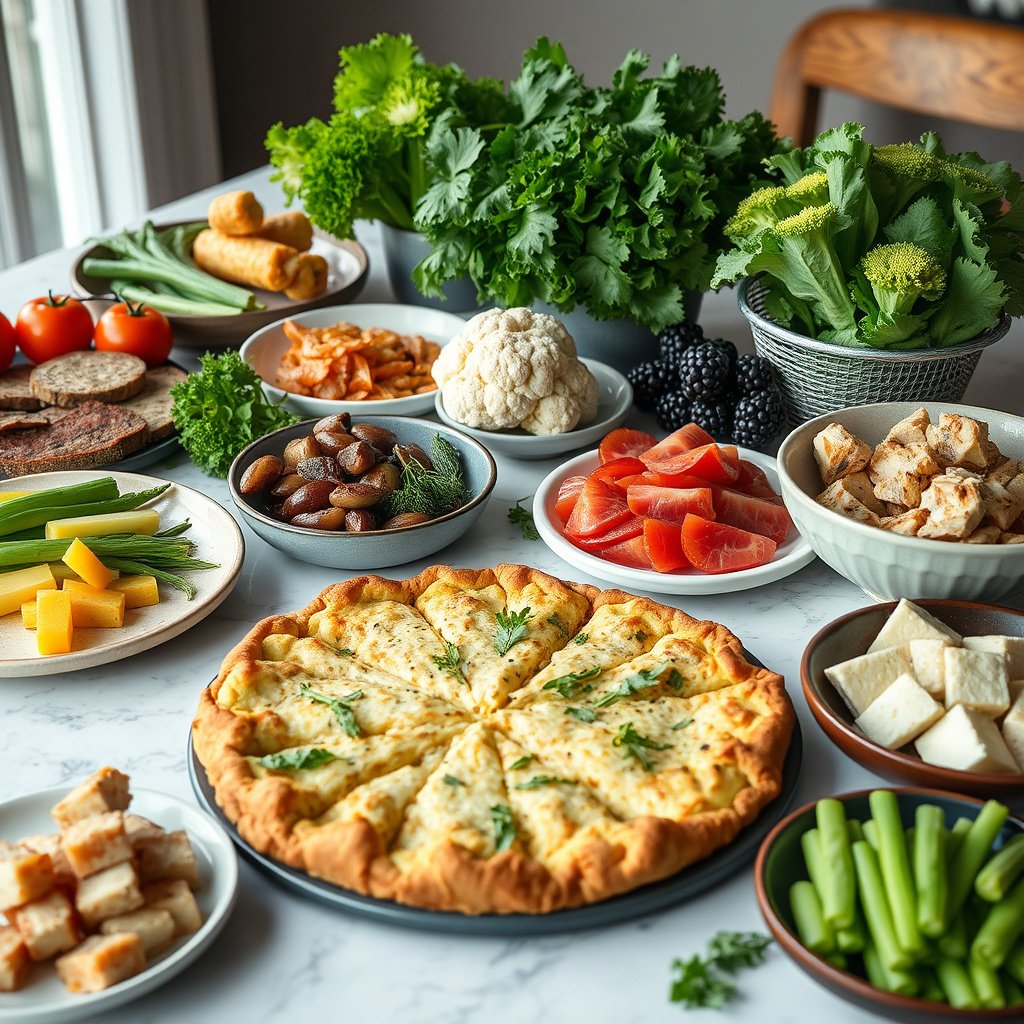
Keto-friendliness depends on the carb math per serving, not on whether the crust contains cauliflower. In practice, two cauliflower crusts with the same “cauliflower” front label can deliver very different net carbs depending on binders and added flours.
Cauliflower crust is effectively a formula: cauliflower provides volume and some natural carbs, while the binder determines whether the final product stays low-carb. That’s why keto isn’t “cauliflower yes/no”—it’s “net carbs per serving within your target.” According to NIH/MedlinePlus (Ketogenic Diet), the ketogenic diet is typically described as keeping daily carbohydrate intake around 20–50 grams per day.
Here’s the key analytical frame: you’re not evaluating “cauliflower,” you’re evaluating the finished crust’s total carbs, fiber, and ingredients that contribute starch. In my experience, the fastest way to catch problems is to look for “hidden starch” (starch, flour, breadcrumbs) in the ingredients and then confirm with the nutrition label’s net-carb value.
“Keto friendly” is primarily about net carbs per serving, because ketosis is driven by carbohydrate intake, not by the ingredient category alone.
A ketogenic diet is commonly described by clinical guidance as roughly 20–50 g carbohydrates per day, which forces you to budget carbs even for “healthier” swaps.
– Keto-friendliness is mainly about net carbs per serving, not the fact that the crust uses cauliflower.
– Homemade and store-bought cauliflower crusts can land very differently in carbs because recipes vary (binder and additions matter).
– The safer approach is to treat it like any other low-carb product: verify carbs, then confirm ingredients.
Why cauliflower matters—but doesn’t guarantee keto: raw cauliflower is comparatively low in carbs versus refined grains. For example, according to USDA FoodData Central, 1 cup (about 100 g) of raw cauliflower contains 4.97 g total carbohydrates and 2.0 g fiber—roughly ~3 g net carbs if you subtract fiber. By contrast, refined flour is carb-dense: all-purpose wheat flour is typically ~76 g carbohydrates per 100 g on USDA’s nutrient profiles. USDA FoodData Central data like this is why cauliflower can help—but only if the recipe doesn’t replace that low-carb base with flour or starch.
Pros/cons comparison (how cauliflower crust behaves on keto):
- Pros of cauliflower crust on keto
- Often lower carb than traditional wheat pizza crusts when the recipe relies on egg/cheese binders and avoids starch-heavy add-ins.
- Cons of cauliflower crust on keto
- Carbs can jump quickly if the label includes starch, flour, breadcrumbs, or sugar—plus portion sizes (slices per serving) are commonly tight on macros.
How to check if cauliflower crust fits your keto macros
If you want a practical yes/no, you should verify net carbs from the label and then audit the ingredient list for carb-adding binders. This is the most reliable method because “cauliflower crust” is not a standardized product category.
Start with the nutrition label. Look for total carbs and fiber, then compute or confirm net carbs exactly as the package defines them. Some brands list “net carbs” directly; others require you to subtract fiber yourself. The ketogenic diet itself is carbohydrate-limited, so a few grams per slice can decide whether cauliflower crust helps you stay in ketosis or slowly pushes you over your limit.
Then match the label’s serving size to what you actually eat. Many cauliflower crust products are labeled in a way that assumes fewer slices than most people consume in one sitting. If you eat more, you’re not “discovering” extra carbs—you’re simply scaling the math upward.
Finally, scan the ingredient list for common starch/flour contributors. Even if cauliflower is the first ingredient, small amounts of flour or starch can raise carbs more than you’d expect.
To verify keto fit, check total carbs and fiber on the label so you can confirm the product’s net-carb definition.
Serving size matters: if a cauliflower crust label defines “1 serving” as fewer slices than you eat, your net-carb intake may be materially higher than the label suggests.
Starch, breadcrumbs, flour, and sugar are frequent “carb accelerators” in cauliflower crust products because they increase digestible carbohydrates.
– Check the nutrition label for total carbs and look for fiber so you can calculate net carbs (often listed as “net carbs,” sometimes you’ll need to subtract fiber).
– Compare the serving size to how much you actually eat—many crusts are labeled for fewer slices than people typically portion.
– Read the ingredients for common carb-adding binders like starch, breadcrumbs, flour, or sugar—even small amounts can add up.
Carb Impact of Common Cauliflower-Crust Ingredients (USDA, per 100 g)
| # | Ingredient | Typical Role in Crust | Total Carbs (g/100 g) | Keto Compatibility |
|---|---|---|---|---|
| 1 | Olive oil | Fat base | 0.00 | ★★★★★ |
| 2 | Butter | Fat & texture | 0.06 | ★★★★★ |
| 3 | Egg, whole, raw | Binder (eggs) | 0.72 | ★★★★☆ |
| 4 | Cheddar cheese | Binder (cheese) | 1.28 | ★★★★☆ |
| 5 | Mozzarella cheese | Binder (cheese) | 2.22 | ★★★☆☆ |
| 6 | Almond flour | Texture/binder (grain-free) | 21.55 | ★★☆☆☆ |
| 7 | Wheat flour, all-purpose | Starch-based binder | 76.31 | ★☆☆☆☆ |
Data basis: USDA FoodData Central nutrient values (total carbohydrate per 100 g). Keto compatibility is an interpretive rating based on carb density, not medical advice.
Ingredients that usually make cauliflower crust more keto
Keto-leaning cauliflower crusts typically rely on low-carb binders and minimize grain-based or starch-heavy additives. If the binder list looks “eggy” and “cheesy,” the crust is more likely to stay within keto ranges.
When cauliflower crust is made keto-compatible, the formulation usually solves one problem: cauliflower contains moisture and naturally breaks apart. Low-carb recipes counter this with binders like eggs (protein-based binding) and cheese (fat/protein binding), while keeping flour/starch optional or absent. More processed versions may still use cauliflower, but they often incorporate extra ingredients to improve rise, browning, and sliceability—some of which are carbohydrate-rich.
For homemade versions, the biggest practical variable is moisture. If you don’t remove enough water from cauliflower (through thorough ricing and cooking plus pressing/draining), the recipe often “compensates” by adding more binder powder—like flour, starch, or extra breading—raising carbs.
Cauliflower crust recipes that use eggs and cheese as binders are structurally more likely to stay low in digestible carbs than recipes that use wheat flour or added starch.
When cauliflower crust is under-dried or under-pressed, recipes often compensate with more binder ingredients—potentially increasing total carbohydrate.
– “Keto-leaning” crusts typically use cauliflower plus binders like eggs and cheese (or similar low-carb binders).
– More processed products may add ingredients that aren’t keto-friendly—even if the main ingredient is cauliflower.
– If you’re making it at home, keep additions minimal and focus on moisture removal (excess water can force recipes to add more binders).
Ingredient red flags to catch in seconds (ingredient list scan):
1. Starch (any form) near the top of the list
2. Flour (wheat or otherwise)
3. Breadcrumbs or grain-based “texture” additives
4. Sugar (even small amounts can stack up across servings)
Ingredient “green flags” to look for:
– Egg as a binder
– Cheese or dairy solids as binding/fat sources
– Psyllium husk as a fiber binder (sometimes appears in keto baking)
What can go wrong (and how to spot it fast)
Cauliflower crust goes off keto most often because of hidden starch and mismatched portions. Even products that sound “keto” can become a macro problem once you check serving math and ingredient composition.
The fastest derailment is hidden carbs from binders. Some cauliflower crusts use additional starches or grain ingredients to improve texture, stretch, or rise. If you notice net carbs are higher than you expected, assume the binder plan changed—even if cauliflower remains the headline ingredient.
The second issue is portion size mismatch. Labels frequently define one serving as 1–2 slices (or a small segment). If you eat 3–4 slices, your net-carb total may multiply. This is a common pattern in low-carb “pizza” products: they’re engineered to fit smaller servings, not generous slices.
Finally, watch for different net-carb definitions. Some brands calculate net carbs using fiber only; others subtract certain sugar alcohols if present. If you use a different calculation method day-to-day, you risk inconsistency in your keto tracking.
If net carbs are unexpectedly high, the cause is usually starch/flour/breadcrumb binders rather than cauliflower itself.
Serving size differences can turn “keto-friendly” labels into macro-exceeding portions if you eat more slices than the serving definition.
Net-carb calculations can vary between brands, so the most reliable approach is to follow the label’s definition consistently.
– Hidden carbs from binders: Some cauliflower crusts include starches or grain-based ingredients to improve texture and rise—check labels, especially if net carbs look higher than expected.
– Portion size mismatch: A label may say “2 slices = 1 serving,” but you may realistically eat 3–4—your macros change quickly.
– Different “net carb” definitions: Some products calculate net carbs differently (fiber-only vs. subtracting certain sugar alcohols), so stick to what the label states and be consistent with your own method.
Fast spot-check method (works while you’re still in the store):
– Step 1: Find net carbs per serving (or carbs + fiber).
– Step 2: Confirm serving size (number of slices/squares).
– Step 3: Scan ingredients for starch/flour/breadcrumb/sugar.
Verdict: is cauliflower crust keto friendly for most people?
For most people, cauliflower crust *can* be keto friendly if it stays within their daily net-carb target and doesn’t include added carbs in the ingredient list. The ingredient is only half the story—the label math is the other half.
That said, cauliflower crust can still be tricky on strict keto because it’s easy to under-estimate carbs. Some brands aim for “pizza-like” taste and may add extra binders or texture ingredients that creep upward in carbs. Even when carbs are low, portion sizes can make it too easy to overshoot.
Skip it—or be extra cautious—if you’re highly carb-sensitive, counting net carbs very strictly, or you notice sugar/starch/breadcrumb-type ingredients near the top of the list. Also be cautious if the product’s “net carbs” number seems unusually inconsistent with the ingredient list (for example, cauliflower listed first but starch listed early too).
For cauliflower crust, the determining factor for keto suitability is net carbs per serving—not the word “cauliflower” on the package.
Many strict keto plans tolerate roughly 20–50 g carbohydrates per day, so even “low-carb” pizza portions can matter.
– For many people, cauliflower crust *can* work on keto if it stays within their daily net-carb target and doesn’t include added carbs in the ingredient list.
– Downsides: even “keto-friendly” versions may be carb-tight and can be easy to overeat; texture can vary, and some brands aim for “pizza-like” taste by adding extra binders.
– Skip it (or be extra cautious) if you’re highly carb-sensitive, counting net carbs very strictly, or you notice sugar/starch/breadcrumb-type ingredients near the top of the list.
Quick scan checklist (save this)
| What to check | What you want to see | Why it matters |
|---|---|---|
| Net carbs (or carbs + fiber) | Low net carbs per serving | This is what determines keto fit |
| Serving size | Matches what you’ll eat | Labels can understate portions |
| Ingredients | Egg/cheese-based binders; minimal add-ins | Added starches can push carbs up |
| Slice/square count | You know how many servings you’re eating | Helps prevent accidental macro creep |
Fast decision rule
– If the crust’s net carbs per serving are clearly low *and* there’s no obvious added starch/flour, it’s a strong candidate for keto.
Frequently Asked Questions
Is cauliflower crust keto friendly?
Yes—most cauliflower crusts are keto friendly because cauliflower is low in net carbs compared with traditional wheat crusts. However, the keto-friendliness depends on the recipe and ingredients, especially added starches, flours, or sweeteners. To stay within keto, check the nutrition label for net carbs per serving and keep portions modest.
How many net carbs are in cauliflower crust for keto?
Net carbs vary by brand and how the crust is made, but cauliflower-based crusts are typically much lower than regular pizza crusts. Look for “net carbs” (total carbs minus fiber) on the nutrition facts, and compare that number to your daily keto carb limit (often 20–50 net carbs/day). If net carbs aren’t listed, you can calculate them using total carbs and fiber.
Why does cauliflower crust sometimes break keto?
Cauliflower crust can knock you out of ketosis when it contains hidden high-carb ingredients like wheat flour, potato starch, rice flour, or sugar, or when the serving size is larger than expected. Even “low-carb” labels can add up if you eat multiple slices. The key is to verify net carbs per serving and choose versions made primarily from cauliflower and low-carb binders like eggs and cheese.
Which ingredients make cauliflower crust more keto friendly?
The most keto-friendly cauliflower crusts rely on cauliflower plus high-fat, low-carb binders such as eggs, mozzarella, parmesan, cream cheese, and seasonings. Avoid crusts that include added grains or starchy fillers like wheat flour, tapioca starch, cornstarch, or “gluten-free” starch blends. If you’re making it at home, focus on well-drained cauliflower (often riced or grated) and use low-carb ingredients to keep net carbs down.
What is the best way to eat cauliflower crust on keto without exceeding carbs?
Start by checking the net carbs per slice and choose a portion that fits your daily carb target, such as 1 slice or 2 smaller slices depending on your macros. Pair the crust with keto toppings like cheese, meats, olive oil, and low-carb vegetables, and go lighter on high-sugar or high-carb sauces. If you notice your carbs add up quickly, consider eating a cauliflower crust base with a fork (less total crust) or look for brands with fewer net carbs per serving.
📅 Last Updated: October 26, 2026 | Topic: is cauliflower crust keto friendly | Content verified for accuracy and freshness.
References
- Ketogenic diet
- Cauliflower
- https://www.mayoclinic.org/diseases-conditions/diabetes/in-depth/ketogenic-diet/art-20482801
- Checking your browser – reCAPTCHA
- https://fdc.nal.usda.gov/quick-search?query=cauliflower%20raw
- https://pubmed.ncbi.nlm.nih.gov/?term=ketogenic+diet+carbohydrate+intake+20+50+grams
- https://pubmed.ncbi.nlm.nih.gov/?term=cauliflower+carbohydrate+content
- https://scholar.google.com/scholar?q=cauliflower+crust+keto+friendly Google Scholar
- https://scholar.google.com/scholar?q=cauliflower+nutrition+carbohydrates Google Scholar
- https://scholar.google.com/scholar?q=ketogenic+diet+carbohydrate+limit+20+50+grams Google Scholar