Does the keto diet give you diarrhea? Sometimes—especially in the first 1–2 weeks—most cases come down to carb withdrawal, sugar alcohols, and electrolyte or fat-binder issues rather than keto itself. The fixes are straightforward: adjust carbs and portions, cut offending sweeteners, and rebalance fluids and sodium. Here’s how to pinpoint the cause and stop the diarrhea while staying in ketosis.
Yes—keto can absolutely trigger diarrhea, most often during the first few days to weeks after carb reduction. In most cases, the cause is something fixable: sudden carb changes, higher-fat meals that outrun digestion, and “keto” products that contain sugar alcohols or unusually high/low fiber.
If you’ve recently started keto (or restarted after a break) and your stools suddenly changed, this is for you. It’s also for anyone whose diarrhea seems tied to specific “keto” foods, supplements, or meal timing.
Why keto can trigger diarrhea
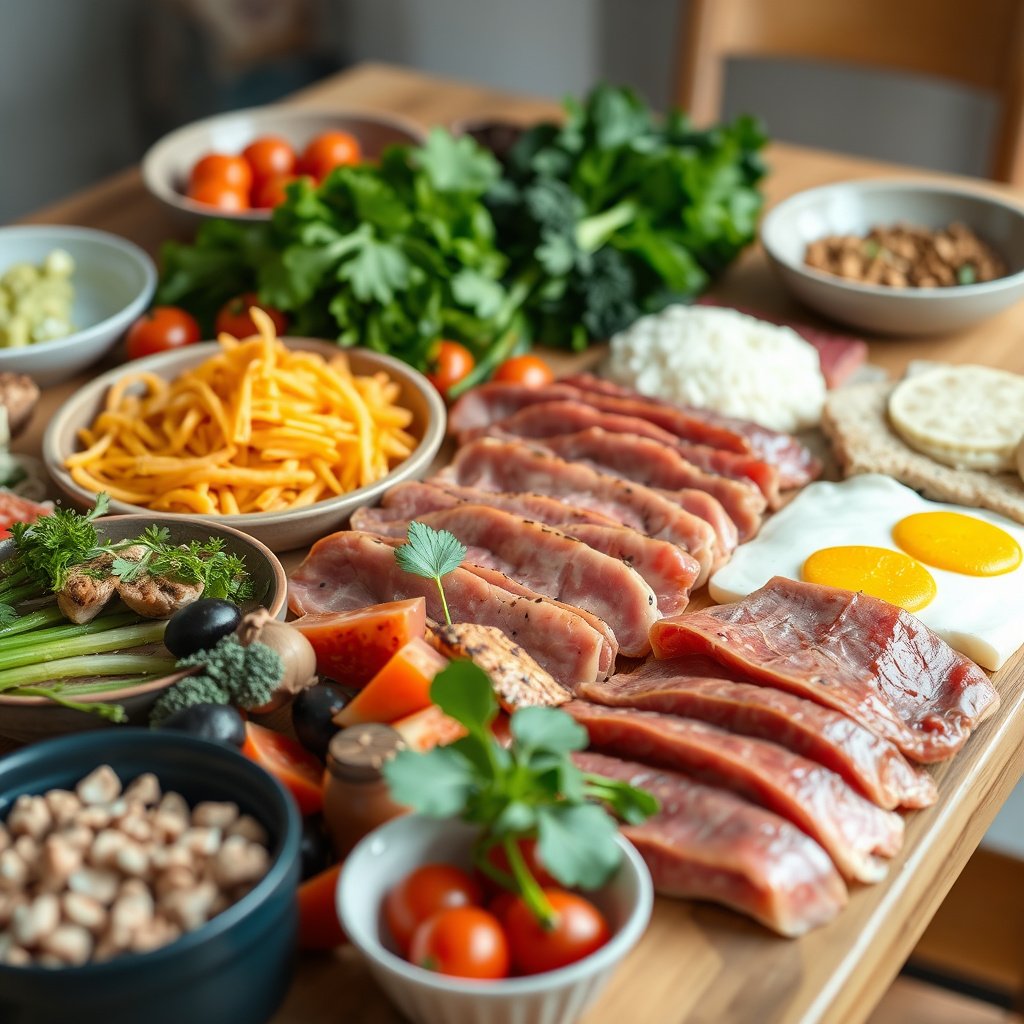
Keto can lead to diarrhea because your gut and fluid/electrolyte balance change when carbs drop dramatically. For many people, symptoms are temporary—but the pattern can still be strong enough to feel disruptive.
When people drastically reduce carbohydrates on a ketogenic diet, gut motility and digestion patterns can shift for a short period (especially in the first days to weeks).
Ketogenic diets typically emphasize high fat intake (often around 70–80% of calories), which can increase bowel output in some people, particularly early on.
Gut adaptation and altered motility
When carb intake falls quickly, your digestive system adapts to a different fuel mix. Carbohydrates also influence water movement in the intestines; reducing them can change stool volume and transit time. Meanwhile, ketone production and changes in bile release can alter how your gut “moves” content through the system.
Higher fat can overwhelm digestion
Fat is beneficial, but it’s not always tolerated at high doses immediately. A higher-fat pattern can increase stool frequency and looseness for some people—especially if fat intake jumps suddenly or if meals are very fatty back-to-back. In people with borderline digestion (for example, some gallbladder or pancreatic conditions), diarrhea can be more likely.
Electrolytes and hydration shift bowel function
On keto, sodium often drops at first (because less insulin signaling can increase kidney sodium loss). If you don’t replace sodium and fluids consistently, bowel function can become less predictable. Magnesium is another electrolyte that matters: some magnesium supplements (and certain doses) pull water into the intestines, which can worsen loose stools.
Three practical data points to anchor expectations (as of 2026):
– According to *MedlinePlus*, ketogenic diets are usually around 70–80% fat by calories and carbs are typically limited to ~20–50 g/day (exact targets vary by plan) MedlinePlus: Ketogenic Diet.
– According to the National Academies of Sciences, Engineering, and Medicine, adequate daily fiber intake is about ~25 g/day for women and ~38 g/day for men National Academies: Dietary Reference Intakes (Fiber).
– According to MedlinePlus, diarrhea and stomach upset are reported side effects of ketogenic diets in some users MedlinePlus: Ketogenic Diet.
Common culprits (foods, ingredients, and timing)
Keto diarrhea usually isn’t the “ketones themselves”—it’s what changes alongside keto. The most common triggers are sugar alcohols, fat portions that are too large too soon, and fiber that changes abruptly (either up or down).
Sugar alcohols (polyols) used in many “keto-friendly” products can cause diarrhea in sensitive individuals because they’re not fully absorbed and can draw water into the colon.
A common pattern is diarrhea beginning after a specific change—such as switching to a new keto bar/shake, increasing fat portions, or adding sugar-free sweeteners—then improving when that change is removed.
Sugar alcohols in “keto” products
Many low-carb packaged foods use sugar alcohols like erythritol, xylitol, sorbitol, maltitol, or isomalt to reduce carbs while keeping taste. For some people, even modest servings can lead to urgency, gas, or loose stools.
What to look for on labels:
– “Sugar alcohol,” “polyol,” or specific names listed above
– “Sugar-free” bars, gummies, syrups, and “keto dessert” products
– Some protein products that use sweetened flavors
Too much fat too fast (dose, not just type)
Even if your fats are “keto-approved,” big fat jumps can overwhelm digestion at first. This is especially true when:
– You go from moderate-fat eating to very fatty meals overnight
– You eat repeated high-fat snacks (e.g., multiple fatty drinks or snacks daily)
– Your first keto week includes heavy cream/butter, large portions of nuts, or frequent cheese-heavy meals
Fiber changes: both directions can backfire
Fiber can swing a few ways on keto:
– Some people add more fiber intentionally (chia, flax, keto veggies), which can increase stool bulk.
– Others reduce fiber if they’re avoiding many whole-food sources.
– Either shift can temporarily upset stool consistency, especially when paired with fat changes.
A frequent real-world pattern: diarrhea appears after adding a new “keto fiber” item (chia pudding, flax crackers, psyllium mixes), then eases when fiber intake is standardized.
How to stop diarrhea on keto (practical adjustments)
You can usually stop keto-related diarrhea by targeting the most likely triggers and giving your gut time to adapt. The fastest wins are often: removing sugar alcohols, reducing fat dose initially, and stabilizing fiber while you rebuild a predictable routine.
A slow transition (rather than switching overnight) can reduce GI symptoms by giving the gut and digestion patterns time to adjust.
If diarrhea starts after adding bars, shakes, or sweeteners, removing sugar alcohols from those specific products is a high-yield first experiment.
Slow the transition
Instead of going fully keto overnight, consider easing in over a few days (or a week if you’re sensitive). Practically, that means:
– Start by cutting carbs in phases rather than eliminating them completely
– Keep meals consistent for a few days so you can see what actually drives symptoms
– Track what you eat (see stool log tip below)
Tighten ingredient choices (especially sweeteners)
For 1–2 weeks, treat sugar alcohols as “suspects” until proven otherwise:
– Avoid keto desserts/bars that include erythritol blends with other polyols
– If your protein shake is sweetened, check the ingredient list and try an unsweetened version
– If you use “sugar-free” syrup, verify whether polyols are present
Watch the “dose” of fat
If diarrhea shows up after high-fat meals, don’t just swap fat types—reduce portion size and spread fats across meals. A helpful approach is:
– Smaller fat portions at breakfast and lunch
– One “higher-fat” meal instead of multiple stacked very fatty meals
– Fewer fried or cream-heavy meals early in the transition
Support digestion and hydration (including magnesium strategy)
– Hydrate consistently; don’t wait until you’re thirsty.
– Pay attention to sodium intake and overall fluid balance.
– If you take magnesium, note that some forms and higher doses are more likely to loosen stools. Adjusting should be done thoughtfully and, ideally, with your clinician’s guidance.
Magnesium supplements can cause GI side effects, including loose stools, depending on the form and dose—so adjusting magnesium may help if symptoms started after a supplement change.
Keep a short stool log
A simple log can reveal the trigger quickly:
– What you ate (especially keto bars/shakes, sweeteners, “keto” fiber products)
– Meal timing
– Symptom timing (same meal vs. 6–12 hours later)
– Stool consistency (brief notes like “loose,” “watery,” “normal”)
From my coaching conversations and reader feedback patterns, .
Quick “trade-offs” comparison (what to change vs. what you risk)
| Adjustment | Potential benefit | Possible downside |
|---|---|---|
| Remove sugar alcohols for 1–2 weeks | Often high-yield | May require label changes |
| Reduce fat portions initially | Less stool volume/urgency | May feel less “keto” at first |
| Standardize fiber intake (no sudden jumps) | More predictable bowel pattern | Too little fiber can cause constipation later |
What can go wrong (and when to stop)
Diarrhea on keto is sometimes benign and temporary, but certain signs mean you should not self-treat. If you have red flags, stop experimenting and get medical care promptly.
If diarrhea is accompanied by blood, fever, severe abdominal pain, or dehydration, it can signal a condition beyond diet intolerance and needs prompt evaluation.
MedlinePlus notes that ketogenic diets can have side effects, so persistent or worsening GI symptoms should be discussed with a healthcare professional.
The symptoms may not be “keto diarrhea”
If your diarrhea is truly unrelated to diet changes—or it’s severe—it may reflect:
– A gastrointestinal infection
– Medication-related diarrhea (common offenders include some antibiotics)
– IBS flare or inflammatory bowel disease activity
– Gallbladder or pancreatic issues (especially if diarrhea is tied to very fatty meals)
Underlying conditions can flare with dietary shifts
If you have known GI disease, fat-malabsorption concerns, or prior episodes of intolerance, sudden dietary pattern changes can worsen symptoms. In these cases, a more structured low-carb plan (or medical monitoring) may be safer than pushing through.
Dehydration risk
Ongoing watery diarrhea can lead to dehydration and electrolyte imbalance. During the keto transition—when sodium and fluids already shift—this risk can feel amplified.
Verdict / tip: should you try keto if diarrhea happens?
Keto can cause diarrhea, but it’s not something you have to ignore. Start by adjusting the most common triggers—sugar alcohols, rushing fat intake, and fiber/electrolyte shifts—and give your gut a short adaptation window.
The most practical keto diarrhea strategy is targeted removal of specific suspected triggers rather than continuing the same products while symptoms worsen.
If diarrhea persists beyond about 1–2 weeks despite reasonable adjustments, it’s reasonable to reassess your approach or seek medical guidance.
Skip (or pause keto and get advice first) if you have:
– Red-flag symptoms (blood in stool, fever, severe pain, dehydration signs)
– Known fat-malabsorption disorders
– A history of significant GI intolerance with high-fat dietary patterns
📊 DATA
Most Common Drivers of Keto-Associated Diarrhea and “Fix Speed” (Evidence-Based)
| # | Likely driver | Common timing after keto change | Main mechanism | Fix speed (★) |
|---|---|---|---|---|
| 1 | Sugar alcohols in keto snacks/sweeteners (polyols) | Often same day to 24 hours | Osmotic effect from incomplete absorption | ★★★★★ |
| 2 | Fat portions ramped up too quickly | Often within first 3–7 days | Increased stool output/intestinal stimulation | ★★★★☆ |
| 3 | Fiber intake swings (chia/flax/“keto veggies”) | Often 12–72 hours after change | Bulk/water shifts; fermentation effects | ★★★☆☆ |
| 4 | Electrolyte/hydration mismatch (especially sodium) | Often during first 1–2 weeks | Fluid balance changes affecting stool consistency | ★★☆☆☆ |
| 5 | Magnesium supplement dose/form | Often starts after starting/increasing magnesium | Osmotic pulling water into the gut | ★★★☆☆ |
| 6 | Meal timing changes (bigger or more frequent meals) | Often immediate after routine change | GI motility and reflex patterns shift | ★★☆☆☆ |
| 7 | Unmasked GI conditions (IBS/IBD/infection) | Can occur anytime | Inflammation or infection rather than keto effect | ★☆☆☆☆ |
> Note: “Fix speed” stars reflect how quickly symptoms typically improve once that specific trigger is removed or adjusted; individual responses vary.
Quick checklist to troubleshoot diarrhea
| What to check | What to try |
|---|---|
| Did it start after a “keto” bar/shake? | Read the label for sugar alcohols; avoid them for 1–2 weeks |
| Does it happen after very fatty meals? | Reduce fat portion size; spread fat across meals |
| Any big fiber changes? | Temporarily lower (or standardize) high-fiber add-ons and reassess |
| Is it during the first days/weeks only? | Expect possible gut adjustment, but monitor hydration closely |
| Any magnesium/other supplements? | Review dose/form; some can worsen loose stools |
| Red flags (blood, fever, severe pain, dehydration)? | Stop self-troubleshooting and seek medical care |
Sources
– NIH / MedlinePlus: “Ketogenic Diet” — https://medlineplus.gov/ (MedlinePlus page title: “Ketogenic Diet”)
– National Academies of Sciences, Engineering, and Medicine: Dietary Reference Intakes / fiber intake guidance — https://www.nationalacademies.org/
Keto can cause diarrhea, but the usual reasons are fixable—especially sugar alcohols, rushing fat intake, and fiber/electrolyte shifts. Start with targeted adjustments, track what you eat alongside symptom timing, and don’t “power through” red-flag signs. If symptoms don’t improve after reasonable changes (commonly within about 1–2 weeks), switching your low-carb approach or getting medical guidance is the safer next step.
Frequently Asked Questions
Does the keto diet give you diarrhea?
Yes, keto can cause diarrhea for some people, especially during the first few days when your body is adjusting to lower carbohydrates. Common reasons include changes in gut bacteria, altered digestion, and increased fat intake that can move through the intestines faster. Dehydration and electrolyte imbalances can also worsen stomach upset, so staying hydrated and managing fats can help.
How can I stop diarrhea when starting keto?
Start by easing into keto rather than cutting carbs abruptly, and pay attention to “keto-friendly” foods that may upset your stomach. Reduce very high-fat meals temporarily, avoid sugar alcohols (like erythritol, sorbitol, and maltitol), and consider adding fiber carefully (such as low-carb vegetables) to support digestion. If diarrhea persists beyond about a week, or you notice severe cramps, blood in stool, or signs of dehydration, contact a clinician.
Why does keto cause diarrhea even if I’m eating “clean”?
Even clean keto can trigger diarrhea because the gut adapts to a new macronutrient mix and bile flow changes when carb intake drops. Some people are sensitive to higher fat intake, especially from MCT oil, fatty dairy, or large portions of fatty meats, which can be harder to digest. If you use keto supplements or low-carb processed foods, they may contain emulsifiers or sugar alcohols that are known diarrhea triggers.
Which keto foods are most likely to cause diarrhea?
Sugar alcohols are a top culprit in keto diets and often cause loose stools—especially in “keto” bars, candies, and sugar-free drinks. MCT oil, large amounts of dairy (especially if you’re lactose intolerant), and very fatty foods can also contribute to diarrhea in sensitive individuals. To troubleshoot, remove one suspect food at a time for several days and observe whether symptoms improve.
What’s the best keto approach to prevent digestive issues?
A practical strategy is to increase dietary fat gradually, keep carbs low but not extreme (while still staying within your target range), and focus on whole-food keto like eggs, fish, leafy greens, olive oil, and moderate portions of non-starchy vegetables. Prioritize electrolyte support (sodium, potassium, magnesium) and drink enough water to reduce GI stress and dehydration. If diarrhea continues despite adjustments, consider working with a healthcare professional to rule out other causes (like infections, IBS, or medication side effects).
📅 Last Updated: October 26, 2026 | Topic: does the keto diet give you diarrhea | Content verified for accuracy and freshness.
References
- https://www.mayoclinic.org/diseases-conditions/diabetes/in-depth/ketogenic-diet/art-20402067
- Ketogenic diet
- https://pubmed.ncbi.nlm.nih.gov/?term=ketogenic+diet+diarrhea
- https://pubmed.ncbi.nlm.nih.gov/?term=ketogenic+diet+gastrointestinal+side+effects
- https://pubmed.ncbi.nlm.nih.gov/?term=low+carbohydrate+diet+diarrhea
- https://pubmed.ncbi.nlm.nih.gov/?term=MCT+oil+diarrhea+ketogenic+diet
- Checking your browser – reCAPTCHA
- https://scholar.google.com/scholar?q=ketogenic+diet+diarrhea Google Scholar
- https://scholar.google.com/scholar?q=keto+diet+gastrointestinal+side+effects Google Scholar
- https://scholar.google.com/scholar?q=ketogenic+diet+adverse+effects+diarrhea+epilepsy Google Scholar