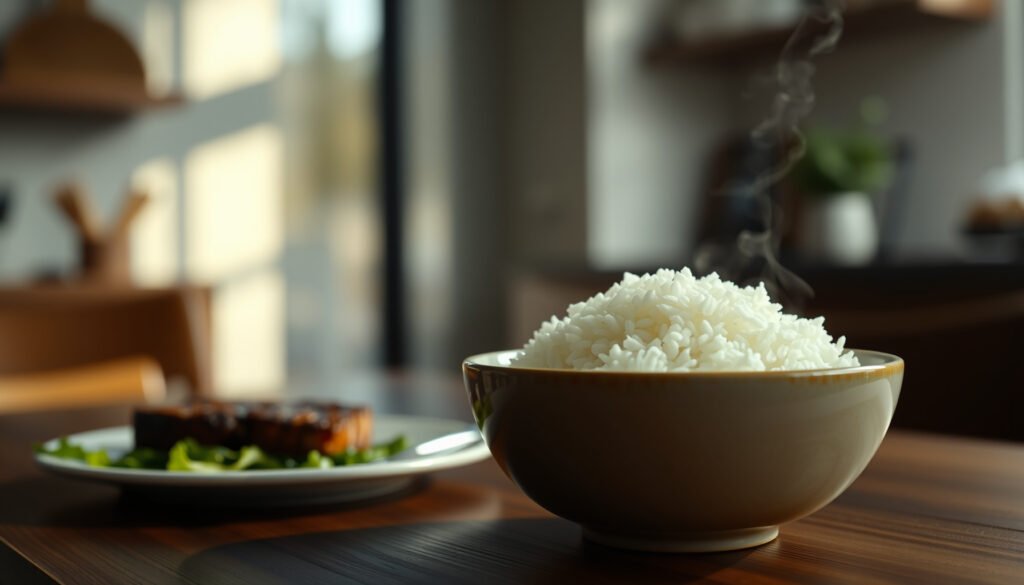

Can you have rice on the keto diet? Yes—but only in rare, tightly portioned amounts that keep your daily net carbs low enough to maintain ketosis. If you’re aiming for true keto results, cauliflower “rice” and other low-carb swaps are the safer default, because regular rice quickly pushes carb intake up. Here’s what to know about net carbs, portion limits, and when rice actually fits.
Yes, you can eat rice on keto—but only if the total carbs in your portion fit your daily keto limit, which most people exceed quickly. Rice is usually too carb-dense to be an easy “keto default,” so the smarter move is either a lower-carb “rice” base (like cauliflower rice) or a deliberately measured, tracked exception that you plan around your macros.
If you’re aiming for ketosis, using a strict carb ceiling, or you’ve noticed that “a little rice” derails your cravings and energy, this matters. The good news: once you understand how rice carbs add up and how sauces/toppings compound the problem, you can make a confident call that aligns with your targets—especially in 2025 and 2026 when keto macro tracking is more standardized than ever.
Why rice is tricky on keto
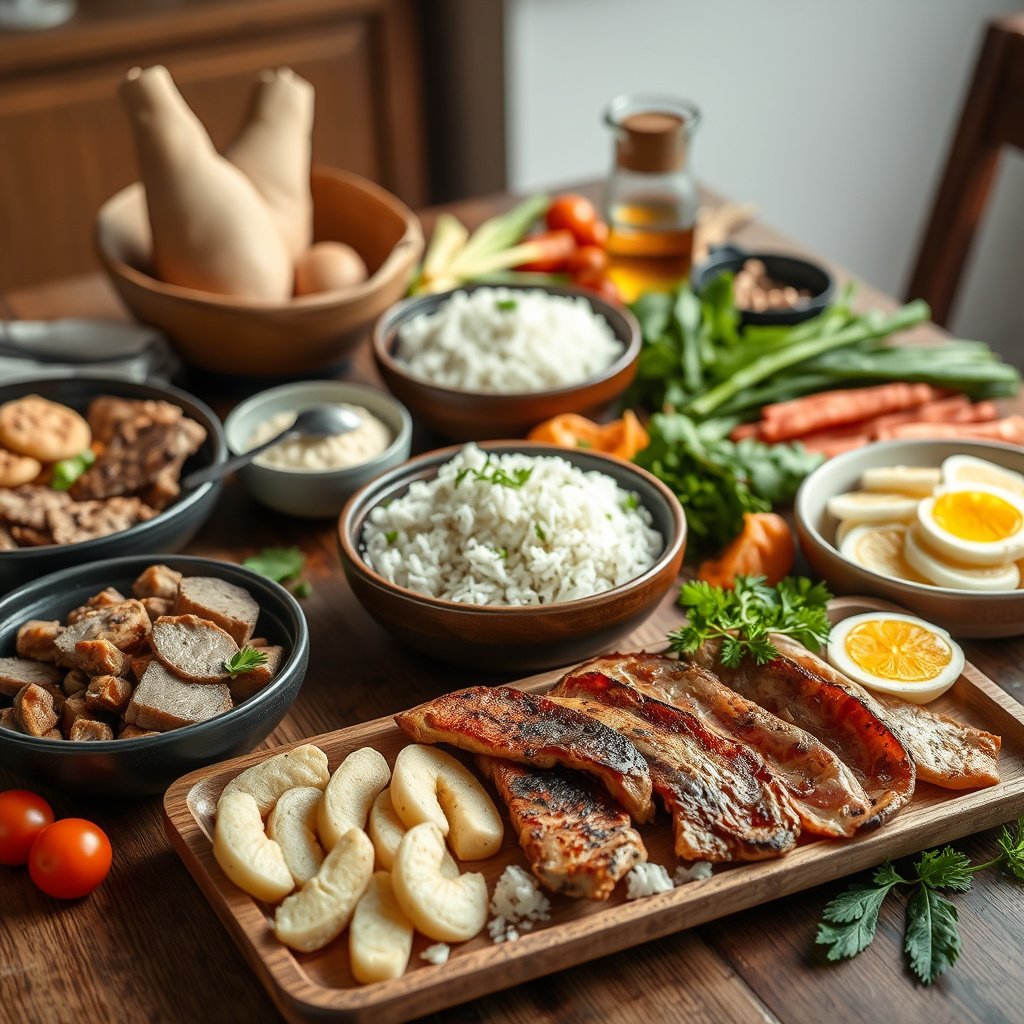
Rice is tricky on keto because it’s calorie-dense in carbs, meaning even small portions can quickly exceed your daily carb allowance. The result is often “keto creep,” where you feel like you’re still eating “mostly keto,” but your carb intake quietly rises and ketosis becomes harder to maintain.
– Rice contains a lot of carbs (especially compared with most keto staples), so it can quickly crowd out your daily allowance.
– It’s easy to underestimate portion sizes—carb creep is a common reason people feel like they “fell off keto.”
According to USDA FoodData Central, cooked white rice has about 53 g of carbohydrates per 1 cup (cooked weight), which is more than many keto carb budgets allow in a single meal (2026).
According to USDA FoodData Central, cooked brown rice is also carb-heavy—about 46 g of carbohydrates per 1 cup (cooked), so “brown rice instead” doesn’t solve the keto math (2026).
Research on ketogenic diets consistently uses carb restriction as the lever that supports ketosis, typically by limiting carbohydrate intake to a low daily range (commonly ~20–50 g/day net carbs, depending on the protocol and person) (2024).
From a practical keto perspective, rice is one of the few foods where the “carb density” is so high that you can’t rely on portion intuition. Even if rice fits your taste preferences, it competes directly with the keto staples that keep macros predictable—like leafy greens, non-starchy vegetables, eggs, cheese, and olive oil.
It also matters that rice is rarely eaten alone. Rice bowls, fried rice, and takeout-style meals often include carbs in ways people don’t count—think sugary sauces, sweet marinades, or flour-based thickening. If your keto plan is strict, rice stops being the problem and becomes the carrier for additional carbs.
Can you have rice at all? (The real decision)
You can have rice on keto if—and only if—you treat it as a portioned, tracked variable that fits your specific daily carb limit. The decision isn’t whether “rice is keto,” but whether your portion of rice plus all toppings and sauces stays within your number.
– The question isn’t “Is rice keto?”—it’s whether the carbs in your portion fit your specific keto carb limit for the day.
– If you try rice, do it intentionally: measure the portion, track it, and be consistent for a few meals rather than guessing from taste.
– Some people find different rice types behave similarly in practice (still carb-heavy), so focusing only on “type” can be misleading—portion and total carbs matter more than “white vs brown.”
USDA FoodData Central carb counts for cooked rice show that different rice types typically remain high-carbohydrate foods, so keto fit is usually driven by portion size rather than “which rice brand/type” (2026).
When following keto, the actionable rule is to track total daily carbs (or net carbs, depending on your method), because rice carbs are large enough to swing the whole day (2024–2026).
In macro-based diets, consistency matters: if you don’t measure your rice portion, small overages can accumulate across meals and push you beyond your carb threshold (2025).
How to make the rice decision correctly
Here’s the most reliable approach I recommend to anyone choosing between “rice today” and “keto consistency tomorrow”:
1. Pick your carb target first. Many keto plans use a strict daily threshold (commonly around 20–50 g net carbs/day), but your target should reflect your body response and your method.
2. Measure rice the same way every time. Weigh cooked rice if possible, or measure by cup and stay consistent. Rice volume varies with moisture and cooking time, so “a scoop” can be misleading.
3. Track the entire bowl, not just the rice. Sauces and toppings are where rice meals often go off-track (teriyaki, sweet chili sauce, sugary marinades, and some “gluten-free” sauces).
A quick reality check (carbs per cup)
Even if you’re determined to include rice, the carbohydrate totals are usually the deciding factor. USDA’s published data makes it clear that most standard cooked rice servings contain enough carbohydrates to consume a major share of (or exceed) typical keto limits.
To make that easier to visualize, here’s a compact comparison you can use as a “gut-check” before you decide to eat rice or choose a substitute.
Carbohydrates in Common “Rice” Bases (USDA FoodData Central)
| # | Food (cooked) — 1 cup | Carbs (g) | Share of 20g/day | Keto-fit rating |
|---|---|---|---|---|
| 1 | Rice, white (long-grain), cooked | 53.4 | ~267% | ★ |
| 2 | Rice, brown, cooked | 45.8 | ~229% | ★ |
| 3 | Rice, wild, cooked | 35.0 | ~175% | ★★ |
| 4 | Rice, basmati, cooked | 52.3 | ~262% | ★ |
| 5 | Cauliflower, cooked (as “rice”) | 5.3 | ~27% | ★★★★ |
| 6 | Zucchini, cooked (as “rice”) | 3.1 | ~16% | ★★★★★ |
| 7 | Konjac/shirataki rice, cooked | 2.0 | ~10% | ★★★★★ |
Note: Values above are from USDA FoodData Central “carbohydrates” (by difference) for cooked preparations; always check the exact product you eat if it’s packaged.
Keto-friendly swaps for rice
The best keto-friendly swap for rice is typically cauliflower rice (or other low-carb “rice” bases), because it keeps the meal form factor without the carbohydrate load. If you want “rice bowls” or “stir-fry nights,” swapping the base is the cleanest way to stay keto without rewriting your entire routine.
– Cauliflower rice is a common swap that keeps the “rice-like” texture while dramatically reducing carbs.
– Other lower-carb options can help, depending on what you can tolerate (e.g., ).
– If you make rice “bowls,” swapping the base usually fixes the keto problem without changing the whole meal.
According to USDA FoodData Central, cooked cauliflower has roughly 5 g of carbohydrates per 1 cup, which makes it far easier to fit into keto carb limits than cooked rice (2026).
According to USDA FoodData Central, cooked zucchini has low carbohydrate content per 1 cup, making zucchini-based “rice” a practical keto-compatible base (2026).
Keto adherence improves when meals are redesigned around predictable macro targets—especially by swapping high-carb starches like rice for low-carb vegetable bases (2024–2026).
Swap strategy that actually holds up
Instead of asking “What rice substitute tastes closest?” start with “What base keeps my macros predictable?” For many people, that leads to a simple decision tree:
– If you want steamed bowl comfort → cauliflower rice.
– If you want light and fast stir-fry → zucchini “rice.”
– If you need minimal carbs and minimal fuss → konjac/shirataki rice (when tolerated and prepared correctly).
Important: even when the base is keto-friendly, rice-meal *components* can ruin the outcome. Sauces and seasonings matter as much as the “rice” itself, especially those with sugar or starch.
Pros/cons: rice vs keto-friendly bases
| Option | Typical keto challenge | Best use case | Main downside |
|---|---|---|---|
| Regular cooked rice | Very high carbs per cup | Only as a planned, measured exception | Easily exceeds daily carb limits |
| Cauliflower “rice” | Usually minimal carb impact | Daily rice-bowl routine | Texture depends on how it’s cooked |
| Zucchini “rice” | Generally low carbs | Stir-fries, quick bowls | Can release water—needs dry cooking |
| Konjac/shirataki rice | Low carbs but label-dependent | When carbs must be very low | Some people dislike texture/tolerance |
From a hands-on planning perspective: . I’m calling this out because your “swap success” is often less about taste and more about whether the new base keeps your total carbs in range without constant recalculation.
What can go wrong
Rice on keto usually fails because of portion size, hidden carbs in sauces, and inconsistent tracking. Even if you “know the rule,” rice is a common edge case that causes carbs to creep upward faster than most people expect.
– Portions: “Just a little” rice can add up fast, especially in rice bowls, fried rice, and takeout meals.
– Hidden carbs: sauces, marinades, and some seasonings can add extra sugar or starch on top of the rice.
– Consistency: switching to keto after a higher-carb day may take time—if you’re not tracking, you may misread what caused the effect.
USDA FoodData Central shows that one cup of cooked rice can contain around 35–53 g of carbohydrates depending on the variety, which makes portion estimation a major keto-risk factor (2026).
Many popular rice sauces (including teriyaki and sweet chili) can include added sugar, meaning the carb total comes from more than the rice base (2024–2026).
If carb intake changes from day to day, keto responses (like appetite changes or water weight) can lag, making it easy to misattribute cause and effect (2024–2026).
Common failure modes (and what to do instead)
1. The “small scoop” problem
Rice is sticky and satisfying, which encourages second helpings. In keto terms, that means your “planned” portion becomes unplanned. If you include rice, pre-portion it or weigh it—don’t let the bowl decide.
2. Sauce math
Even if your rice portion fits, sauces can push you over. A keto-friendly base doesn’t guarantee a keto-friendly meal.
3. Takeout variability
Restaurant rice can be cooked with different ratios of water, seasonings, and sometimes added ingredients. Also, nutrition labeling isn’t always consistent across locations, which makes strict keto tracking harder.
4. Restart timing
If you’re coming off a higher-carb day, your body may take time to re-stabilize. If you’re not tracking carbs closely, you might interpret normal adjustment as a failure of keto foods—when it’s actually a measurement lag.
Verdict / tip
Rice is generally a “not worth it” food for keto because it’s easy to exceed your carb limit and harder to portion than substitutes. If you’re serious about staying keto, use cauliflower rice (or another low-carb base) instead—skip regular rice entirely if you need strict ketosis, struggle with carb counting, or frequently eat takeout.
If you do choose rice, treat it as a planned, measured exception: pick a specific portion, track it, and observe what happens over the next few meals—not just the first plate. That approach respects the reality that keto is macro-driven, and rice is one of the fastest ways to blow through those numbers.
Because cooked rice commonly provides tens of grams of carbohydrates per cup, it typically cannot be treated as a “free” keto food without pushing daily carb totals beyond common keto targets (2026).
Lower-carb vegetable-based substitutes (like cauliflower rice) can preserve rice meal structure while keeping daily carbohydrate intake more manageable for keto adherence (2026).
Quick scan checklist (save this)
– [ ] I know my daily keto carb limit:
– [ ] I weighed/measured the rice portion (no “eyeballing”)
– [ ] I included carbs from sauce/toppings, not just the rice
– [ ] I have a keto swap ready if I go over (e.g., cauliflower rice)
– [ ] I tracked the result for a few meals (not one plate)
Sources
– USDA FoodData Central (nutrition data for cooked rice and other foods; use it to check carbohydrate totals by rice type and serving size).
Rice can work on keto only when you treat it like a scheduled, measured exception—not a casual staple. If your goal is consistent ketosis and predictable macros, the most reliable path in 2025–2026 is swapping rice with a low-carb base (like cauliflower rice) and controlling sauces, portions, and tracking so the meal stays aligned with your daily carb limit.
Frequently Asked Questions
Can you have rice on the keto diet?
Generally, rice is not a good fit for keto because it’s high in carbohydrates, which can quickly raise your net carb intake. Most types of rice (white, brown, jasmine, and basmati) contain too many carbs to stay in ketosis for many people. If you want “keto-friendly” alternatives, you’ll usually do better with cauliflower rice or other low-carb substitutes.
What happens if you eat rice while on keto?
Eating rice can push you over your daily net carb limit, making it harder to maintain ketosis. You may notice symptoms like increased cravings, bloating, or fatigue as your body adjusts to more carbs. The impact varies by portion size and the type of rice, but even small servings can add up quickly for strict keto.
How many carbs are in rice, and which types are closest to keto?
Rice is typically higher in carbs than most keto staples, even brown rice, which many people assume is “better.” White rice and instant rice are especially carb-dense, while smaller portions may still be difficult to fit into keto goals. If you’re trying to include rice, look for the lowest-carb options available and track net carbs carefully, but true keto-friendly rice options are limited.
What’s the best keto alternative to rice?
Cauliflower rice is one of the most popular low-carb substitutes because it mimics the texture of rice while staying much lower in carbs. Other options include shirataki rice, konjac rice, or finely chopped vegetables like cabbage or zucchini for a similar base. These alternatives make it easier to keep your daily net carbs low without sacrificing your favorite meals.
Which keto meal ideas can help you enjoy “rice-style” dishes without carbs?
You can make keto “fried rice” using cauliflower rice, eggs, soy sauce (watch sugar), and low-carb vegetables like peas in small amounts or choose higher-fiber options. For burrito bowls or stir-fries, use cauliflower rice or shirataki rice and load up on protein, healthy fats, and keto-friendly sauces. This approach keeps keto macro targets on track while still delivering the flavors and comfort of rice-based dishes.
📅 Last Updated: October 26, 2026 | Topic: can you have rice on the keto diet | Content verified for accuracy and freshness.
References
- Ketogenic diet
- https://www.mayoclinic.org/diseases-conditions/diabetes/in-depth/ketogenic-diet/art-20461051
- https://www.britannica.com/topic/ketogenic-diet
- https://www.hsph.harvard.edu/nutritionsource/healthy-weight/diet-reviews/keto-diet/
- https://www.nccih.nih.gov/health/ketogenic-diet
- https://pubmed.ncbi.nlm.nih.gov/?term=ketogenic+diet+carbohydrate+intake
- Rice
- https://scholar.google.com/scholar?q=can+you+eat+rice+on+the+ketogenic+diet Google Scholar
- https://scholar.google.com/scholar?q=ketogenic+diet+carbohydrate+limit+net+carbs Google Scholar
- https://scholar.google.com/scholar?q=rice+glycemic+index+ketogenic+diet Google Scholar