
Almond milk can indeed be a suitable choice on a keto diet, provided you choose the right type and brand. Many unsweetened almond milks are low in carbohydrates, making them a preferred option for individuals aiming to maintain ketosis. In this article, we will delve into the nutritional aspects of almond milk, explore the various types available, discuss its benefits on a keto diet, and offer practical tips for incorporating it into your meal plan.
Understanding Almond Milk and Its Nutritional Profile

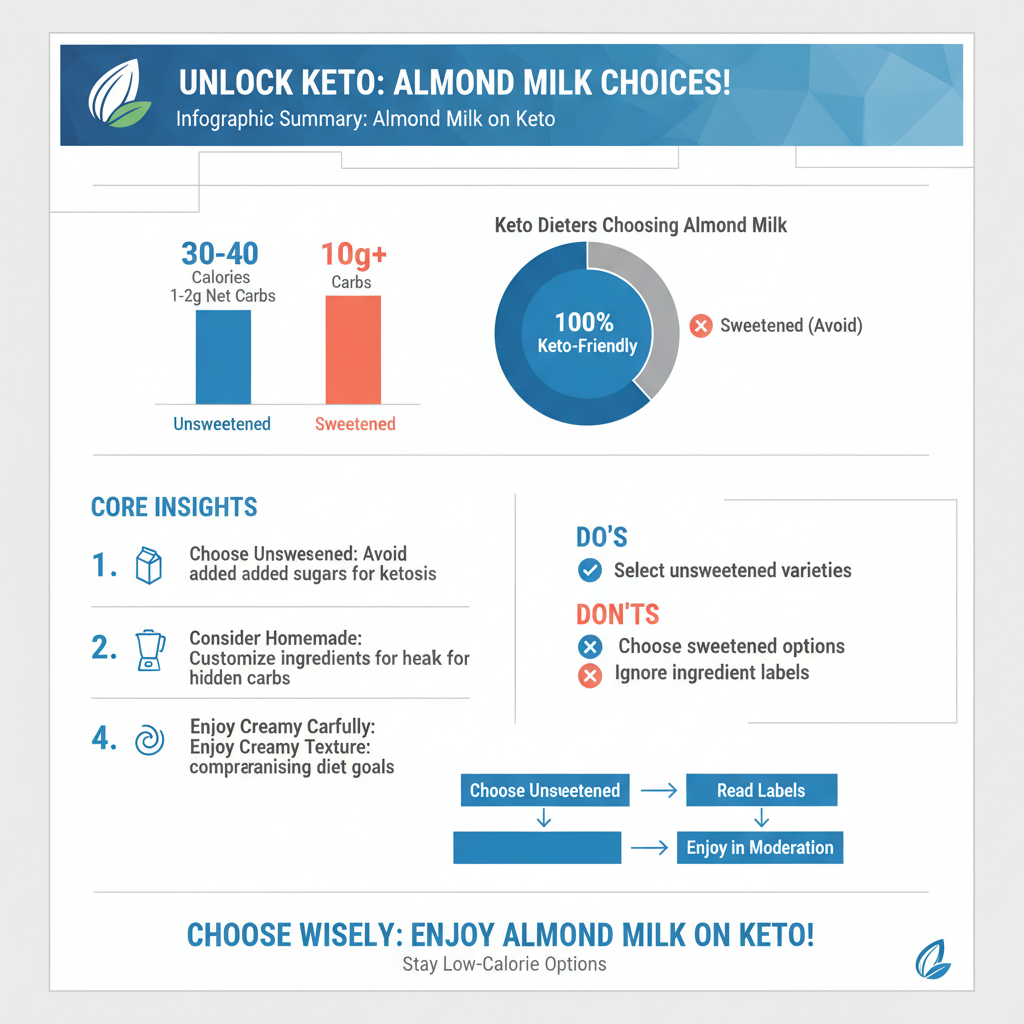
Almond milk is a plant-based milk alternative made from ground almonds and water. One of its primary attractions is its low-calorie and low-carbohydrate content, especially in unsweetened varieties. A standard serving size of unsweetened almond milk (approximately 1 cup) typically contains about 30-40 calories and 1-2 grams of net carbohydrates. This makes it an excellent choice for those adhering to a ketogenic diet, where the goal is to significantly reduce carbohydrate intake to encourage the body to burn fat for fuel.
In contrast, sweetened almond milks can contain added sugars, which can increase the carbohydrate count significantly—sometimes exceeding 10 grams of carbohydrates per cup. Therefore, it is crucial for keto dieters to focus on unsweetened options to align their dietary choices with their nutritional goals.
Types of Almond Milk Available
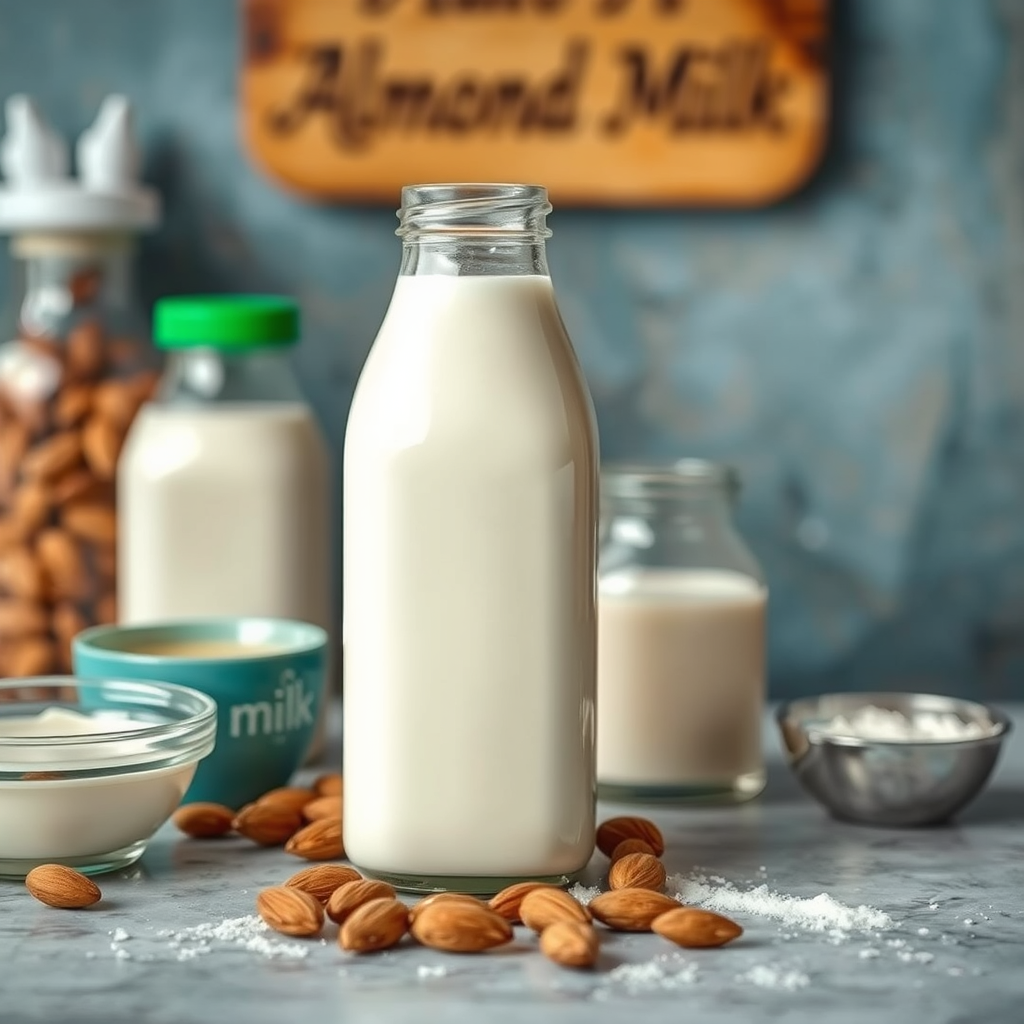
When selecting almond milk for a keto diet, it’s essential to understand the different types available in the market.
– Unsweetened vs. Sweetened: As mentioned earlier, unsweetened almond milk is the best choice for those on a keto diet. Sweetened versions often have added sugars and flavorings that contribute to higher carbohydrate counts, making them less suitable for maintaining ketosis. Always opt for unsweetened varieties, which allow you to enjoy the creamy texture without compromising your carbohydrate limits.
– Homemade vs. Store-Bought: Homemade almond milk offers the advantage of customization. You can control the ingredients and ensure it meets your dietary preferences. Homemade versions can be made by blending soaked almonds with water and then straining the mixture. This process allows you to avoid any unwanted additives or preservatives found in many commercial brands. However, store-bought options provide convenience and can still be a viable choice, provided you carefully read the ingredient labels.
Benefits of Almond Milk on a Keto Diet
Almond milk presents several notable benefits for individuals following a ketogenic diet:
– Low in Carbs and Calories: The low carbohydrate and calorie content of unsweetened almond milk makes it a great alternative to traditional dairy milk. This can help you maintain a calorie deficit, which is often necessary for weight loss on a keto diet.
– Rich in Nutrients: Almond milk is a good source of vitamins and minerals, particularly vitamin E, an antioxidant that helps protect your cells from oxidative stress. Additionally, it contains healthy fats, particularly monounsaturated fats, which can support heart health.
– Dairy-Free Option: For those who are lactose intolerant or allergic to dairy, almond milk serves as a suitable dairy alternative that does not compromise on taste or texture. This is particularly beneficial for keto dieters who may be looking to reduce their overall dairy consumption.
How to Incorporate Almond Milk into Your Keto Meals
Incorporating almond milk into your keto meals is both simple and versatile. Here are some practical ways to use it:
– Smoothies and Protein Shakes: Almond milk can enhance the creaminess of your smoothies or protein shakes without adding extra carbs. Combine it with keto-friendly ingredients like spinach, avocado, or low-carb protein powder to create a nutritious meal replacement.
– Cooking and Baking: Substitute regular milk with unsweetened almond milk in recipes for soups, sauces, and baked goods. For example, use it in creamy soups like broccoli cheddar or in keto-friendly pancake recipes to keep the carbohydrate content low.
– Coffee and Tea: Use almond milk as a creamer for your coffee or tea. It adds a delightful nutty flavor while keeping your daily carb intake in check. You can also froth it for a delicious cappuccino-style drink that’s keto-friendly.
Potential Drawbacks to Consider
While almond milk can be a beneficial addition to a keto diet, there are some potential drawbacks to keep in mind:
– Additives and Preservatives: Some commercially available almond milks may contain additives, thickeners, or preservatives that could detract from a clean keto approach. Ingredients like carrageenan or added sugars should be avoided. Always scrutinize the label to ensure you are making a healthy choice.
– Nut Allergies: For individuals with nut allergies, almond milk is not a viable option and should be avoided entirely. In such cases, exploring other non-dairy alternatives, such as coconut milk or hemp milk, may be necessary.
Tips for Choosing the Right Almond Milk
When shopping for almond milk, here are some tips to ensure you are making the best choice for your keto diet:
– Check the Label: Always examine the nutritional information for net carbs and the ingredient list. Look for options that have minimal ingredients and no added sugars.
– Opt for Unsweetened Varieties: Ensure that the almond milk you choose is labeled as “unsweetened.” This will help keep your carbohydrate intake low while still providing the benefits of almond milk.
– Consider Fortified Options: Some almond milks are fortified with additional vitamins and minerals, such as calcium and vitamin D. These can enhance the nutritional profile of your diet, making them a smart choice.
Almond milk can fit seamlessly into your keto diet if you choose the right kind. By exploring the various options available and experimenting with different recipes, you can enjoy its benefits while staying within your carbohydrate limits. Consider incorporating unsweetened almond milk into your daily routine to enhance your meals and support your ketogenic lifestyle.
Frequently Asked Questions
Can you have almond milk on a keto diet?
Yes, you can have almond milk on a keto diet, but it’s important to choose unsweetened varieties. Unsweetened almond milk typically contains only 1-2 grams of net carbs per cup, making it a low-carb option that fits well within the daily carb limit of a ketogenic diet. Always check the nutrition label to avoid added sugars that can increase the carb count.
What is the best almond milk for a keto diet?
The best almond milk for a keto diet is unsweetened almond milk, as it has the lowest carbohydrate content. Brands like Califia Farms and Silk offer low-carb options that are both delicious and keto-friendly. Additionally, look for brands fortified with vitamins and minerals to ensure you’re getting essential nutrients without the extra carbs.
How does almond milk compare to other non-dairy milk options on keto?
Almond milk is one of the most keto-friendly non-dairy milk options, particularly when compared to soy or oat milk, which can contain higher carb counts. For instance, unsweetened almond milk typically has 1-2 grams of net carbs per serving, whereas oat milk can have about 15 grams. If you’re following a strict keto diet, almond milk is often the preferred choice due to its low carb content.
Why is unsweetened almond milk better than sweetened for keto?
Unsweetened almond milk is better for keto because it contains significantly fewer carbohydrates than its sweetened counterparts. Sweetened almond milk can have upwards of 7-15 grams of carbs per serving due to added sugars, which can quickly exceed your daily carb limit on a keto diet. By choosing unsweetened versions, you can enjoy a creamy beverage without derailing your ketosis.
Can you make your own almond milk for keto, and how?
Yes, you can easily make your own almond milk for keto at home. To do this, soak 1 cup of raw almonds overnight, drain, and blend them with 4 cups of water until smooth. Strain the mixture through a cheesecloth or nut milk bag to separate the almond pulp from the liquid. This homemade almond milk is naturally low in carbs and free from additives, making it a perfect fit for your ketogenic lifestyle.
References
- https://www.healthline.com/nutrition/keto-diet-foods
- Oral STDs: Pictures, types, symptoms, treatment, and prevention
- https://www.ncbi.nlm.nih.gov/pmc/articles/PMC6520694/
- https://www.verywellfit.com/keto-diet-foods-5194795
- https://www.clevelandclinic.org/health/diet-nutrition/what-is-the-keto-diet
- https://www.nutrition.gov/topics/whats-food/keto-diet
- Ketogenic.com | Start, Succeed & Sustain a Keto Diet
- https://www.mayoclinic.org/healthy-lifestyle/nutrition-and-healthy-eating/expert-answers/keto-diet/faq-20452883