

Eating sweet potatoes on a keto diet is generally not recommended due to their high carbohydrate content. While they are nutritious and offer numerous health benefits, individuals adhering to a strict ketogenic regimen should limit their intake to maintain ketosis. This article will explore the reasons behind this recommendation, alternative low-carb options, and how to incorporate sweet potatoes wisely if you choose to indulge.
Understanding the Keto Diet

The ketogenic diet, often referred to as the keto diet, is a low-carbohydrate, high-fat eating plan designed to shift the body’s metabolism from burning glucose to burning fat for fuel. This metabolic state, known as ketosis, is achieved by significantly reducing carbohydrate intake—typically to about 20-50 grams per day. By limiting carbs, the body is forced to utilize fat stores for energy, which can lead to weight loss and other health benefits, such as improved mental clarity and reduced inflammation. However, for individuals on this diet, every carbohydrate source, including fruits and vegetables, must be carefully considered, as exceeding daily carb limits can hinder the process of entering or maintaining ketosis.
Nutritional Profile of Sweet Potatoes
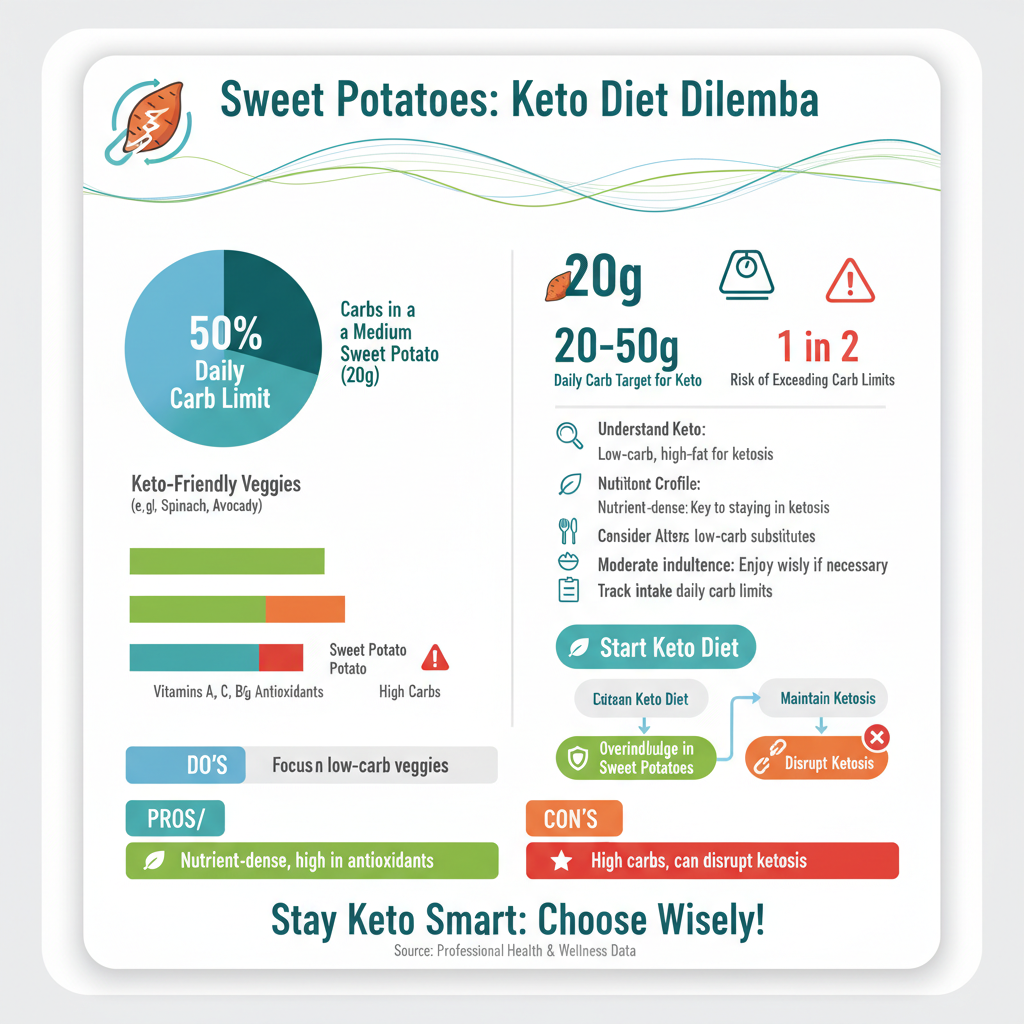

Sweet potatoes are beloved for their natural sweetness and versatility in various culinary applications. A medium-sized sweet potato contains approximately 20 grams of carbohydrates, which can account for a significant portion of the daily carb allowance on a keto diet. In addition to their carbohydrate content, sweet potatoes boast a rich nutritional profile, offering vitamins A, C, and B6, along with essential minerals and dietary fiber. The high antioxidant content found in sweet potatoes contributes to various health benefits, including improved eye health and enhanced immune function. However, despite their nutritional advantages, the high carbohydrate content makes them a challenging choice for those aiming to adhere strictly to a ketogenic lifestyle.
Carbohydrates vs. Keto Goals
One of the key principles of the keto diet is the careful monitoring of carbohydrate intake to ensure that the body remains in ketosis. Consuming sweet potatoes can quickly push an individual’s carb intake beyond the recommended daily limit, making it difficult to achieve or maintain ketosis. For example, incorporating just one medium sweet potato could use up nearly half of the daily carb allowance for someone on a strict keto plan. This is particularly concerning for individuals who are just starting their keto journey or are looking to maximize fat burning for weight loss or other health goals. Therefore, it is essential to be aware of how even small amounts of higher-carb foods like sweet potatoes can impact overall dietary goals.
Alternatives to Sweet Potatoes
Fortunately, there are several low-carb vegetable alternatives that can provide similar textures and flavors without the high carbohydrate content associated with sweet potatoes. For instance, cauliflower is an incredibly versatile vegetable that can be used to make cauliflower mash or rice, mimicking the texture of starchy side dishes. Zucchini is another excellent option, which can be spiralized into noodles or sliced for grilling. Broccoli, with its rich fiber and nutrient content, serves as a fantastic side that complements many dishes while keeping carb counts low. By incorporating these alternatives, individuals on a keto diet can enjoy satisfying meals while adhering to their carbohydrate restrictions.
Occasional Inclusion of Sweet Potatoes
If you are keen on including sweet potatoes in your diet, it is possible to do so occasionally and in moderation. The key lies in portion control and meal planning. For instance, consider only consuming a small portion—perhaps a quarter of a medium sweet potato—while ensuring your overall meal remains low in carbohydrates. Additionally, pairing sweet potatoes with high-fat foods, such as avocado or a fatty protein source like salmon, can help balance out the carb intake and minimize the impact on ketosis. It’s crucial to monitor your body’s response and adjust your overall carb consumption to accommodate this occasional treat.
Tips for a Successful Keto Diet
To thrive on a keto diet, focus on incorporating whole foods, healthy fats, and low-carb vegetables into your meals. Quality fats, such as olive oil, avocados, and nuts, should be prioritized as they will provide essential nutrients and promote satiety. Additionally, keeping a close eye on your macronutrient ratios—specifically the balance of fats, proteins, and carbohydrates—will help you stay on track. Utilizing apps or food diaries can be beneficial for tracking daily intake and ensuring that you remain within your personal carbohydrate limits. Regularly reassessing and adjusting your food choices will further support your long-term success on the keto diet.
In summary, while sweet potatoes are indeed nutritious, they are not an ideal choice for those strictly adhering to a ketogenic diet due to their high carbohydrate content. If you wish to enjoy sweet potatoes occasionally, moderation and careful meal planning are key. By prioritizing low-carb alternatives and monitoring your daily carbohydrate intake, you can successfully maintain the principles of the keto diet while still enjoying a variety of flavors and nutrients in your meals.
Frequently Asked Questions
Can you eat sweet potatoes on a keto diet?
Sweet potatoes are generally not recommended on a keto diet due to their high carbohydrate content. A typical medium sweet potato contains about 20-25 grams of carbohydrates, which can quickly exceed the daily carb limit for those following a strict ketogenic diet. Instead, consider alternative low-carb vegetables like cauliflower or zucchini to stay within your carb goals while still enjoying nutritious options.
What are the best low-carb alternatives to sweet potatoes for a keto diet?
If you’re looking for low-carb substitutes for sweet potatoes on a keto diet, consider options like cauliflower, which can be mashed, riced, or roasted, providing a similar texture without the high carbs. Other great alternatives include turnips, rutabagas, and spaghetti squash, which can all be prepared in various ways to mimic the taste and feel of sweet potatoes while keeping your carb intake low.
Why are sweet potatoes considered high in carbs?
Sweet potatoes are classified as a starchy vegetable, which means they contain a significant amount of carbohydrates. One medium sweet potato can have around 20-25 grams of carbs, primarily from starches and sugars. This high carbohydrate level can hinder the body’s ability to enter ketosis, the metabolic state sought after in a ketogenic diet, where the body burns fat for fuel instead of carbohydrates.
How can I enjoy sweet potatoes without disrupting my keto diet?
If you really crave sweet potatoes while on a keto diet, consider consuming them in moderation or in small portions as part of a low-carb meal plan. Pairing a small amount with high-fat foods or protein can help mitigate the impact of carbs on your overall intake. Additionally, keep your other meals lower in carbs throughout the day to maintain your daily carbohydrate goals.
Which keto-friendly foods can complement sweet potatoes in a meal?
If you decide to include sweet potatoes in your diet occasionally, you can complement them with high-fat, low-carb foods to maintain a balanced keto meal. Foods like avocado, grass-fed butter, or coconut oil can enhance the flavor and texture while adding healthy fats. Additionally, pairing sweet potatoes with protein sources such as grilled chicken or steak can help create a satisfying and nutritious meal without derailing your keto goals.
References
- https://www.healthline.com/nutrition/sweet-potato-keto
- Oolong tea: Health benefits and risks
- https://www.dietdoctor.com/low-carb/keto/sweet-potatoes
- https://www.ncbi.nlm.nih.gov/pmc/articles/PMC6520964/
- https://www.ketodietapp.com/Blog/lchf/Are-Sweet-Potatoes-Keto-Friendly
- https://www.verywellfit.com/are-sweet-potatoes-keto-friendly-5192205