

Eating squash on a keto diet is possible, but it requires careful consideration of the type of squash and portion sizes. While some varieties are higher in carbohydrates, others can fit into your low-carb meal plan. This article will provide you with a detailed understanding of the different types of squash, their carbohydrate content, nutritional benefits, and practical ways to incorporate them into your keto lifestyle.
Understanding Squash Varieties
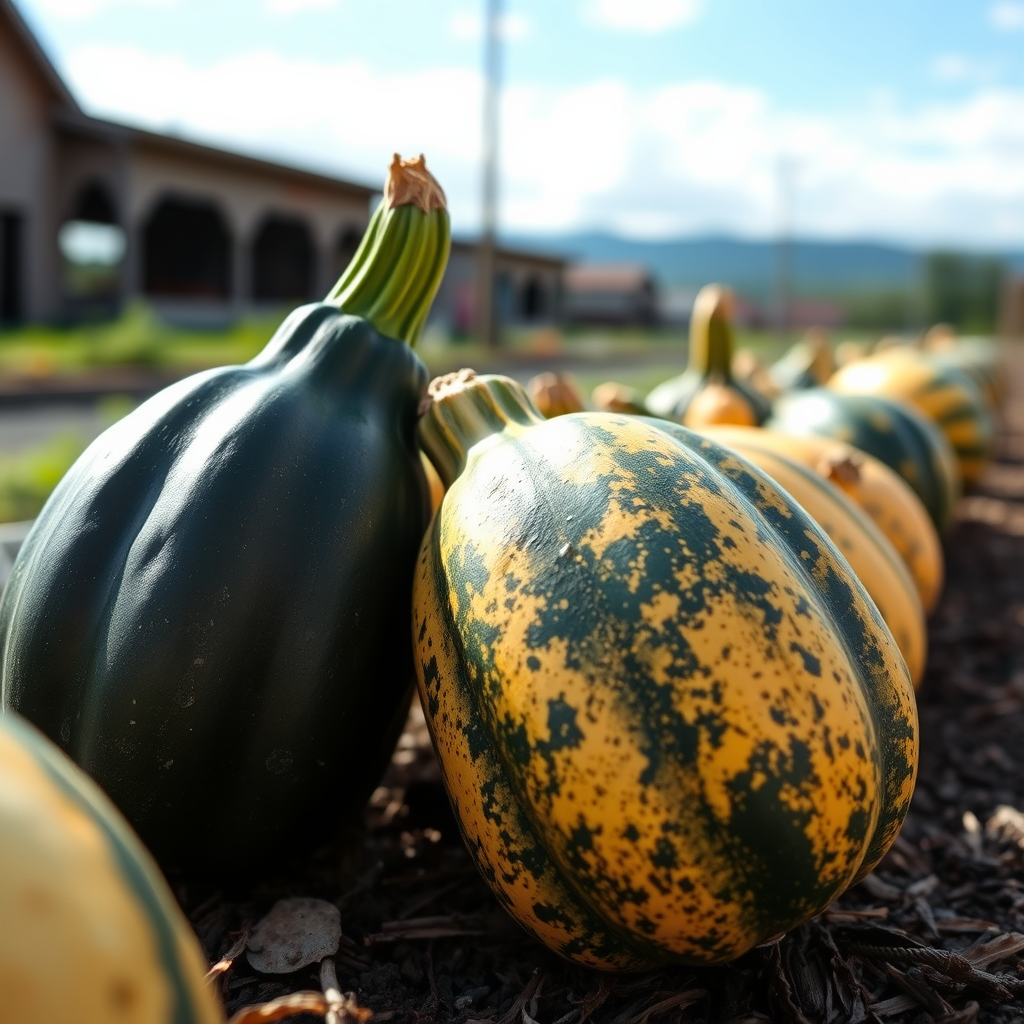
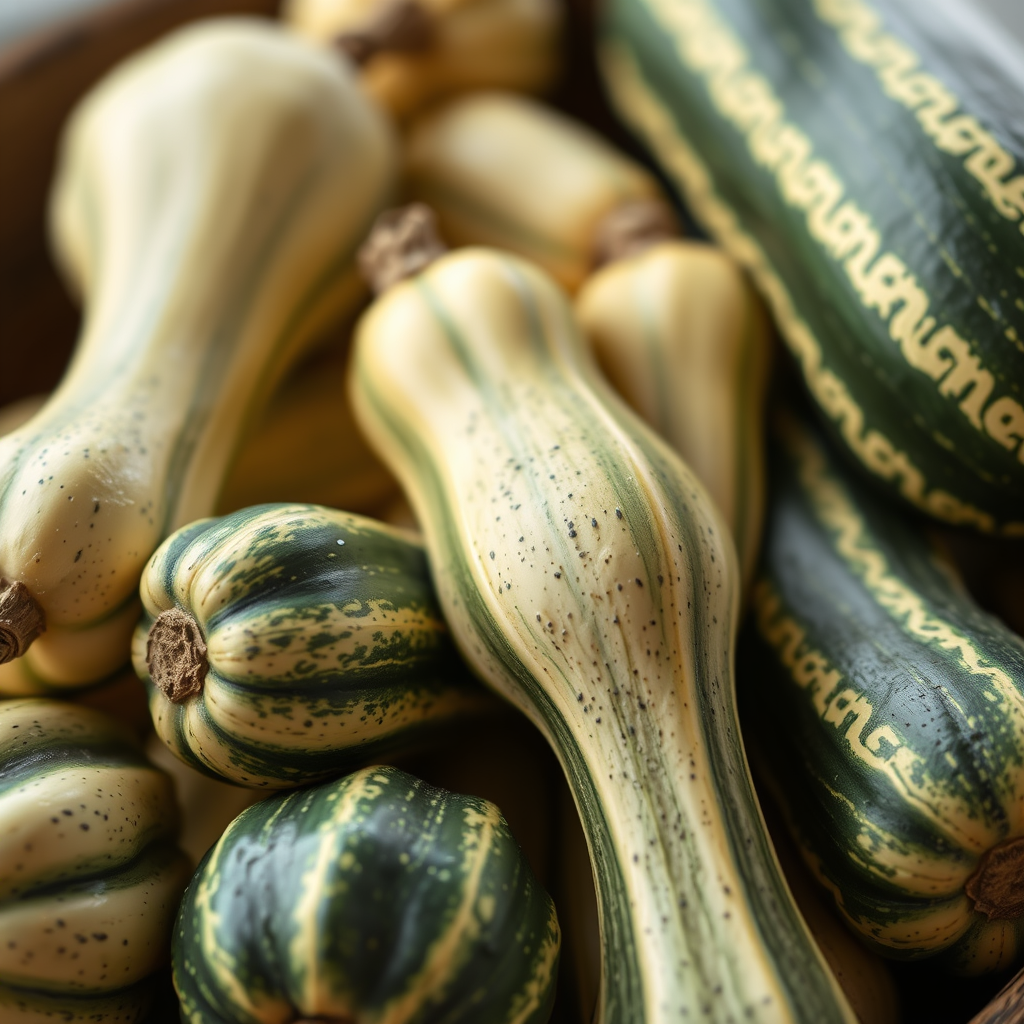
Squash is a versatile vegetable that can be broadly categorized into two main types: summer squash and winter squash. Summer squash, which includes zucchini and yellow squash, is typically harvested when it is still immature, resulting in tender flesh and a thin skin. This type generally contains fewer carbohydrates, making it a more suitable option for those following a ketogenic diet. In contrast, winter squash, such as butternut and acorn squash, is harvested when fully mature, and although it offers a rich flavor and texture, it often comes with a higher carbohydrate count.
The carbohydrate content varies significantly between these varieties. Summer squash, like zucchini, can be incorporated into your meals with relative ease, while winter squash may require more careful portion control. Understanding these distinctions is crucial for anyone on a keto diet aiming to maintain their daily carb limits while still enjoying the culinary delights that squash has to offer.
Carb Counts of Popular Squash
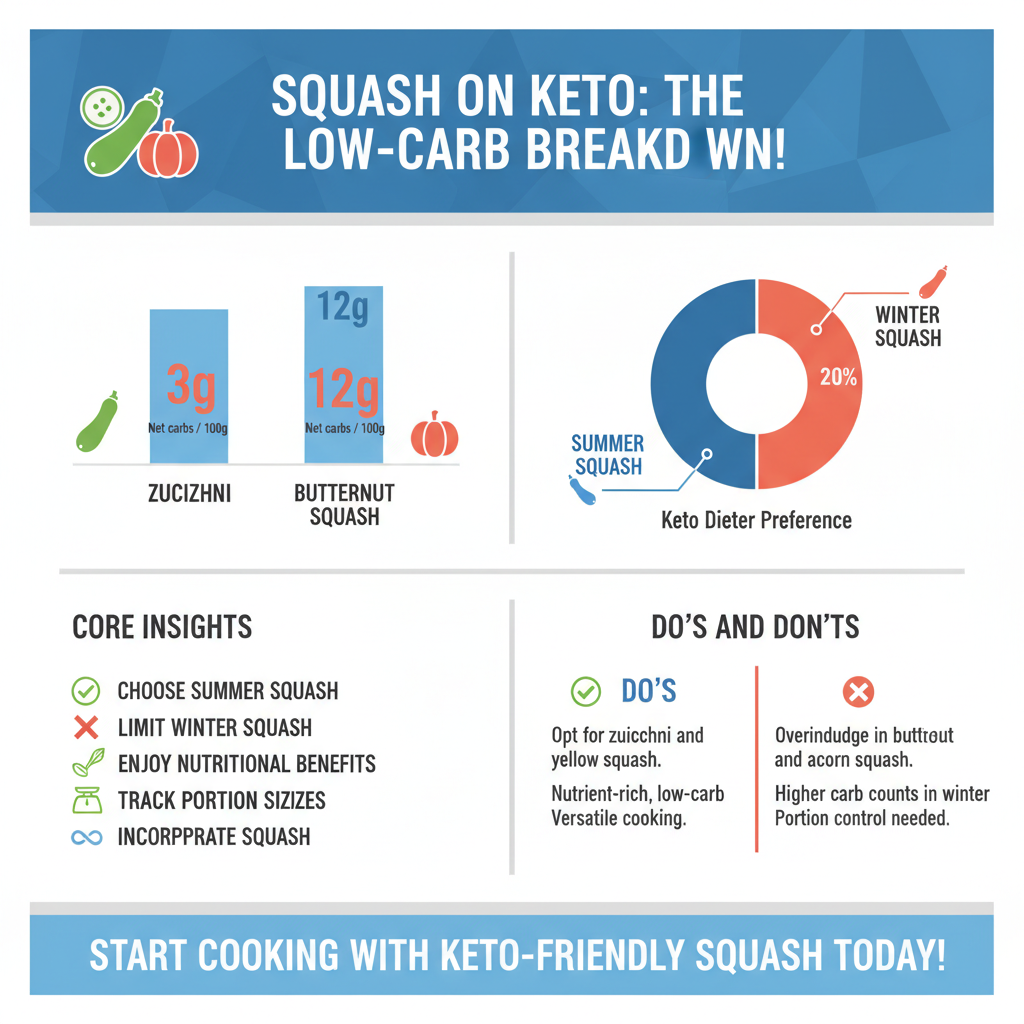
When evaluating squash options for a keto diet, it’s essential to consider their carbohydrate content. For instance, zucchini is a popular choice among keto enthusiasts, containing approximately 3 grams of net carbs per 100 grams. This low carb count makes zucchini an excellent substitute for traditional pasta or as a base for various dishes.
Conversely, winter squash tends to be higher in carbohydrates. Butternut squash, for example, contains about 12 grams of net carbs per 100 grams. While this makes it a less ideal choice for strict keto practitioners, it can still be enjoyed in moderation. Understanding these carb counts allows you to make informed decisions about which squash varieties can fit into your daily meal plan while adhering to your keto lifestyle.
Nutritional Benefits of Squash
Beyond their carb profiles, squash offers a wealth of nutritional benefits that can complement a keto diet. Both summer and winter squash are rich in vitamins such as vitamin A and vitamin C, which are essential for maintaining healthy skin, vision, and immune function. Additionally, squash contains significant amounts of potassium and magnesium, minerals that play a critical role in various bodily functions, including muscle contractions and nerve signaling.
Moreover, squash is high in fiber, which is particularly beneficial for digestion. Fiber can help you feel fuller for longer, aiding in weight management—a key component of the keto diet. By incorporating squash into your meals, you not only diversify your food options but also enhance your nutrient intake, supporting overall health.
Incorporating Squash into a Keto Diet
To effectively integrate squash into your keto diet, consider these practical tips. Zucchini is incredibly versatile; one popular method is spiralizing it to create healthy, low-carb pasta alternatives. You can sauté or grill it, adding a variety of herbs and spices to enhance flavor without increasing carb content. For winter squash, such as butternut squash, roasting in moderation is a great option. Just be mindful of portion sizes—keeping servings to about 50 grams can help you enjoy its flavor while staying within your carb limits.
Another way to incorporate squash is by adding it to soups and stews, where it can provide a hearty texture and flavor without overwhelming your carb intake. Always aim to balance your meals with plenty of protein and healthy fats, ensuring that your overall macronutrient ratios remain aligned with your keto goals.
Alternatives to Squash on Keto
While squash can be a delightful addition to a keto diet, there are also several low-carb vegetable alternatives worth exploring. Cauliflower is a popular substitute, often used to make rice or pizza crusts. Broccoli and leafy greens, such as spinach and kale, are also excellent options that can add variety and essential nutrients to your meals without significantly increasing carbohydrate intake.
Additionally, there are numerous keto-friendly recipes that can replace squash in your diet. For instance, using cauliflower to create a creamy sauce or as a base for casseroles can provide a satisfying texture while keeping your meals low in carbs. Exploring these alternatives can help you maintain a diverse and enjoyable meal plan while adhering to your dietary restrictions.
Meal Prep Ideas with Squash
To make squash a practical part of your keto meal planning, consider some quick and easy recipes. Zucchini fritters are a delicious option that can be prepared in advance and enjoyed as a snack or side dish. Simply shred zucchini, mix it with eggs, cheese, and seasonings, and pan-fry until golden brown.
Stuffed zucchini boats are another creative meal prep idea. Hollow out zucchini halves and fill them with a mixture of ground meat, cheese, and spices before baking. This dish not only provides a low-carb meal but also allows for customization based on your taste preferences.
Batch cooking and storing are key components of successful meal preparation. Cooked squash can be stored in the refrigerator for several days, allowing you to quickly assemble meals throughout the week. Creating a variety of dishes using squash can help you stay motivated and committed to your keto lifestyle.
Incorporating squash into your keto lifestyle can be beneficial if you choose the right types and manage your portions. By understanding the carb content and exploring creative ways to prepare it, you can enjoy squash while staying within your dietary goals. For more tips and recipes, consider exploring other low-carb vegetable options that can enhance your meals.
Frequently Asked Questions
Can you eat squash on a keto diet?
Yes, you can eat squash on a keto diet, but moderation is key. While some types of squash, like zucchini and yellow squash, are lower in carbohydrates and can fit into your daily carb limit, others like butternut and acorn squash are higher in carbs. It’s essential to track your carbohydrate intake and choose the right types of squash to maintain ketosis.
Which types of squash are best for keto?
The best types of squash for a keto diet are zucchini, yellow squash, and spaghetti squash. These varieties are lower in carbohydrates and can be used as substitutes for higher-carb ingredients. For instance, spaghetti squash can replace traditional pasta, while zucchini can be spiralized into noodles, providing a delicious and keto-friendly meal option.
How many carbs are in different types of squash?
The carbohydrate content in squash varies significantly by type. For example, one cup of cooked zucchini contains approximately 4 grams of net carbs, whereas one cup of cooked butternut squash has about 16 grams of net carbs. Knowing the carb counts can help you make informed decisions about including squash in your keto meal plan without exceeding your daily carbohydrate limit.
Why is it important to monitor squash intake on keto?
Monitoring squash intake on a keto diet is crucial because not all squash has the same carbohydrate content. While some varieties can be enjoyed in moderation, others may quickly use up your daily carb allowance, potentially knocking you out of ketosis. By keeping track of your intake, you can enjoy the nutritional benefits of squash while adhering to your diet goals.
What are some keto-friendly recipes using squash?
There are many delicious keto-friendly recipes that incorporate squash! You can prepare zucchini noodles tossed with pesto for a quick meal, roast spaghetti squash with herbs and olive oil as a side dish, or make stuffed yellow squash filled with ground meat and cheese. These recipes not only keep your carb count low but also offer a variety of flavors and textures to your keto menu.
References
- https://www.healthline.com/nutrition/foods-to-eat-on-keto
- https://www.medicalnewstoday.com/articles/foods-to-eat-on-keto
- https://www.ketodietapp.com/Blog/post/2020/06/15/Best-and-Worst-Vegetables-for-Keto-Diet
- Keto Vegetables – The Visual Guide to the Best and Worst – Diet Doctor
- https://www.ncbi.nlm.nih.gov/pmc/articles/PMC7019962/
- https://www.webmd.com/diet/obesity/what-to-eat-on-keto-diet
- https://www.verywellfit.com/keto-diet-food-list-5078400