

Yes, tomatoes can be included in a keto diet, but moderation is key due to their carb content. While tomatoes are often thought of as a high-carb food, they can fit into a ketogenic lifestyle when consumed mindfully. In this article, we will explore the nutritional profile of tomatoes, how they align with a ketogenic diet, and effective strategies for integrating them into your meals without exceeding your carbohydrate limits.
Nutritional Profile of Tomatoes
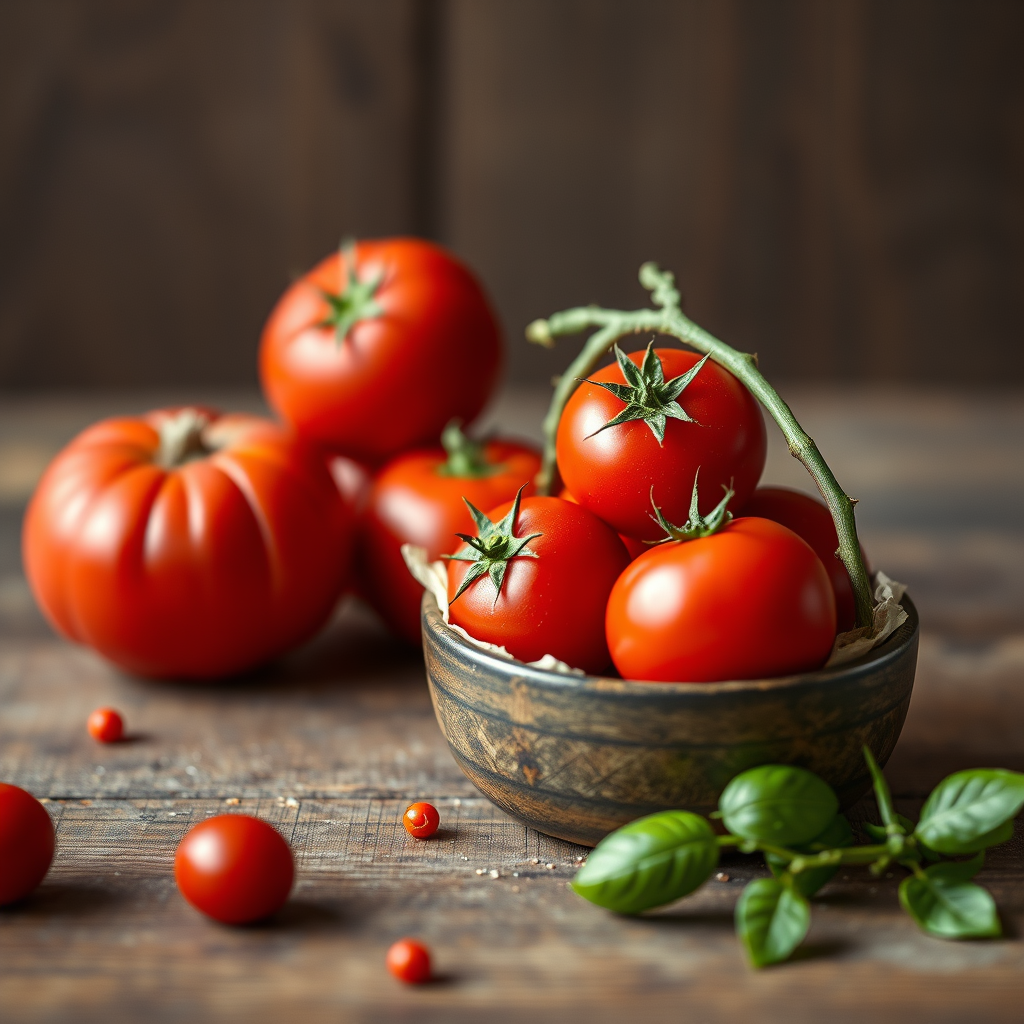
Tomatoes are a nutrient-dense food with a low-calorie count, making them an excellent choice for those following a keto diet. A 100-gram serving of tomatoes contains approximately 22 calories, allowing for generous portions without significantly impacting your caloric intake. The carbohydrate content is about 3.9 grams per 100 grams, which is manageable within a ketogenic framework. Importantly, 1.2 grams of this total are dietary fiber, which does not count towards net carbohydrates.
For those on a keto diet, net carbs are calculated by subtracting fiber from total carbohydrates, leading to a net carb count of about 2.7 grams per 100 grams of tomatoes. This low net carb count makes tomatoes a viable option, provided they are consumed in moderation and balanced with other low-carb foods.
Types of Tomatoes and Their Carb Counts
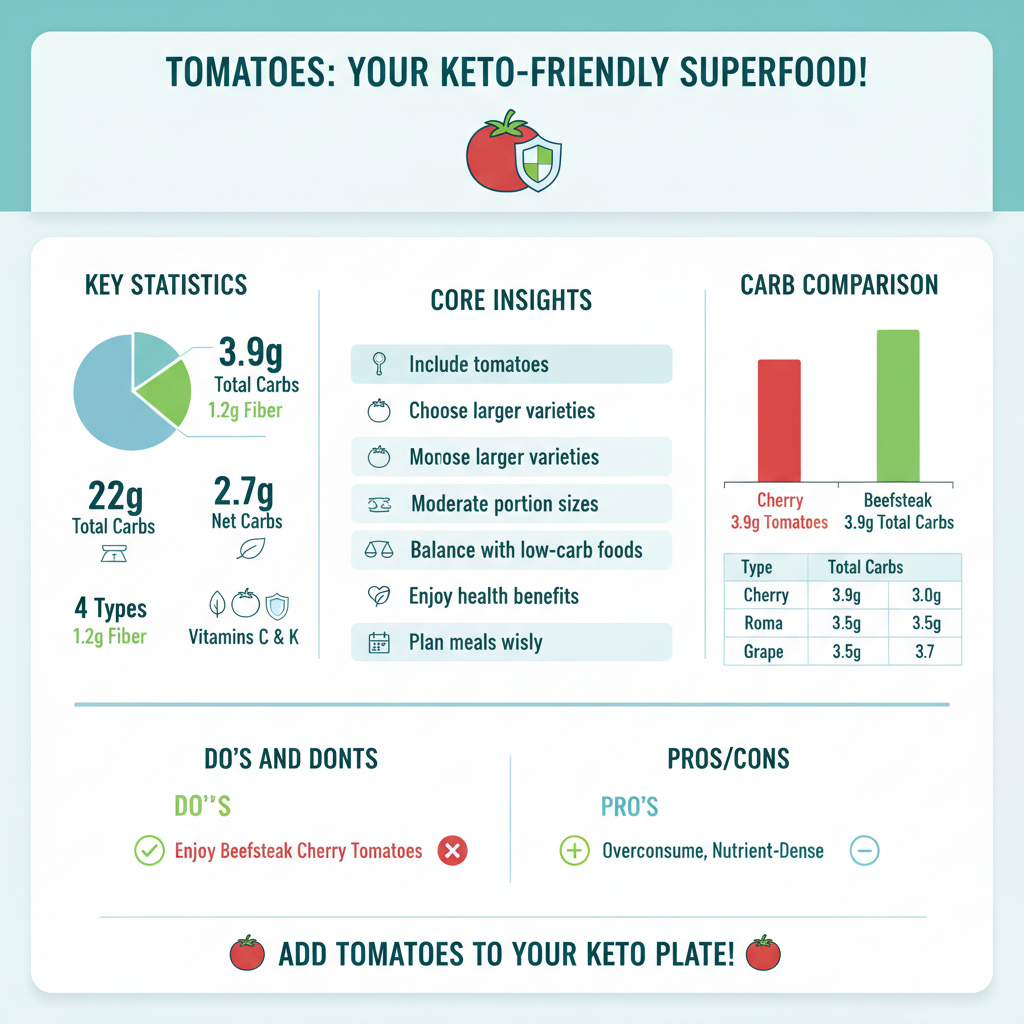
Not all tomatoes are created equal, and various types come with different carbohydrate levels. For example, cherry tomatoes and grape tomatoes tend to have higher sugar content compared to larger varieties like beefsteak or heirloom tomatoes. Here’s a quick breakdown of some common types of tomatoes and their approximate carb counts per 100 grams:
– Cherry Tomatoes: Approximately 3.9 grams of carbohydrates.
– Grape Tomatoes: Roughly 4.0 grams of carbohydrates.
– Beefsteak Tomatoes: About 3.0 grams of carbohydrates.
– Roma Tomatoes: Approximately 3.3 grams of carbohydrates.
Understanding the carb count of each variety helps you make informed choices when planning your meals. Opting for larger varieties like beefsteak or Roma can allow you to enjoy more volume without significantly increasing your carb intake.
Health Benefits of Tomatoes
Tomatoes are not only low in calories and carbohydrates but also boast a wealth of health benefits. They are rich in vitamins C and K, both of which are essential for immune function and bone health. Vitamin C acts as a potent antioxidant, while vitamin K plays a crucial role in blood clotting and bone metabolism.
One of the standout components of tomatoes is lycopene, a powerful antioxidant linked to several health benefits, including improved heart health. Research suggests that lycopene may help lower blood pressure, reduce cholesterol levels, and combat inflammation. Including tomatoes in your diet could thus contribute to better cardiovascular health and overall well-being.
Additionally, the hydration content of tomatoes (about 95% water) can aid in maintaining hydration levels, making them an excellent choice for those who may struggle to drink enough fluids, especially on a keto diet where hydration is essential due to changes in water retention.
How to Incorporate Tomatoes into a Keto Diet
Incorporating tomatoes into a keto diet can be both delicious and straightforward. Here are several practical ways to enjoy tomatoes while keeping your carbohydrate intake in check:
1. Salads: Add sliced tomatoes to leafy green salads, pairing them with ingredients like avocado and olive oil to enhance healthy fat intake. A simple salad with arugula, cherry tomatoes, avocado, and a drizzle of balsamic vinegar can be both satisfying and nutritious.
2. Soups and Sauces: Use tomatoes as the base for keto-friendly soups and sauces. A homemade tomato basil soup can be prepared without added sugars, and tomato sauce can be used for low-carb pasta alternatives or as a pizza base on cauliflower crust.
3. Stuffed Tomatoes: Hollow out larger tomatoes and fill them with a mixture of ground meats, cheese, and herbs for a keto-friendly meal option. This method allows you to enjoy the flavor of tomatoes while keeping your carb count low.
4. Salsas and Dips: Fresh salsa made from chopped tomatoes, onions, cilantro, and lime juice can enhance various dishes. Pair it with low-carb crackers or vegetables for a satisfying snack.
5. Mindful Portion Sizes: Always be aware of the quantity consumed. While tomatoes are low in net carbs, moderation is essential. A serving size of 100-150 grams is typically safe for most individuals on a keto plan.
Potential Drawbacks of Tomatoes on Keto
While tomatoes can be included in a ketogenic diet, there are potential drawbacks to consider. The primary concern is the carbohydrate content. If you consume too many tomatoes, you risk exceeding your daily carb limit, which can hinder ketosis—a state in which your body burns fat for fuel instead of carbohydrates.
Another consideration is that some individuals may experience digestive issues when consuming tomatoes in large quantities. This can manifest as bloating or discomfort, particularly for those with sensitivities to nightshades, a family of plants that includes tomatoes. If you have any concerns about digestive reactions, it’s wise to monitor your intake and consult a healthcare professional.
Alternatives to Tomatoes on Keto
If you find that tomatoes do not work well for your dietary needs or preferences, there are several low-carb alternatives you can explore:
– Bell Peppers: With their vibrant colors and sweet flavor, bell peppers are an excellent substitute in salads or salsas. They provide a similar crunch and can easily be used in cooking.
– Cucumbers: These hydrating vegetables can replace tomatoes in salads and are especially refreshing in summer dishes.
– Zucchini: Spiralized zucchini can serve as a low-carb pasta alternative, and when cooked down, it can create a hearty base for sauces.
– Tomato-Flavored Products: If you enjoy the essence of tomatoes but want to limit carb intake, consider using tomato paste or sauce in moderation. Be sure to check labels for added sugars or ingredients that could increase the carb count.
In summary, tomatoes can be a delicious and nutritious part of a keto diet when consumed in moderation. They offer a wealth of health benefits, including essential vitamins and antioxidants that support overall health. By understanding their carb content and incorporating them wisely into your meals, you can enjoy their benefits without compromising your dietary goals. Start experimenting with different tomato varieties in your meals today, and discover how they can enhance both flavor and nutrition in your keto journey!
Frequently Asked Questions
Are tomatoes low in carbohydrates, making them suitable for a keto diet?
Yes, tomatoes are relatively low in carbohydrates, which makes them suitable for a keto diet. A medium-sized tomato contains about 4-5 grams of carbohydrates, with approximately 1.5 grams of fiber, resulting in a net carb count of around 3 grams. This low net carb content allows tomatoes to fit comfortably within the daily carbohydrate limits typically recommended for those following a ketogenic lifestyle.
How can I incorporate tomatoes into my keto meal plan?
You can incorporate tomatoes into your keto meal plan in various ways, such as adding fresh tomatoes to salads, using tomato slices in sandwiches or wraps made with low-carb bread, and incorporating tomato-based sauces in moderation. Additionally, roasted or sautéed tomatoes can enhance the flavor of dishes like omelets or stir-fries, providing both taste and nutritional benefits while keeping your carb count in check.
Which types of tomatoes are best for a keto diet?
The best types of tomatoes for a keto diet include cherry tomatoes, grape tomatoes, and Roma tomatoes, as they tend to have lower sugar content compared to larger varieties. Cherry and grape tomatoes can serve as healthy snacks or add-ins to salads, while Roma tomatoes are excellent for making sauces or salsas. Always be mindful of portion sizes, as consuming larger quantities can increase your carb intake.
Why should I choose fresh tomatoes over canned or processed tomato products on a keto diet?
Choosing fresh tomatoes over canned or processed products is advisable on a keto diet because fresh tomatoes generally contain fewer additives and preservatives, which can sometimes include added sugars. Canned tomato products, like sauces and pastes, may also have higher carb counts, depending on the brand and preparation. Opting for fresh tomatoes helps you control your carbohydrate intake and enjoy the full range of nutrients present in this versatile fruit.
Can eating tomatoes affect ketosis?
Eating tomatoes in moderation is unlikely to affect ketosis for most individuals on a keto diet due to their low net carb content. However, if consumed in large quantities, the carbs from tomatoes could potentially lead to exceeding your daily carb limit, which may kick you out of ketosis. It’s essential to track your overall carbohydrate intake and balance your diet with other low-carb foods to maintain ketosis effectively.
References
- Ketogenic diet
- https://www.healthline.com/nutrition/are-tomatoes-keto
- Why does olive oil keep heart attack and stroke at bay?
- https://www.ncbi.nlm.nih.gov/pmc/articles/PMC6520887/
- https://www.dietdoctor.com/low-carb/keto/tomatoes
- USDA
- https://www.cdc.gov/nutrition/index.html
- https://www.mayoclinic.org/healthy-lifestyle/nutrition-and-healthy-eating/expert-answers/keto-diet/faq-20432592