
Rice noodles are not considered keto-friendly due to their high carbohydrate content. If you’re following a ketogenic diet, it’s essential to understand the nutritional breakdown of rice noodles and explore suitable alternatives. This article will delve into why rice noodles may not fit into a low-carb lifestyle and suggest options that can satisfy your cravings without derailing your diet.
Understanding the Keto Diet
The primary goal of the keto diet is to minimize carbohydrate intake and promote fat burning. This dietary approach typically involves significantly reducing carbs to a daily intake of around 20-50 grams, a target that rice noodles can easily exceed in just one serving. The ketogenic diet encourages the body to enter a state of ketosis, where it burns fat for fuel instead of carbohydrates. This metabolic shift can lead to weight loss, improved energy levels, and enhanced mental clarity. However, the effectiveness of this diet hinges on strict adherence to low carbohydrate consumption, making it critical to analyze the carbohydrate content of foods like rice noodles.
In the context of this diet, it’s important to recognize that traditional noodle options, including rice noodles, can derail your progress. Their high carb content not only spikes blood sugar levels but can also prompt cravings for additional carbohydrates, which can be detrimental for those trying to maintain a state of ketosis. Understanding these fundamentals sets the stage for making informed dietary choices.
Nutritional Breakdown of Rice Noodles
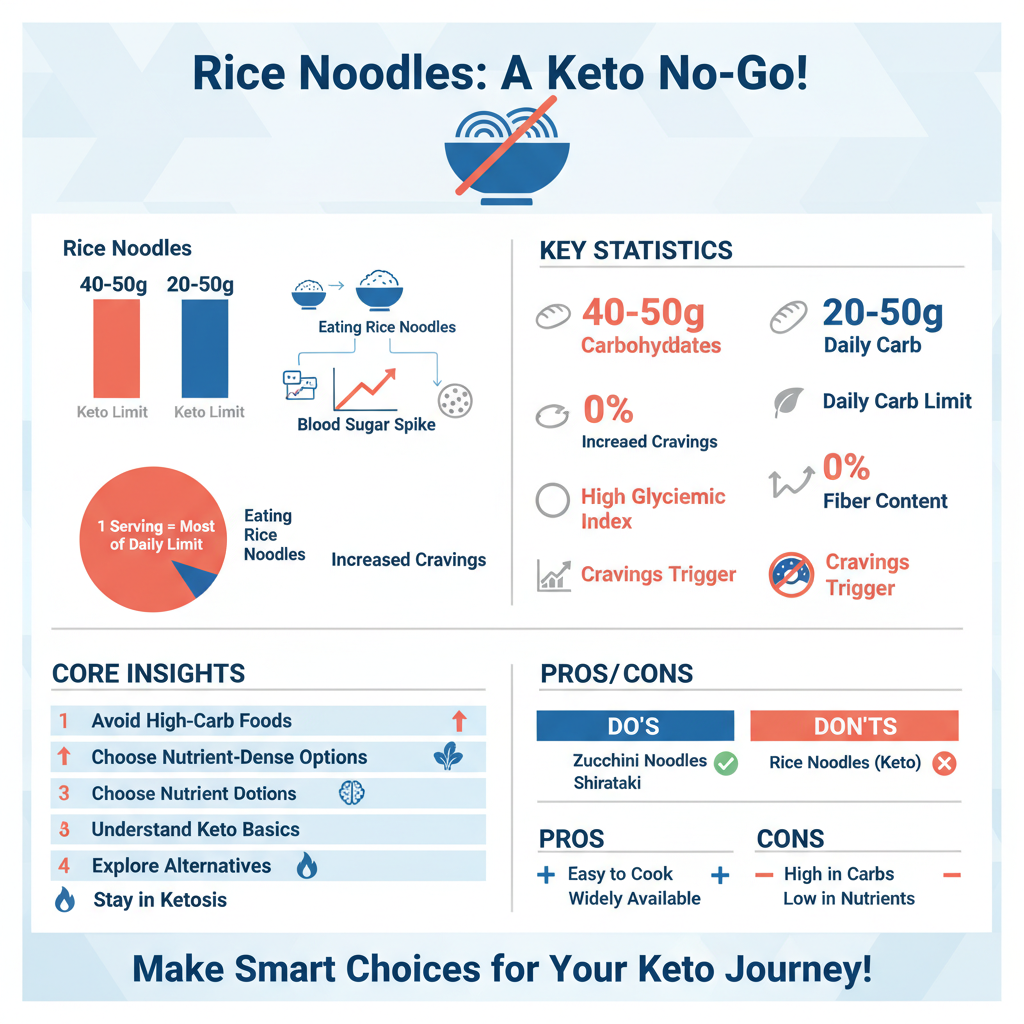
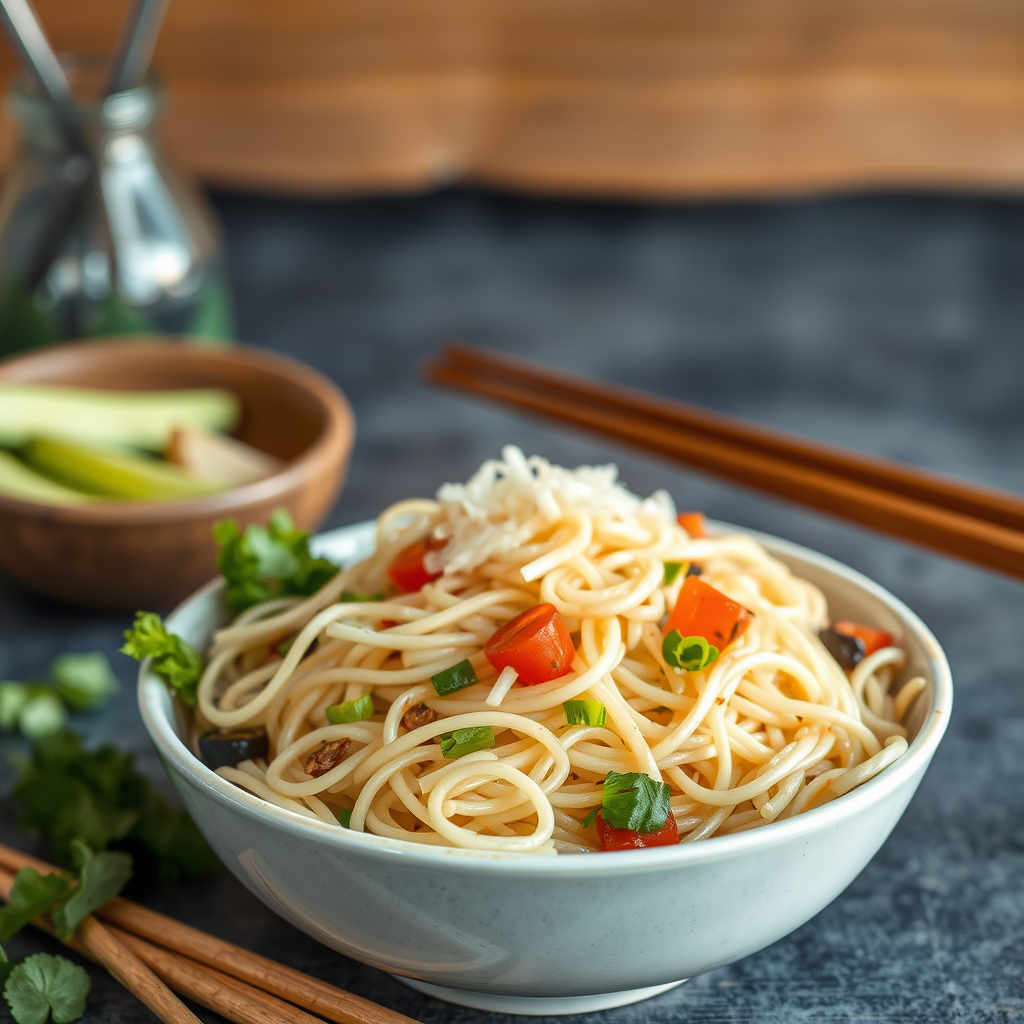
A standard serving of rice noodles contains approximately 40-50 grams of carbohydrates, which is a significant portion of the daily carb limit for anyone adhering to a ketogenic diet. To put this into perspective, consuming rice noodles could potentially consume all or most of your allotted carbs for the day in one meal. Additionally, rice noodles are low in fiber and protein, two essential components of a balanced keto diet that help promote satiety and regulate digestion.
For instance, while whole grain options may provide slightly more fiber, rice noodles typically lack the nutritional density that is necessary for a sustaining diet. They are primarily made from rice flour and water, and this composition contributes to their high glycemic index. Consequently, they can lead to rapid spikes in blood sugar and insulin levels, making them unsuitable for anyone looking to control their carb intake.
Alternatives to Rice Noodles
Fortunately, there are several low-carb alternatives to rice noodles that can be used in various dishes without compromising your dietary goals.
– Shirataki noodles: Made from the konjac yam, these noodles are extremely low in carbohydrates and calories, often containing less than 1 gram of carbs per serving. Their unique texture makes them a versatile substitute in soups, stir-fries, and salads. They are also gluten-free and have a high water content, which can help with hydration.
– Zucchini noodles (zoodles): This alternative is not only low in carbs but also rich in vitamins and minerals. Zoodles can easily be made at home using a spiralizer or purchased pre-made. They can be used as a base for sauces or incorporated into stir-fries and casseroles. Additionally, zucchini is a great source of Vitamin C and antioxidants, making it a nutritious choice.
These alternatives can satisfy your noodle cravings while aligning with the macronutrient profile of a ketogenic lifestyle.
How to Incorporate Alternatives into Your Diet
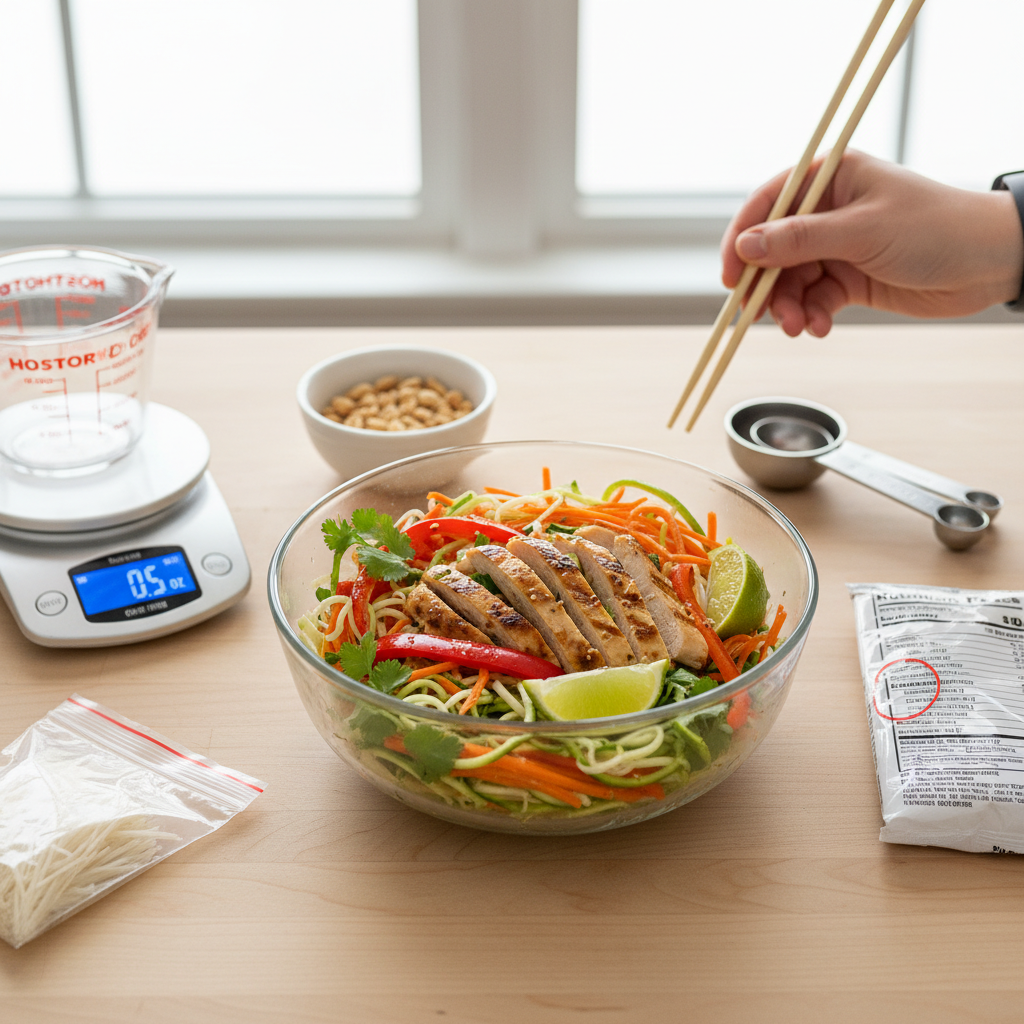
Substituting rice noodles in your favorite recipes is straightforward and can be quite enjoyable. For instance, if you love a classic pad Thai, consider using shirataki noodles or zoodles instead. Simply sauté them with your choice of protein, such as chicken or shrimp, and add a homemade sauce made with low-carb ingredients like tamari or coconut aminos.
Experimenting with different sauces and toppings can also enhance the flavor while keeping the overall carb count low. For example, adding fresh herbs, spices, or a splash of lime can elevate the dish without adding significant carbohydrates. Additionally, using vegetables like bell peppers, broccoli, or spinach can increase the nutritional value of your meals while adding texture and flavor.
Incorporating these alternatives into your meal prep can help maintain variety in your diet—ensuring that you don’t feel deprived while pursuing your keto goals.
Tips for Eating Out on a Keto Diet
Dining out while following a ketogenic diet can present challenges, especially when it comes to Asian cuisine, where rice noodles are a staple. However, you can still enjoy your dining experience with a few strategic choices:
– Ask for vegetable-based dishes: Many Asian restaurants offer a variety of stir-fried vegetables that can serve as a base for your meal. These can be paired with protein options such as chicken, beef, or tofu.
– Request substitutions: When ordering, don’t hesitate to ask for alternatives. Many restaurants are accommodating and may offer cauliflower rice or lettuce wraps in place of rice noodles.
– Be cautious with sauces: Some sauces can contain hidden sugars and high carb counts. Opt for dishes that utilize soy sauce, tamari, or vinegar-based dressings, and request them on the side when possible.
By being proactive and clear about your dietary needs, you can navigate menus effectively and enjoy satisfying meals without compromising your keto lifestyle.
Common Mistakes to Avoid
While transitioning to a ketogenic diet, there are common pitfalls that can hinder your progress:
– Overestimating portion sizes of rice noodles: It’s easy to misjudge how much is on your plate, especially when dining out. Always measure or estimate your portions to ensure you’re not exceeding your daily carb limits.
– Not reading labels carefully: When purchasing pre-packaged noodle alternatives, it’s crucial to check the nutritional information. Some products may claim to be low-carb but can still contain significant amounts of hidden sugars or fillers.
By being mindful of these common mistakes, you can adhere more closely to your dietary goals and avoid setbacks.
In summary, rice noodles do not fit within the parameters of a ketogenic diet due to their high carbohydrate content. However, by exploring low-carb alternatives such as shirataki and zucchini noodles and making mindful choices when dining out, you can enjoy delicious meals while staying true to your keto lifestyle. For more tips on maintaining your diet, check out our other articles on keto-friendly foods!
Frequently Asked Questions
Are rice noodles keto-friendly for a low-carb diet?
Rice noodles are generally not considered keto-friendly because they are high in carbohydrates. A typical serving of rice noodles contains about 40-50 grams of carbs, which can significantly exceed the daily carb limit for those following a strict ketogenic diet. If you’re aiming for a low-carb lifestyle, it’s best to explore alternatives like zucchini noodles or shirataki noodles that fit better within keto guidelines.
What are the carbohydrate counts in rice noodles compared to other noodle types?
Rice noodles typically contain around 45 grams of carbohydrates per 100 grams, which is significantly higher than alternatives like zucchini noodles (approximately 4 grams) or konjac noodles (around 1 gram). If you’re on a ketogenic diet, understanding these differences can help you make better meal choices and maintain your carb limits more effectively.
How can I substitute rice noodles in a keto-friendly recipe?
To substitute rice noodles in your favorite recipes while keeping them keto-friendly, consider using alternatives such as zucchini noodles, also known as “zoodles,” or shirataki noodles made from konjac yam. Both options provide a similar texture and can absorb flavors well, making them excellent substitutes in stir-fries or soups without the high carb content of rice noodles.
Why do some people still use rice noodles on a keto diet?
Some individuals may choose to incorporate rice noodles in moderation due to personal preferences or cultural dietary habits. They might limit their portion size to stay within their carb limits or consume them on “carb cycling” days where they allow for higher carb intake. However, this approach can be risky for those who are strict about maintaining ketosis.
Which brands of rice noodles are the lowest in carbs?
While most rice noodles are high in carbohydrates, some specialty brands offer lower-carb options, such as those made from brown rice or fortified with additional fibers. Always check the nutrition labels for specific carb counts. However, it’s essential to note that even the lower-carb rice noodles typically contain more carbs than keto-approved alternatives, so use them sparingly if you choose to include them in your diet.