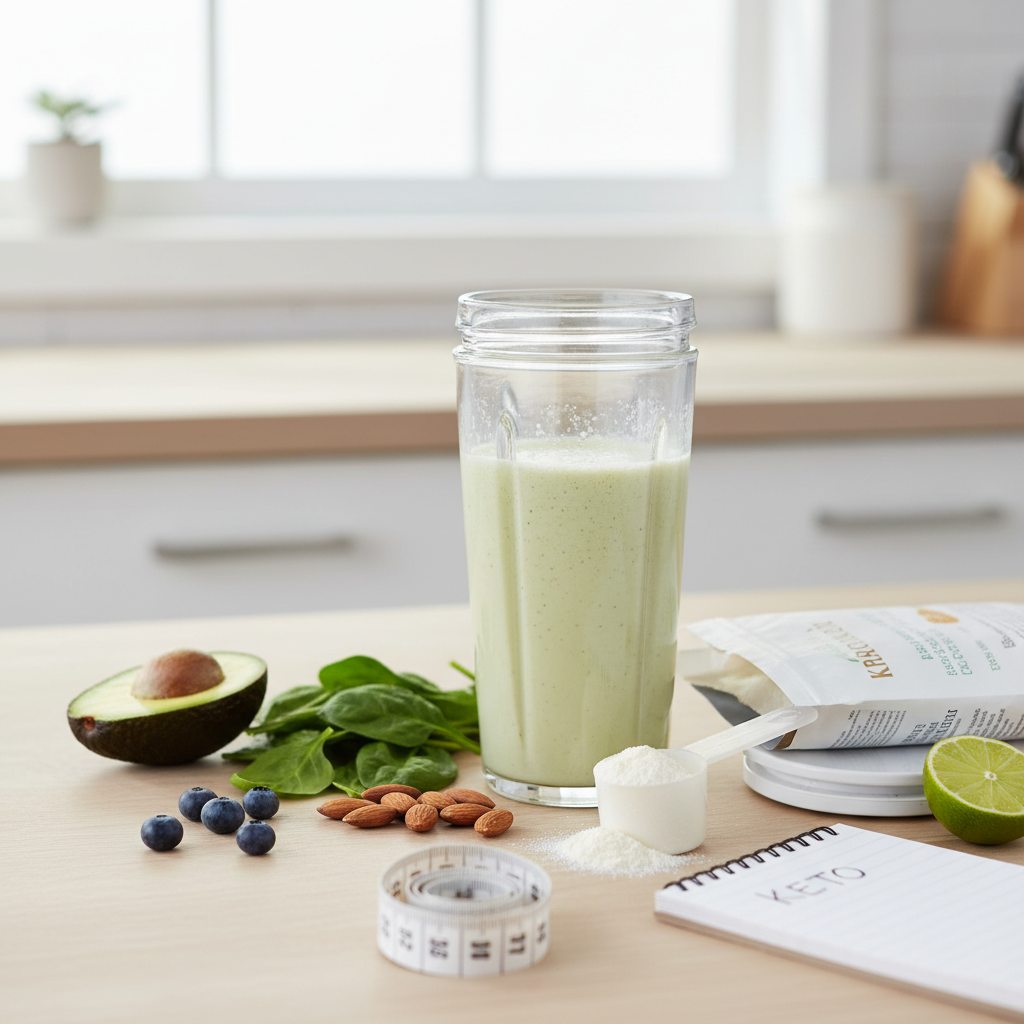

Protein shakes can be keto-friendly, but it largely depends on their ingredients and nutritional content. By choosing low-carb, high-fat protein shakes, you can stay within the limits of a ketogenic diet. In this article, you will learn how to identify suitable protein shakes and what to look for to maintain your keto lifestyle.
What Makes a Protein Shake Keto Friendly?

To determine if a protein shake is keto-friendly, focus on its macronutrient profile. The primary characteristics that make a protein shake suitable for a ketogenic diet include high-fat content and low-carb ingredients.
– High-fat content: A protein shake that incorporates healthy fats is crucial for supporting ketosis, the metabolic state where the body burns fat for fuel instead of carbohydrates. Look for shakes that include ingredients like nut butters, coconut oil, or MCT oil, which are rich in healthy fats. These fats are not only beneficial for energy but also help keep you satiated.
– Low-carb ingredients: It’s essential to ensure that the shake has minimal sugar and carbohydrates. A typical ketogenic diet restricts daily carbohydrate intake to about 20-50 grams, depending on individual goals. Therefore, a protein shake that contains added sugars, fillers, or high-carb ingredients can easily push you out of ketosis. Always read the ingredient list and nutritional breakdown to confirm the carbohydrate content.
Popular Types of Protein Shakes on the Market
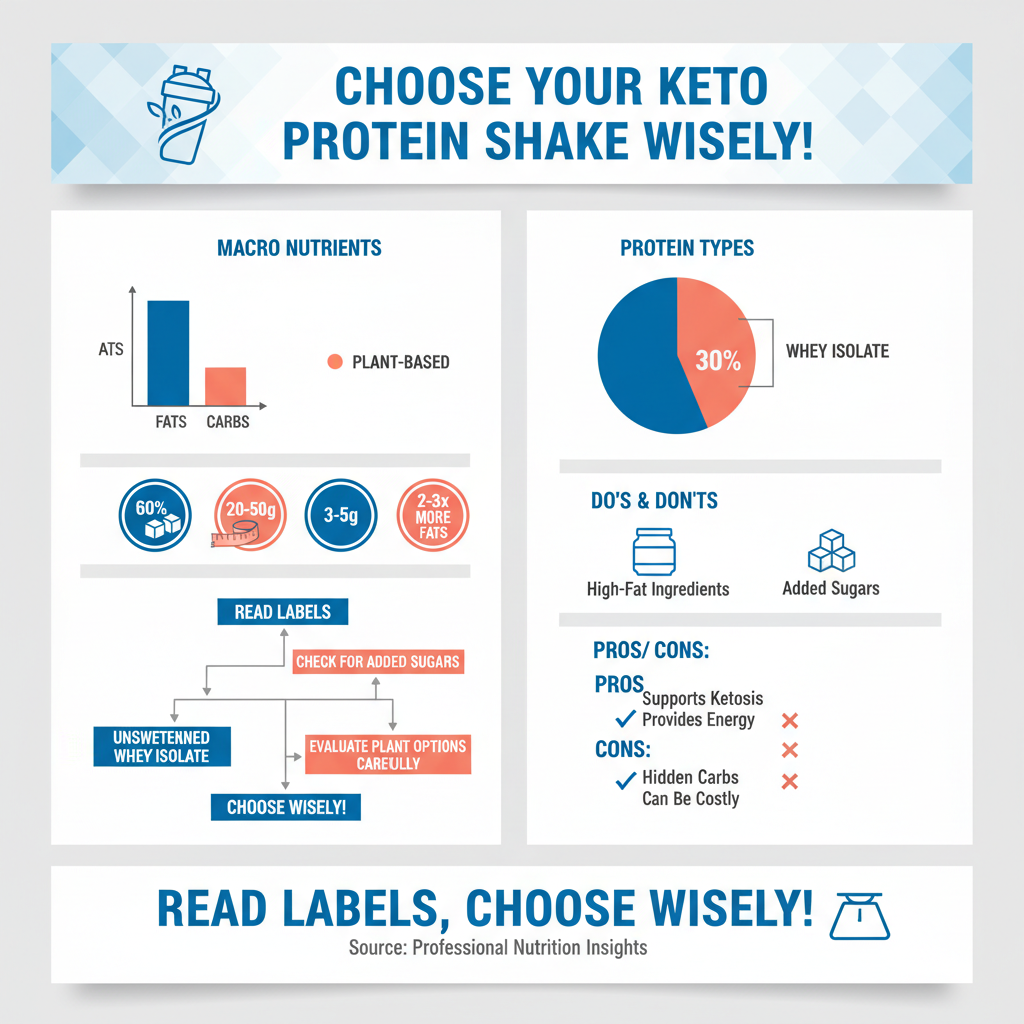

When searching for protein shakes that align with a ketogenic lifestyle, various options are available, each with their unique benefits.
– Whey protein: This is one of the most popular protein sources, known for its high biological value and quick absorption. Unsweetened whey protein isolate is often low in carbs and can be an excellent addition to a keto diet. It’s important to choose products that do not contain added sugars or artificial flavors.
– Plant-based options: For those who prefer non-dairy alternatives, plant-based protein powders like pea, hemp, or brown rice protein can be viable options. However, the carbohydrate content can vary significantly based on the brand and formulation, so always check the labels. Some plant-based proteins, particularly those with added sweeteners, can exceed the carbohydrate allowances for a keto diet.
Reading Nutrition Labels Effectively
Understanding nutrition labels is essential for making informed choices when purchasing protein shakes.
– Understand serving sizes: Nutrition labels provide information based on specific serving sizes, which can be misleading if not taken into account. Always check the serving size to accurately assess the carbohydrate content. A shake that appears low in carbs in a single serving may have a higher carb count if you consume multiple servings.
– Identify hidden sugars: Sugar can manifest in various forms on ingredient labels. Look for non-obvious terms such as dextrose, maltodextrin, or agave nectar, which indicate added sugars. Even some natural flavorings can contribute to the overall sugar content. Aim for protein shakes that list no more than 2-3 grams of net carbs per serving to stay within keto guidelines.
Homemade Protein Shake Recipes for Keto
Creating your own protein shakes at home can give you complete control over the ingredients, ensuring they align with your ketogenic goals.
– Avocado & spinach shake: Combining ripe avocado with fresh spinach creates a nutrient-dense shake packed with healthy fats and fiber. Blend one avocado, a handful of spinach, a scoop of unsweetened whey or plant-based protein powder, and unsweetened almond milk for a creamy, satisfying shake. This recipe not only delivers the necessary fats but also provides vitamins and minerals essential for overall health.
– Coconut milk & protein powder shake: For a rich, creamy shake, mix coconut milk with your choice of protein powder. Add a tablespoon of almond butter or MCT oil to boost the fat content even further. You can sweeten it with a few drops of stevia or monk fruit for added flavor without the carbs. This shake is both delicious and satisfying, making it a perfect option for breakfast or a post-workout snack.
Common Mistakes to Avoid
While incorporating protein shakes into a ketogenic diet can be beneficial, there are common pitfalls to watch for.
– Choosing shakes with high sugar or carb content: Many flavored protein powders are loaded with sugars and artificial sweeteners, which can hinder your progress. Always opt for unsweetened or naturally flavored options to avoid hidden sugars that can disrupt ketosis.
– Not balancing macros: A protein shake should complement your overall meal plan. It’s essential to consider how it fits into your daily macronutrient goals. If your shake is high in protein but lacks sufficient fat, it may not be suitable for a keto diet. Always strive for a balanced intake of fats, proteins, and minimal carbohydrates.
Tips for Incorporating Protein Shakes into a Keto Diet
To maximize the benefits of protein shakes while adhering to a ketogenic diet, consider the following strategies:
– Use them as meal replacements: Protein shakes can effectively replace meals, especially for breakfast or post-workout recovery. Ensure that the shake provides adequate calories, fats, and protein to keep you full and satisfied.
– Pair with low-carb snacks: Enhance your protein intake while keeping carbs low by pairing your shake with low-carb snacks such as nuts, cheese, or hard-boiled eggs. This combination will help you maintain energy levels while supporting your dietary goals.
By understanding the key factors that make protein shakes keto-friendly, you can effectively incorporate them into your diet without compromising your goals. Always check the nutritional information and consider making your own shakes to control ingredients. If you’re serious about maintaining a keto lifestyle, start experimenting with different recipes and options to find what works best for you.
Frequently Asked Questions
Are all protein shakes keto friendly?
Not all protein shakes are keto friendly. When following a ketogenic diet, it’s essential to choose protein shakes that are low in carbohydrates and sugar. Look for shakes that contain high-quality protein sources like whey isolate or collagen and have minimal added sugars or carbs to ensure they fit within your daily macros for ketosis.
How can I make a protein shake keto friendly?
To make a protein shake keto friendly, start with a low-carb protein powder, such as whey isolate or pea protein, and combine it with unsweetened almond milk or coconut milk. You can also add healthy fats like avocado, nut butter, or flaxseed oil for an extra boost while keeping the carb count low. Additionally, opt for low-carb fruits like berries or spinach to enhance flavor without significantly increasing carbohydrates.
Why do some protein shakes have high sugar content?
Many commercial protein shakes contain high sugar content to enhance flavor and improve palatability. These added sugars can quickly raise the carbohydrate levels, making them unsuitable for a ketogenic diet. Always read nutrition labels carefully, and choose shakes that have less than 5 grams of sugar per serving to maintain your keto goals.
What are the best protein shakes for a keto diet?
The best protein shakes for a keto diet typically include those with low carbohydrates and high protein content. Look for shakes that feature ingredients like whey protein isolate, casein, or plant-based proteins without added sugars. Popular brands that offer keto-friendly options include Quest, Perfect Keto, and Orgain, but always verify their nutrition labels to ensure they align with your dietary needs.
Can I replace meals with protein shakes on a keto diet?
While you can replace meals with protein shakes on a keto diet, it’s vital to ensure that the shake is nutritionally balanced. A meal replacement shake should provide adequate protein, healthy fats, and fiber while keeping carbs low. However, relying solely on shakes may lead to nutrient deficiencies, so it’s best to incorporate whole foods alongside your shakes to maintain a well-rounded diet.
References
- Ketogenic diet
- https://www.healthline.com/nutrition/keto-diet-foods
- https://www.ncbi.nlm.nih.gov/pmc/articles/PMC7071212/
- https://www.webmd.com/diet/obesity/what-is-the-ketogenic-diet
- https://www.journalofnutrition.org/content/early/2020/06/15/jn.120.000764
- https://www.cdc.gov/healthyweight/assessing/bmi/adult_bmi/index.html
- Page Not Found – Site Help – Mayo Clinic
- Nutrition Programs | USDA
- https://www.reuters.com/article/us-health-ketogenic-diet-idUSKBN2B83P7
- https://www.sciencedirect.com/science/article/pii/S2212267219300812