

Pretzels are generally not considered keto-friendly due to their high carbohydrate content. Traditional pretzels are primarily made from wheat flour, which is rich in carbohydrates and can quickly exceed the daily carbohydrate limit for those following a ketogenic diet. However, there are low-carb alternatives available that allow keto dieters to enjoy a similar crunch without sacrificing their dietary goals. In this article, we’ll explore the nutritional aspects of pretzels, options for keto dieters, and tips for incorporating pretzels into a low-carb lifestyle.
Understanding the Keto Diet

The ketogenic diet, commonly referred to as the keto diet, is a low-carbohydrate, high-fat eating plan designed to shift the body into a metabolic state known as ketosis. In this state, the body becomes highly efficient at burning fat for energy, which can lead to weight loss and improved metabolic health. Most individuals on a keto diet aim to consume around 20 to 50 grams of carbohydrates per day, which can be challenging given the carbohydrate density of many popular snacks, including pretzels. Traditional pretzels can contain upwards of 30 grams of carbohydrates in a single serving, making them unsuitable for those looking to maintain a strict keto regimen.
Nutritional Breakdown of Traditional Pretzels
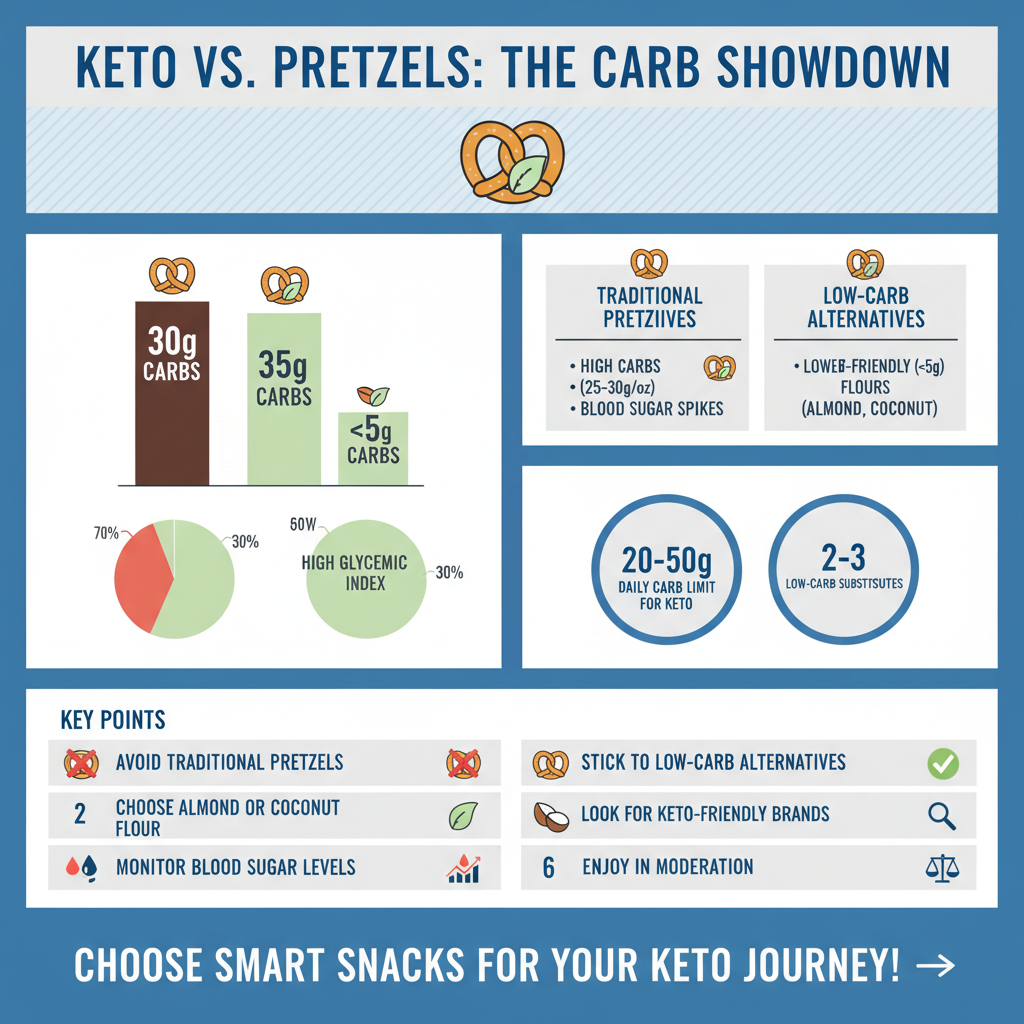
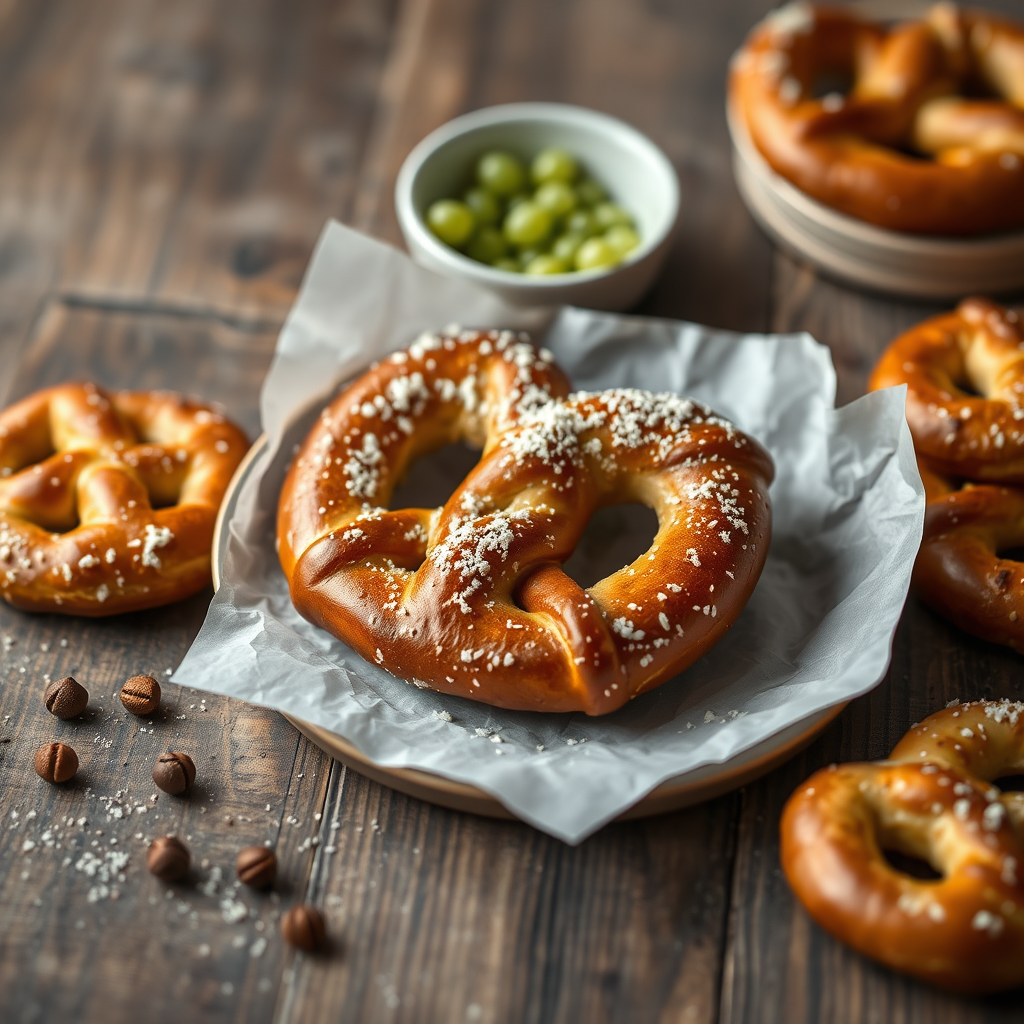
Traditional pretzels are primarily composed of refined wheat flour, which significantly contributes to their high carbohydrate content. A standard serving of pretzels, approximately 30 grams or about one ounce, often contains around 25 to 30 grams of carbohydrates, with very little protein or fat. This macronutrient profile is not conducive to the keto diet, which emphasizes higher fat and moderate protein intake. Furthermore, pretzels have a high glycemic index, which means they can cause rapid spikes in blood sugar levels. Such fluctuations can hinder the benefits of ketosis and lead to cravings and energy crashes, making them a less than ideal choice for anyone adhering to a ketogenic lifestyle.
Low-Carb Pretzel Alternatives
Fortunately, there is a growing number of low-carb pretzel alternatives that cater to those following a keto diet. Many of these recipes utilize almond flour or coconut flour as substitutes for traditional wheat flour, significantly reducing the carbohydrate content. For example, a homemade pretzel recipe using almond flour can yield a snack with less than 5 grams of carbs per serving, making it a much more suitable option for keto dieters.
In addition to homemade options, several brands are now offering store-bought low-carb pretzels that are specifically marketed as keto-friendly. When shopping for these alternatives, it’s essential to read the nutrition labels carefully to ensure they meet your dietary needs. Another option is to consider pretzel substitutes, such as cheese crisps or nut-based snacks, which provide a satisfying crunch without the high carb count.
How to Incorporate Pretzels into a Keto Diet
If you find yourself craving the unique taste and texture of pretzels while on a keto diet, there are several strategies to incorporate low-carb versions into your meal plan. One effective approach is to make your own low-carb pretzels at home, using ingredients like almond flour and cheese. These can be baked to achieve a delightful crunch and seasoned with various spices to mimic the traditional pretzel flavor.
Pairing low-carb pretzels with high-fat dips can also enhance their nutritional profile. Consider options like cream cheese, guacamole, or a creamy spinach dip. This combination not only satisfies your craving but also helps balance your macronutrient intake. Remember that moderation is key; while low-carb pretzels can be enjoyed as an occasional treat, they should not become a staple in your diet.
Common Mistakes to Avoid
When navigating the world of snacks on a ketogenic diet, there are common pitfalls that should be avoided. First and foremost, it’s important not to assume that all pretzels are created equal. Always check the nutrition label, as many seemingly healthy snack options can still be high in carbohydrates.
Additionally, it’s crucial to steer clear of traditional pretzels and snacks marketed as “healthy” but still loaded with carbs. Many brands capitalize on health trends while failing to adequately reduce carbohydrate content, leading to confusion among consumers. Finally, be mindful of portion sizes. Even low-carb pretzels, when consumed in excess, can lead to reaching or exceeding your daily carbohydrate limit, potentially derailing your keto progress.
Tips for a Successful Keto Snack Plan
To maintain a successful keto lifestyle, it’s essential to focus on whole foods that are naturally low in carbohydrates. Incorporate snacks such as nuts, seeds, and non-starchy vegetables into your diet. These options not only provide essential nutrients but also help keep you satiated.
Planning your snacks ahead of time can also be beneficial, as it prevents impulsive decisions that may lead to reaching for high-carb options when hunger strikes. Consider preparing snack bags of low-carb foods to have on hand. Finally, don’t hesitate to experiment with various keto-friendly snacks to discover alternatives that satisfy your cravings while adhering to your dietary goals.
In conclusion, pretzels are not typically keto-friendly due to their high carbohydrate content, but alternatives are available for those wanting a crunch without the carbs. By choosing low-carb options and being mindful of portion sizes, you can enjoy pretzel-like snacks while staying true to your keto lifestyle. It’s essential to explore different recipes and products and find a balance that works for you, ensuring your commitment to a healthy, low-carb diet remains enjoyable and sustainable.
Frequently Asked Questions
Are pretzels keto-friendly snacks?
Traditional pretzels are not considered keto-friendly due to their high carbohydrate content, primarily from wheat flour. A standard serving of pretzels can contain around 30-40 grams of carbs, which exceeds the daily carb limit for most ketogenic diets. However, there are low-carb pretzel alternatives made from almond flour or other keto-approved ingredients that can fit into a keto lifestyle.
What are the best low-carb alternatives to traditional pretzels?
The best low-carb alternatives to traditional pretzels include cheese crisps, almond flour pretzels, and flaxseed crackers. These options are made with keto-friendly ingredients, providing a satisfying crunch without the high carb count. Recipes for homemade low-carb pretzels often incorporate ingredients like mozzarella cheese and almond flour, making them a delicious and diet-friendly snack.
How can I make keto pretzels at home?
To make keto pretzels at home, you can use a simple recipe that includes almond flour, mozzarella cheese, cream cheese, and baking powder. Combine the ingredients to form a dough, shape it into pretzel forms, and bake until golden brown. This homemade version is much lower in carbs than traditional pretzels and allows you to enjoy a snack that aligns with your ketogenic diet.
Why are traditional pretzels not suitable for a ketogenic diet?
Traditional pretzels are not suitable for a ketogenic diet primarily because they are made from refined wheat flour, which is high in carbohydrates. A ketogenic diet typically restricts carb intake to about 20-50 grams per day to promote ketosis, the state where the body burns fat for fuel. Consuming regular pretzels can quickly exceed this limit, making it difficult to maintain a state of ketosis.
Which store-bought pretzels are keto-friendly?
When looking for store-bought pretzels that are keto-friendly, check for brands that specifically market low-carb or keto options. Some brands offer pretzel snacks made with alternative flours such as almond or coconut flour. Always read the nutrition label to ensure the total carbohydrate count aligns with your keto goals, as some products may still contain hidden sugars or high carb counts.
References
- Keto diet
- https://www.healthline.com/nutrition/keto-diet-food-list
- https://www.webmd.com/diet/what-is-the-keto-diet
- https://www.ncbi.nlm.nih.gov/pmc/articles/PMC6838271/
- https://www.mayoclinic.org/healthy-lifestyle/nutrition-and-healthy-eating/expert-answers/keto-diet/faq-20461405
- https://www.cdc.gov/healthyweight/assessing/bmi/adult_bmi/english_bmi_calculator/bmi_calculator.html