

Apples are not typically considered keto-approved due to their higher carbohydrate content compared to other fruits. While they are nutritious and offer several health benefits, their carbohydrate load can hinder the state of ketosis that is essential for a successful ketogenic diet. In this article, we’ll explore the reasons why apples may not fit well into a strict ketogenic lifestyle, examine their nutritional profile, and discuss potential alternatives for those following a low-carb diet.
Nutritional Profile of Apples

Apples are often celebrated for their rich nutritional profile. A medium apple (about 182 grams) typically contains around 95 calories, 25 grams of carbohydrates, 4 grams of fiber, and a wealth of vitamins and minerals, particularly vitamin C, potassium, and various antioxidants. Vitamin C plays an essential role in immune function, while the fiber in apples can help support digestive health.
However, the carbohydrate content is a concern for those adhering to a ketogenic diet. Since a medium apple can account for a significant portion of the daily carb allowance—typically limited to 20-50 grams—consuming apples can easily push one out of ketosis. For example, if a person on a strict keto diet consumes a medium apple, they would be left with only 15-25 grams of carbs for the rest of the day, making it challenging to incorporate other foods while staying within the carb limit.
The Role of Carbohydrates in a Keto Diet
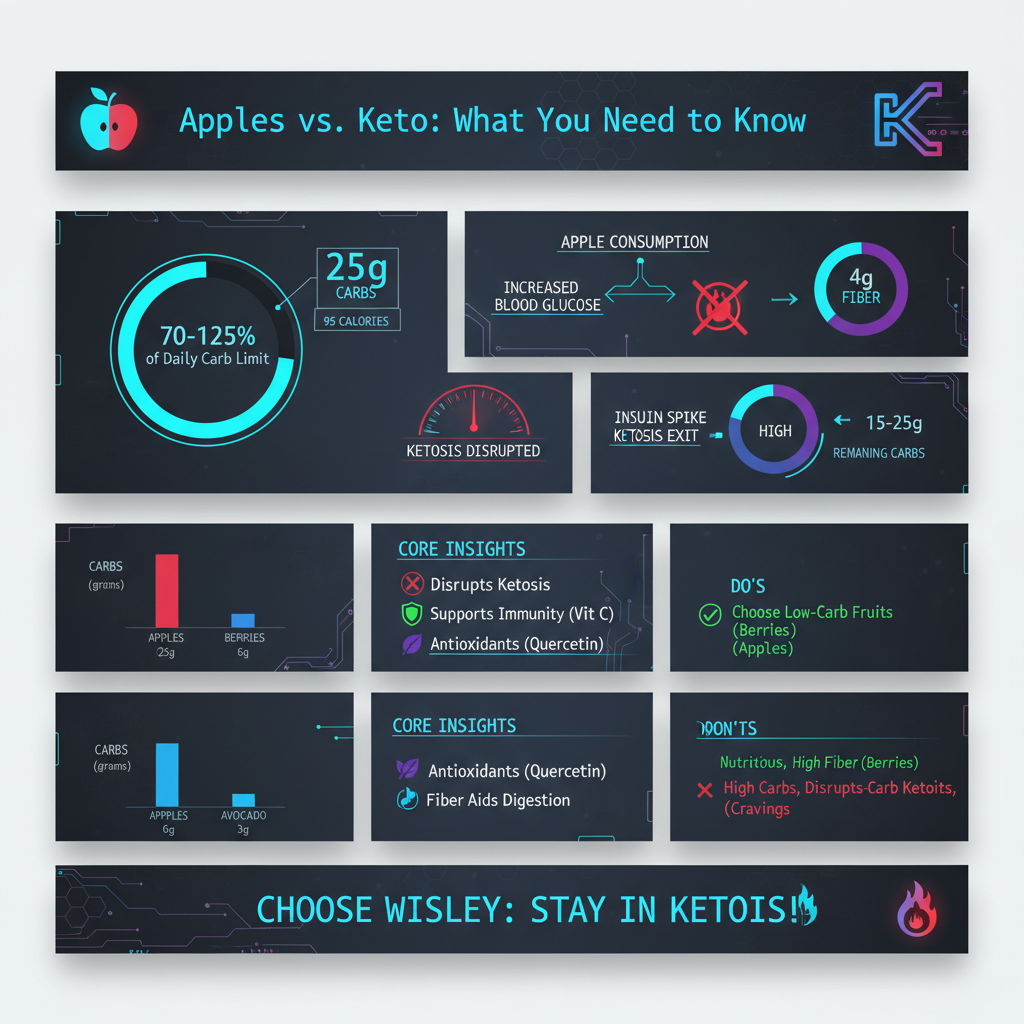

The ketogenic diet is fundamentally a low-carb, high-fat eating plan designed to shift the body’s metabolism from burning glucose (derived from carbohydrates) to burning ketones (derived from fats). This metabolic state, known as ketosis, is achieved by drastically reducing carbohydrate intake to about 20-50 grams per day. When carbohydrates are consumed, the body breaks them down into glucose, which can lead to increased insulin levels and a halt in ketone production.
High-carb foods, like apples, can disrupt this delicate balance. When you consume apples, the natural sugars they contain can spike blood glucose levels, prompting the body to use that glucose for energy rather than shifting to fat metabolism. This not only undermines the effectiveness of a keto diet but can also lead to cravings for more carbohydrates, making it more difficult to maintain dietary discipline.
Potential Health Benefits of Apples
While apples are not ideal for a strict ketogenic diet, they do offer numerous health benefits that are worth noting. The antioxidants present in apples, including quercetin and flavonoids, have been shown to combat oxidative stress and inflammation in the body. Regular consumption of apples may contribute to a lower risk of chronic diseases such as heart disease and certain cancers.
Additionally, the fiber in apples can aid digestion and promote feelings of fullness, potentially reducing overall calorie intake. For individuals who are not strictly adhering to a ketogenic diet or who are looking to incorporate fruits in moderation, apples can serve as a healthy snack alternative. The key lies in moderation and understanding how they fit within one’s overall dietary framework.
Alternatives to Apples for Keto Dieters
For those committed to a ketogenic lifestyle, it is crucial to seek out low-carb fruit options that can satisfy the craving for something sweet without derailing ketosis. Berries are often considered the best alternatives, with options like strawberries, blackberries, and raspberries typically containing fewer carbohydrates than apples. For example, a cup of raspberries contains only about 15 grams of carbohydrates, making it a more suitable option.
Other fruits that align with keto guidelines include avocados and coconuts. Avocados are particularly rich in healthy fats and fiber, making them an excellent choice for those on a keto diet. Coconuts offer a unique flavor and are high in medium-chain triglycerides (MCTs), which can also support ketosis. Incorporating these alternatives can help maintain variety in one’s diet while adhering to low-carb principles.
How to Incorporate Apples Mindfully
If you are determined to include apples in your diet, doing so mindfully can help you stay on track with your carbohydrate goals. Limiting portion sizes is essential; consider consuming a small apple or half of a larger one to mitigate the carb impact. Pairing apples with high-fat foods, such as almond butter or cheese, can also help balance the carbohydrate load, as fat and protein can enhance satiety and slow down sugar absorption.
Another strategy is to use apples as an ingredient in dishes rather than as a standalone snack. For instance, adding diced apples to a salad with leafy greens, walnuts, and feta cheese can provide a burst of flavor while keeping the overall carbohydrate content manageable. The key to mindful consumption lies in achieving a balance that works for your specific dietary needs.
Common Misconceptions About Keto and Fruit
A prevalent misconception about the ketogenic diet is that all fruits are off-limits due to their sugar content. While it is true that many fruits contain higher levels of carbohydrates, some can still be enjoyed in moderation. Understanding which fruits align with your carbohydrate goals is crucial for success on a keto diet.
For example, while bananas and grapes are often considered too high in sugar, fruits like strawberries, blueberries, and lemons can be incorporated without significantly impacting daily carb limits. Educating oneself about the carbohydrate content of various fruits can empower individuals to make informed dietary choices and enjoy a wider variety of foods while still adhering to keto principles.
In summary, while apples offer nutritional benefits, they are generally not keto-approved due to their higher carbohydrate content. For those following a strict ketogenic diet, it is advisable to consider smaller portions of apples or opt for lower-carb fruit alternatives like berries or avocados. By understanding the role of carbohydrates in a keto diet and making informed choices, you can maintain a healthy and satisfying eating plan. For more tips on maintaining a keto lifestyle, explore our other resources or consult with a nutritionist.
Frequently Asked Questions
Are apples considered keto-friendly for a low-carb diet?
While apples are nutritious and offer various health benefits, they are not typically considered keto-friendly due to their higher carbohydrate content. A medium-sized apple contains about 25 grams of carbohydrates, which can take up a significant portion of your daily carb allowance on a ketogenic diet, typically limited to 20-50 grams. If you’re following a strict keto plan, it’s advisable to limit or avoid apples and opt for lower-carb fruits such as berries.
How many carbs are in an apple, and how does it affect ketosis?
A medium apple contains approximately 25 grams of carbohydrates, including about 19 grams of sugar. Consuming this amount can hinder ketosis, the metabolic state where your body burns fat for fuel instead of carbohydrates. For those on a keto diet, it’s essential to keep your daily carb intake low, so eating apples can quickly push you over your limit, potentially disrupting your progress.
What are some low-carb alternatives to apples for a keto diet?
If you’re looking for low-carb alternatives to apples while maintaining a keto diet, consider options like berries (strawberries, raspberries, and blackberries), avocado, or cucumbers. These fruits and vegetables are lower in carbohydrates and can be enjoyed in moderation while still providing essential nutrients and fiber. Incorporating these alternatives can help satisfy your craving for something sweet or crunchy without derailing your keto goals.
Why do some people think apples are okay on a keto diet?
Some individuals may believe that apples are acceptable on a keto diet due to their natural sweetness and health benefits, such as vitamins, minerals, and fiber. Additionally, the perception that fruits are healthy can lead to the assumption that they can fit into any diet. However, it’s crucial to consider the total carbohydrate content and how it fits into your daily macros when following a ketogenic lifestyle.
Which fruits are the best choices for a ketogenic diet?
The best fruits for a ketogenic diet are those that are low in carbohydrates and high in fiber. Some excellent options include avocados, olives, and berries, particularly strawberries, blackberries, and raspberries. These fruits not only provide essential nutrients but also help you stay within your carbohydrate limits, making them ideal for maintaining ketosis while still enjoying the benefits of fruit.
References
- https://www.healthline.com/nutrition/are-apples-keto
- https://www.washingtonpost.com/food/2021/05/03/keto-fruits/
- Wild vs. farmed salmon: What’s the difference?
- https://www.ncbi.nlm.nih.gov/pmc/articles/PMC6520897/
- https://www.webmd.com/diet/obesity/ss/slideshow-keto-diet-foods
- https://www.sciencedirect.com/science/article/pii/S0899900719300250
- https://www.nutrition.gov/topics/nutrition-101/what-ketogenic-diet
- https://www.health.harvard.edu/staying-healthy/the-ketogenic-diet