

The ketogenic diet, or keto, fundamentally alters your body’s metabolism by transitioning it from utilizing carbohydrates as its primary energy source to burning fats. This metabolic shift not only facilitates significant weight loss but also enhances energy levels and offers a variety of health benefits. As we delve into the effects of keto on the body, we will explore the underlying science, potential advantages, and what you can expect when adopting this diet.
Understanding the Ketogenic Diet

The ketogenic diet typically consists of high fats, moderate proteins, and very low carbohydrates, often comprising about 70-75% fat, 20-25% protein, and only 5-10% carbohydrates. This unique macronutrient ratio aims to induce a metabolic state known as ketosis, wherein the body becomes highly efficient at burning fat for energy instead of relying on glucose derived from carbohydrates. In ketosis, the liver converts fatty acids into ketones, which serve as an alternative energy source, particularly for the brain. This shift can result in various physiological changes, including fat loss, improved energy levels, and even potential therapeutic effects for certain medical conditions.
How Keto Affects Weight Loss
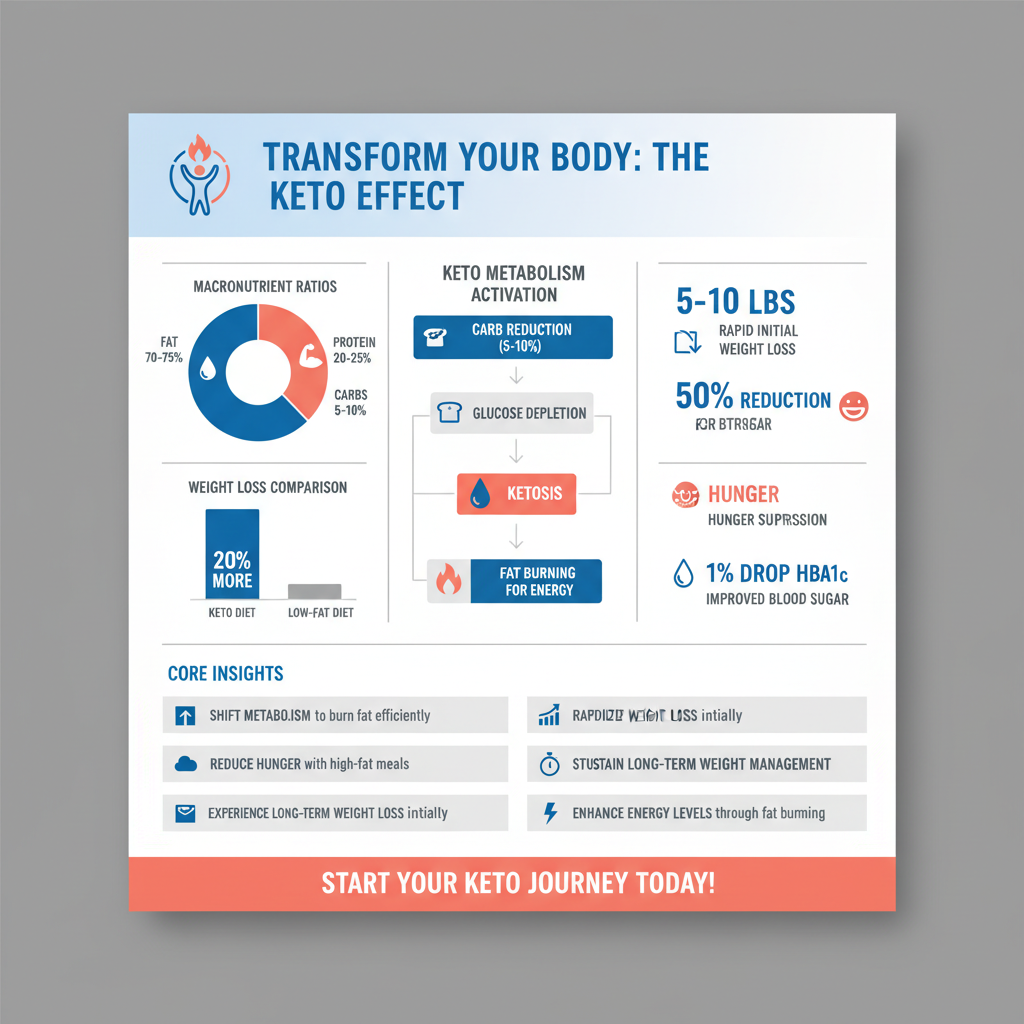

One of the most notable effects of the ketogenic diet is its ability to promote weight loss. Many individuals experience rapid weight loss during the initial phases of keto, primarily due to the loss of water weight and the accelerated fat-burning process. When carbohydrate intake is drastically reduced, the body depletes its glycogen stores, which are bound to water, leading to a quick drop in weight. Furthermore, the high-fat content of the diet can lead to a reduction in hunger and appetite, as fats are more satiating than carbohydrates. This decreased appetite can facilitate lower calorie intake, resulting in a more sustainable weight loss journey over time. Studies have shown that individuals on a ketogenic diet may lose more weight than those following a low-fat diet, suggesting that the keto approach can be an effective long-term strategy for weight management.
Impact on Blood Sugar and Insulin Levels
The ketogenic diet has a profound impact on blood sugar and insulin levels, making it particularly beneficial for individuals with type 2 diabetes or insulin resistance. By significantly lowering carbohydrate intake, keto helps stabilize blood sugar levels, reducing the risk of spikes and crashes that can lead to cravings and overeating. Research indicates that individuals following a ketogenic diet experience improved glycemic control and a reduction in HbA1c levels, which reflect average blood sugar levels over time. Additionally, the diet can lower insulin levels, leading to improved metabolic health and potentially reducing the need for diabetes medications. This metabolic shift not only aids in weight loss but also contributes to better overall health and well-being.
Effects on Energy and Mental Clarity
Many individuals transitioning to a ketogenic diet report a notable increase in energy levels once their bodies adapt to using fat for fuel. Initially, the adaptation phase may come with challenges, often referred to as the “keto flu,” but once the body becomes efficient at burning fat, many experience sustained energy throughout the day without the crashes typically associated with high-carb diets. Furthermore, the diet may enhance cognitive function and mental clarity, as the brain can utilize ketones—a more efficient energy source than glucose—resulting in improved focus and concentration. Some studies suggest that the presence of ketones may offer neuroprotective benefits, potentially enhancing cognitive performance and reducing the risk of neurodegenerative diseases.
Potential Health Benefits of Keto
Beyond weight loss and improved energy levels, the ketogenic diet has been associated with several potential health benefits. Research suggests that keto may be effective in managing neurological disorders, particularly epilepsy, where it has been used as a therapeutic diet for decades. Emerging studies also indicate that keto could have positive effects on conditions such as Alzheimer’s disease and Parkinson’s disease, as ketones may provide neuroprotective effects and improve mitochondrial function. Additionally, the diet has been linked to improvements in cardiovascular health markers, including lower triglyceride levels, increased HDL cholesterol (the “good” cholesterol), and reduced blood pressure. These benefits underscore the diet’s potential as a holistic approach to health and wellness.
Possible Side Effects and Considerations
Despite the numerous benefits associated with the ketogenic diet, some individuals may experience side effects, particularly during the initial transition phase. Commonly referred to as the “keto flu,” symptoms can include fatigue, nausea, headaches, and irritability. These symptoms typically subside within a few days to a week as the body adjusts to ketosis. It is also crucial to consider potential nutrient deficiencies, as a strict ketogenic diet can limit the intake of certain vitamins and minerals, especially those found in fruits, whole grains, and legumes. Therefore, it is essential to monitor your nutrient intake, ensuring you consume adequate fiber, vitamins, and minerals to maintain overall health.
Tips for Starting a Keto Diet
If you are considering embarking on a ketogenic diet, it is advisable to start gradually. Begin by reducing your carbohydrate intake slowly over a few days to ease your body into ketosis. Focus on incorporating whole, nutrient-dense foods into your meals, such as avocados, nuts, seeds, olive oil, and leafy greens, while minimizing processed foods and sugars. Keeping track of your food intake can also be beneficial, as it helps you stay within your macronutrient goals. Additionally, staying hydrated and ensuring adequate electrolyte intake can help mitigate the effects of the keto flu and support your overall well-being during the transition.
The ketogenic diet can bring about transformative changes in your body, from weight loss to enhanced energy levels and improved metabolic health. By understanding its effects and benefits, you can make informed decisions about whether keto aligns with your health goals. If you’re considering trying keto, be sure to educate yourself on the diet’s principles and consult with a healthcare provider to tailor the approach to your individual needs. Start your journey today by planning your meals and tracking your progress, and embrace the potential benefits of a ketogenic lifestyle.
Frequently Asked Questions
What does a ketogenic diet do to your body?
A ketogenic diet, or keto, primarily alters your body’s metabolism by shifting it from burning carbohydrates for energy to utilizing fats. When you drastically reduce your carbohydrate intake, your body enters a state called ketosis, where it produces ketones from fat that serve as an alternative energy source. This metabolic shift can lead to weight loss, improved energy levels, and various health benefits, including potentially enhanced mental clarity and reduced hunger.
How does the keto diet affect weight loss?
The keto diet can promote weight loss through several mechanisms. Firstly, by decreasing carbohydrate intake, insulin levels drop, facilitating fat breakdown and reducing fat storage. Additionally, the high-fat content of keto foods can increase feelings of satiety, leading to decreased caloric intake. As your body becomes more efficient at burning fat for fuel, you may experience sustained weight loss over time.
Why do some people experience side effects on the keto diet?
Many individuals may experience side effects, often referred to as the “keto flu,” when first transitioning to a ketogenic diet. These symptoms can include headaches, fatigue, nausea, and irritability due to changes in hydration and electrolyte balance as the body adapts to ketosis. Staying hydrated, replenishing electrolytes, and gradually reducing carbohydrates can help ease this transition and minimize adverse effects.
What are the long-term effects of following a ketogenic diet?
Long-term adherence to a ketogenic diet can lead to various benefits, including sustained weight loss, improved blood sugar levels, and potential reductions in the risk of certain diseases, such as type 2 diabetes. However, it is essential to ensure a balanced intake of nutrients, as overly restrictive diets may lead to deficiencies. Regular monitoring and consultation with a healthcare provider can help optimize health outcomes while following keto.
Which foods are best to eat on a ketogenic diet?
The best foods for a ketogenic diet are those high in healthy fats and low in carbohydrates. Ideal options include avocados, olive oil, nuts, seeds, fatty fish, and low-carb vegetables like spinach and zucchini. It’s also important to limit processed foods and sugars, focusing instead on whole, nutrient-dense foods to maintain ketosis and support overall health.
References
- Ketogenic diet
- https://www.ncbi.nlm.nih.gov/pmc/articles/PMC6833629/
- https://www.healthline.com/nutrition/what-is-a-ketogenic-diet
- https://www.cdc.gov/healthyweight/assessing/bmi/adult_bmi/english_bmi_calculator/bmi_calculator.htm
- https://www.mayoclinic.org/healthy-lifestyle/nutrition-and-healthy-eating/expert-answers/keto-diet/faq-20460806
- https://www.webmd.com/diet/obesity/what-is-the-keto-diet
- https://www.hsph.harvard.edu/nutritionsource/what-is-the-keto-diet/