

When following a ketogenic diet, understanding macros—macronutrients that include fats, proteins, and carbohydrates—is crucial for achieving your health and weight loss goals. Properly managing your macronutrient intake not only facilitates the transition into ketosis but also supports sustained energy and optimal health outcomes. This article will explain what macros are, how to calculate them for a ketogenic lifestyle, and provide tips for effectively managing your intake to maximize the benefits of the keto diet.
What Are Macros?
Macros refer to the three essential nutrients: fats, proteins, and carbohydrates. Each macronutrient serves a specific function in the body. Fats are the primary source of energy on a ketogenic diet, providing long-lasting fuel and promoting the absorption of fat-soluble vitamins. Proteins are vital for building and repairing tissues, while also playing a role in hormone production and immune function. Carbohydrates, although limited in a keto diet, can provide quick energy when needed. Understanding the distinct roles of these macros is fundamental to leveraging their benefits in your diet, especially on a ketogenic regimen where the ratios differ significantly from traditional dietary guidelines.
Importance of Macros in Keto
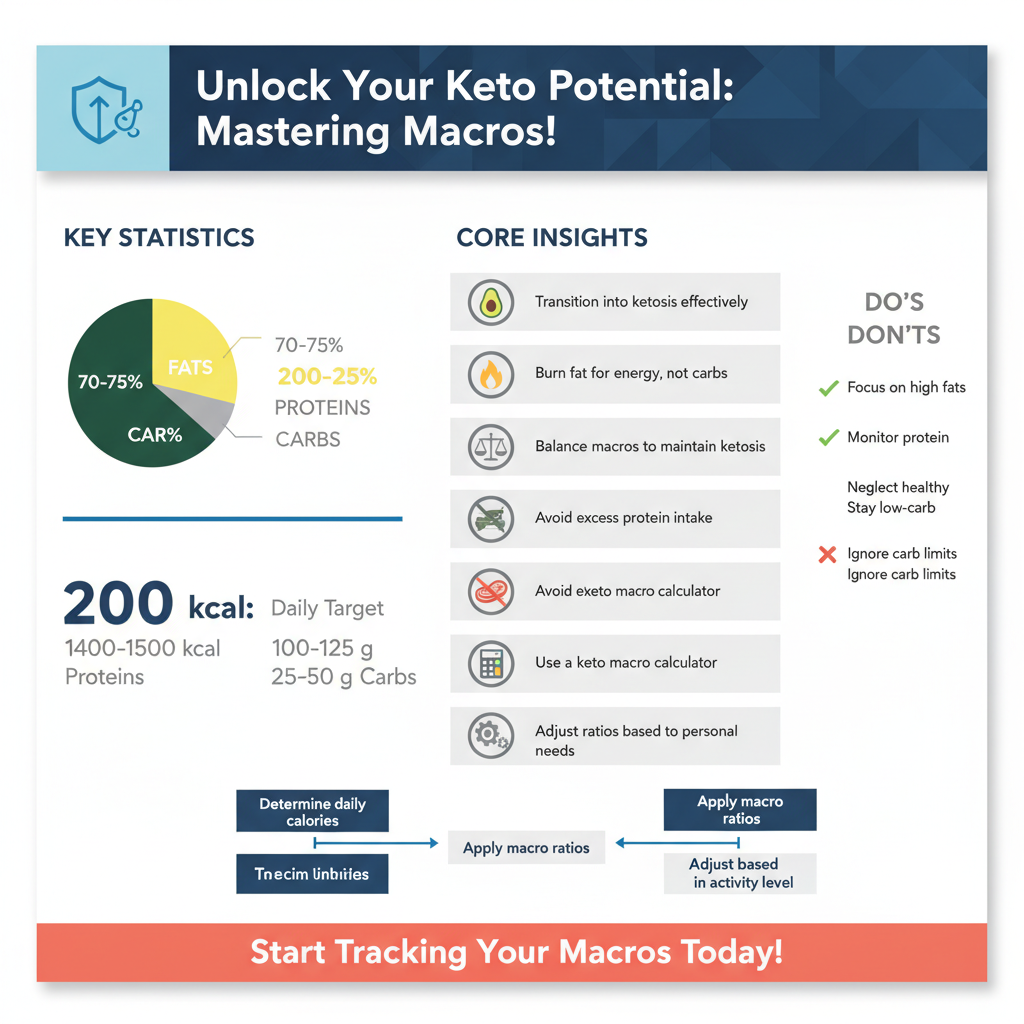

Keto relies on a high-fat, low-carb approach, which shifts your body into a metabolic state known as ketosis. In ketosis, the body becomes efficient at burning fat for energy instead of carbohydrates. This shift not only helps in weight loss but can also improve mental clarity and energy levels. Balancing macros is crucial for maintaining this state; too much protein can lead to gluconeogenesis, where excess protein is converted to glucose, potentially kicking you out of ketosis. A well-balanced macro intake helps sustain energy levels while promoting fat loss, making it imperative to pay close attention to your macronutrient distribution.
Calculating Your Keto Macros
To embark on your ketogenic journey effectively, the first step is to determine your daily calorie needs based on your activity level and specific goals, such as weight loss or maintenance. A good starting point is to use a keto macro calculator that takes into account your age, weight, height, and activity level.
Once you know your daily calorie requirement, you can apply a common macro ratio of about 70-75% fats, 20-25% proteins, and 5-10% carbohydrates. For example, if your daily caloric intake is 2000 calories, approximately 1400-1500 calories should come from fats, 400-500 calories from protein, and 100-200 calories from carbohydrates. This translates to around 155-167 grams of fat, 100-125 grams of protein, and 25-50 grams of carbohydrates per day. Adjustments can be made as you monitor your progress and how your body responds.
Tracking Your Macros
Effective tracking is vital to ensure you stay within your macro limits. Utilizing apps such as MyFitnessPal or Cronometer can help you log your food intake accurately. These tools often feature extensive food databases, making it easy to find nutritional information and track your macros in real-time. Alternatively, maintaining a food journal can also be beneficial, though it requires more effort.
Regular assessment of your macro intake is essential for optimal results. Monitoring your progress allows you to make timely adjustments to your diet based on how your body responds. If you find you’re not achieving the desired results, tweaking your macro ratios or calorie intake can provide new insights into your dietary effectiveness.
Common Mistakes with Keto Macros
One of the most common mistakes individuals make when following a ketogenic diet is overconsumption of protein. While protein is essential, excessive intake can hinder the body’s ability to enter or maintain ketosis. The body can convert excess protein into glucose through gluconeogenesis, counteracting the benefits of a low-carb diet.
Another prevalent issue is neglecting to track macro intake accurately. Many individuals underestimate their carbohydrate consumption, particularly from hidden sources or processed foods. This oversight can lead to unintentional carb intake that may prevent the body from achieving ketosis. Staying vigilant about what you consume is pivotal for success.
Tips for Managing Macros on Keto
Meal prepping is a highly effective strategy for managing macros on a ketogenic diet. By planning and preparing meals in advance, you can ensure that you remain within your macro limits throughout the week. Consider incorporating a variety of high-fat, low-carb foods such as avocados, nuts, seeds, and healthy oils.
Focusing on whole, nutrient-dense foods not only helps you meet your macro goals but also supports overall health. Foods like fatty fish, grass-fed meats, leafy greens, and low-carb vegetables should be staples in your diet. These foods provide the necessary nutrients while keeping your meals satisfying and enjoyable.
Moreover, consider creating a weekly meal plan that outlines your intended meals and snacks. This can help you stay organized and make it easier to stick to your macros.
Adjusting Macros for Individual Goals
Tailoring your macro ratios based on personal goals is an essential aspect of the ketogenic diet. For instance, if your goal is weight loss, a slightly higher fat ratio may be beneficial. Conversely, if you aim to build muscle while on keto, you might need to increase your protein intake to support muscle recovery and growth.
Consulting with a nutritionist can provide you with a personalized plan that takes into account your unique needs and objectives. A professional can help you navigate the complexities of macronutrient ratios and ensure you adopt a sustainable and effective approach to the ketogenic lifestyle.
Summarizing the importance of understanding and managing your macros is essential for success on the ketogenic diet. By calculating your needs, tracking your intake, and making necessary adjustments, you can optimize your diet for better results. Start today by assessing your current macro intake and adjusting it to fit the keto framework for a healthier lifestyle. Embrace the journey towards improved health and well-being through the power of macronutrients.
Frequently Asked Questions
What are macros for keto and why are they important?
Macros, short for macronutrients, are the three main components of our diet: carbohydrates, proteins, and fats. For the ketogenic diet, understanding macros is crucial because it emphasizes a high-fat, moderate-protein, and very low-carbohydrate intake to achieve and maintain ketosis. This specific macronutrient ratio encourages your body to burn fat for fuel instead of carbohydrates, effectively aiding in weight loss and improving energy levels.
How do I calculate my macros for a keto diet?
To calculate your macros for a keto diet, start by determining your daily caloric needs based on your age, weight, height, and activity level. Then, apply the standard keto ratio, which is typically 70-75% of your calories from fats, 20-25% from protein, and only 5-10% from carbohydrates. Various online keto calculators can help you input your information and provide a customized macro breakdown, making it easier to track your daily intake.
Why is it essential to track macros on keto?
Tracking macros on a keto diet is essential because it helps ensure that you stay within the specific carbohydrate limits required to maintain ketosis. By monitoring your macronutrient intake, you can avoid unintentional carb overconsumption, which could kick you out of ketosis and hinder your weight loss efforts. Additionally, tracking macros allows you to optimize your nutrient intake for better overall health and energy levels.
What are the best sources of fats and proteins for keto macros?
The best sources of fats for keto macros include avocados, nuts, seeds, olive oil, coconut oil, and fatty fish like salmon or mackerel. For protein, opt for grass-fed meats, poultry, eggs, and low-carb dairy products like cheese and Greek yogurt. Incorporating these nutrient-dense foods will not only help you meet your macro goals but also provide essential vitamins and minerals while keeping your meals enjoyable.
Which foods should I avoid to maintain my keto macros?
To maintain your keto macros, avoid foods high in carbohydrates such as bread, pasta, rice, sugary snacks, and most fruits. Starchy vegetables like potatoes and corn should also be limited, as they can quickly increase your carbohydrate intake. Instead, focus on low-carb vegetables like leafy greens and cruciferous veggies, which can help you stay within your ketogenic macro goals while still providing fiber and essential nutrients.
References
- Ketogenic diet
- https://www.healthline.com/nutrition/keto-diet-guide
- https://www.ncbi.nlm.nih.gov/pmc/articles/PMC6520687/
- https://www.webmd.com/diet/obesity/what-is-the-keto-diet
- https://www.cdc.gov/healthyweight/assessing/bmi/adult_bmi/english_bmi_calculator/bmi_calculator.html
- https://www.mayoclinic.org/healthy-lifestyle/nutrition-and-healthy-eating/expert-answers/keto-diet/faq-20429358
- https://www.verywellfit.com/what-is-the-ketogenic-diet-5193525