

To lose weight on a keto diet, focus on reducing carbohydrate intake while increasing healthy fats and moderate protein. This dietary shift helps your body enter a metabolic state known as ketosis, where it efficiently burns fat for fuel instead of carbohydrates. By embracing this approach, you can leverage the keto diet not only to shed pounds but also to enhance your overall health. In this article, you’ll discover the essential strategies to effectively lose weight while following a keto lifestyle.
Understanding the Ketogenic Diet

The ketogenic diet, often referred to as the keto diet, is a high-fat, moderate-protein, and very low-carbohydrate diet. The standard macronutrient ratio typically consists of about 70-75% fats, 20-25% proteins, and only 5-10% carbohydrates. This dramatic reduction in carbohydrate intake prompts the body to enter a state of ketosis, where it begins to break down fat into ketones, which are utilized for energy rather than glucose. This metabolic shift is crucial for successful weight loss on the keto diet, as it allows the body to become a more efficient fat-burning machine. Understanding this foundational principle is vital for anyone looking to adopt a keto lifestyle successfully.
Benefits of Keto for Weight Loss
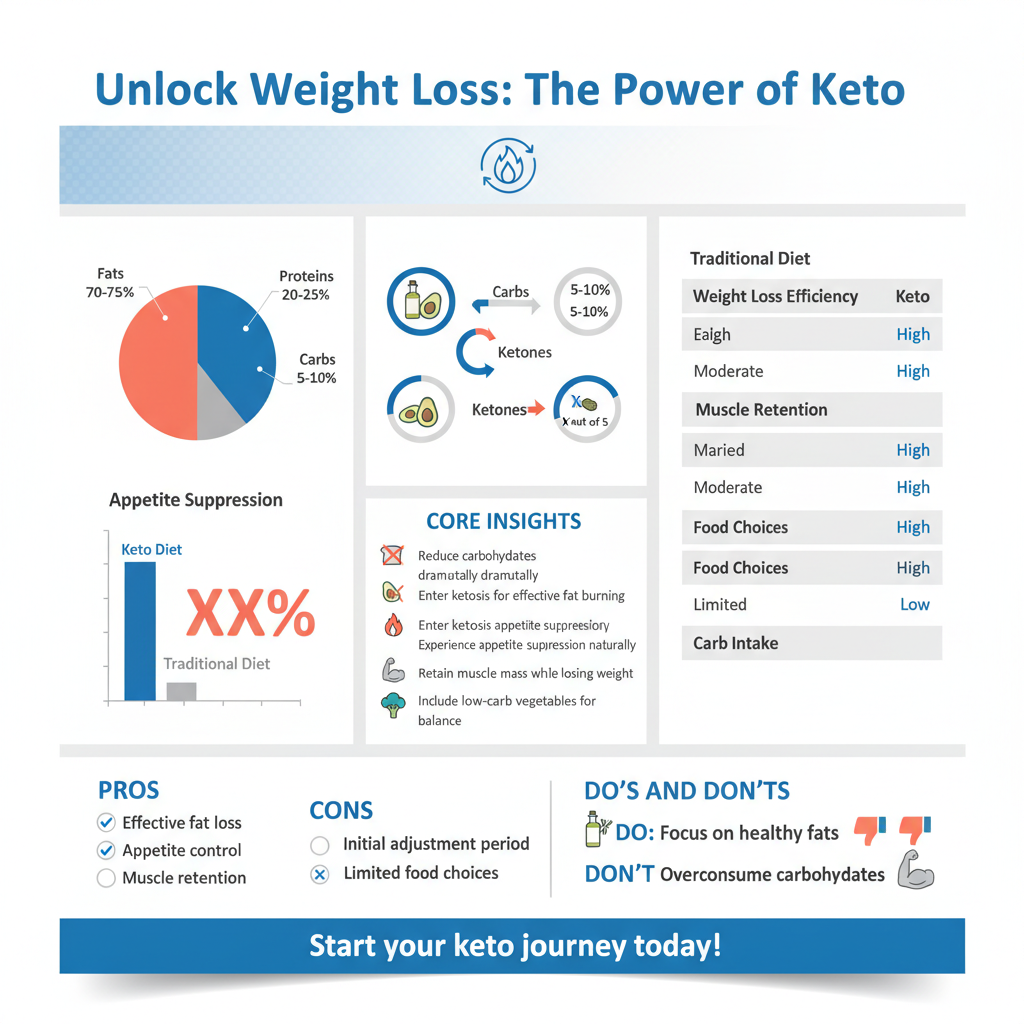

One of the primary benefits of the ketogenic diet for weight loss is its ability to suppress appetite. Many individuals find that when their bodies are in ketosis, they experience reduced hunger and cravings, making it easier to consume fewer calories without feeling deprived. This appetite suppression is attributed to the high-fat content of the diet, which promotes satiety and satisfaction after meals.
Furthermore, studies have shown that increased fat oxidation on a keto diet leads to more effective fat loss compared to traditional low-calorie diets. This means that not only do individuals lose weight, but they also tend to retain lean muscle mass during the process. Retaining muscle is crucial because it helps maintain metabolic rate and supports overall body composition. As a result, the keto diet can facilitate a more sustainable and healthier weight loss journey.
Foods to Include on a Keto Diet
When embarking on a keto diet, it is essential to choose foods that align with its macronutrient ratios. Healthy fats should be the cornerstone of your meals. Foods such as avocados, olive oil, coconut oil, and various nuts like almonds and walnuts are excellent sources of fats that nourish the body and provide energy.
In addition to fats, incorporating low-carb vegetables is critical for maintaining nutritional balance. Leafy greens such as spinach and kale, cruciferous vegetables like broccoli and cauliflower, and other low-starch options like zucchini and bell peppers are not only low in carbohydrates but also packed with essential vitamins and minerals. These vegetables can be prepared in a variety of ways, adding flavor and texture to your meals while ensuring that you stay within your carb limits.
Foods to Avoid for Effective Weight Loss
To achieve effective weight loss on a keto diet, it is vital to eliminate high-carbohydrate foods that can hinder your progress. Foods such as bread, pasta, rice, and sugary snacks should be strictly avoided, as they can quickly push you out of ketosis and negate the benefits of your dietary efforts.
Additionally, it’s important to be cautious with certain fruits and starchy vegetables that may seem healthy but are high in sugars and carbohydrates. For instance, bananas, apples, and potatoes can contain significant amounts of carbs that can disrupt your ketogenic state. Instead, opt for berries in moderation, as they tend to be lower in carbs and can satisfy sweet cravings without derailing your diet.
Tips for Staying on Track
Staying committed to a keto diet can be challenging, but several strategies can help you remain on track. One effective method is meal planning and prepping. By dedicating time each week to plan your meals and prepare snacks in advance, you can avoid the temptation of convenience foods that are often high in carbs. Batch-cooking keto-friendly recipes can save time during the week and ensure that you always have healthy options available.
Another valuable approach is to keep a food journal. Tracking your macronutrient intake and progress can provide insights into your eating habits and help you stay accountable. This practice not only encourages mindfulness about what you consume but also allows you to identify areas for improvement. Many apps are available that can simplify this process, making it easier to adhere to your dietary goals.
Common Challenges and How to Overcome Them
Embarking on a keto diet may present certain challenges, especially in the initial stages. One common issue is the “keto flu,” a term used to describe a set of symptoms that some individuals experience as their bodies adjust to ketosis. Symptoms may include fatigue, headaches, irritability, and digestive issues. To mitigate these effects, it is crucial to stay hydrated and ensure that you are replenishing electrolytes by consuming foods rich in potassium, magnesium, and sodium.
Social situations can also pose challenges for those on a keto diet. Whether attending a dinner party or dining out, it can be difficult to find suitable options. To navigate these scenarios, prepare keto-friendly snacks to bring along, ensuring you have something to nibble on when options are limited. Additionally, communicating your dietary preferences to friends or family can help them accommodate your needs, making social gatherings less stressful.
In summary, while the keto diet may come with its set of challenges, being proactive and prepared can significantly enhance your experience and success on this dietary journey.
By focusing on a high-fat, low-carb eating plan, understanding the benefits of ketosis, and implementing effective strategies to stay on track, individuals can achieve their weight loss goals while enjoying the numerous health benefits associated with the ketogenic lifestyle. Remember, consistency is key. Begin your keto journey today, and embrace the transformative potential it holds for your health and well-being.
Frequently Asked Questions
What foods should I avoid on a keto diet to lose weight?
To effectively lose weight on a keto diet, it’s crucial to avoid high-carb foods. This includes sugary snacks, bread, pasta, grains, and starchy vegetables like potatoes and corn. Additionally, limit fruits to low-sugar options like berries, and steer clear of processed foods that can contain hidden sugars and carbs. Emphasizing whole, unprocessed foods will help maintain ketosis, which is essential for weight loss.
How can I ensure I stay in ketosis while losing weight on keto?
To stay in ketosis and promote weight loss, you should monitor your daily carbohydrate intake, aiming for about 20-50 grams of net carbs per day. Incorporating healthy fats, such as avocados, nuts, and olive oil, will help keep you satiated and provide the energy needed during this low-carb phase. Regularly testing your ketone levels using urine strips or blood meters can also help you track your progress and ensure you remain in ketosis.
Why am I not losing weight on a keto diet despite following the guidelines?
There are several reasons you might not be losing weight on a keto diet, even if you’re following the guidelines. One common issue is inadvertently consuming too many carbs, which can kick you out of ketosis. Other factors include stress, hormonal imbalances, or not getting enough sleep, all of which can hinder weight loss. Additionally, overconsumption of high-calorie keto foods can lead to weight gain, so it’s essential to maintain portion control.
What is the best way to start a keto diet for weight loss?
The best way to start a keto diet is to first educate yourself on the macronutrient ratios, aiming for a diet that consists of approximately 70% fats, 25% protein, and 5% carbohydrates. Begin by planning your meals and snacks with keto-friendly foods, such as meats, fish, eggs, dairy, non-starchy vegetables, and healthy fats. Gradually reduce your carbohydrate intake to avoid withdrawal symptoms, and consider keeping a food journal to track your progress and adjustments.
Which keto snacks are effective for weight loss?
Effective keto snacks for weight loss include options that are high in healthy fats and low in carbohydrates. Some great choices are nuts (like almonds and walnuts), cheese, hard-boiled eggs, or guacamole with vegetable sticks. Additionally, you can enjoy sugar-free beef jerky or keto-friendly protein bars. Choosing snacks that align with your dietary goals will help you feel satisfied and prevent cravings, supporting your weight loss journey on the keto diet.
References
- https://www.ncbi.nlm.nih.gov/pmc/articles/PMC5960734/
- The Ketogenic Diet: A Detailed Beginner’s Guide to Keto
- https://www.webmd.com/diet/obesity/what-is-the-ketogenic-diet
- https://www.jamanetwork.com/journals/jama/fullarticle/2679684
- https://www.mayoclinic.org/healthy-lifestyle/nutrition-and-healthy-eating/in-depth/keto-diet/art-20411303
- https://www.hsph.harvard.edu/nutritionsource/what-is-the-keto-diet/
- https://www.cdc.gov/healthyweight/losing_weight/index.html
- https://www.nutrition.gov/topics/nutrition-education/healthy-weight-loss-approaches

