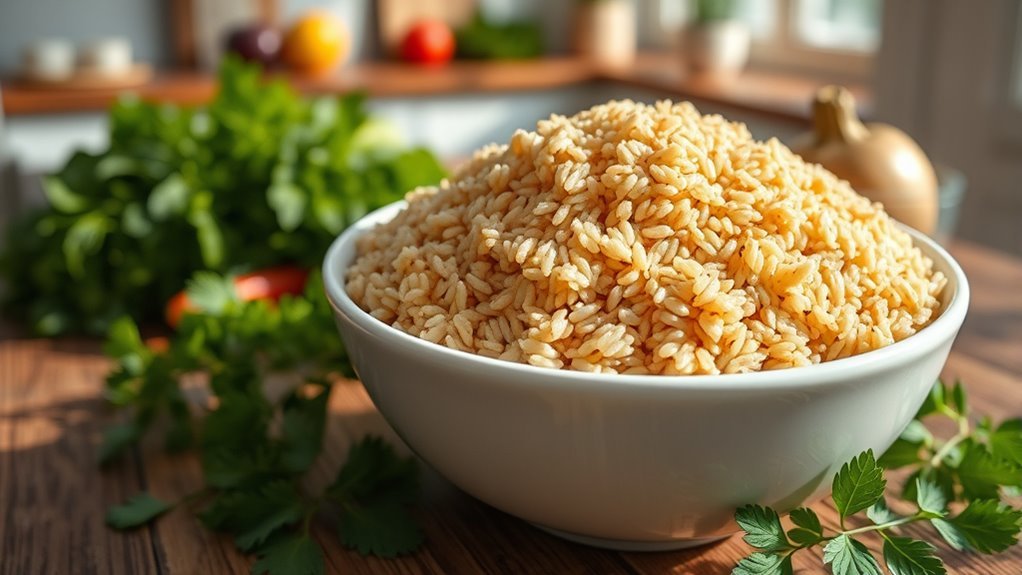

You can’t have brown rice on a strict ketogenic diet. It contains about 45 grams of carbs per cooked serving, which can hinder your ability to maintain ketosis. While it’s nutritious and high in fiber, those carbs could disrupt your goals. Instead, consider alternatives like cauliflower rice or zucchini noodles, which are much lower in carbs. If you’re curious about how to implement these changes effectively, you might find more helpful tips ahead.
Understanding the Ketogenic Diet
Although many diets promise quick weight loss, the ketogenic diet stands out due to its unique approach to macronutrient ratios. At its core, the ketogenic principles emphasize a high-fat, moderate-protein, and low-carbohydrate intake. This macro balance shifts your body’s primary energy source from glucose to ketones, produced from fat. By minimizing carbs, you can potentially enter a state of ketosis, where fat burning is optimized. This diet offers the freedom to enjoy rich, satisfying foods while still promoting weight loss and improved energy levels. However, it’s crucial to pay attention to food quality and nutrient density to guarantee overall health. Limiting carb intake wisely can lead to sustainable results that support both your lifestyle and wellness goals.
Carb Content of Brown Rice
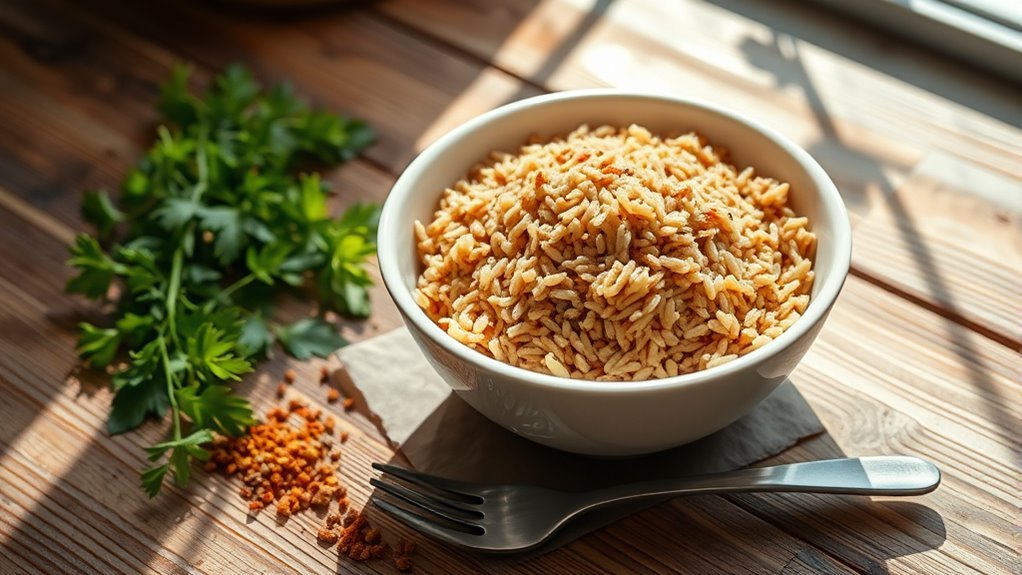
When considering brown rice on a ketogenic diet, it’s essential to examine its nutritional profile, particularly its carbohydrate content. A typical serving of cooked brown rice contains about 45 grams of carbs, which can greatly impact your ability to stay in ketosis. By comparing this with other low-carb alternatives, you can better understand how brown rice fits into your overall dietary goals. Additionally, the ketogenic diet emphasizes a significant reduction in carbohydrate intake to achieve ketosis.
Nutritional Profile Overview
Brown rice is often touted as a healthier alternative to white rice, but its carbohydrate content can pose challenges for those following a ketogenic diet. When examining the nutritional profile of brown rice, you’ll find a macro breakdown that typically includes about 45 grams of carbs per cooked cup, which can quickly exceed daily carb limits on keto. However, it also offers health benefits such as fiber, which aids digestion, and essential nutrients like magnesium and B vitamins. While its lower glycemic index makes it a better choice than white rice, the carb content remains significant. If you’re seeking to maintain ketosis, understanding these factors is vital in deciding whether to incorporate brown rice into your meals. Additionally, the high carbohydrate count can disrupt ketosis, making it essential to carefully consider portion sizes.
Carb Count Comparison
While many people appreciate brown rice for its nutritional benefits, it’s important to closely examine its carbohydrate content, especially if you’re on a ketogenic diet. A typical serving of brown rice contains around 45 grams of carbs, which can greatly hinder your ketosis efforts. Here’s a quick comparison of brown rice versus some popular carb alternatives:
| Food Item | Carbohydrates (grams) | Notes |
|---|---|---|
| Brown Rice | 45 | High carb content |
| Cauliflower Rice | 5 | Low in carbs, great substitute |
| Zucchini Noodles | 4 | Low carb, versatile option |
| Shirataki Rice | 1 | Extremely low in carbs |
Choosing rice substitutes can help you maintain your keto lifestyle while still enjoying satisfying meals. It’s essential to keep your daily carb limits between 20 to 50 grams to stay in ketosis.
Impact on Ketosis
Understanding the carbohydrate content of brown rice is essential for anyone on a ketogenic diet. Brown rice contains approximately 45 grams of carbs per cooked cup, which can greatly impact ketosis. When your goal is to maintain a state of ketosis, your daily carb intake typically needs to be around 20-50 grams. Consuming brown rice can lead to exceeding this limit, potentially disrupting the metabolic effects that promote fat burning. This spike in carbs could shift your body out of ketosis, making it harder to achieve your dietary goals. If you’re seeking freedom in your food choices, consider alternatives that provide essential nutrients without derailing your ketosis, such as cauliflower rice or zucchini noodles, which are lower in carbs.
Nutritional Benefits of Brown Rice
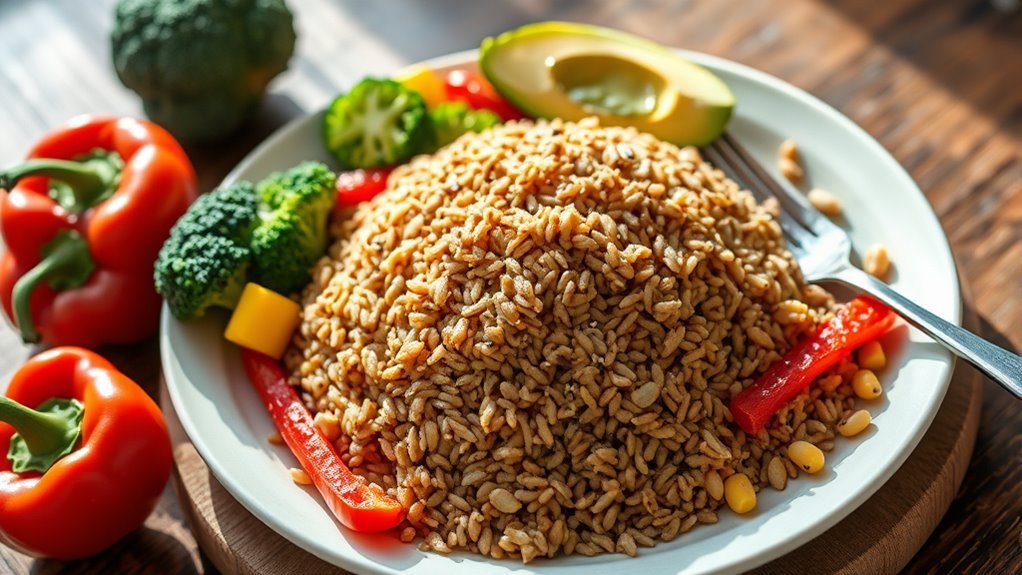
Brown rice offers a wealth of nutritional benefits that can enhance your diet. Its high fiber content supports digestive health and can help regulate blood sugar levels, making it a valuable addition for many. Additionally, brown rice is rich in essential vitamins and minerals, such as magnesium and B vitamins, which are vital for overall well-being.
Fiber Content Importance
As you explore the nutritional benefits of foods on a keto diet, the fiber content of brown rice stands out due to its significant role in digestive health. Unlike many low-fiber options, brown rice provides a robust source of dietary fiber, which can help maintain regular bowel movements and support overall gut health. This is essential for anyone looking to enhance their dietary freedom while managing their digestion. By incorporating brown rice as one of your fiber sources, you can help prevent constipation and promote a balanced microbiome. While it’s important to be mindful of your carbohydrate intake on keto, understanding the fiber benefits can empower you to make informed choices that align with your health goals.
Vitamins and Minerals
Incorporating brown rice into your diet not only enhances fiber intake but also provides a wealth of vitamins and minerals that can support overall health. Its nutrient density makes it a valuable addition, particularly for those seeking to optimize vitamin absorption.
| Vitamin/Mineral | Benefits |
|---|---|
| Magnesium | Supports muscle and nerve function |
| B Vitamins | Boosts energy metabolism |
| Iron | Essential for blood production |
| Zinc | Aids immune function |
| Manganese | Important for bone health |
These nutrients work synergistically, contributing to your well-being. While brown rice is higher in carbohydrates, understanding its nutritional profile can help you make informed decisions about your dietary choices.
Comparing Brown Rice to Other Grains
While many people turn to brown rice as a staple in their diets, it’s essential to compare it with other grains to understand its true nutritional value, especially on a keto diet. For instance, quinoa offers a higher protein content and a lower glycemic index, making it a better option if you’re focused on maintaining stable blood sugar levels. When considering health benefits, quinoa also provides more essential amino acids. Regarding cooking methods, both grains require similar preparation times, but portion sizes can differ considerably. Depending on your dietary preferences, brown rice may serve as a comforting staple, but exploring grain substitutes like cauliflower rice can help you stay in ketosis while still enjoying delicious meals.
Alternatives to Brown Rice on Keto
If you’re looking to maintain a keto-friendly diet, there are several alternatives to brown rice that can help you stay within your carbohydrate limits without sacrificing flavor or texture. Cauliflower rice is a popular choice, as it contains only about 5 grams of carbs per cup and can easily absorb flavors from spices and sauces. You can sauté it or use it in stir-fries for a satisfying dish without the carbs. Another great option is zucchini noodles, or “zoodles,” which are low in carbs and can serve as a base for pasta dishes. Both alternatives provide versatility and can be customized to fit your meals, making them excellent substitutes for brown rice while keeping your keto journey on track. Additionally, incorporating low-carb alternatives promotes creativity in meal prep and ensures you enjoy a variety of dishes.
Creative Ways to Incorporate Low-Carb Ingredients
Using low-carb alternatives not only helps maintain a keto diet but also opens up a world of creative culinary possibilities. You can experiment with various low carb swaps that can enhance your meals while keeping carbs in check. Here are three ideas to inspire your next meal:
- Zucchini Noodles: Replace pasta with spiralized zucchini for a fresh, low-carb base.
- Cauliflower Rice: Use grated cauliflower instead of brown rice; it’s versatile and absorbs flavors well, making it a satisfying alternative to higher-carb foods.
- Almond Flour: Swap traditional flour in baking with almond flour; it provides a nutty flavor and lower carbs.
These creative recipes will keep your meals exciting and satisfying, allowing you to enjoy delicious dishes without compromising your keto lifestyle.
Meal Planning on a Ketogenic Diet
Meal planning on a ketogenic diet is vital for staying on track and achieving your nutritional goals. By prioritizing meal prep, you can guarantee you have low-carb options readily available, reducing the temptation to stray from your plan. Start by selecting recipes that align with your macro requirements and prepare them in batches. Portion control is also significant; it helps you avoid overeating and keeps your carb intake in check. Consider investing in meal containers to easily store and track your portions. By planning your meals, you create a sense of freedom, allowing you to enjoy a variety of flavors while adhering to your ketogenic lifestyle. With the right strategies, you can enjoy the benefits of the diet without feeling restricted. Additionally, understanding the importance of healthy fats can help you make better choices in your meal planning.
Tips for Staying in Ketosis
Staying in ketosis requires a strategic approach beyond just meal planning. To maintain your state of fat-burning bliss, consider these tips:
- Prioritize Keto Snacks: Keep low-carb snacks on hand, like cheese, nuts, or veggie sticks, to curb cravings and avoid high-carb temptations.
- Focus on Meal Prepping: Plan and prepare your meals in advance. This not only saves time but guarantees you stick to keto-friendly options throughout the week.
- Monitor Your Macros: Regularly track your carbohydrate intake to ensure you stay within your limits. A food diary or app can help you stay accountable. Additionally, understanding net carbs vs. total carbs is essential for effective dietary management and helps maintain your ketosis.
Final Thoughts on Brown Rice and Keto
While brown rice is often hailed as a healthy whole grain, its place in a ketogenic diet is a topic of debate. It offers health benefits such as fiber and essential nutrients, but its higher carbohydrate content can hinder your ability to maintain ketosis. If you’re committed to a strict keto lifestyle, you’ll likely want to limit or avoid brown rice altogether. However, if you value diet flexibility and are willing to adjust your carb intake, incorporating it occasionally might be feasible. Ultimately, it’s about finding a balance that aligns with your health goals. You can enjoy the freedom of choice, but consider how brown rice fits into your overall dietary strategy while staying mindful of your macronutrient targets. Additionally, monitoring your overall carb intake is essential for maintaining ketosis.
Frequently Asked Questions
Can I Eat Brown Rice Occasionally on a Keto Diet?
Yes, you can eat brown rice occasionally on a keto diet, but it’s essential to stick to keto guidelines. Brown rice is higher in carbs compared to other low-carb options, so your occasional indulgence should be carefully planned. If you’re mindful of your daily carb intake and guarantee it fits within your limits, enjoying brown rice once in a while can be a tasty treat without derailing your progress. Balance is key!
What Are the Effects of Brown Rice on Ketosis?
Brown rice can be a double-edged sword in your quest for ketosis. While it offers some nutritional benefits like fiber and vitamins, its higher carbohydrate content poses challenges to maintaining ketosis. You might find that even occasional consumption can disrupt your ketone levels, making it harder to stay in that fat-burning zone. Balancing brown rice’s benefits against these ketosis challenges requires careful consideration of your overall carb intake and dietary goals.
How Does Brown Rice Affect Blood Sugar Levels?
Brown rice can greatly affect your blood sugar levels due to its glycemic index. While it’s considered healthier than white rice, it still has a moderate glycemic index, meaning it can cause a rise in blood sugar after consumption. If you’re mindful of your carb intake, you might want to limit brown rice, especially if you’re sensitive to blood sugar spikes. Balancing it with high-fiber foods can help mitigate these effects.
Are There Any Keto-Friendly Brown Rice Substitutes?
If you’re seeking scrumptious substitutes for brown rice, consider cauliflower rice and shirataki noodles. Cauliflower rice, a clever cauliflower creation, keeps carbs low while adding fiber and nutrients. Shirataki noodles, made from konjac yam, are practically calorie-free and keto-friendly, making them a versatile option. Both alternatives can be seasoned and served in a variety of dishes, offering you the freedom to enjoy satisfying meals without compromising your keto goals.
Can Brown Rice Be Part of a Low-Carb Meal Prep?
Brown rice isn’t typically part of low-carb meal prep due to its higher carbohydrate content. However, if you’re flexible with your carb intake, you can incorporate it in moderation. Just be mindful of portion sizes and balance it with low-carb veggies and proteins. It’s all about finding what works for you while still enjoying your meals. Consider experimenting with substitutes like cauliflower rice for a more keto-friendly option.
References
- https://www.healthline.com/nutrition/keto-diet-foods#grains
- https://www.ncbi.nlm.nih.gov/pmc/articles/PMC7073743/
- https://www.mayoclinic.org/healthy-lifestyle/nutrition-and-healthy-eating/in-depth/keto-diet/art-20459833
- https://www.webmd.com/diet/what-is-the-keto-diet
- https://www.verywellfit.com/keto-diet-foods-5181458
- https://www.cdc.gov/nutrition/index.html
- https://www.usda.gov/topics/food-and-nutrition