

To maintain ketosis, you should limit your daily sugar intake to about 20 to 50 grams. This restriction helps your body burn fat for energy instead of relying on carbohydrates. Consuming too much sugar can spike insulin levels, disrupting ketosis and making it harder for you to lose weight. It’s important to be mindful of hidden sugars in processed foods and explore sugar alternatives. For additional insights on managing sugar while on keto, there’s more to discover.
Understanding Ketosis and Its Relationship With Sugar
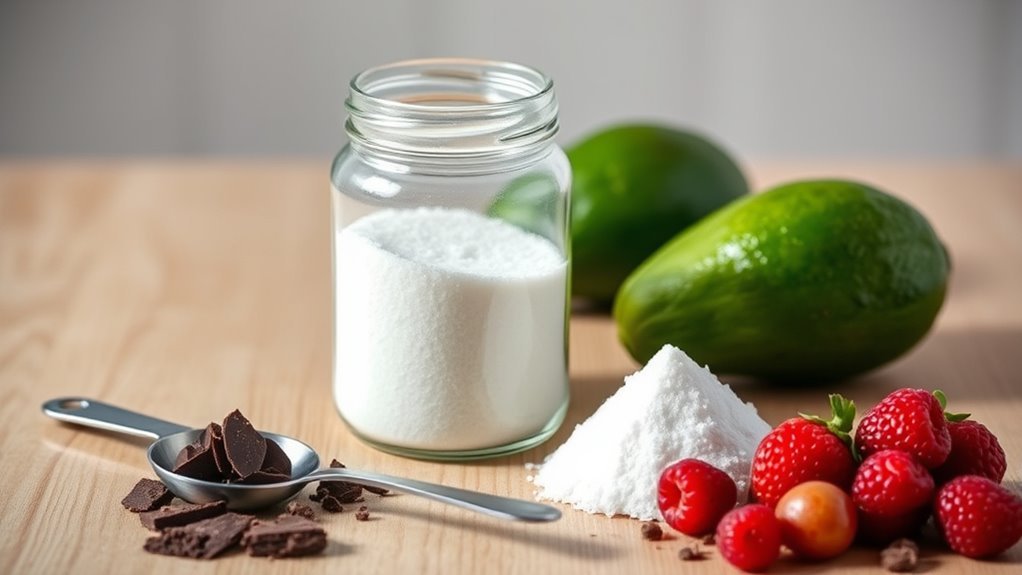
When you’re considering a ketogenic diet, it’s vital to understand how sugar impacts ketosis. Ketosis is a metabolic state where your body primarily burns fat for fuel instead of carbohydrates. This shift happens when your sugar intake is drastically reduced, allowing your body to deplete its glycogen stores. In sugar metabolism, glucose is the main energy source, but when you limit sugar, your body adapts by producing ketones from fat. This process is fundamental for maintaining ketosis. If you consume high amounts of sugar, it can spike insulin levels, disrupting ketosis and pushing your body back into glucose metabolism. Understanding this relationship empowers you to make informed choices, ultimately allowing you to enjoy the benefits of a ketogenic lifestyle. Maintaining a daily carb intake of 20-50 grams is essential for achieving and sustaining ketosis.
Recommended Daily Carbohydrate Intake on Keto

Most ketogenic diets recommend keeping your daily carbohydrate intake between 20 to 50 grams. Sticking to these daily carb limits can help you achieve ketosis, enhancing the keto benefits like improved energy levels and mental clarity. Everyone’s body is different, so you might need to adjust these limits based on personal goals or activity levels. Understanding individual metabolic rate can also influence your carb needs and help tailor your keto experience.
Here’s a simple breakdown:
| Daily Carb Intake | Keto Benefits |
|---|---|
| 20 grams | Rapid fat loss |
| 30 grams | Increased energy |
| 40 grams | Enhanced mental focus |
| 50 grams | Sustainable weight loss |
Finding the right balance within these ranges empowers you to enjoy your keto journey while maximizing its advantages.
The Impact of Sugar on Ketosis
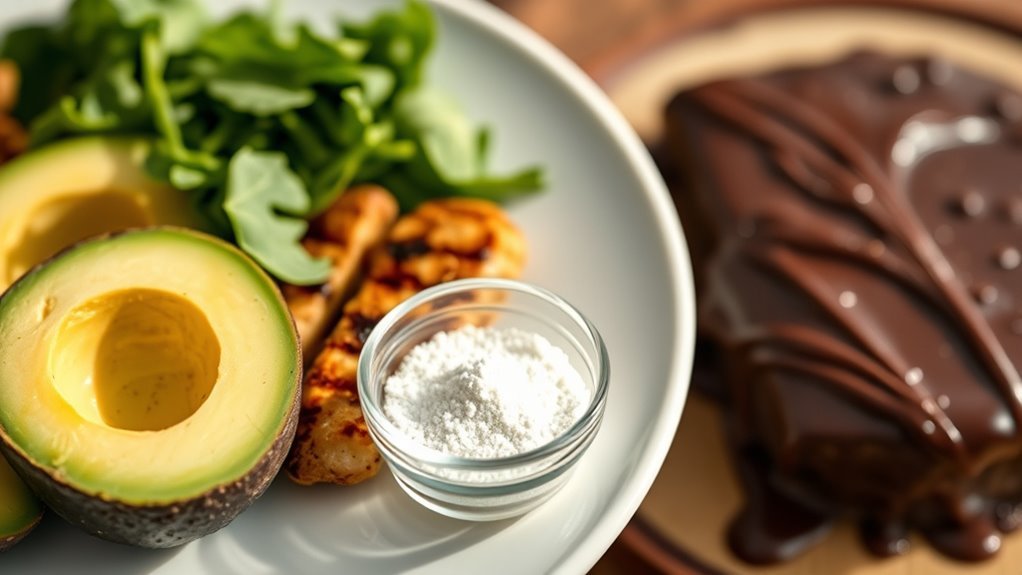
Although sugar might be a common ingredient in many diets, its presence in a ketogenic lifestyle can considerably hinder your ability to maintain ketosis. When you consume sugar, your body prioritizes glucose for energy, disrupting normal sugar metabolism. This shift can lead to a spike in insulin levels, which ultimately affects your ketosis effects. You might find it challenging to burn fat for fuel, as the body reverts to using carbs instead. To stay in ketosis, it’s essential to limit your sugar intake, focusing on low-carb alternatives. By doing so, you empower your body to utilize fat, enhancing your energy levels and promoting overall well-being while enjoying the freedom that a ketogenic diet can offer. Additionally, cane sugar can disrupt ketosis by rapidly raising blood sugar, making it vital to choose alternative sweeteners.
Natural vs. Added Sugars: What You Need to Know
Understanding the difference between natural and added sugars can help you make informed choices on a ketogenic diet. Natural sweeteners, like honey and maple syrup, come from plants and can contain vitamins and minerals. In contrast, added sugars are often processed and provide empty calories. Here’s a quick comparison:
| Sugar Type | Examples | Impact on Keto |
|---|---|---|
| Natural Sweeteners | Honey, Agave | Moderation needed |
| Added Sugars | Table Sugar, Syrups | Generally avoided |
| Sugar Types | Fructose, Sucrose | Check carb counts |
In addition, understanding quinoa’s carbohydrate content is essential for making informed dietary choices, especially for those aiming for a low-carb diet.
Sugar Alcohols and Their Role in a Keto Diet
When you’re steering through a ketogenic diet, sugar alcohols can be a useful alternative to traditional sugars. They offer benefits like lower calories and a minimal impact on blood sugar, making them appealing for those wanting to satisfy their sweet tooth without kicking themselves out of ketosis. Popular options include erythritol and xylitol, both of which provide sweetness with fewer carbs.
However, sugar alcohols have drawbacks too. Some people may experience digestive issues, like bloating or gas, especially with larger amounts. Plus, not all sugar alcohols are created equal—some may still affect your blood sugar levels. It’s essential to experiment and find what works best for you while maintaining balance in your keto journey.
Hidden Sugars in Common Foods
Many people don’t realize that hidden sugars lurk in a variety of everyday foods, making it challenging to maintain a strict keto diet. Condiments like ketchup and barbecue sauce often contain surprising amounts of sugar, while even savory items like salad dressings can pack hidden sugars. Processed snacks and “healthy” granola bars frequently list sugars among their ingredients. To stay on track, it’s essential to scrutinize food labels carefully. Look for terms like sucrose, glucose, or corn syrup, which indicate the presence of hidden sugars. By being vigilant about what you consume, you can better navigate your keto journey and enjoy the freedom that comes with a low-carb lifestyle. Knowledge is your best tool in avoiding these sneaky sugars! Additionally, opting for low-carb alternatives can help you enjoy your favorite condiments without compromising your ketogenic lifestyle.
Tips for Reducing Sugar Intake on Keto
Identifying hidden sugars is just the first step in reducing sugar intake on a keto diet. To effectively manage sugar cravings and embrace mindful eating, consider these tips:
Identifying hidden sugars is crucial for reducing sugar intake on a keto diet and managing cravings effectively.
- Read Labels: Always check nutritional labels for hidden sugars in packaged foods.
- Plan Meals: Prepare your meals ahead of time to avoid the temptation of high-sugar options.
- Stay Hydrated: Drink plenty of water; sometimes thirst can be mistaken for hunger or cravings.
- Choose Whole Foods: Focus on whole, unprocessed foods that naturally contain little to no sugar. Additionally, being aware of the carbohydrate content of fruits like apricots can help maintain your keto goals.
Alternatives to Sugar for Keto-Friendly Sweetening
While sugar is often a staple in many diets, those following a keto lifestyle can still satisfy their sweet tooth with various alternatives that align with their nutritional goals. Sugar substitutes like stevia, erythritol, and monk fruit are popular choices, as they provide sweetness without the carbs. These options can elevate your keto desserts without kicking you out of ketosis. Not only are they low in calories, but they also won’t spike your blood sugar levels. When selecting a sugar substitute, it’s essential to evaluate taste and potential digestive effects. Stevia’s zero glycemic impact can be particularly advantageous for maintaining stable blood sugar levels. Experimenting with different sweeteners can help you find the perfect match for your favorite treats, allowing you to enjoy your desserts while staying true to your keto journey.
Frequently Asked Questions
Can I Have Fruit on a Keto Diet?
Yes, you can have fruit on a keto diet, but you’ll want to choose wisely. Focus on low carb fruits like berries, avocados, and olives, which are great keto fruit choices. They’re lower in sugar and won’t kick you out of ketosis. Just be mindful of portion sizes to stay within your carb limits. With the right selections, you can enjoy the flavors of fruit while maintaining your keto lifestyle.
What Are the Symptoms of Sugar Withdrawal on Keto?
When you cut sugar from your diet, you might experience withdrawal symptoms like headaches, fatigue, and irritability. These sugar cravings can be intense, making it hard to resist that sweet treat. You may also feel mood swings as your body adjusts. It’s important to stay hydrated and consider low-carb snacks to help ease these symptoms. Remember, this phase is temporary, and your body will adapt to the new way of eating.
How Does Stress Affect Sugar Cravings on Keto?
When stress hits, it can feel like a storm brewing inside you, leading to sugar cravings. Elevated cortisol levels from stress can increase your desire for sweet foods as your body seeks quick energy. Managing stress effectively helps stabilize your cravings, making it easier to stick to your keto goals. Techniques like mindfulness or exercise can lower cortisol levels, helping you regain control over those tempting urges and find freedom in your dietary choices.
Is Honey Considered Keto-Friendly?
Honey isn’t considered keto-friendly due to its high sugar content, which can disrupt ketosis. If you’re looking for sweet alternatives, consider using keto sweeteners like stevia, erythritol, or monk fruit. These honey alternatives provide sweetness without the carbs, allowing you to enjoy your favorite flavors while staying true to your keto goals. Remember, moderation is key, so always check labels and adjust based on how your body responds.
Can I Use Stevia on a Keto Diet?
Yes, you can use stevia on a keto diet! It’s a popular choice among stevia alternatives due to its negligible carbs and calories. When following sweetener guidelines, prioritize pure stevia extracts to avoid added sugars or fillers. This way, you can enjoy sweetness without disrupting your ketosis. Incorporating stevia allows you to satisfy your sweet tooth while maintaining your dietary goals, giving you the freedom to enjoy flavors you love without guilt.
References
- https://www.healthline.com/nutrition/keto-diet-and-sugar
- https://www.ncbi.nlm.nih.gov/pmc/articles/PMC6520882/
- https://www.webmd.com/diet/what-is-the-keto-diet
- https://www.diabetes.org/nutrition/healthy-foods/sugar-and-sweeteners
- https://www.mayoclinic.org/healthy-lifestyle/nutrition-and-healthy-eating/expert-answers/keto-diet/faq-20418912
- https://www.hhs.gov/fitness/eat-healthy/dietary-guidelines/sugar.html
- https://www.nutrition.gov/topics/nutrition-and-health/added-sugars
- https://www.cdc.gov/nutrition/data-statistics/added-sugars.html