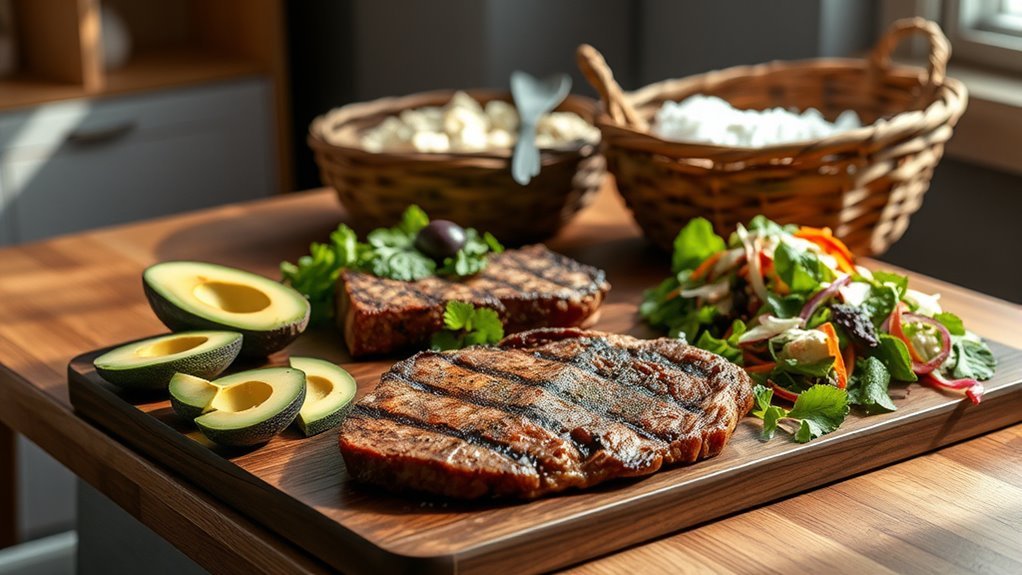

Keto isn’t inherently gluten-free, but you can easily adapt it to eliminate gluten by choosing the right foods. While many keto-friendly options focus on low-carb, whole foods like meat, seafood, and vegetables, some processed items may contain gluten. Reading labels is essential to avoid hidden sources. By focusing on gluten-free ingredients and meal prep, you can enjoy the benefits of both diets. Discovering the right strategies can help you achieve your health goals effectively.
Understanding the Ketogenic Diet
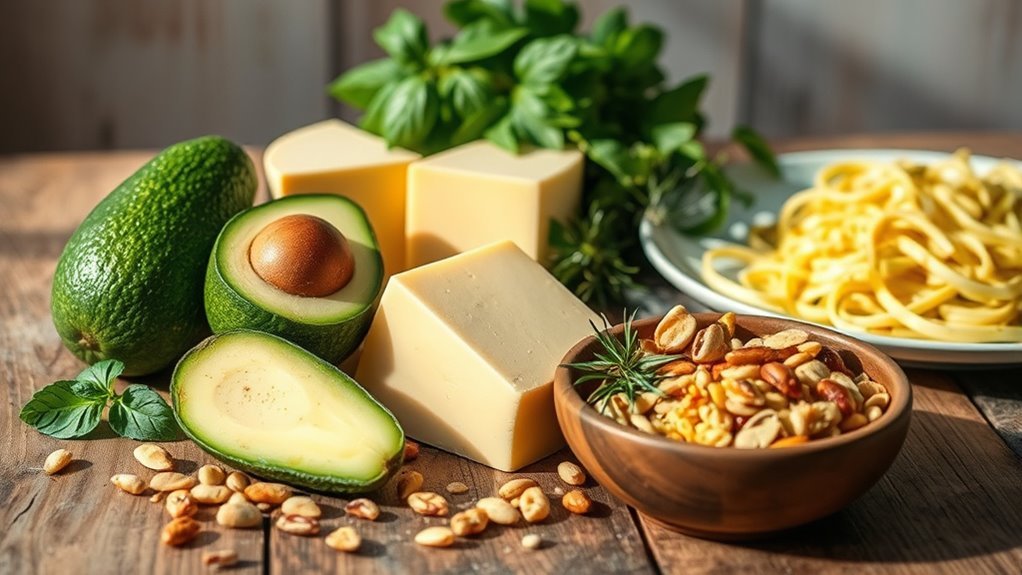
While many diets focus on calorie counting or macronutrient balance, the ketogenic diet takes a different approach by considerably reducing carbohydrate intake. By following the ketogenic principles, you shift your body’s metabolism to burn fat for fuel instead of sugar. This involves increasing your intake of dietary fat while minimizing carbs, usually to about 5-10% of your daily caloric intake. As your body enters ketosis, it adapts to using ketones produced from fat as its primary energy source. This shift can lead to enhanced energy levels and reduced hunger. It’s crucial to focus on healthy fats—like avocados, nuts, and olive oil—to guarantee you’re nourishing your body while enjoying the freedom that this low-carb lifestyle provides. Additionally, understanding macronutrient ratios is essential for maintaining successful ketosis.
The Basics of Gluten and Gluten Sensitivity
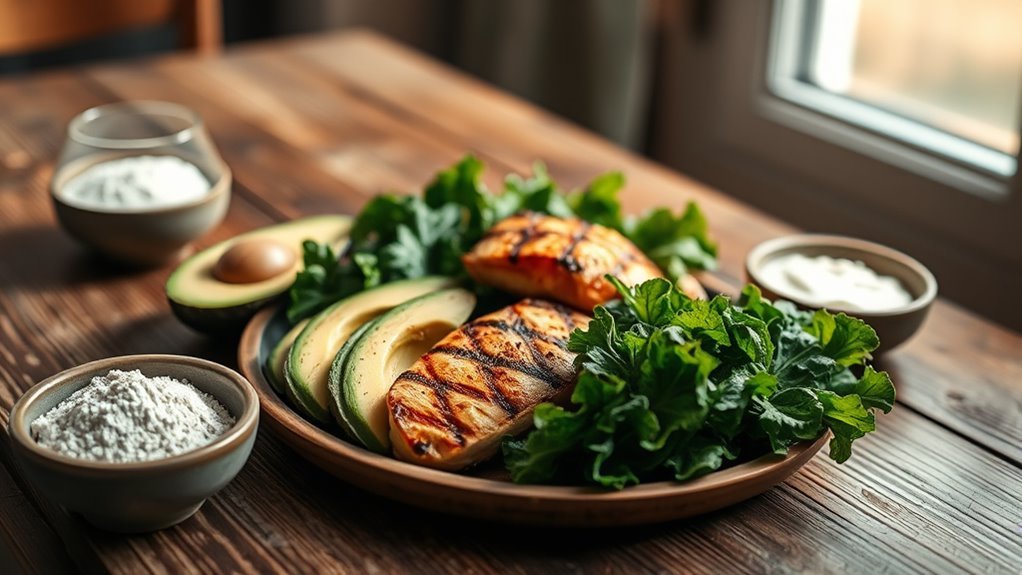
Gluten, a protein found in wheat, barley, and rye, can be a confusing topic, especially as more people report adverse reactions to it. Understanding gluten sensitivity is vital for those experiencing discomfort. Here’s a quick overview:
| Gluten Definition | Gluten Sources | Gluten Reactions |
|---|---|---|
| A protein in certain grains | Wheat, barley, rye | Bloating, fatigue, headaches |
| Affects digestion | Bread, pasta, beer | Skin rashes, joint pain |
| Can trigger immune response | Processed foods | Nausea, digestive issues |
Gluten testing can help diagnose sensitivities, while gluten-free alternatives are widely available. As gluten awareness rises, it’s essential to understand your body’s reactions to achieve digestive freedom and wellness.
Keto-Friendly Foods That May Contain Gluten
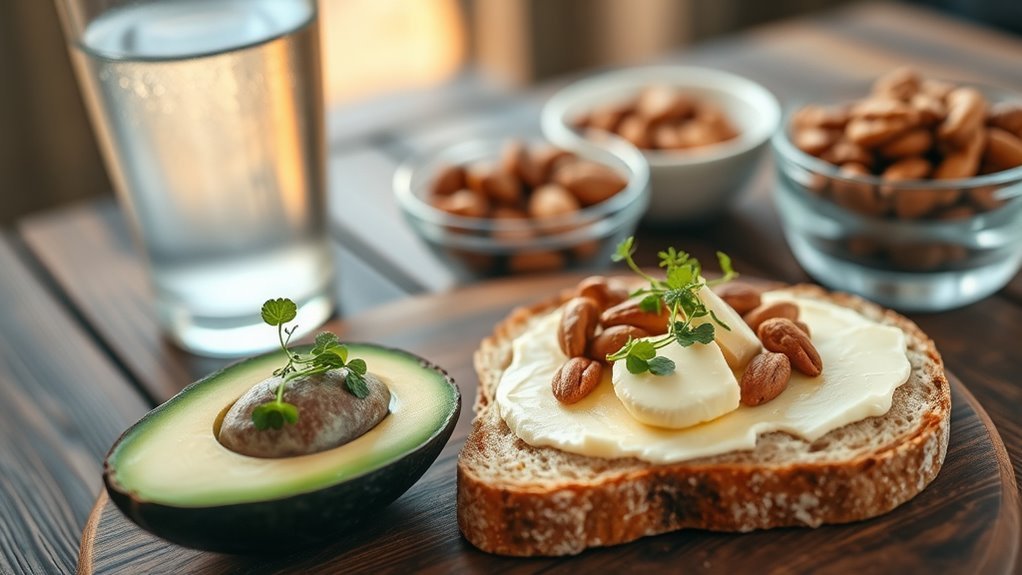
Many people following a ketogenic diet may not realize that some foods they consider keto-friendly can still contain gluten. While you might enjoy various keto snacks, it’s essential to check for hidden gluten sources. Here are a few common culprits:
- Processed meats: Some deli meats and sausages may use fillers that contain gluten.
- Low-carb breads: Many store-bought options can include gluten-based ingredients for texture.
- Sauces and dressings: Certain condiments may contain gluten as a thickening agent.
Additionally, be cautious with store-bought mayonnaise as some brands may include additives that disrupt both keto and gluten-free diets. Being aware of these potential gluten sources allows you to make informed choices that align with your dietary goals. Always read labels carefully to guarantee your keto-friendly foods truly fit your gluten-free lifestyle. Enjoy your freedom in food choices!
Naturally Gluten-Free Foods in a Keto Diet
On a keto diet, you’ll find plenty of naturally gluten-free options that can help you stay within your carb limits. Focus on incorporating various meats, seafood, and low-carb vegetables into your meals for a nutritious balance. These foods not only fit your dietary needs but also provide essential nutrients to support your overall health. Additionally, incorporating leafy greens like spinach and kale can enhance your nutrient intake while keeping your carb count low.
Meat and Seafood Options
When you’re following a keto diet, incorporating meat and seafood options is not only satisfying but also naturally gluten-free. These foods are packed with protein and healthy fats, making them perfect for your low-carb lifestyle. You’ll find plenty of delicious choices that fit seamlessly into your meals.
- Meat Varieties: Think beef, pork, lamb, and poultry. Each offers unique flavors and nutrients.
- Seafood Selections: Options like salmon, shrimp, and scallops are rich in omega-3 fatty acids and protein.
- Processing Awareness: Always check for additives in processed meats, as they can sometimes contain gluten.
Incorporating these options can help you enter ketosis more effectively, allowing for efficient fat burning while enjoying a variety of flavors. Embracing these options gives you the freedom to enjoy tasty meals while keeping your diet on track.
Low-Carb Vegetables Choices
While you might think following a keto diet limits your vegetable options, there are plenty of low-carb choices that fit perfectly into your meal plan and are naturally gluten-free. Incorporating keto-friendly vegetables can enhance your meals without kicking you out of ketosis.
Here are some great low-carb options:
| Keto Friendly Vegetables | Net Carbs per 100g |
|---|---|
| Spinach | 1.4g |
| Zucchini | 3.1g |
| Cauliflower | 2.9g |
| Bell Peppers | 6.0g |
These veggies not only provide essential nutrients but also add flavor and variety. Embrace these low-carb options to enjoy the freedom of a diverse and satisfying keto diet! Additionally, including low-carb vegetables in your meals can help support health and weight loss goals.
Tips for Maintaining a Gluten-Free Keto Lifestyle
To maintain a gluten-free keto lifestyle, focusing on whole foods is essential, as they are naturally low in carbs and free from gluten. Reading labels carefully can help you avoid hidden gluten in processed items, ensuring you stay on track. Additionally, implementing meal prep strategies can simplify your routine and keep your meals aligned with both keto and gluten-free guidelines. Incorporating low-carb vegetables into your meals not only boosts nutrient intake but also helps in maintaining your carb limits.
Focus on Whole Foods
Emphasizing whole foods is essential for maintaining a gluten-free keto lifestyle, as it helps guarantee you’re getting the necessary nutrients without the hidden carbs found in processed options. Prioritizing nutrient density guarantees you’re fueling your body with quality ingredients that support your health and well-being. Here are some tips to help you focus on whole foods:
- Choose fresh vegetables like spinach, kale, and broccoli for their low-carb benefits and rich nutrients.
- Incorporate healthy fats from sources like avocados, olive oil, and nuts to keep you satiated.
- Opt for high-quality proteins such as grass-fed meats, wild-caught fish, and free-range eggs to enhance your nutrient intake. Additionally, including leafy greens in your meals can provide essential nutrients while keeping your carb intake low.
Read Labels Carefully
When you’re managing a gluten-free keto lifestyle, reading labels carefully is vital to avoid hidden carbs and gluten that can derail your efforts. Many packaged foods might seem compliant, but they often contain gluten or unexpected sugars. Ingredient awareness is important; always check for terms like maltodextrin or modified food starch, which can sneak in extra carbs. Look for products labeled “gluten-free” and confirm they fit within your macros. Don’t just rely on marketing claims—dive into the nutrition facts. This diligence in label reading empowers you to make informed choices, maintaining both your keto and gluten-free goals. By staying vigilant, you’ll enjoy the freedom to choose foods that truly support your lifestyle. Reducing carb intake to 20-50 grams per day can help you maintain ketosis while avoiding gluten.
Meal Prep Strategies
Maintaining a gluten-free keto lifestyle can be challenging, but effective meal prep strategies can simplify your journey. By planning ahead, you’ll feel more in control and less restricted. Here are some tips to streamline your meal prep:
- Create detailed grocery lists: Focus on whole, gluten-free ingredients that fit within your keto guidelines. This helps you avoid impulse buys and guarantees you always have what you need.
- Batch cook: Prepare multiple servings of keto-friendly dishes at once. This saves time and keeps you on track throughout the week.
- Use clear storage: Label containers with meal names and dates. This makes it easy to grab a meal when you’re busy or on-the-go.
Additionally, incorporating low-carb vegetables into your meal prep can enhance nutrient density while maintaining your dietary goals. With these strategies, you can embrace your gluten-free keto lifestyle with confidence.
The Benefits of Combining Keto and Gluten-Free Eating
Combining a ketogenic diet with gluten-free eating can offer a range of health benefits that may enhance your overall well-being. The keto benefits, such as improved energy levels and weight management, can be amplified by eliminating gluten, which may cause digestive issues for many. By focusing on whole, nutrient-dense foods, you can enjoy gluten-free advantages like reduced inflammation and better gut health. This combination allows you to harness the metabolic advantages of ketosis while avoiding gluten’s potential negative effects. Plus, it encourages you to explore diverse, flavorful foods that nourish your body. Embracing both diets can empower you to achieve your health goals while enjoying a variety of delicious meals, giving you the freedom to feel your best. Additionally, being mindful of potential nutrient deficiencies is crucial to ensure a balanced approach to both diets.
Frequently Asked Questions
Can I Eat Gluten-Free Grains on a Keto Diet?
You might be wondering if gluten-free grains fit into your keto lifestyle. The answer’s a bit tricky. While traditional grains are high in carbs, some gluten substitutes, like almond flour or coconut flour, are low in carbs and can be used in moderation. Just remember, sticking to keto grains is key to maintaining ketosis. So, choose wisely, and you’ll still enjoy the freedom of delicious, low-carb meals without the gluten!
Is Gluten-Free Bread Suitable for Keto?
Gluten-free bread isn’t typically suitable for keto. Most gluten-free options are made from grains or starches that can be high in carbs, which doesn’t align with a keto diet’s low-carb requirements. However, you can find keto-friendly alternatives made from almond flour, coconut flour, or flaxseed that provide a satisfying texture without the carbs. Always check labels to verify they fit within your daily carb limit while enjoying your dietary freedom.
How Can I Identify Hidden Gluten in Products?
To identify hidden gluten in products, you’ve got to scrutinize ingredient labels closely. While some items proudly declare “gluten-free,” others may have gluten sources like wheat, barley, or rye lurking within. It’s a balancing act—freedom from gluten means you need to read beyond the front packaging. Look for terms like malt or modified food starch, which can hide gluten. Empower yourself with knowledge to make informed choices that support your health.
Are There Any Gluten-Free Snacks That Fit Keto?
Absolutely, there are plenty of gluten-free options that fit keto! Look for keto snacks like cheese crisps, nut butter, and pork rinds, which keep carbs low while avoiding gluten. You can also enjoy veggie sticks with guacamole or hummus made from gluten-free ingredients. Just remember to check labels, as some products may contain hidden gluten. With a bit of creativity, you can easily satisfy your snack cravings while sticking to your dietary goals!
Does a Gluten-Free Diet Impact Keto Weight Loss?
A gluten-free diet can impact your keto weight loss, but not in the way you might think. While avoiding gluten can enhance some keto benefits, like reducing inflammation, it doesn’t automatically lead to weight loss. Gluten effects can vary, and many gluten-free options are still high in carbs. Focus on whole, low-carb foods, and you’ll find true freedom in your keto journey, regardless of gluten restrictions. Balance is key for lasting results.
References
- https://www.ncbi.nlm.nih.gov/pmc/articles/PMC7693670/
- https://www.healthline.com/nutrition/keto-diet-and-gluten-free
- https://www.celiac.org/celiac-disease/understanding-celiac-disease/the-gluten-free-diet/
- https://www.eatright.org/health/wellness/preventing-illness/keto-diet-what-you-need-to-know
- https://www.medicalnewstoday.com/articles/324896
- https://www.webmd.com/diet/what-is-the-keto-diet
- https://www.cdc.gov/nutrition/resources-publications/healthy-eating.html
- https://www.verywellfit.com/keto-diet-guide-5110050