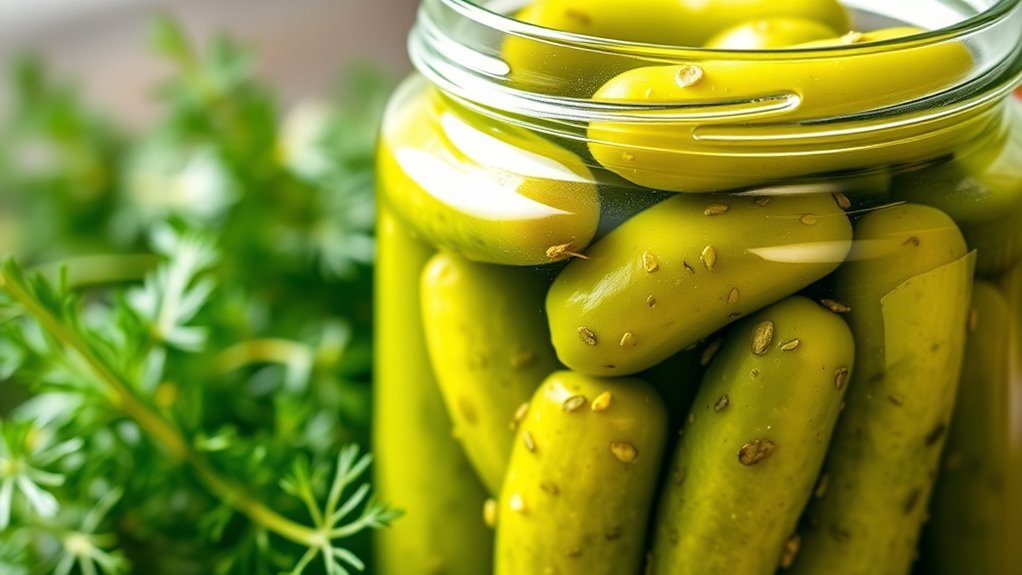

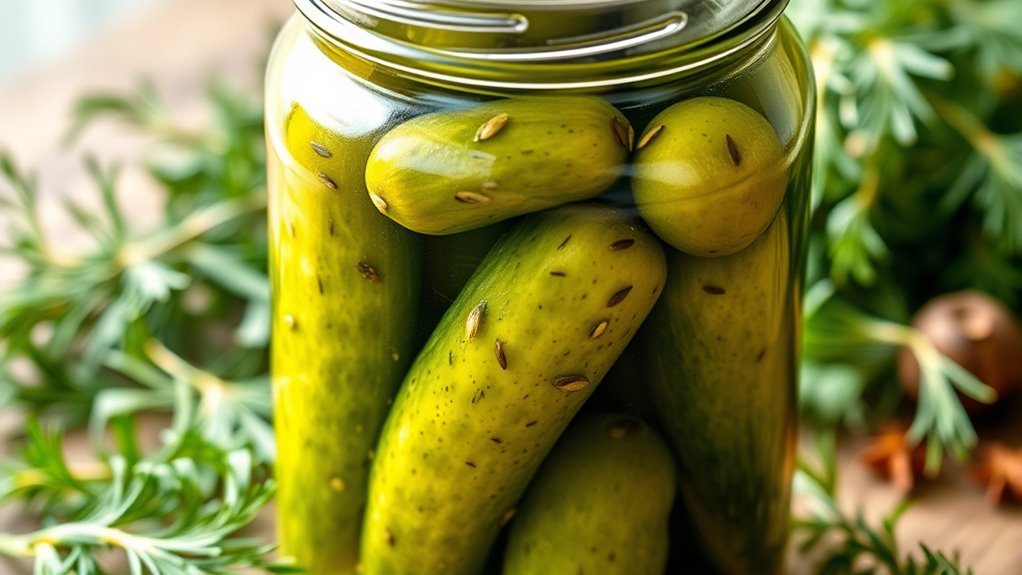
Yes, you can eat pickles on a ketogenic diet, as many varieties are low in carbohydrates. Dill pickles typically contain about 1 gram of carbs per serving, making them a great choice. However, be cautious of bread and butter pickles due to added sugars that raise carb content. It’s essential to check sodium levels and avoid certain additives. You can enhance your meals with pickles while staying within your carb limits—discover more about how to maximize their benefits!
Understanding the Ketogenic Diet
When you’re considering a ketogenic diet, it’s essential to understand its core principles. The ketogenic basics revolve around considerably reducing carbohydrate intake while increasing fats, which shifts your body into a state of ketosis. In this metabolic state, your body becomes highly efficient at burning fat for fuel instead of relying on glucose. Understanding the diet principles helps you make informed choices about what to eat, ensuring you maintain the right macronutrient ratios—typically around 70% fats, 25% protein, and 5% carbohydrates. This approach not only supports weight loss but can also enhance mental clarity and energy levels. By grasping these fundamentals, you empower yourself to make dietary choices that align with your health goals and lifestyle. Additionally, many individuals experience improved mental clarity while in ketosis, further motivating adherence to the diet.
Nutritional Profile of Pickles
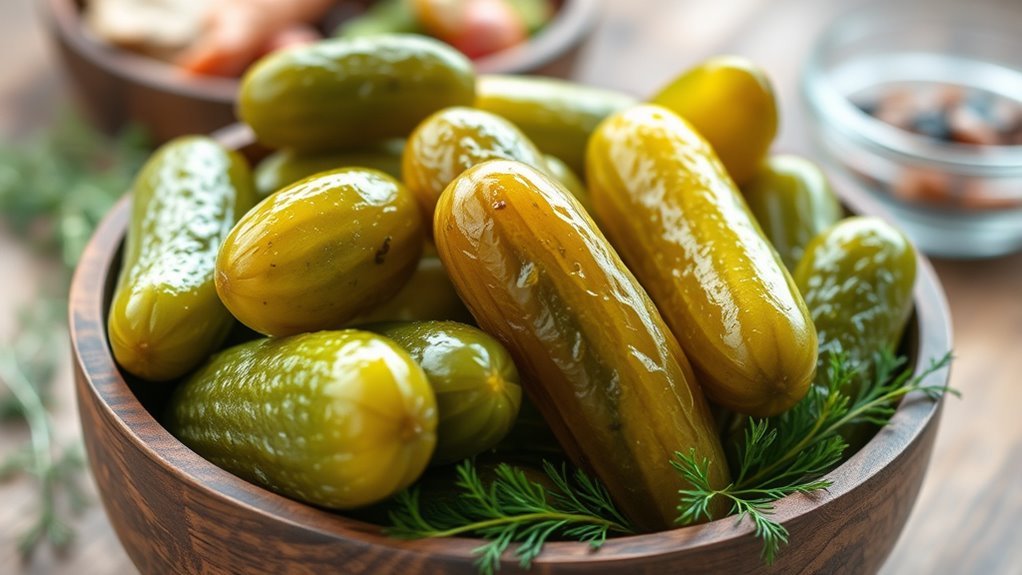
When considering pickles in your keto diet, it’s essential to examine their nutritional profile. They’re typically low in carbs, making them a suitable snack, but you should also be mindful of their sodium levels, which can be quite high. Additionally, fermented pickles offer health benefits like probiotics, enhancing gut health, which is an important aspect of overall nutrition. Incorporating pickles into your meals can also provide essential nutrients that support your health goals.
Low Carb Content
Pickles can be a surprisingly low-carb snack option for those following a keto diet. Most pickle varieties, especially dill pickles, contain about 1-2 grams of carbs per serving, making them an excellent addition to your low carb recipes. Their tangy flavor can enhance meals without greatly impacting your carb intake. Just be mindful of sweet pickles, as they often have added sugars, increasing their carb content. When you choose pickles, focus on those that are naturally fermented or pickled in vinegar, as they typically offer the lowest carb counts. Incorporating these low-carb snacks into your diet not only satisfies cravings but also supports your keto lifestyle, giving you the freedom to enjoy flavorful choices while staying on track. Additionally, pickles provide electrolyte balance which is crucial for those on a keto diet.
Sodium Levels Consideration
Although they can be a tasty low-carb option, you should be aware that pickles often come with high sodium levels. Monitoring your sodium intake is essential, especially on a keto diet. Excessive sodium can lead to health implications such as hypertension and increased risk of cardiovascular disease. Here’s a quick comparison of sodium levels in common pickles:
| Type of Pickle | Sodium Content (mg) | Serving Size (1 oz) |
|---|---|---|
| Dill Pickles | 280 | 1 oz |
| Bread & Butter Pickles | 250 | 1 oz |
| Kosher Pickles | 350 | 1 oz |
Being mindful of your pickle choices can help you enjoy them without compromising your health.
Fermented Health Benefits
While many people enjoy pickles for their crunchy texture and tangy flavor, they also offer significant health benefits, particularly when fermented. Fermented foods like pickles are rich in beneficial probiotics, which can enhance your digestive health. Here are three key benefits:
- Improved Gut Flora: Fermented pickles introduce healthy bacteria that support a balanced gut microbiome.
- Enhanced Nutrient Absorption: The fermentation process can increase the bioavailability of vitamins and minerals, aiding in nutrition.
- Boosted Immune System: Regular consumption of fermented foods, including pickles, may strengthen your immune response due to the presence of probiotics.
Additionally, fermented foods like pickles are often low in carbohydrates, making them a great choice for those following a keto diet. Incorporating fermented pickles into your diet can be a tasty way to support your overall health while enjoying the keto lifestyle.
Carbohydrates in Pickles
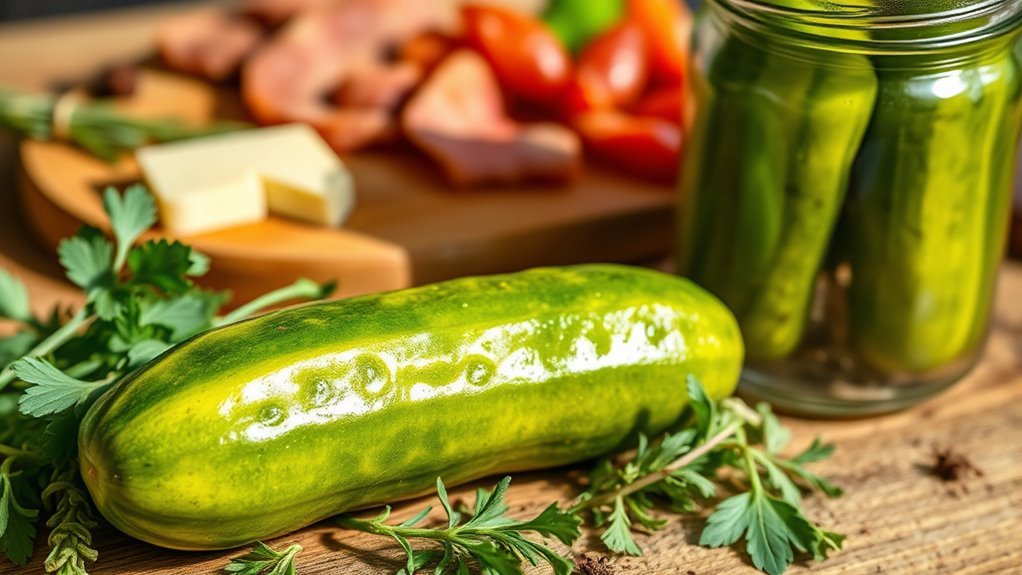
When considering pickles on a keto diet, it’s crucial to understand their carbohydrate content. The nutritional breakdown varies by type, and calculating net carbs can help you make informed choices. You’ll want to pay attention to the specific variety of pickles you’re consuming, as some have more carbs than others. Additionally, most pickles are low in calories and carbohydrates, making them a keto-friendly snack option for those looking to satisfy their cravings without compromising their carb limits.
Nutritional Breakdown of Pickles
If you’re following a ketogenic diet, understanding the nutritional breakdown of pickles is essential, especially their carbohydrate content. Different pickle varieties can impact your carb intake, so let’s break it down:
- Regular Dill Pickles: Typically, they contain about 1 gram of carbs per spear, making them keto-friendly.
- Bread and Butter Pickles: These often have added sugars, raising the carb count to around 5 grams per spear.
- Fermented Pickles: The fermentation process can enhance gut health while keeping carbs low, similar to regular dill pickles. Additionally, pickles can be a good source of dietary fiber, which can aid digestion and enhance the health benefits of your keto diet.
Net Carbs Calculation
Understanding net carbs is vital for anyone on a ketogenic diet, as it directly impacts your ability to maintain ketosis. When it comes to pickles, the net carbs can vary greatly between different pickle varieties. Generally, cucumbers used in pickling contain minimal carbohydrates, but added sugars in sweet or flavored pickles can increase the net carb content. For example, dill pickles typically have about 1 gram of net carbs per spear, while bread-and-butter pickles can contain up to 5 grams or more. To enjoy pickles without jeopardizing your keto goals, it’s important to read labels and choose varieties that fit into your daily carb allowance. Additionally, incorporating low-carb vegetables like cucumbers into your diet can enhance your nutrient intake while staying within your carb limits. Ultimately, keeping track of net carbs guarantees you’re making informed choices.
Types of Pickles
Pickles come in various types, each with its own carbohydrate profile that can influence your keto diet. Understanding these differences helps you make informed choices. Here’s a quick overview:
- Dill Pickles: Typically very low in carbs, with about 1g of net carbs per serving. They’re a keto-friendly option.
- Bread and Butter Pickles: These are sweetened and usually contain around 4-6g of net carbs per serving, which can add up quickly.
- Kosher Pickles: Similar to dill, these are also low in carbs, usually around 1-2g per serving, depending on the brine. Incorporating pickles into your diet can be a great way to add low-carb snacks while enjoying their crunch and flavor.
Choosing wisely among these types can help you stay within your carb limits while enjoying a crunchy, tangy snack.
Types of Pickles Suitable for Keto
While many snacks can derail your keto diet, certain types of pickles can actually complement your low-carb lifestyle. When exploring different pickle varieties, focus on dill pickles and fermented pickles, as they usually have minimal carbs. Dill pickles provide a tangy flavor profile that enhances your meals without adding unwanted sugars. On the other hand, fermented pickles offer probiotics, which can support gut health—a bonus for your keto journey. Probiotics in fermented pickles may also help with digestive health, making them a great option during your keto diet. Bread and butter pickles, however, are best avoided due to their higher sugar content. Always check labels for carb counts and ingredient lists. Ultimately, incorporating the right pickles into your diet can satisfy your cravings while keeping you aligned with your keto goals. Enjoy the crunch!
Potential Additives to Avoid
When choosing pickles to enhance your keto diet, it’s important to be aware of potential additives that can undermine your efforts. Some common preservative types and unnecessary ingredients can sneak into pickles, increasing sugar content and carbs. Here are three additives to avoid:
- High Fructose Corn Syrup: Often used for sweetness, it adds unnecessary sugar and carbs.
- Sodium Benzoate: While a common preservative, it can lead to health concerns and may not align with your dietary goals.
- Artificial Colors and Flavors: These additives can contribute to inflammation and don’t provide any nutritional benefits.
How to Incorporate Pickles Into Your Meals
Incorporating pickles into your meals can add a satisfying crunch and a burst of flavor, making them a versatile addition to your keto diet. You can enhance salads or sandwiches with slices of dill pickles, providing a tangy contrast to creamy dressings or rich meats. For a quick side, try pickles paired with cheese and olives, creating a flavorful platter that complements your main dish. Additionally, consider using pickles in your favorite low-carb recipes, like a pickle-based relish for grilled meats. You can even blend pickles into dressings or sauces for added zest. With these pickles recipes and pickle pairings, you’ll find endless ways to enjoy their unique taste while staying aligned with your keto goals.
Pickles as a Snack Option
Pickles can serve as an excellent snack option for those on a keto diet, as they’re low in carbohydrates and high in flavor. Their satisfying crunch factor makes them a compelling choice when you’re craving something savory. Here are three ways to enjoy pickles as a snack:
- Pickles Pairing: Combine pickles with a dollop of cream cheese or guacamole for a creamy contrast.
- Wrap It Up: Use sliced pickles to wrap around deli meats or cheese for a quick, satisfying bite.
- Spiced Up: Try spicy pickles for an extra kick that can enhance your snacking experience.
With their versatility and bold taste, pickles can easily fit into your keto lifestyle while keeping your snack time exciting.
Homemade vs. Store-Bought Pickles
Which option is better for your keto diet: homemade or store-bought pickles? Homemade pickles often allow you to control the ingredients, ensuring no hidden sugars or preservatives that might sabotage your keto goals. You can experiment with spices and flavors, tailoring them to your taste preferences. On the other hand, store-bought pickles can be convenient, but they frequently contain added sugars and unhealthy additives. Always check the labels for carb content and ingredients. If you’re looking for freedom in your diet, homemade pickles can be your best bet, giving you full control and peace of mind. Ultimately, it comes down to your priorities—convenience or quality—when choosing between homemade and store-bought pickles.
Health Benefits of Pickles on Keto
When you’re on a keto diet, pickles can serve as a low-calorie snack that satisfies cravings without derailing your carb count. They also help maintain hydration and electrolyte balance, which is essential on a low-carb regimen. Additionally, pickles can offer probiotic benefits, promoting a healthy gut microbiome that supports overall wellness.
Low-Calorie Snack Option
If you’re looking for a low-calorie snack that fits seamlessly into your keto diet, pickles can be a fantastic option. They offer a great variety of flavors and textures without adding significant calories, making them a healthy alternative to traditional snacks. Here are three benefits that make pickles an appealing choice:
- Low in Calories: A typical pickle contains just a few calories, allowing you to indulge guilt-free.
- Rich in Flavor: Their tangy taste can satisfy your cravings without derailing your diet.
- Snack Variety: With options ranging from dill to bread and butter, pickles keep your snack game interesting.
Hydration and Electrolyte Balance
While many people focus on macronutrients when following a keto diet, hydration and electrolyte balance are equally crucial for overall health. Pickles can be a great addition to your hydration strategies, as they’re primarily made of water and provide essential electrolytes like sodium and potassium. These minerals help prevent dehydration and maintain muscle function, especially important when following a low-carb regimen. Incorporating pickles as an electrolyte source can help you counteract the symptoms of keto flu, which may include fatigue and muscle cramps. Additionally, proper hydration is vital during ketosis, as it supports energy levels and mental clarity. Remember, staying hydrated and balancing your electrolytes not only supports your physical performance but also enhances your overall well-being, allowing you to enjoy the freedom that comes with a keto lifestyle.
Probiotic Benefits for Gut
Maintaining a healthy gut is essential for overall wellness, and pickles can play a significant role in this aspect of your keto diet. As a fermented food, pickles are excellent probiotic sources that can enhance gut health. Incorporating them into your meals offers various benefits:
- Improved Digestion: Probiotics help break down food, making nutrients easier to absorb.
- Enhanced Immune Function: A healthy gut supports your immune system, reducing the risk of illness.
- Mood Regulation: Gut health is linked to mental well-being, helping to balance mood and reduce anxiety.
Tips for Moderation and Portion Control
Since pickles can be a tasty addition to a keto diet, it’s important to practice moderation and portion control to fully enjoy their benefits without overstepping your carb limits. Mindful eating is key; consider how each pickle fits into your overall daily intake. Here are some tips to help you enjoy pickles responsibly:
| Tip | Description |
|---|---|
| Measure Portions | Use a food scale or measuring cups for accuracy. |
| Limit Frequency | Enjoy pickles as an occasional snack, not daily. |
| Combine Wisely | Pair with low-carb foods to balance meals. |
| Track Intake | Keep a food diary to monitor your carb count. |
Frequently Asked Questions
Can Pickles Help With Keto Cravings?
Yes, pickles can help with keto cravings. For instance, Sarah, a keto dieter, found that snacking on dill pickles curbed her desire for chips. They’re a great low-carb vegetable option, providing a crunchy texture without the carbs. Plus, they offer a burst of flavor, making them an ideal keto snack alternative. By incorporating pickles into your diet, you can satisfy cravings while staying committed to your low-carb lifestyle.
Are Dill Pickles Better Than Sweet Pickles on Keto?
Dill pickles are definitely better than sweet pickles on keto. Dill pickles typically have fewer carbs and no added sugars, making them a low-calorie, keto-friendly snack. On the other hand, sweet pickles contain sugar and higher carb counts, which can disrupt your ketogenic goals. If you’re looking to satisfy cravings while maintaining ketosis, opting for dill pickles is a smart choice. They’ll keep your taste buds happy without compromising your diet.
How Many Pickles Can I Eat on Keto?
You can enjoy pickles as a keto-friendly snack, but moderation is key. Think of them as tiny green lanterns illuminating your low-carb journey. Generally, a serving of around 5-10 dill pickles fits well within your daily carb limit, boasting low calories and minimal carbs. Their nutrition profile offers a crunch without guilt, but always check for added sugars in sweet varieties. Embrace freedom in your choices, but stay mindful of your intake!
Do Pickles Affect Ketosis?
Pickles generally don’t affect ketosis much due to their low carb content, usually around 1-2 grams per serving. They offer several nutritional benefits, including antioxidants and probiotics, which can support gut health. However, be cautious with store-bought varieties, as they may contain added sugars. By choosing dill or fermented pickles, you can enjoy their crunch without worrying about hindering your keto journey. Just remember to monitor your overall carb intake!
Can I Drink Pickle Juice on Keto?
You can definitely drink pickle juice on keto! It’s low in calories and carbs, making it a keto-friendly drink. Plus, pickle juice offers benefits like hydration and electrolyte replenishment, which can be especially helpful during ketosis. Many people enjoy it for its tangy flavor and potential anti-cramping properties. Just remember to check the sodium content, as some brands can be high. Enjoy your pickle juice guilt-free while staying on track with your keto goals!
References
- https://www.healthline.com/nutrition/keto-pickles
- https://www.ncbi.nlm.nih.gov/pmc/articles/PMC6520988/
- https://www.medicalnewstoday.com/articles/325879
- https://www.washingtonpost.com/lifestyle/wellness/are-pickles-keto-friendly/2020/05/05/37f5e9ea-8d0c-11ea-9b0d-7d2c1c1f2b10_story.html
- https://www.verywellfit.com/keto-diet-pickles-5118882
- https://www.nutrition.gov/topics/nutrition-education/nutrition-basics/pickles-nutrition-facts
- https://www.ncbi.nlm.nih.gov/books/NBK499877/
- https://www.ketogenic.com/keto-pickles-are-they-keto-friendly/