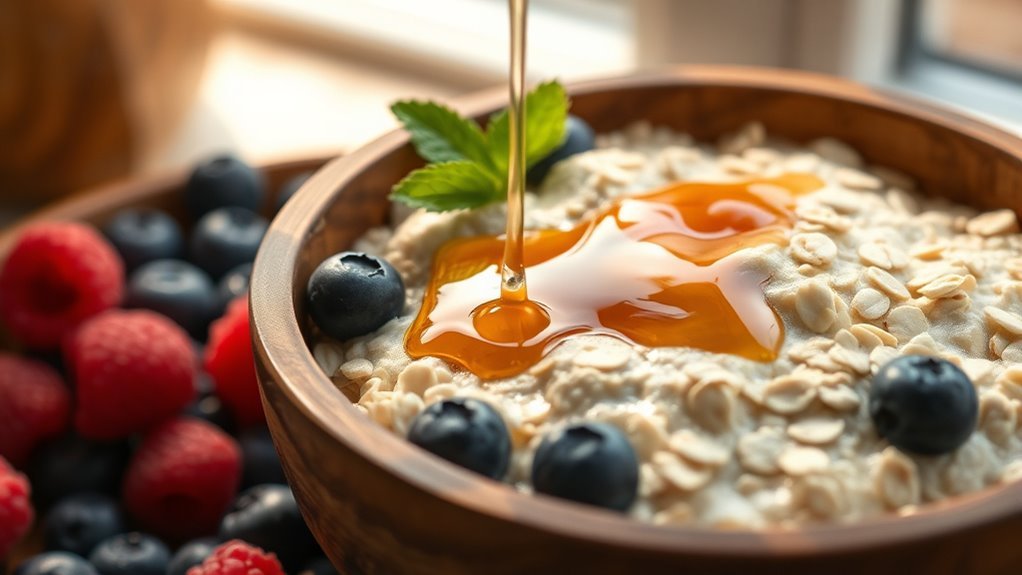

Oats can be nutritious, but they’re not typically considered keto-friendly due to their high carbohydrate content. A standard serving contains about 27 grams of carbs, which can easily exceed daily limits for a ketogenic diet. However, if you’re mindful of portion sizes and pair oats with healthy fats and proteins, they might fit into some low-carb meal plans. Want to learn more about how to incorporate oats or explore alternatives?
Understanding the Ketogenic Diet
Understanding the ketogenic diet is essential if you’re considering it as a lifestyle choice. At its core, the ketogenic principles focus on high-fat, moderate-protein, and low-carbohydrate intake, which leads your body to enter a state of ketosis. In this state, your body becomes incredibly efficient at burning fat for energy instead of carbs. To successfully achieve diet adaptation, you’ll need to gradually reduce your carb intake while increasing healthy fats. This shift can enhance mental clarity and energy levels, granting you a sense of freedom from traditional dietary constraints. However, it’s important to approach this diet thoughtfully, as everyone’s body responds differently. Balancing your nutrient intake guarantees you reap the benefits while minimizing potential drawbacks. Embracing ketosis can also redefine your relationship with food and overall well-being.
Nutritional Profile of Oats
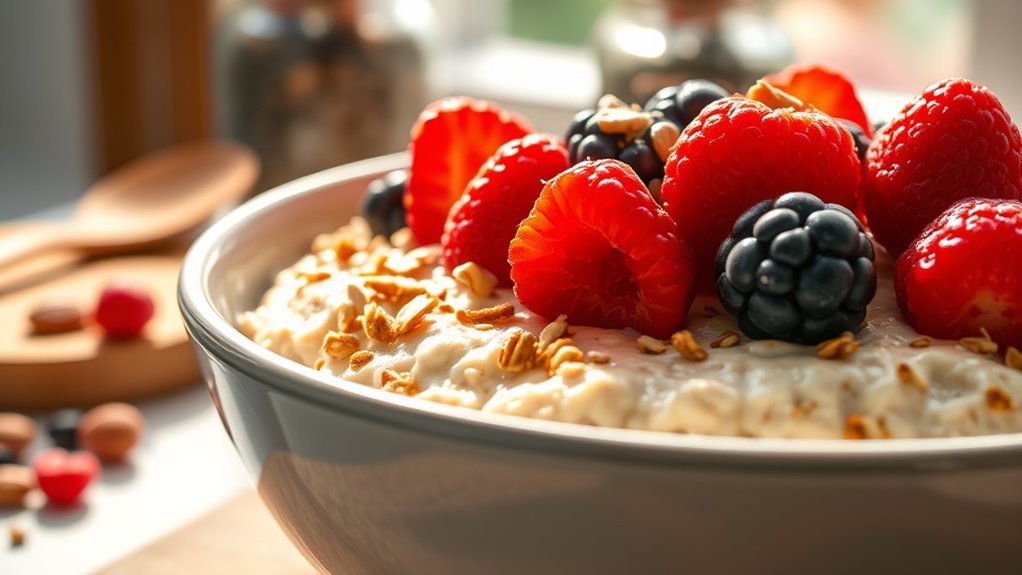
When evaluating the nutritional profile of oats, it’s vital to recognize that they are often seen as a staple in many diets, including those that emphasize whole foods. Oats come in various oat varieties, such as rolled, steel-cut, and instant, each offering unique textures and cooking times. They’re rich in fiber, particularly beta-glucan, which supports heart health and helps regulate cholesterol levels. Additionally, oats provide necessary vitamins and minerals, including magnesium, iron, and B vitamins. Their health benefits extend to promoting satiety, aiding digestion, and potentially reducing the risk of chronic diseases. While oats can be nutritious, it’s important to take into account their carbohydrate content when evaluating their compatibility with specific dietary goals, like keto.
Carbohydrate Content in Oats
When considering oats in your diet, it’s crucial to understand their carbohydrate content, particularly if you’re following a keto lifestyle. Oats have a moderate glycemic index, which means they can affect blood sugar levels differently based on serving size. By paying attention to portion control, you can better incorporate oats while managing your carbohydrate intake.
Oats Carbohydrate Overview
While oats are often praised for their health benefits, it’s important to examine their carbohydrate content, especially for those following a keto diet. A typical serving of oats contains about 27 grams of carbohydrates, which can greatly impact your daily intake limit on keto. However, oats also provide dietary fiber that aids in oats digestion, helping to slow the absorption of sugars. This can offer some balance, as fiber contributes to overall health. Yet, if you’re seeking to maintain ketosis, you’ll need to evaluate this carbohydrate load carefully. The benefits of oats, such as sustained energy and nutrient density, may be appealing, but they might not align with your keto goals. Additionally, understanding carbohydrate content is essential for making informed dietary choices based on your dietary needs.
Glycemic Index of Oats
Understanding the glycemic index (GI) of oats is essential for anyone monitoring their carbohydrate intake, particularly on a keto diet. The GI measures how quickly a food raises your blood sugar levels. Oats typically have a moderate GI, with instant oats causing a faster glycemic response compared to steel-cut varieties. This means eating instant oats might spike your blood sugar more rapidly, which isn’t ideal for those aiming to maintain stable levels. If you’re considering oats in your diet, it’s important to choose the type that aligns with your goals. Balancing oats with healthy fats and protein can help mitigate their impact on blood sugar, allowing you more freedom in your meal planning while staying within your dietary framework.
Serving Size Considerations
Serving sizes play an essential role in managing carbohydrate intake, especially for those on a keto diet. Understanding portion sizes can help you enjoy oats while staying within your carb limits. Here’s a quick breakdown of common serving suggestions:
| Serving Size | Carbohydrates (g) |
|---|---|
| 1/4 cup dry oats | 14 |
| 1/2 cup dry oats | 27 |
| 1 cup cooked | 28 |
| 1/4 cup steel-cut | 28 |
| 1/2 cup rolled | 27 |
While oats can be nutritious, you’ll want to be mindful of these numbers. By adjusting your portion sizes, you can find ways to incorporate oats into your meals without exceeding your daily carb goals. Additionally, remember that oats are higher in carbohydrates, which may limit their suitability for strict keto adherence.
Different Types of Oats
Oats come in various forms, each with unique characteristics and nutritional profiles that can suit different dietary needs. Steel cut oats are minimally processed and provide a hearty texture, while rolled oats are steamed and flattened for quicker cooking. Instant oats are pre-cooked, making them the fastest option but often come with added sugars. Oat bran is rich in fiber and can boost your morning meal’s nutritional value. If you’re avoiding gluten, gluten free oats are a safe choice. Oat flour can be a versatile alternative in baking, and flavored oats offer convenient, tasty options—though watch for added sugars. Ultimately, oat milk serves as a creamy, dairy-free alternative for beverages and recipes, catering to diverse dietary preferences.
Oats and Their Impact on Blood Sugar
While many people enjoy oats for their nutritional benefits, their impact on blood sugar levels can vary greatly depending on the type consumed and how they’re prepared. Oats have a moderate glycemic index, which means they can cause a slower rise in blood sugar compared to more processed grains. However, if you’re managing oats diabetes or simply monitoring your blood sugar, it’s important to choose whole oats over instant varieties, as they contain more fiber and fewer added sugars. Cooking oats with healthy fats or protein can further mitigate their impact on blood sugar. Ultimately, being aware of your personal response to oats blood sugar is key, so consider experimenting with portion sizes and preparation methods to find what works best for you. Additionally, it’s vital to consider that higher carbohydrate content in oat milk may hinder ketosis for those on a keto diet.
Potential Benefits of Oats in a Keto Diet
When considering oats in a keto diet, it is crucial to look at their nutritional value, including their rich fiber content. This fiber can aid digestion and promote a feeling of fullness, which may support weight management. By understanding these benefits, you can make informed choices about including oats in your low-carb lifestyle.
Nutritional Value Overview
Incorporating oats into a keto diet can seem counterintuitive due to their carbohydrate content, but understanding their nutritional profile reveals potential benefits. Different oat varieties offer varying levels of nutrient density, which can be advantageous for your health goals. Here are three key benefits to evaluate:
- Vitamins and Minerals: Oats are rich in essential nutrients like magnesium, iron, and B vitamins that support overall well-being.
- Healthy Fats: Some oat varieties contain healthy fats that contribute to a balanced diet, potentially enhancing satiety.
- Antioxidants: Oats are packed with antioxidants, which can help reduce inflammation and support heart health.
Fiber Content Benefits
Oats are well-known for their high fiber content, which can offer significant benefits even within a keto framework. Including oats in your diet can enhance digestive health due to their soluble fiber, particularly beta-glucan. This type of fiber can help regulate bowel movements and support a healthy gut microbiome. Additionally, fiber-rich benefits extend to promoting satiety, which can aid in maintaining energy levels throughout the day. Although oats do contain carbohydrates, balancing them with healthy fats and proteins can allow you to enjoy these nutritious grains without derailing your keto goals. Ultimately, oats can be a valuable addition to your diet if you’re mindful of portion sizes and overall carb intake.
Potential Weight Management
While many might assume that oats are incompatible with a keto diet, they can actually play a strategic role in potential weight management. Their unique properties can support your weight loss journey and help with appetite control. Here’s how:
- Satiety: Oats are high in fiber, which can keep you feeling full longer, reducing overall calorie intake.
- Nutrient Density: They provide essential vitamins and minerals that can support your energy levels and overall health while dieting.
- Slow Digestion: The complex carbs in oats digest slowly, helping to stabilize blood sugar and prevent cravings.
Incorporating oats in moderation can complement your keto approach, offering you the freedom to enjoy a fulfilling diet while still pursuing your weight management goals.
Alternative Low-Carb Options to Oats
If you’re looking for low-carb alternatives to oats, you’re in luck, as there are several options that can satisfy your breakfast cravings without derailing your ketogenic diet. Consider using almond flour or coconut flour to create pancakes or muffins that fit your macros. Chia seeds and flaxseed meal make excellent additions for a nutritious, pudding-like breakfast. For a unique twist, try pumpkin puree mixed with spices for a flavorful treat. You can also incorporate hemp hearts for added protein. If you’re feeling adventurous, zucchini noodles or cauliflower rice can serve as a base for savory breakfast dishes, while konjac noodles provide a low-calorie pasta alternative. These options not only keep carbs low but also offer a variety of textures and flavors. Additionally, using alternatives like almond flour can help you stay within the low-carb guidelines associated with a ketogenic diet.
How to Incorporate Oats Into a Keto Lifestyle
Incorporating oats into a keto lifestyle can be a bit tricky, but there are effective strategies to make it work. You might consider alternatives to oats that are lower in carbs, practice portion control to keep your intake in check, and explore creative recipe ideas that fit your dietary needs. By balancing these elements, you can enjoy the benefits of oats while staying aligned with your keto goals.
Oat Alternatives to Consider
Are you looking for ways to enjoy the comforting texture of oats while sticking to a keto lifestyle? Luckily, there are several oat substitutes that fit the bill, allowing you to maintain your low-carb goals without sacrificing flavor. Here are three great options:
- Nut-Based Options: Almond flour or coconut flour can create delicious, keto-friendly cereals that mimic the texture of oats.
- Seed Alternatives: Chia seeds or flaxseeds can be used to make a creamy pudding, providing healthy fats and fiber.
- Vegetable Substitutes: Cauliflower rice or zucchini noodles can be used in savory dishes, transforming traditional oat recipes into satisfying, low-carb meals.
Additionally, it’s essential to consider the carbohydrate content of any substitute you choose to ensure you stay within your keto limits. Explore these alternatives, and enjoy the versatility they bring to your keto diet!
Portion Control Strategies
While it may seem challenging to include oats in a keto lifestyle, effective portion control strategies can help you enjoy their benefits without derailing your low-carb goals. Start by monitoring portion sizes; a small serving of oats can fit into your meal plan if you balance it with low-carb ingredients. Practicing mindful eating and being aware of your hunger cues can also guide you in making better choices. Consider meal timing to help manage cravings and incorporate oats as a nutritious snack alternative. Here’s a simple guide for portion control:
| Portion Size | Example Meal | Alternative Snack |
|---|---|---|
| 1/4 cup | Oatmeal with nuts | Celery with cream cheese |
| 1/2 cup | Oats in smoothies | Greek yogurt |
| 1/3 cup | Oats in baked goods | Hard-boiled eggs |
Creative Recipe Ideas
Finding creative ways to enjoy oats on a keto diet can be both satisfying and nutritious. You don’t have to miss out on delicious meals while sticking to your lifestyle. Here are three ideas to get you started:
- Oatmeal Smoothies: Blend oats with low-carb fruits like berries, spinach, and almond milk for a nutrient-packed breakfast.
- Savory Oatcakes: Mix oat flour with eggs, cheese, and herbs to create savory oatcakes that can be enjoyed as snacks or meals.
- Overnight Oat Parfaits: Layer oats with unsweetened yogurt and nuts for a quick, satisfying breakfast.
Expert Opinions on Oats and Keto
As you explore the intersection of oats and a ketogenic diet, expert opinions reveal a nuanced perspective on this commonly debated food. Keto experts often acknowledge the oat benefits, including high fiber content and crucial nutrients. However, they also point out that oats can be high in carbohydrates, which may hinder ketosis for some individuals. While some suggest moderate consumption of oats can fit into a low-carb lifestyle, others recommend alternatives like chia seeds or flaxseeds for those strictly adhering to keto. Ultimately, it’s vital to reflect on your personal dietary goals and how your body responds. Balancing oat consumption with your carb intake may allow you to enjoy their benefits without compromising ketosis.
Final Thoughts on Oats in a Ketogenic Diet
Although oats are often seen as a healthy staple, their role in a ketogenic diet requires careful consideration. While oats can offer fiber and nutrients, their high carb content can hinder ketosis. If you’re committed to a keto lifestyle, here are some oatmeal substitutes to explore:
- Chia Seed Pudding: Chia seeds are low in carbs and high in fiber, making them a perfect keto-friendly breakfast option.
- Almond Flour Porridge: Almond flour blended with unsweetened almond milk can create a filling, low-carb alternative.
- Flaxseed Meal: Rich in omega-3s and fiber, flaxseed meal can be mixed with water to form a satisfying porridge-like consistency. Additionally, focusing on whole, unprocessed foods is essential for maintaining ketosis and overall well-being.
Frequently Asked Questions
Can You Eat Oats on a Strict Keto Diet?
You can’t eat oats on a strict keto diet. Oats have a higher carbohydrate content, which conflicts with keto diet limitations. While oats offer beneficial nutrients like fiber and protein, their nutritional profile is too rich in carbs to maintain ketosis. If you’re looking for alternatives, consider options like chia seeds or flaxseeds. They provide similar textures and nutrients without the carb overload, allowing you to enjoy variety while staying within your dietary goals.
How Can Oats Fit Into a Low-Carb Meal Plan?
Oats can fit into a low-carb meal plan if you’re mindful of portion sizes. Picture a cozy morning, oatmeal steaming in a bowl, but remember to balance it with oat alternatives like chia seeds or flaxseeds to keep carb counting in check. You can enjoy oats occasionally, but be sure to monitor how they affect your overall carb intake. This way, you’ll maintain that sense of freedom while satisfying your cravings.
Are Instant Oats More or Less Keto-Friendly?
Instant oats aren’t the most keto-friendly choice. They’re processed and usually contain more carbs than traditional oats, making it harder to fit into a low-carb meal plan. If you’re looking for keto alternatives, consider chia seeds or flaxseeds, which are lower in carbs and higher in fiber. While instant oats can be convenient, it’s best to explore options that align with your keto goals for a more satisfying meal.
What Are Keto-Friendly Toppings for Oats?
You might think oats limit your keto options, but there are some delicious keto-friendly toppings to contemplate! Try adding almond butter or coconut cream for a boost of healthy fats. Chia seeds or crushed nuts can provide that satisfying crunch you crave. Don’t forget about fresh berries, which can add flavor without overwhelming carbs. With the right toppings, you can enjoy a tasty bowl that aligns with your keto lifestyle while keeping things interesting!
Can I Use Oat Flour in Keto Baking?
You can use oat flour in keto baking, but it’s important to evaluate its carb content. Oat flour has benefits like being higher in fiber and nutrients compared to some other flours, but it’s not typically low-carb. If you want to stick to keto, examine alternatives like almond or coconut flour instead. These options can help you maintain your carb limits while enjoying delicious baked goods, giving you the freedom to indulge without guilt.
References
- https://www.ncbi.nlm.nih.gov/pmc/articles/PMC6323462/
- https://www.healthline.com/nutrition/keto-diet-food-list
- https://www.webmd.com/diet/obesity/what-is-the-keto-diet
- https://www.verywellfit.com/what-is-the-keto-diet-4688913
- https://www.medicalnewstoday.com/articles/323427
- https://www.heart.org/en/news/2021/06/17/a-keto-diet-may-not-be-the-best-option-for-everyone
- https://www.hsph.harvard.edu/nutritionsource/keto-diet/